
Determining whether Meixin garden lights can withstand Singapore’s frequent heavy rain and high humidity requires looking beyond the brand name to verify specific product specifications. Because outdoor lighting models vary widely in their construction, the suitability of any specific fixture depends entirely on its verified Ingress Protection (IP) rating, material composition, and electrical safety certifications. Singapore’s tropical climate presents unique challenges, including sudden monsoonal downpours, intense UV exposure, and persistent high humidity. These environmental factors can easily compromise poorly sealed outdoor fixtures, leading to short circuits, corrosion, or complete electrical failure. To ensure safety and longevity, you must evaluate each fixture’s weatherproofing, verify local safety compliance, and follow strict installation protocols.
Understanding Waterproof and Weather Resistance Standards
To evaluate any garden light’s ability to survive tropical downpours and high humidity, you must understand the Ingress Protection (IP) rating system. This international standard classifies the degrees of protection provided against the intrusion of solid objects and liquids. The rating consists of the letters “IP” followed by two digits. The first digit, ranging from 0 to 6, indicates protection against solid objects like dust and debris. The second digit, ranging from 0 to 9, measures protection against liquids. For outdoor lighting in Singapore, the second digit is the most critical factor to analyze.
For fully exposed garden areas, such as lawns, pathways, and open flowerbeds, fixtures require a minimum rating of IP65. An IP65 rating means the light is completely dust-tight and can withstand water projected by a nozzle from any direction. However, during intense monsoon seasons, heavy downpours can create conditions equivalent to high-pressure water jets or temporary flooding. In these highly exposed locations, opting for IP66 or IP67 ratings provides a much higher safety margin. An IP66 rating protects against strong water jets, while an IP67 rating allows the fixture to withstand temporary immersion in water, which is ideal for low-lying garden areas prone to brief pooling.
Products mentioned in this guide
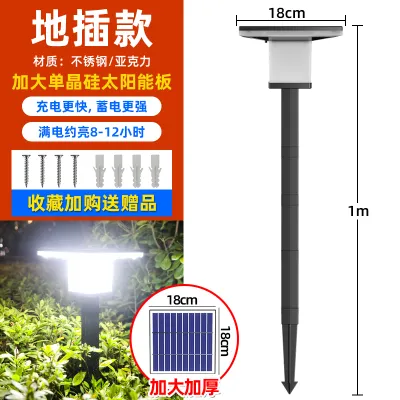
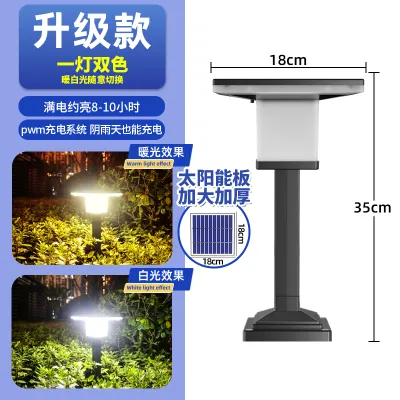
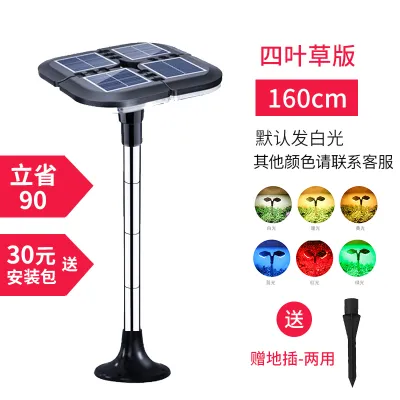
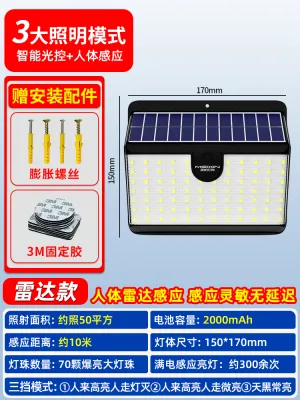
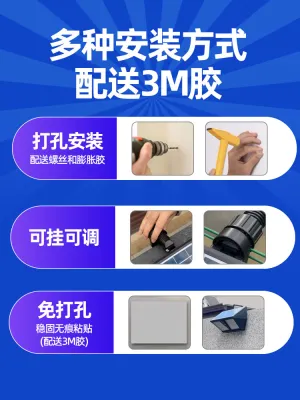
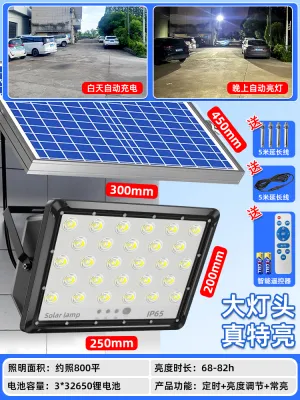
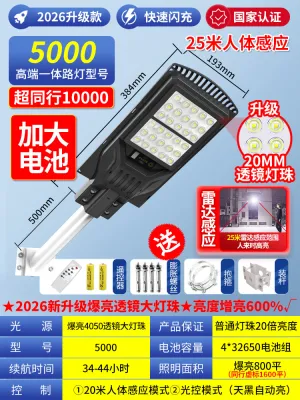
Prices are valid at publication and may change. Please refer to the product page for the latest price.
Semi-sheltered outdoor areas, such as covered patios, deep balconies, or under-eave spaces, may accommodate fixtures with a lower rating, such as IP44. An IP44 rating protects against solid objects larger than one millimeter and splashes of water from any direction. However, you must consider that strong winds during tropical storms can blow rain horizontally. If a semi-sheltered area is still vulnerable to wind-driven rain, relying on an IP44 rating may lead to premature fixture failure. Choosing a higher IP rating even for partially covered spaces offers better long-term reliability.
Material composition is another critical factor in resisting rust and degradation in humid environments. Singapore’s constant high humidity accelerates electrochemical corrosion, which can quickly ruin cheap metal alloys. When selecting garden lights, check for high-quality materials such as marine-grade stainless steel, anodized aluminum, or UV-stabilized plastics like polycarbonate. Anodized aluminum resists oxidation, while UV-stabilized plastics prevent the housing from becoming brittle and cracking under intense tropical sunlight. Avoid fixtures made of untreated ferrous metals or thin sheet metals, as they will rust rapidly when exposed to moisture.
It is also important to distinguish between general marketing claims of being “water-resistant” and certified “waterproof” ratings. “Water-resistant” is a vague term that often only implies a fixture can handle light condensation or minor splashes. It does not guarantee survival against a sudden tropical deluge. A certified waterproof rating, backed by an explicit IP65 or higher classification, provides the objective verification needed to ensure the fixture can handle direct, heavy, and prolonged exposure to rain without safety risks.
How to Verify Meixin Garden Light Specifications
To determine if a specific Meixin garden light is suitable for your outdoor space, you must locate and verify its official technical specifications. Do not rely solely on online product titles, promotional banners, or general e-commerce descriptions, which may use generic keywords rather than precise technical data. Instead, look for the official specification sheet provided by the manufacturer or distributor.

Start by inspecting the physical product packaging, the user manual, or the physical label printed directly on the fixture itself. The IP rating should be clearly printed as “IP” followed by two digits, such as IP65 or IP66. If the rating is missing from the physical product and its official documentation, you should assume the fixture is not rated for wet outdoor environments. Additionally, check the material specifications listed in the manual to confirm whether the housing is made of corrosion-resistant materials like anodized aluminum or UV-stabilized polycarbonate.
Verify the electrical specifications of the fixture to ensure compatibility with your home’s electrical system. In Singapore, the standard residential mains voltage is 230V at a frequency of 50Hz. If you are installing mains-voltage garden lights, the fixture must be rated for this voltage and designed for outdoor use. If you are using low-voltage garden lighting systems, which typically operate at 12V or 24V, you must verify that the step-down transformer is also rated for outdoor use and carries a suitable IP rating for its installation environment.
Look for local electrical safety certifications required for outdoor electrical devices. In Singapore, certain controlled electrical goods must carry the Safety Mark issued by the Enterprise Singapore safety authority. While low-voltage garden lights themselves may not always require this specific mark, any mains-voltage fixtures, outdoor plugs, sockets, or transformers must comply with local safety regulations to prevent electrical hazards. Ensuring that your equipment carries the appropriate safety certifications is a vital step in protecting your home from electrical fires and ground faults.
If you encounter conflicting information—such as an online listing claiming a high IP rating while the physical product label shows a lower rating or no rating at all—always defer to the physical label on the product. If specifications are missing, unclear, or inconsistent, do not proceed with the installation. Contact the manufacturer or a qualified distributor to verify the exact specifications before exposing the fixture to the elements. Installing an unverified fixture in an outdoor environment poses significant safety risks.
Installation and Maintenance in High Humidity and Heavy Rain
Proper installation is just as important as choosing the right IP rating when it comes to maximizing the lifespan of your garden lights. When planning your layout, carefully evaluate the topography of your garden. Avoid placing fixtures in low-lying areas where water naturally pools during heavy downpours. Even an IP65-rated light can fail if it remains submerged in standing water for extended periods. If you must install lights in low-lying areas, elevate them slightly on gravel beds or concrete bases to facilitate drainage.
Keep fixtures away from direct, high-pressure impact from garden sprinklers or drainage downspouts. The constant, localized force of a sprinkler can exceed the water-resistance limits of standard outdoor seals over time. Soil splash-back can also clog drainage holes or wear down protective coatings, so placing a layer of mulch or decorative stones around the base of the fixture can help minimize soil contact and maintain a clean environment.
Routine maintenance is essential to prolong the life of your outdoor lighting in a tropical climate. Periodically inspect the rubber gaskets and silicone seals on each fixture. Singapore’s intense heat and UV exposure can cause rubber to dry out, crack, or warp over time, compromising the waterproof seal. If you notice any signs of degradation, replace the seals immediately or apply a thin layer of silicone grease to keep the rubber pliable and water-resistant.
Clean the fixtures regularly by wiping them down with a soft, damp cloth to remove dirt, mold, and salt buildup, which can trap moisture against the housing and accelerate corrosion. Ensure that any built-in drainage holes or weep holes on the fixture remain clear of dirt, leaves, and insect nests so that condensation can escape. Allowing moisture to remain trapped inside the housing will eventually damage the internal electronics and lead to premature failure.
Properly sealing all electrical connections is the most critical step in preventing moisture ingress over time. Use outdoor-rated, gel-filled wire connectors or weatherproof junction boxes with a high IP rating (such as IP66 or IP67) for all splices. Standard electrical tape or indoor wire nuts will quickly fail in humid conditions, leading to tripped circuit breakers or dangerous short circuits. Additionally, incorporate drip loops in the wiring leading to each fixture to prevent rainwater from running along the cable and directly into the electrical connections.
When to Stop and Consult a Professional
Outdoor electrical installations carry inherent risks, especially in wet environments. You must stop work immediately if you discover internal condensation, water pooling inside a fixture, frayed or damaged wiring, or if the fixture lacks clear waterproof markings. Attempting to install or repair compromised electrical equipment in wet conditions can result in severe electrical shock or fire hazards.
Always isolate the power supply at the main distribution board before inspecting, cleaning, or adjusting any outdoor lighting fixture. Never attempt to handle live wires or wet electrical components. If you are unsure whether the power has been successfully isolated, use a certified voltage tester to verify that the circuit is dead before proceeding with any physical contact.
For any fixed wiring installations, connection to the mains power supply, or installation of outdoor junction boxes, you must hire a licensed electrical worker in Singapore. Professional installation ensures compliance with local electrical standards, such as SS 638, and guarantees that your outdoor circuits are protected by a properly functioning Residual Current Circuit Breaker or Residual Current Device. A licensed professional will also ensure that all conduits, cables, and fittings are rated for outdoor use and installed at the correct depth to prevent accidental damage.
If an outdoor light repeatedly trips your home’s circuit breaker, do not attempt to force the breaker back on. This indicates an active ground fault or moisture ingress that must be resolved. Safely decommission the fixture by turning off its dedicated breaker, and consult a licensed professional to diagnose and repair the system. Ignoring a tripping breaker can lead to severe damage to your home’s electrical infrastructure and poses a significant safety hazard.
Frequently Asked Questions (FAQ)
Can I use indoor Meixin lights outdoors if they are placed under a covered patio?
No, you should not use indoor-rated fixtures in any outdoor environment, even if it is fully covered. Singapore’s high relative humidity can cause moisture to condense inside the fixture’s non-sealed housing, leading to corrosion, short circuits, and electrical shock hazards. Additionally, strong winds during monsoon seasons can blow heavy rain horizontally, directly exposing the fixture to water. Always use fixtures rated at least IP44 for semi-sheltered outdoor spaces to ensure safety and durability.
What should I do if I notice water or condensation inside the garden light?
If you see water or condensation inside a fixture, immediately isolate the power at the main circuit breaker before touching the light. Once the power is safely cut, carefully remove the fixture to inspect it. If the condensation is minor, you may be able to dry the interior completely, inspect the rubber seals for damage, apply a thin layer of silicone grease to the gaskets, and reassemble it securely. However, if there is significant water accumulation or signs of corrosion on the electrical contacts, the fixture’s seals have failed, and it should be replaced to prevent future hazards.

Community discussion
Share your experience or ask a question. Comments are reviewed before publication.