
Choosing the right material for your bay window cushion depends on how you plan to use the space and the environmental conditions of your home. If you want a plush, body-conforming seat for long reading sessions, memory foam offers excellent pressure relief. For those seeking a resilient, bouncy support that handles tropical heat and humidity well, natural or synthetic latex provides superior breathability. Meanwhile, traditional cotton is ideal if you prefer a firmer, natural feel and a low-profile cushion that is easy to wash and maintain.
In Singapore’s warm climate, bay windows are often subjected to intense afternoon sun and significant temperature fluctuations. These environmental factors can accelerate the degradation of certain cushion cores, cause fabrics to fade, and affect overall seating comfort. By evaluating your specific seating habits, window dimensions, and maintenance preferences, you can select a cushion material that remains comfortable and supportive for years to come.
Key Factors for Bay Window Cushion Environments
Before comparing cushion materials, it is essential to assess the physical and environmental demands of your bay window area. The amount of direct sunlight your window receives plays a critical role in material longevity. Intense UV rays and heat can break down foam structures, dry out natural latex, and cause cover fabrics to fade rapidly. If your bay window faces the afternoon sun, you will need to prioritize UV-resistant covers and materials that do not degrade quickly under high temperatures.
Products mentioned in this guide
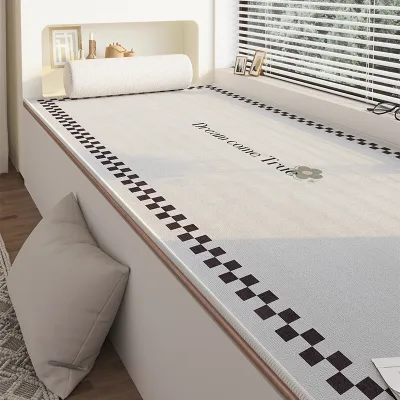
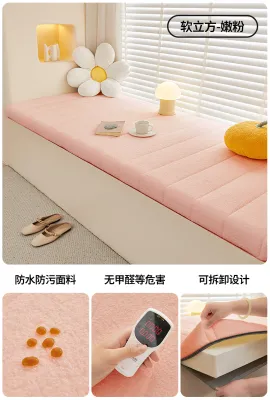
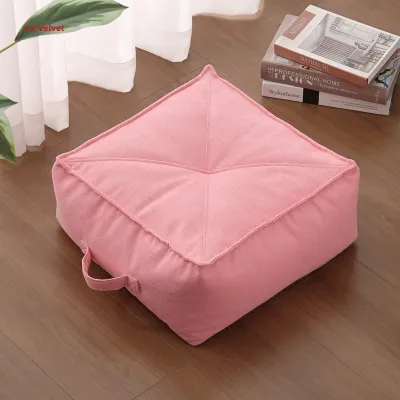
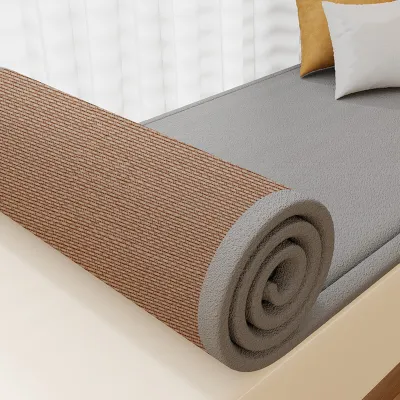
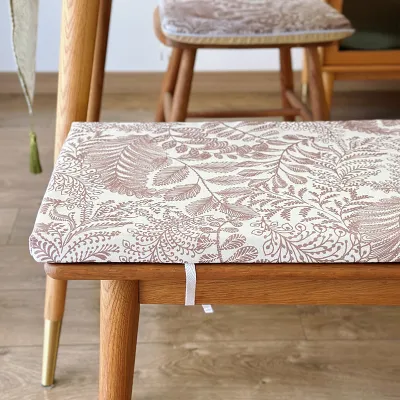

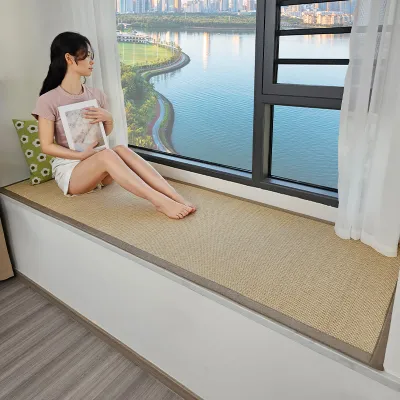
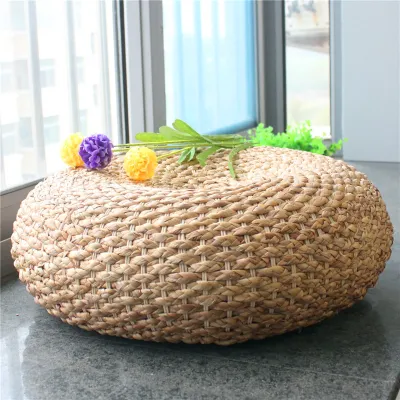
Prices are valid at publication and may change. Please refer to the product page for the latest price.
Your intended usage frequency also dictates the level of support required. A bay window used primarily as a decorative display or an occasional seating spot for guests has very different structural needs than a daily lounging nook or home office corner. Daily use demands high-density materials that resist sagging and bottoming out over time, whereas decorative setups can prioritize aesthetics and lighter, less dense fills.
Finally, the physical dimensions and depth of your window sill must guide your choice. A deep sill allows for thicker, more substantial cushions, while a narrow sill requires a low-profile pad to avoid blocking window operations or looking disproportionate. You must also consider the weight of the cushion; heavier materials like high-density latex can be difficult to move for routine window cleaning, whereas lightweight cotton inserts are highly portable.
Evaluating the Core Materials
To make an informed decision, you must understand how each core material behaves under daily use and environmental stress. Manufacturers offer various formulations and densities, so checking the product specifications and care labels is always the first step to verifying performance.

Memory Foam: Contouring Comfort and Heat Considerations
Memory foam is highly regarded for its contouring comfort and exceptional pressure relief. When you sit on a memory foam cushion, the material reacts to your body heat and weight, molding to your shape to distribute pressure evenly. This makes it an excellent choice for deep bay windows transformed into cozy reading nooks where you might sit for hours at a time.
However, traditional memory foam is known for heat retention. Because it relies on a dense, closed-cell structure to conform to your body, it can trap heat, which may feel uncomfortably warm in a sunlit room or during humid afternoons. To mitigate this, look for product labels indicating gel-infused memory foam or open-cell structures designed to promote better airflow.
Durability and recovery are closely tied to the foam’s density, which is typically listed on the manufacturer’s specification tag. High-density memory foam recovers its shape slowly but reliably after prolonged compression, preventing the cushion from flattening permanently. Low-density options may feel soft initially but can bottom out quickly under daily use, making them less suitable for primary seating areas.
Latex: Resilience, Breathability, and Weight
Latex provides a highly resilient, bouncy support that contrasts sharply with the sinking feeling of memory foam. Instead of contouring deeply, latex pushes back against your weight, keeping you positioned on top of the cushion. This instant recovery prevents bottoming out, making it highly comfortable for active lounging and easy to stand up from.
One of the greatest advantages of latex in warm climates is its natural breathability. Most latex cushion cores feature an open-cell structure and are manufactured with ventilation pinholes that allow air to circulate freely. This continuous airflow helps dissipate heat and moisture, keeping the seating surface cool even when the bay window is exposed to warm daylight.
Despite these benefits, latex requires careful handling and specific environmental protection. It is significantly heavier than memory foam or cotton, which can make lifting and rotating the cushion a strenuous task. Furthermore, natural latex is highly sensitive to direct UV light, which can cause it to crumble and lose its elasticity over time. Always check the manufacturer’s instructions regarding UV exposure limits and ensure the core is protected by a thick, light-blocking cover.
Cotton: Natural Feel, Firmness, and Maintenance
Cotton-filled cushions offer a traditional, firm feel that appeals to those who prefer natural fibers and a flatter seating surface. Unlike foam or latex, cotton does not conform to your body shape or bounce back instantly. Instead, it provides a stable, low-profile base that works beautifully for casual seating, tea corners, or decorative window displays.
In terms of temperature regulation, cotton is naturally breathable and absorbs moisture well, offering a cool, dry touch in warm environments. It does not trap heat like synthetic foams, making it a comfortable option for year-round use without the need for specialized cooling technologies.
Maintenance is where cotton both shines and requires attention. Many cotton cushions feature removable, machine-washable covers, and some lightweight cotton-filled pads can be washed entirely. However, cotton fibers tend to compress and clump together over time with heavy use. To maintain its loft and comfort, you will need to fluff, shake, or occasionally refill the cushion. Always verify the care label before washing to avoid excessive shrinkage or clumping of the inner fibers.
Decision Guide: Matching Material to Your Needs
To select the perfect cushion, match the material characteristics to your specific lifestyle and bay window setup. For an indoor, climate-controlled reading nook where comfort is the priority, memory foam is the ideal choice. If your bay window is a high-traffic, sun-drenched spot that requires durable support and excellent airflow, a ventilated latex cushion is highly recommended. For decorative, low-profile setups or spaces where easy washing is a priority, a cotton cushion provides a practical, natural solution.
Regardless of the core material you choose, pairing it with the right cover is crucial. Look for covers made from UV-resistant, high-durability fabrics like heavy canvas, linen blends, or outdoor-rated polyester to protect the inner core from sun damage and wear. Removable covers with sturdy zippers make routine cleaning much simpler.
Before finalizing your purchase, always perform a verification check on the product tags and specifications. Check the density ratings for foam and latex, verify the exact dimensions to ensure a snug fit on your window sill, and review the manufacturer’s care instructions. This ensures the cushion is fully compatible with your home’s environmental conditions and maintenance routine.
Care and Maintenance for Longevity
Proper upkeep is essential to preserve the shape, hygiene, and appearance of your bay window cushions. Establish a routine of fluffing cotton cushions and rotating foam or latex inserts end-to-end every few weeks. This practice ensures even wear, prevents localized sagging, and helps clear out dust accumulation that naturally settles near windows.
Managing sunlight exposure is the most effective way to extend the lifespan of your cushions. Consider installing sheer curtains, blinds, or UV-filtering window films to block harmful rays without completely sacrificing natural light. If your window receives uneven sunlight, rotating the cushions regularly will prevent one side from fading or degrading faster than the other.
When it comes to cleaning, always respect the boundaries set by the manufacturer’s care label. Never machine-wash or submerge solid memory foam or latex cores in water, as this can destroy their cellular structure and lead to mold growth. Instead, spot-clean stains on the core with a damp cloth and mild detergent, or seek professional cleaning services if the manufacturer’s instructions are unclear.
Frequently Asked Questions (FAQ)
Can I leave my bay window cushions in direct sunlight all day?
It is not recommended to leave bay window cushions in direct, intense sunlight all day without protection. Prolonged UV exposure degrades the structural integrity of memory foam and latex, causing them to become brittle, crumble, or lose their supportive qualities. Additionally, constant sunlight will fade the colors of your cushion covers. To protect your investment, use UV-blocking window films, close blinds during peak sunlight hours, or choose UV-resistant outdoor fabrics for your covers.
How thick should a bay window cushion be for comfortable seating?
The ideal thickness depends on the material’s density and how you plan to use the window sill. For daily lounging, a thickness of 5 to 8 centimeters is generally recommended to prevent bottoming out, especially when using memory foam or latex. Denser materials can provide adequate support at a slightly lower profile, whereas softer cotton cushions may need to be thicker or regularly fluffed. Always measure your window sill depth and check that the cushion’s height does not obstruct window latches or handles.

Community discussion
Share your experience or ask a question. Comments are reviewed before publication.