
Finding the right tailbone cushion is not about finding a universally perfect product, but rather matching a material’s physical properties to your daily sitting habits, body weight, and local climate. The ideal choice depends on how long you sit, how much support your frame requires, and whether you tend to run hot during the day. Memory foam, gel, and air-filled cushions each offer distinct mechanisms for relieving pressure on the coccyx. By evaluating these materials against your specific comfort requirements, you can select a cushion that provides lasting relief and integrates seamlessly into your workspace.
Key Factors That Determine Tailbone Relief
To understand how different materials alleviate tailbone pain, you must first look at how they manage pressure distribution. A dedicated tailbone cushion typically features a cutout design, often shaped like a U or a W, which suspends the coccyx in mid-air. This suspension prevents your body weight from pressing the sensitive tailbone directly against a hard seating surface.
Heat retention is another critical factor, particularly in warm or humid environments. When a cushion traps body heat, the material can soften excessively or cause discomfort, leading to fidgeting and poor posture. A breathable design ensures that the seating surface remains cool and supportive throughout the day.
Products mentioned in this guide
![[SG INSTOCK] Seat Cushion Memory Foam Orthopedic Pressure Relief Car Home Soft Office Chair Pad Wheelchair for Tailbone Sciatica Back Pain Relief](https://img.lazcdn.com/g/p/005adf43d933a7c5edf0e3585d56492d.jpg_400x400q80.jpg_.webp)
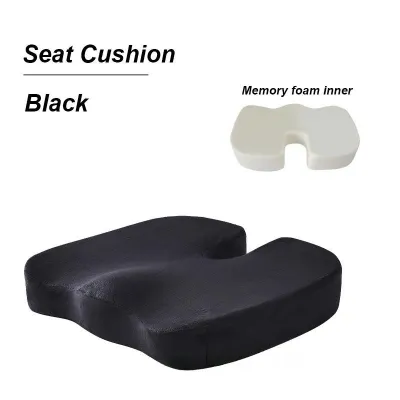
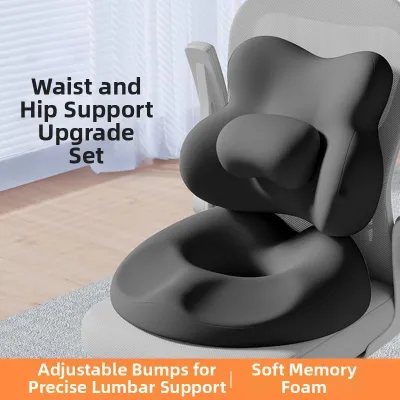
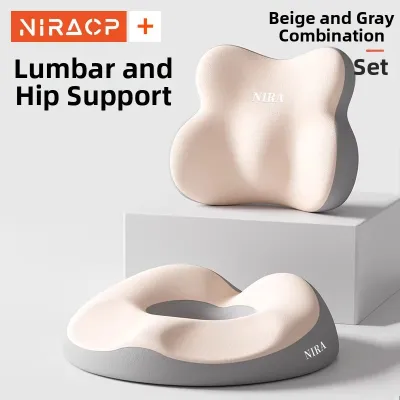
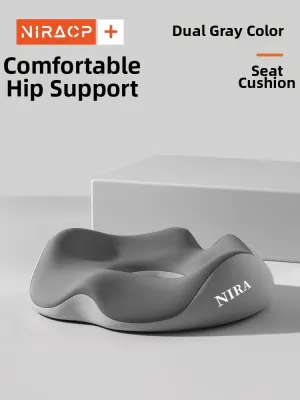
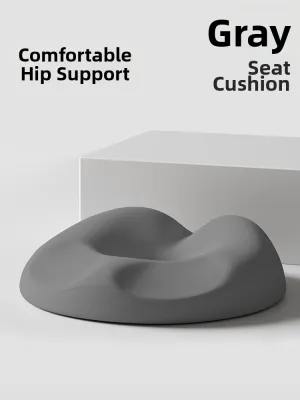
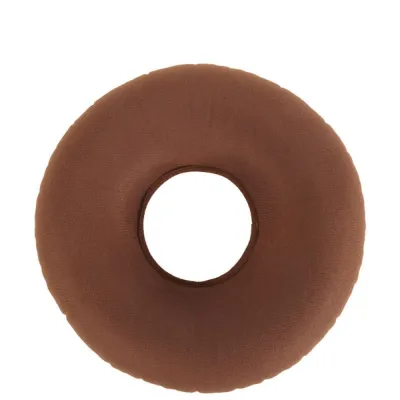
Prices are valid at publication and may change. Please refer to the product page for the latest price.
Body weight support and material compression limits dictate how well a cushion maintains its shape under load. If a cushion compresses completely—a phenomenon known as bottoming out—the tailbone loses its suspension, rendering the cushion ineffective. Choosing a material with the appropriate density or resistance is essential for sustained relief.
Finally, sitting duration affects how a material behaves over hours of continuous use. Some materials fatigue quickly, losing their rebound and requiring frequent adjustments, while others maintain consistent support from morning to night. Understanding these dynamics helps you choose a cushion that matches your daily routine.
Memory Foam Cushions: Contouring and Consistent Support
Memory foam is highly regarded for its contouring capabilities, which allow it to mold precisely to the shape of your body. This viscoelastic material responds to both pressure and body heat, softening where weight is concentrated to distribute your load evenly across the seating surface. By cradling the hips and thighs, memory foam reduces localized pressure points and promotes natural spinal alignment.

However, this heat-responsive nature introduces a notable trade-off: heat retention. Standard memory foam tends to trap body heat, which can cause the cushion to feel warm and lose some of its structural firmness over hours of sitting. To mitigate this, many modern designs incorporate cooling gel infusions, ventilation holes, or breathable mesh covers to promote airflow.
When selecting a memory foam cushion, density is the key specification to verify. High-density foam offers robust, long-lasting support that resists flattening, making it suitable for longer sitting sessions and heavier body weights. Low-density foam may feel softer initially but tends to compress fully under load, offering minimal relief for chronic tailbone pain.
This material is ideal for users who prefer a plush, custom-molded feel and do not experience extreme heat sensitivity. If you appreciate a cushion that cradles your body and provides a stable, non-shifting base on your office chair, memory foam is a reliable and widely available option.
Gel Cushions: Cooling and Firm Pressure Distribution
Gel cushions offer a highly responsive, firm alternative to traditional foam. Typically manufactured from hyper-elastic polymers, these cushions feature a molded grid or honeycomb structure. This design allows the columns of the grid to buckle under pressure, distributing your weight horizontally and relieving direct pressure on the tailbone without relying on body heat to soften.
The primary advantage of a gel grid is its exceptional temperature regulation. Because the honeycomb structure is mostly open space, air can circulate freely beneath you, preventing heat buildup even during long hours in warm climates. The material itself remains cool to the touch, making it an excellent choice for hot offices or humid home workspaces.
Gel is also highly resilient and resists permanent deformation. Unlike foam, which can take time to recover its shape or may sag permanently over years of use, gel instantly springs back to its original form when you stand up. This durability ensures consistent support throughout the lifetime of the cushion.
However, gel cushions can be heavy and may feel excessively firm to users who prefer a soft, sinking sensation. There is also a risk of bottoming out if the gel grid is too thin or if the user’s weight exceeds the structural limits of the polymer. Gel is best suited for individuals who sit for extended periods, run hot, and prefer a firm, highly breathable seating surface.
Air Cushions: Adjustability and Lightweight Relief
Air cushions provide a unique level of adjustability that solid materials cannot match. By utilizing an inflation valve, you can add or release air to customize the cushion’s firmness to your exact comfort level. This allows you to fine-tune the pressure distribution as your pain levels or seating environments change throughout the day.
The fluid-like movement of air within the interconnected cells helps distribute weight dynamically as you shift positions. This active pressure relief is highly beneficial for individuals with severe tailbone sensitivity or those who spend the majority of their day seated. Because they contain mostly air, these cushions are incredibly lightweight and highly portable.
Despite these benefits, air cushions require more active maintenance than foam or gel. They are susceptible to punctures from sharp objects, and the valves must be checked periodically to ensure they maintain the desired inflation level. Additionally, some users find that the shifting air cells create a slightly unstable or bouncy seating surface, which can affect posture if not properly inflated.
Air cushions are ideal for frequent travelers, wheelchair users, or anyone who requires precise control over their seating firmness. If portability and customizable pressure relief are your primary concerns, an adjustable air cushion offers unmatched versatility.
Memory Foam vs Gel vs Air: Feature Comparison
To help you quickly contrast these three materials, the table below summarizes their performance across critical decision dimensions:
| Material | Pressure Relief Style | Heat Retention | Adjustability | Durability | Ideal User Profile |
|---|---|---|---|---|---|
| Memory Foam | Deep contouring, custom molding | High (retains body heat) | None (fixed density) | Moderate to High | Users seeking plush, body-conforming support |
| Gel | Responsive, springy rebound | Low (breathable grid design) | None (fixed firmness) | High (resists flattening) | Users in warm climates needing firm support |
| Air | Adjustable, fluid-like suspension | Low to Moderate | High (via air valve) | Moderate (puncture risk) | Travelers, wheelchair users, custom-firmness seekers |
While these materials represent the three primary categories, hybrid designs also exist to bridge the gaps between them. For example, gel-infused memory foam cushions attempt to combine the contouring support of foam with the temperature-regulating properties of gel. Understanding these trade-offs allows you to select the exact configuration that matches your daily needs.
How to Choose the Right Material for Your Condition
Selecting the right material requires a systematic look at your daily environment and physical needs. If your primary goal is a cozy, body-conforming seat for moderate office work, memory foam is often the most comfortable starting point. It provides a stable, cushioned base that helps maintain a neutral pelvic tilt.
For those working in warm climates or sitting for more than six hours a day, a gel cushion is highly recommended. Its cooling properties and resistance to flattening ensure that you remain comfortable and supported without the discomfort of heat buildup.
If you travel frequently, use a wheelchair, or need to adjust your cushion’s firmness throughout the day, an air cushion is the most practical choice. Its lightweight design and customizable inflation allow you to adapt to various seating surfaces, from airplane seats to office chairs.
Before purchasing any cushion for chronic or severe coccyx pain, it is essential to consult a healthcare professional or ergonomic specialist. While a high-quality cushion can significantly reduce pressure, it is a supportive tool rather than a medical cure for underlying spinal or joint conditions.
Essential Checks Before Buying a Tailbone Cushion
Before finalizing your purchase, verify that the cushion’s dimensions are compatible with your intended chair. A cushion that is too wide may not fit between the armrests, while one that is too thick can raise your seating height excessively. This elevation can alter your ergonomic alignment, causing your knees to sit higher than your hips or forcing you to hunch over your desk.
Look for practical design features that enhance daily usability. A removable, machine-washable cover is essential for maintaining hygiene, while a non-slip rubberized base prevents the cushion from sliding out of place on leather or mesh seats. A built-in carrying handle is also highly convenient if you plan to transport the cushion between your home, office, and vehicle.
Always check the manufacturer’s specified weight limits to ensure the material will not bottom out under your load. Finally, consider purchasing from retailers that offer a trial period or a flexible return policy. Because tailbone pain is highly subjective, testing the cushion on your own chair for a few days is the most reliable way to ensure it provides the relief you need, whether you spend S$40 or S$120 on a premium model.
Frequently Asked Questions (FAQ)
Can a tailbone cushion completely cure coccyx pain?
A tailbone cushion is designed to manage symptoms by relieving pressure on the coccyx, but it is not a medical cure for underlying conditions. It serves as an ergonomic aid to prevent further irritation while your body heals. For persistent, severe, or worsening pain, you should consult a qualified healthcare professional to diagnose the root cause and develop a comprehensive treatment plan.
How should I clean and maintain different cushion materials?
Maintenance routines vary significantly depending on the material of your cushion. Most cushions feature a removable fabric cover that can be machine-washed on a gentle cycle and air-dried. However, the inner cores require specialized care: memory foam should never be submerged in water or placed in a dryer, as moisture degrades the foam structure; gel cores can usually be hand-washed with mild soap and cool water; and air cushions should be wiped down with a damp cloth while fully inflated to prevent water from entering the valve. Always consult the manufacturer’s care label for specific instructions.

Community discussion
Share your experience or ask a question. Comments are reviewed before publication.