
Selecting the right travel seat cushion is the difference between arriving at your destination refreshed or spending your first day nursing a sore lower back and stiff hips. Whether you are boarding a long-haul flight, embarking on a cross-border road trip, or commuting daily, the physical toll of prolonged sitting on unsupportive seats is a constant challenge. The ideal material depends entirely on how you balance physical support, temperature comfort, and luggage space. Memory foam, gel, and inflatable cushions each solve a distinct set of travel pain points, meaning the right choice is highly personal and depends on your specific itinerary.
To make an informed decision, you must evaluate how these materials perform under real-world travel conditions. Factors such as cabin temperature, baggage weight limits, and seat dimensions play a critical role in how comfortable and practical your cushion will be. By understanding the unique characteristics of each material, you can select a cushion that seamlessly integrates into your travel routine.
Memory Foam Cushions: Ergonomic Support and Contouring
Memory foam is highly regarded for its exceptional pressure relief and ability to conform to the body’s natural curves. Viscoelastic foam responds to both body heat and weight, softening to create a customized mold that distributes your weight evenly across the seat. This contouring effect significantly reduces pressure on your tailbone and sit bones, making it an excellent choice for long-haul flights or extended road trips where you remain seated for hours.
Products mentioned in this guide

Prices are valid at publication and may change. Please refer to the product page for the latest price.
Despite its superior comfort, memory foam presents distinct portability challenges that you must consider before packing. Because of its high density, memory foam is inherently bulky and does not compress as easily as other materials. While some travel-specific models come with compression straps or storage sacks that roll the cushion down to half its size, it will still occupy a noticeable amount of space in your carry-on luggage. Additionally, high-density foam adds physical weight to your bag, which can be a concern if you are trying to stay within strict airline weight limits.
Another critical factor to verify is heat retention, which is a common drawback of standard memory foam. The closed-cell structure of the foam tends to trap body heat, which can lead to an uncomfortably warm and humid seating experience, particularly in tropical climates or warm airplane cabins. To address this issue, look for memory foam cushions that feature built-in ventilation holes, gel-infused layers designed to disperse heat, or removable covers made from highly breathable, moisture-wicking fabrics.
Gel Cushions: Temperature Regulation and Pressure Relief
Gel cushions, especially those designed with a thermoplastic elastomer (TPE) honeycomb or grid structure, excel at temperature regulation. Unlike solid foam, the open-column design of a gel grid allows air to circulate freely beneath you, preventing heat from building up during long sits. This makes gel cushions highly suitable for travel in hot and humid environments, as well as for car journeys where air conditioning may not fully reach the lower seat.

In terms of support, gel provides a unique, responsive feel that differs significantly from the deep sink of memory foam. The gel columns are engineered to buckle under specific pressure points, redistributing your weight across the surrounding area while maintaining a supportive, springy base. This column-buckling technology offers immediate pressure relief and helps dampen road vibrations during car or bus travel, protecting your lower back from sudden jolts.
However, the primary trade-off with gel cushions is their substantial weight and limited flexibility. Solid TPE gel is a heavy material, and a standard-sized travel cushion can add significant weight to your luggage, making it less practical for minimalist backpackers. While the cushion can be folded or rolled to some extent, it does not compress flat and will retain its density. You must also inspect the construction of the cushion; while solid TPE grids are incredibly durable and virtually indestructible, cheaper liquid-filled or semi-solid gel packs carry a risk of leaking if punctured.
Inflatable Cushions: Ultra-Light Portability and Adjustability
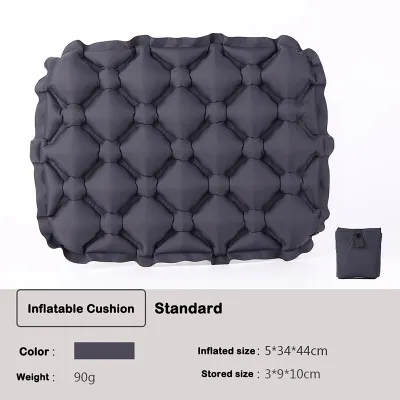
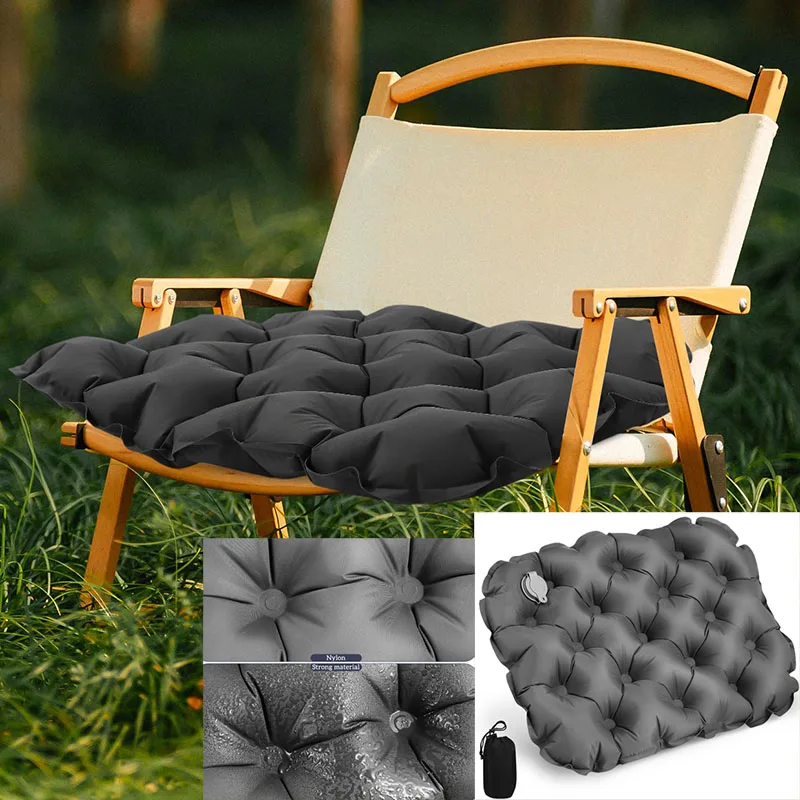
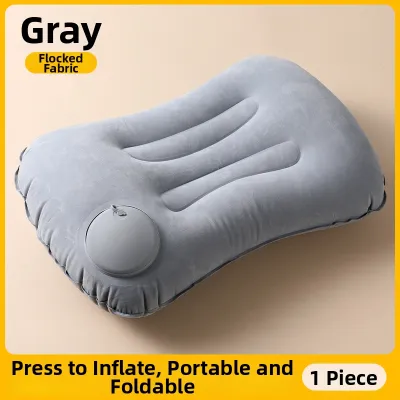
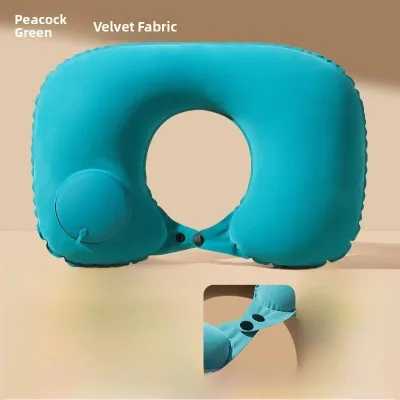
For travelers who prioritize packing light above all else, inflatable cushions offer unmatched portability and convenience. When fully deflated, these cushions fold down to the size of a small book or a pocket-sized pouch, allowing them to slip easily into a backpack side pocket or a carry-on sleeve. This ultra-lightweight profile makes them the ideal companion for backpacking trips, multi-city transit, or flights on budget carriers with restrictive personal item allowances.
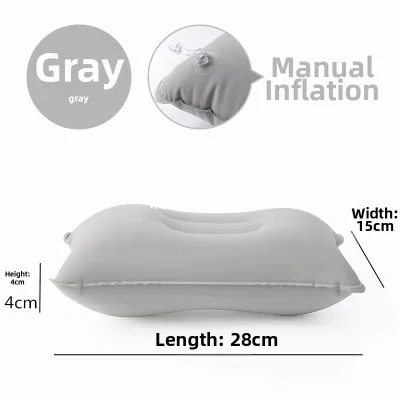
Another major advantage of inflatable cushions is the ability to customize the firmness level on the go. By adjusting the amount of air inside the cushion, you can easily transition from a firm, highly supportive seat to a softer, more forgiving cushion. However, this air-based support system lacks the dampening and contouring qualities of foam or gel. Because air shifts dynamically inside the chamber as you adjust your posture, you may experience a slightly unstable or bouncy sensation during movement.
Durability and valve reliability are the most critical factors to check when choosing an inflatable model. A single puncture from a sharp object or a leaky valve can render the cushion completely flat and unusable mid-journey. To ensure longevity, look for cushions constructed from heavy-duty thermoplastic polyurethane (TPU) rather than cheap, thin PVC. Additionally, verify that the cushion features a secure, leak-proof valve design and comes with a compact repair patch kit for quick fixes on the road.
Material Comparison: Comfort, Portability, and Support
When comparing these three materials, the right choice depends on how you prioritize support, portability, and ease of maintenance. Memory foam offers the highest level of ergonomic support and deep pressure relief, but it requires the most storage space. Gel cushions provide superior cooling and vibration dampening at the expense of added weight. Inflatable cushions deliver maximum portability and adjustable firmness, but they offer minimal contouring and are vulnerable to punctures.
Maintenance routines also vary significantly across these materials and will affect their overall lifespan. Memory foam must never be submerged in water, as moisture ruins the internal cell structure and can lead to mold growth; you must rely on unzipping and washing the removable cover while spot-cleaning the foam core. Gel cushions are highly hygienic and can often be hand-washed directly with mild soap and water. Inflatable cushions are the easiest to maintain, requiring only a quick wipe down with a damp cloth before being deflated and stored.
| Material | Support Type | Portability | Temperature Control | Best For |
|---|---|---|---|---|
| Memory Foam | Deep contouring, slow-rebound pressure relief | Moderate (bulky but compressible) | Low to Moderate (retains heat) | Long-haul flights, road trips with ample luggage space |
| Gel (TPE Grid) | Responsive, springy, vibration-dampening | Low (heavy and dense) | High (excellent airflow and cooling) | Warm climates, daily commutes, road trips |
| Inflatable | Adjustable, firm air suspension | High (folds flat, ultra-lightweight) | Moderate (neutral air barrier) | Minimalist packing, backpacking, budget flights |
Decision Framework: Match the Material to Your Travel Style
To select the perfect travel cushion, you must match the material’s strengths with your specific travel habits and physical needs. If your primary concern is preventing deep muscle fatigue and joint stiffness during a ten-hour flight, and you plan to travel with a standard carry-on or checked suitcase, memory foam is the most reliable option. It provides a substantial, supportive barrier against hard, unyielding cabin seats, ensuring you arrive at your destination without physical discomfort.
If you tend to run hot, sweat easily, or are traveling through warm, humid regions, a gel cushion with an open grid design is the superior choice. The constant airflow keeps you cool and dry, while the responsive gel columns absorb the constant vibrations of road or rail travel. This makes it highly suitable for road trips, train journeys, or daily commutes where temperature regulation is just as important as physical support.
If you are a minimalist traveler who counts every gram and packs only a single backpack, an inflatable cushion is the only practical choice. It provides a basic layer of comfort that can be adjusted to your liking, without taking up valuable space or adding unnecessary weight to your gear. It is also an excellent backup option to keep in your daypack for unexpected seating situations, such as hard airport benches or metal ferry seats.
Before finalizing your purchase, always verify the physical dimensions of your travel cushion against standard seating constraints. Most economy airline seats measure between 17 and 18 inches in width, so your cushion should be slightly narrower than this to sit flat without bunching against the armrests. Additionally, check the thickness of the cushion; a model that is too thick (exceeding 3 inches) will raise your seating position too high. This can reduce your legroom under the tray table, misalign your neck with the seat’s built-in headrest, or make it difficult to fasten your seatbelt securely.
Frequently Asked Questions (FAQ)
Can I use a travel seat cushion on any airline seat?
Yes, you can generally use a personal seat cushion on most commercial flights, but you must adhere to strict safety guidelines. Airline cabin crews typically require all personal cushions to be stowed in the overhead locker or under the seat in front of you during taxi, takeoff, and landing, as unsecured items can pose a hazard during an emergency evacuation. Additionally, cushions are generally prohibited in emergency exit rows to ensure there are no obstructions. Always check your specific airline’s cabin baggage policies before your flight, and be prepared to follow the crew’s instructions regarding when the cushion can be safely deployed.
How do I clean and maintain different travel cushion materials?
Proper maintenance is essential to keep your travel cushion hygienic and extend its lifespan. For memory foam cushions, never wash the foam core itself; instead, unzip the removable outer cover and machine-wash it on a gentle cycle, while spot-cleaning the foam core with a damp cloth only when necessary. Gel cushions made of solid TPE can be hand-washed directly in cool water with a mild detergent, then left to air dry completely away from direct heat or sunlight. Inflatable cushions should be fully deflated, wiped down with a damp cloth or mild disinfectant wipe, and allowed to dry thoroughly before being folded and stored in their travel pouch to prevent mold and mildew.

Community discussion
Share your experience or ask a question. Comments are reviewed before publication.