
Selecting the right donut cushion material is a highly personal decision that depends on your daily environment, sitting duration, and specific physical comfort requirements. Memory foam, gel, and latex each interact with body heat and weight in distinct ways, meaning a material that provides relief for one person might cause discomfort or bottom out for another. By understanding how these materials perform under pressure, you can choose a cushion that maintains its supportive shape and delivers targeted pressure relief where you need it most.
Core Differences Between Memory Foam, Gel, and Latex
Memory foam, or viscoelastic polyurethane foam, is highly regarded for its ability to contour closely to the body. When you sit on a memory foam donut cushion, your body heat softens the material, allowing it to mold precisely to your shape and distribute weight evenly across the seat. However, this heat-activated contouring means memory foam naturally retains warmth, which can lead to a hot sitting experience over extended periods. Additionally, memory foam has a slow recovery time, meaning it takes a few moments to return to its original shape once you stand up.
Gel cushions generally come in two forms: solid gel grids or gel-infused memory foam. Solid gel grids feature a column-buckling design that collapses under direct pressure points while remaining firm and supportive in surrounding areas. This structure allows for exceptional airflow, making gel one of the coolest materials to sit on. However, solid gel cushions are significantly heavier than their foam counterparts, making them less convenient to carry around, and they offer a firmer, more elastic feel rather than a deep, sinking contour.
Products mentioned in this guide
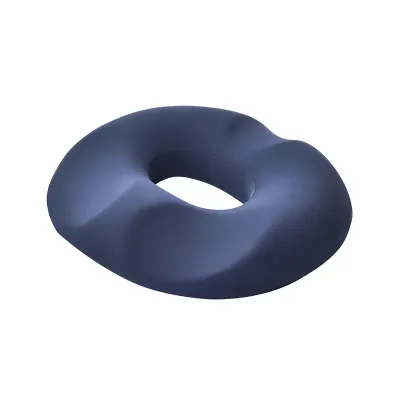
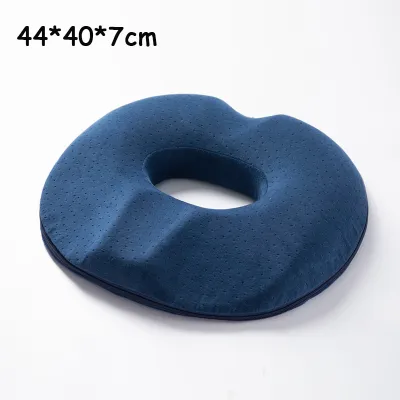
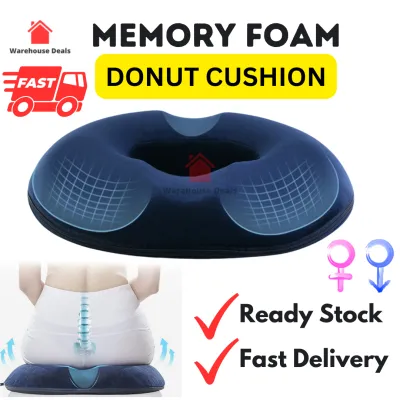
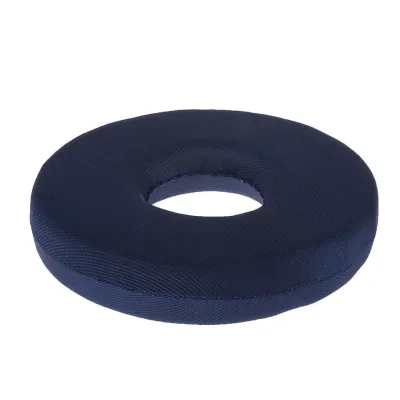
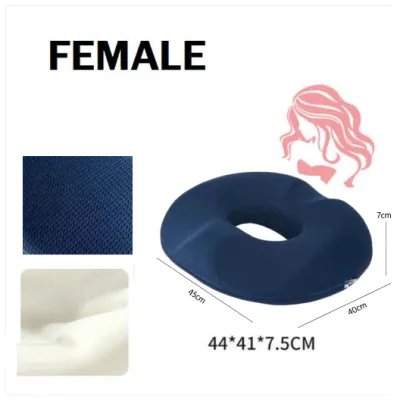
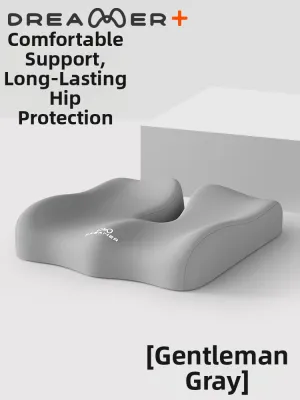
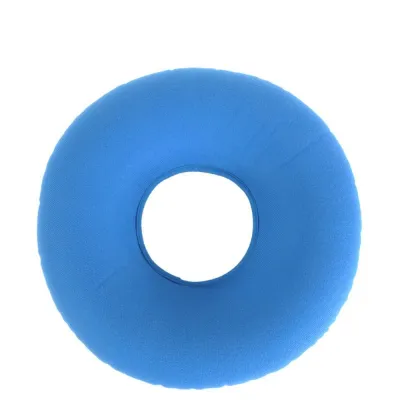
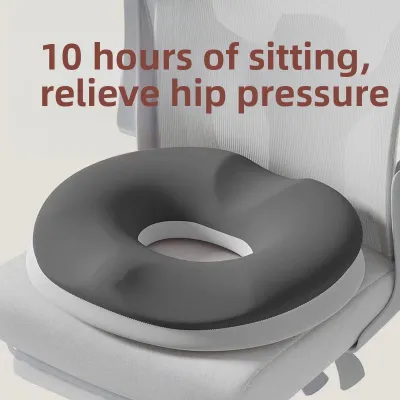
Prices are valid at publication and may change. Please refer to the product page for the latest price.
Latex cushions are made from either natural rubber sap, synthetic compounds, or a blend of both. This material is highly resilient and offers an immediate, springy bounce that resists sagging even under heavy use. Latex is naturally open-celled, which promotes continuous ventilation and prevents the heat buildup common with standard memory foam. While natural latex is highly durable and resistant to dust mites, individuals with latex allergies must exercise caution and verify the material composition before purchasing.
Matching Material to Your Specific Needs
To find the ideal cushion, you must evaluate how each material behaves in your typical daily scenarios. Different environments demand distinct balances of support, temperature control, and portability.

Office Sitting and Long-Hour Comfort
For those spending eight or more hours at a desk, a donut cushion must provide consistent pressure distribution to prevent numbness and fatigue. Memory foam is often favored for office environments because it cradles the pelvic structure and reduces pressure on the sit bones. However, because office chairs are often upholstered in synthetic fabrics that trap heat, pairing a memory foam cushion with a breathable, moisture-wicking cover is essential to maintain comfort throughout the workday.
When selecting an office cushion, it is crucial to check the manufacturer’s density specifications. Low-density foams may feel incredibly soft initially but will quickly compress flat under your weight, rendering the donut cutout useless within an hour or two. Look for high-density foam options that offer sustained support, or consider a gel-infused foam cushion that balances contouring with improved heat dissipation.
Tailbone Pain Relief and Medical Recovery
If you are managing tailbone pain, coccydynia, or recovering from a medical procedure, the primary goal of a donut cushion is to keep the sensitive area completely suspended. This requires a cushion with high structural integrity that will not bottom out under your weight. An overly soft cushion will compress completely, allowing your tailbone to make contact with the hard chair surface and potentially worsening your pain.
For targeted therapeutic support, look for cushions with clear structural ratings or those designed specifically for pressure relief. Solid gel grids are highly effective for medical recovery because the columns buckle selectively, distributing weight away from the central cutout while maintaining a firm, elevated border. When evaluating options, check if the product has been tested for load-bearing capacity to ensure the cutout maintains adequate clearance throughout your recovery period.
Travel and Portable Use
Portability is a key factor if you plan to use your donut cushion during commutes, flights, or in multiple locations. Memory foam cushions are highly compressible, allowing you to roll or pack them into travel bags, though they may take some time to regain their full shape in cold environments like airplane cabins. Lightweight polyurethane foams are also highly portable, though they may lack the durability of premium materials.
In contrast, solid gel grid cushions are heavy and floppy, making them awkward to transport without a dedicated carrying handle. If you prefer the cooling properties of gel for travel, look for travel-specific hybrid variants that combine a lightweight foam base with a thin gel top layer. Latex cushions offer a middle ground; they are highly resilient and recover their shape instantly after being compressed in luggage, but they cannot be folded as tightly as memory foam.
Key Comparison Dimensions for Donut Cushions
When comparing donut cushions, looking beyond the basic material type to specific technical dimensions will help you make an informed choice. Support and firmness are often measured by density (expressed in kilograms per cubic meter) or Indentation Load Deflection (ILD), which indicates how many pounds of pressure are required to compress the material by a certain percentage. High ILD ratings indicate a firmer cushion, which is generally preferable for heavier users or those requiring strict tailbone suspension.
Temperature regulation is another critical dimension, especially in warm climates like Singapore. Solid gel grids and open-cell latex naturally excel at heat dissipation due to their physical structures, which allow air to flow freely beneath the body. Standard memory foam tends to trap heat, but manufacturers often mitigate this by adding ventilation holes, using gel infusions, or wrapping the core in specialized cooling fabrics like mesh or bamboo-derived covers.
Durability and lifespan vary significantly across materials. Natural latex is exceptionally durable, often retaining its shape and elasticity for several years without sagging. High-density memory foam also offers excellent longevity, whereas low-density, budget-friendly foams tend to degrade and lose their supportive properties within a few months of daily use. Checking the manufacturer’s warranty coverage can provide a helpful indicator of the cushion’s expected lifespan.
| Dimension | Memory Foam | Gel (Solid Grid) | Latex |
|---|---|---|---|
| Firmness & Support | Medium to firm; heat-softened contouring | Firm; selective column buckling | Medium-firm; resilient bounce |
| Temperature Control | Tends to retain heat unless ventilated | Excellent airflow and cooling | High breathability via open cells |
| Durability | High (in high-density variants) | Very high; resists permanent deformation | Exceptional; long-lasting elasticity |
| Portability | Highly compressible and lightweight | Heavy; less convenient for travel | Moderately compressible; medium weight |
How to Verify Quality and Fit Before Buying
Before purchasing a donut cushion, you must verify that its physical dimensions match both your body and your intended seating surfaces. Measure the width and depth of your office chair, car seat, or dining chair to ensure the cushion will sit flat without overhanging the edges. An overhanging cushion can tilt or slide, compromising your posture and reducing the effectiveness of the central cutout. Additionally, check the manufacturer’s maximum weight limit, as exceeding this limit will cause the cushion to bottom out.
Hygiene and maintenance are equally important, especially for a product used daily. Check the care labels to verify if the cushion features a removable, machine-washable cover. The inner cores of memory foam, gel, and latex cushions require different care; most cannot be submerged in water or machine-washed without destroying their structural integrity. Ensure the cover is easy to remove and wash to maintain a clean seating environment.
Finally, review the retailer’s return policies and trial periods carefully. Because comfort is highly subjective, you may need to sit on a cushion for several days to determine if it provides the necessary relief. Be aware that many retailers classify seat cushions as personal hygiene items, which may restrict returns once the packaging has been opened. Look for brands that offer clear satisfaction guarantees or trial periods that allow for returns of gently used products.
Frequently Asked Questions (FAQ)
Can I use a donut cushion on any type of chair?
Yes, but you must ensure the chair’s surface is compatible with the cushion’s design. Avoid using donut cushions on highly contoured, sloped, or overly soft seats, as these can cause the cushion to tilt and misalign your spine. Always check the base of the cushion for non-slip features, such as rubberized dots or straps, to prevent it from sliding around during use. Ensure the cushion fits entirely within the seat boundaries without hanging over the edges.
How do I clean and maintain my donut cushion?
To clean your donut cushion, always start by removing the outer cover and washing it according to the manufacturer’s instructions, typically on a gentle machine cycle. Never submerge or machine-wash the inner core of a memory foam, gel, or latex cushion, as water can trap inside the cells and cause the material to degrade or mold. If the inner core becomes soiled, gently spot-clean the area with a damp cloth and mild soap, then allow it to air dry completely in a well-ventilated area away from direct sunlight.

Community discussion
Share your experience or ask a question. Comments are reviewed before publication.