
Finding the right orthopedic seat cushion is not about identifying a single “best” material, but rather matching the physical properties of memory foam, gel, or latex to your specific posture, sitting habits, and local climate. In warm, humid environments like Singapore, factors like heat retention and breathability become just as critical as pressure relief. While memory foam excels at deep, customized contouring, gel offers superior heat dissipation and structural firmness, and latex provides a responsive, buoyant lift. Understanding how these materials interact with your body weight and daily seating setup is the key to selecting a cushion that truly supports your spine and tailbone over long hours.
How Memory Foam, Gel, and Latex Support Your Posture
To understand how an orthopedic seat cushion can improve your sitting posture, it is essential to look at how different materials react to the downward force of your body weight. When you sit, your pelvis and tailbone bear the brunt of your upper body’s mass. Without proper support, this pressure can cause you to slouch, tilting your pelvis backward and flattening the natural curve of your lower spine.
Memory foam, or viscoelastic polyurethane foam, is highly sensitive to both pressure and temperature. When you sit on a memory foam cushion, your body heat softens the material, allowing it to contour precisely to the shape of your thighs and buttocks. This slow-recovery contouring distributes your weight evenly across the surface, cradling your pelvic structure and reducing localized pressure on your sit bones. However, because memory foam conforms so closely, it creates a “sinking” sensation that can make it slightly harder to shift positions.
Products mentioned in this guide
![[SG INSTOCK] Seat Cushion Memory Foam Orthopedic Pressure Relief Car Home Soft Office Chair Pad Wheelchair for Tailbone Sciatica Back Pain Relief](https://img.lazcdn.com/g/p/005adf43d933a7c5edf0e3585d56492d.jpg_400x400q80.jpg_.webp)
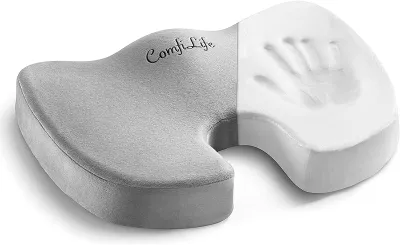
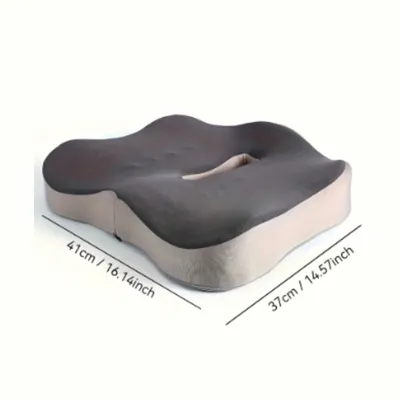
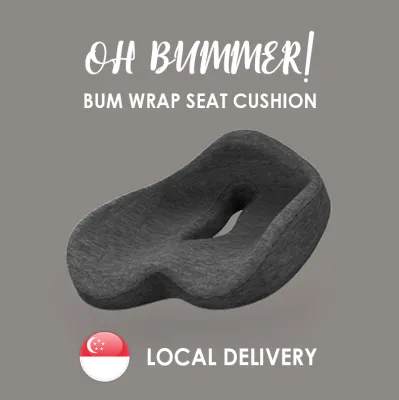
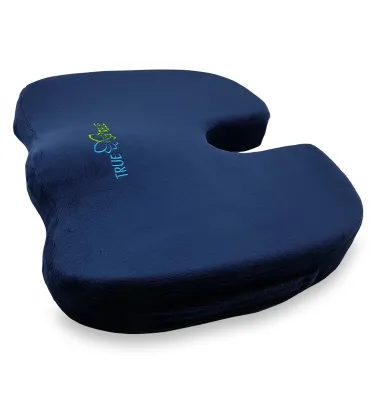
Prices are valid at publication and may change. Please refer to the product page for the latest price.
Gel cushions, particularly those featuring a molded elastomeric grid, support your posture through a process known as column buckling. Under lighter loads, the walls of the gel grid remain upright and firm, but under heavier pressure points—such as your sit bones—the columns buckle and fold. This unique mechanical response allows the cushion to relieve pressure at high-load areas while maintaining firm, flat support across the rest of your thighs and hips. This keeps your pelvis level and prevents the slouching that often occurs on overly soft surfaces.
Latex, derived from the sap of rubber trees or produced synthetically, offers a highly responsive, buoyant support system. Unlike memory foam, which conforms slowly and holds its shape, latex immediately pushes back against applied weight. This natural elasticity provides an active lift, keeping your body positioned on top of the cushion rather than letting you sink into it. For individuals who frequently shift positions or need to stand up regularly, this springy, supportive feedback helps maintain a neutral pelvic alignment with minimal physical effort.
Pressure Relief, Cooling, and Durability Compared
Evaluating these three materials across daily sitting conditions reveals distinct trade-offs in pressure distribution, thermal comfort, and long-term durability.

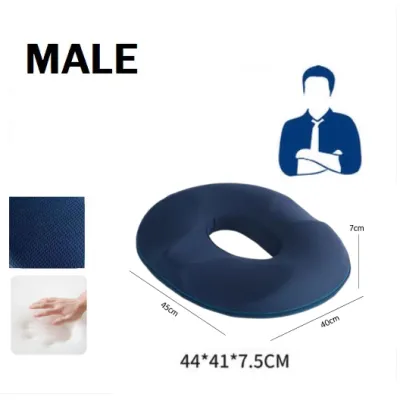
Pressure distribution is the primary function of any orthopedic seat cushion. Memory foam excels at deep pressure relief because it molds to your exact shape, making it highly effective for offloading pressure from the tailbone, especially when the cushion features a specialized U-shaped coccyx cutout. Gel grids, while highly effective at preventing localized hot spots, do not contour as closely to the body, which some users may find less comfortable if they prefer a plush, cradled feel. Latex provides excellent overall pressure distribution by spreading weight across its elastic surface, though it tends to feel firmer and more uniform than memory foam.
Temperature regulation is a critical factor, particularly in tropical climates where high humidity can make sitting on synthetic materials uncomfortable. Solid memory foam is notorious for trapping body heat because its dense, closed-cell structure restricts airflow. Over hours of sitting, this heat retention can lead to sweating and discomfort. Gel-infused memory foams offer a slight improvement, but solid gel grid structures are the clear leaders in cooling. The open channels of a gel grid allow air to circulate freely beneath you, preventing heat buildup entirely. Latex also performs exceptionally well in this category; its natural open-cell structure is typically manufactured with ventilation pinholes, allowing for continuous breathability and heat dissipation.
Shape retention and durability determine whether your cushion remains supportive over time or quickly becomes a flat piece of useless material. High-quality latex is the most durable of the three, resisting sagging and maintaining its elastic bounce for years under daily load. Gel grids are also highly resilient, resisting permanent deformation even after prolonged compression, though they must be protected from sharp objects that could tear the elastomeric walls. Memory foam is the most vulnerable to degradation; lower-density foams can permanently soften or “bottom out” within a few months of continuous use, especially when subjected to heavy daily weight.
Which Material Fits Your Specific Sitting Needs?
Choosing the right orthopedic seat cushion requires a realistic assessment of your daily routine, physical comfort preferences, and the environment in which you sit.
Choose Memory Foam if you prioritize deep contouring, customized pressure relief, and a softer initial feel. This material is highly suitable for individuals who experience sharp, localized pain in the tailbone or sit bones and prefer a cushion that molds closely to their shape. It works best in air-conditioned offices or cooler environments where heat retention is less of an issue. If you are investing S$40 to S$80 in a quality cushion for a climate-controlled workspace, memory foam remains a highly reliable choice for targeted pressure relief.
Choose Gel if you tend to overheat during long sitting sessions, require firmer weight distribution, or prefer a structured grid that prevents sinking. It is highly suitable for hot, humid climates and for users who sit for extended periods on hard chairs, such as office workers or drivers who need continuous airflow. The firm, flat support of a gel grid is also beneficial for those who want to maintain a highly stable, upright posture without feeling restricted by a deep foam contour.
Choose Latex if you prefer a responsive bounce, need long-lasting shape retention, or want a naturally breathable material. It is excellent for those who dislike the “sinking” feeling of memory foam and want to shift positions easily. It is also a great choice for eco-conscious buyers looking for natural, durable materials.
Neither may fit if your primary issue requires a custom-molded medical device, specialized wheelchair seating, or if you have specific material allergies (such as a latex allergy) not addressed by standard protective covers. In these cases, consulting a healthcare professional or occupational therapist is essential to obtain a certified medical-grade solution.
Essential Specifications to Verify Before Buying
When shopping on online marketplaces or at local home decor stores, relying solely on the material name is rarely enough to guarantee orthopedic performance. You must verify several physical specifications to ensure the cushion will actually support your weight.
First, check the density and thickness of the cushion. For memory foam, look for high-density ratings, as low-density foam will compress completely under your weight, causing you to “bottom out” against the hard chair. A supportive orthopedic cushion should have a minimum thickness of 5 to 8 centimeters to ensure there is enough material to absorb pressure before your pelvis reaches the chair surface.
Second, examine the cover materials. The cover is the only barrier between your body and the cushion core. A dense, non-breathable cover can completely negate the cooling benefits of a gel grid or open-cell latex. Look for covers made from breathable 3D mesh, cotton, or bamboo-derived fabrics that promote airflow. Additionally, ensure the cover is removable and machine-washable so you can maintain hygiene over months of daily use.
Finally, verify base stability and weight limits. An orthopedic cushion must remain securely in place to keep your posture aligned. Look for a non-slip bottom textured with silicone or rubberized dots to prevent the cushion from sliding on smooth office chairs or car seats. Always check the manufacturer’s stated weight capacity; using a cushion designed for a lower weight range will lead to premature flattening and inadequate support.
Frequently Asked Questions (FAQ)
Can I use a pure gel cushion without a foam base?
Yes, pure gel cushions with a grid design can be used directly on hard surfaces, but their effectiveness depends on the thickness of the gel. A thin gel grid may bottom out under heavy pressure, transferring the hardness of the chair directly to your sit bones. For optimal support, many users prefer a hybrid design that pairs a gel top layer with a supportive high-density foam base, which ensures both immediate pressure relief and deep structural support. Always check the manufacturer’s design intent to see if a standalone gel cushion is rated for your specific seating surface.
How do I clean and maintain these cushion materials?
Maintenance depends strictly on the material. Memory foam and latex should never be submerged in water or put in a washing machine, as moisture degrades their cellular structure and can lead to mold; instead, spot-clean them gently with a damp cloth and mild detergent. Keep foam and latex out of direct sunlight and high heat, which cause them to crumble and discolor. Gel cushions, however, can often be hand-washed with mild soap and cool water, then air-dried. Always refer to the product’s care label before applying any liquids.
Do orthopedic cushions replace medical treatment for back pain?
No, commercial orthopedic seat cushions are supportive comfort tools designed to improve posture and relieve pressure during sitting; they are not certified medical devices. While they can alleviate temporary discomfort from prolonged sitting, they do not cure underlying spinal conditions, sciatica, or chronic herniated discs. If you experience persistent pain, numbness, tingling, or severe discomfort, you should consult a qualified healthcare professional for a comprehensive diagnosis and targeted treatment plan.

Community discussion
Share your experience or ask a question. Comments are reviewed before publication.