
Finding the perfect seat cushion chair accessory is not a one-size-fits-all decision. The ideal material for long sitting hours depends entirely on your individual body weight, heat sensitivity, and personal support preferences. While marketing campaigns often claim a single material is universally superior, the reality is that memory foam, gel, and latex each interact with your body in fundamentally different ways.
Selecting the wrong cushion can lead to increased discomfort, poor posture, and unnecessary physical fatigue during extended work or study sessions. To make an informed choice, you must look beyond basic product descriptions and evaluate how these materials perform under continuous pressure. Understanding the physical properties of each option allows you to match your specific seating environment and physical needs to the right support profile.
How Memory Foam, Gel, and Latex Actually Feel
Memory foam is renowned for its slow-rebounding, deep-contouring sensation. When you sit on a memory foam cushion, the material responds to both your body weight and your body heat, gradually softening and molding to your exact shape. This creates a cradling effect that distributes your weight across a larger surface area, making you feel as though you are sitting “into” the cushion rather than on top of it.
Products mentioned in this guide
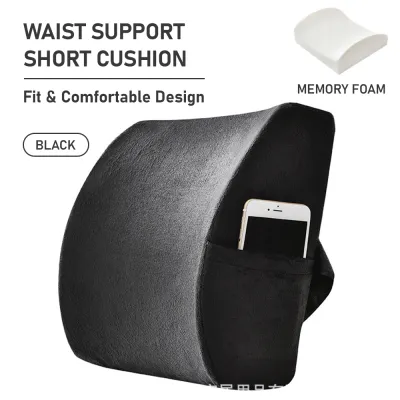
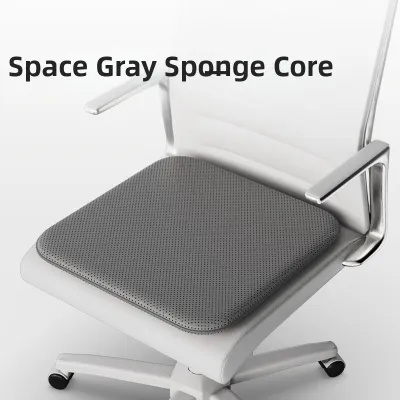
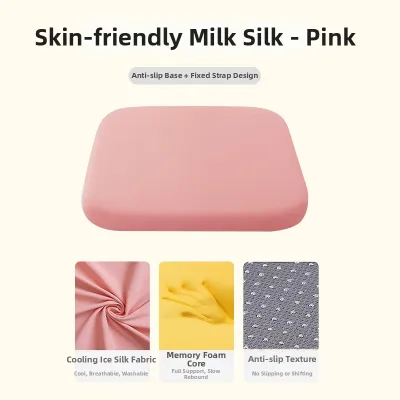
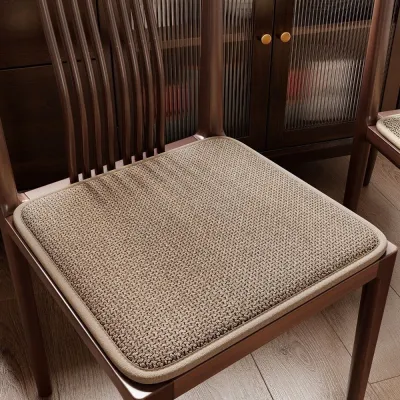
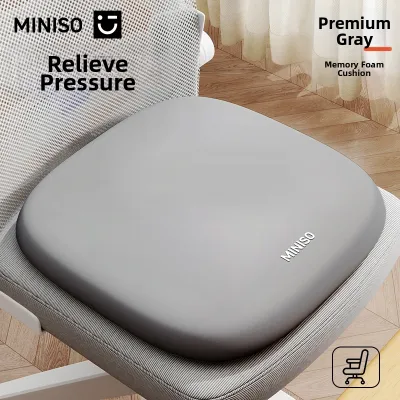
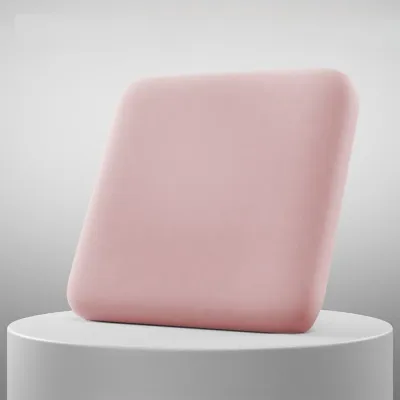
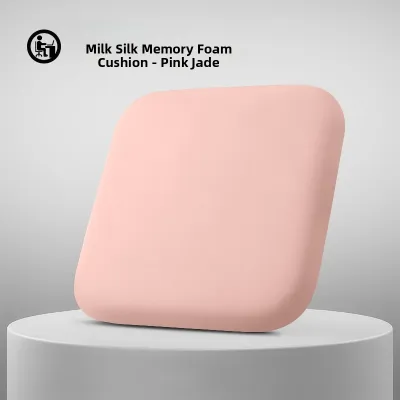
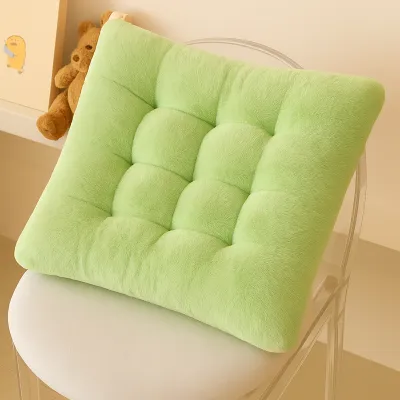
Prices are valid at publication and may change. Please refer to the product page for the latest price.
In contrast, gel cushions offer a distinctively different tactile experience, often characterized by an initial firmness and a cool-to-the-touch surface. Solid gel or open gel grid designs do not rely on body heat to conform to your shape; instead, they buckle and shift under direct pressure to distribute weight. This creates a highly stable, slightly springy sensation that keeps you positioned firmly on top of the seat without the deep sinking associated with foam.
Latex cushions provide a highly responsive, buoyant bounce that actively pushes back against your body weight. This material is highly elastic and recovers its shape instantly when you shift your position. Sitting on latex feels supportive and airy, offering a lifting sensation that prevents you from feeling “stuck” in a single posture throughout the day.
Key Comparison Dimensions for Prolonged Sitting
To determine which material will serve you best over months and years of daily use, it is essential to compare them across three critical performance dimensions: support, temperature regulation, and long-term durability.

Support and Pressure Relief
Your body weight plays a decisive role in how a seat cushion performs. High-density memory foam requires a certain amount of weight and warmth to compress effectively; lighter users may find that high-density options feel excessively hard and fail to provide the intended pressure relief. Conversely, heavier users risk bottoming out low-density foam cushions, pressing straight through the material onto the hard chair surface beneath.
Contoured memory foam excels at pressure mapping, as it shapes itself to the precise curves of your thighs and glutes to eliminate localized pressure points on the tailbone. Latex, on the other hand, offers a more uniform, even weight distribution that does not rely on heat-induced sinking. This makes latex highly effective for users who shift positions frequently and require consistent, active support across the entire seating surface.
When shopping for a cushion, it is highly recommended to check the manufacturer’s density specifications rather than relying solely on the physical thickness of the product. A thin, high-density cushion will often provide far better support and pressure relief than a thick, low-density alternative that collapses under minimal weight. Look for density ratings expressed in kilograms per cubic meter or pounds per cubic foot to make an accurate comparison.
Temperature Regulation and Breathability
Heat retention is one of the most common complaints among users who sit for more than four hours at a time. Traditional memory foam has a dense, closed-cell structure that naturally traps body heat, which can lead to a warm, humid seating experience over time. While some manufacturers infuse memory foam with gel or create ventilation holes, the core material still tends to retain more warmth than its competitors.
Gel cushions, particularly those featuring an open-cell grid design, are specifically engineered to address heat buildup. The physical space within a gel grid allows air to circulate freely, while the gel material itself acts as a heat sink, drawing warmth away from your body. This makes gel an excellent choice for warm climates or offices where temperature control is a constant challenge.
Latex naturally excels in breathability due to its open-cell molecular structure and the manufacturing process, which typically includes pincore ventilation holes. This design allows air to flow continuously through the cushion with every movement you make. Because latex does not rely on body heat to soften, it maintains its supportive properties without warming up, ensuring a cool and dry seating surface.
It is important to remember that the cushion’s outer cover material plays a critical role in overall temperature regulation, regardless of the core material inside. Even the most breathable latex or gel core will feel hot if it is wrapped in a thick, non-breathable synthetic polyester cover. Look for covers made from breathable fabrics such as mesh, bamboo-derived rayon, or cotton to maximize the airflow of your chosen cushion.
Durability and Long-Term Shape Retention
The lifespan of a seat cushion is directly tied to its material composition and density. Natural latex is exceptionally durable, resisting sagging and permanent deformation even after years of daily use. High-density memory foam also offers excellent fatigue resistance, though it may gradually soften over several years of continuous exposure to body heat and pressure.
Lower-density polyurethane foams and cheap synthetic alternatives tend to degrade rapidly, often losing their supportive qualities within a few months of use. Gel grid cushions are highly resilient and maintain their structural integrity over time, as the polymer columns are designed to buckle and rebound without experiencing material fatigue. Unlike foam, a high-quality gel grid will not develop permanent body impressions.
You can perform simple, observable checks to assess the wear and tear of your cushion over time. A reliable test is to observe how quickly the cushion rebounds to its original shape after a few hours of non-use. If you notice visible indentations that persist long after you have stood up, or if the material feels significantly softer in the center than at the edges, the cushion’s structural support has compromised and it may be time for a replacement.
Matching the Cushion to Your Specific Needs
Selecting the right material requires balancing your physical characteristics, work habits, and comfort preferences. Use the following guidelines to determine which cushion aligns best with your daily routine.
Choose Memory Foam if: You prefer a deep, cradling sensation that conforms closely to your body. This material is ideal if you require targeted pressure relief for specific areas, such as the tailbone or sit bones, and do not mind a warmer seating experience. It is particularly suited for individuals who maintain a relatively static sitting posture throughout the day and appreciate a highly customized fit.
Choose Gel if: You frequently experience overheating or sweating during long sitting sessions. Gel is also the preferred option if you favor a slightly firmer, more stable initial feel that keeps you positioned on top of the chair. Additionally, gel is excellent if you are looking for a hybrid design that pairs a cooling gel surface layer with a supportive foam base to get the benefits of both materials.
Choose Latex if: You want a highly responsive, bouncy feel that allows you to shift positions effortlessly without feeling stuck. Latex is the ideal choice if you prioritize natural, eco-friendly materials and require exceptional durability with long-lasting shape retention. It is highly suited for users who want consistent, active support that does not change in response to room temperature or body heat.
Verify first if: You have specific medical conditions, such as chronic lower back pain, sciatica, or post-surgical recovery needs. In these cases, it is crucial to consult a qualified healthcare professional or doctor before making a purchase. A medical professional can recommend specific ergonomic cutouts, such as a U-shaped coccyx relief channel, or advise on the exact level of material firmness required for your condition.
What to Check Before Buying a Seat Cushion
Before finalizing your purchase, you must ensure the cushion is physically compatible with your existing chair and workspace setup. Adding a cushion alters your seating geometry, which can have unintended consequences for your overall posture.
First, measure your chair’s seat width and depth carefully. The cushion should sit flat on the chair pan without overhanging the edges or bunching up against the backrest. An oversized cushion can slide around and create an unstable surface, while an undersized cushion may fail to support your thighs properly, leading to localized pressure points.
Next, consider how the added height of the cushion will affect your overall ergonomic alignment. A thick cushion will raise your hips, which changes the relative height of your armrests, desk surface, and computer monitor. You may need to adjust your chair’s height or raise your monitor to prevent shoulder strain and neck tension caused by reaching upward to type.
Verify that the cushion features a high-quality, non-slip rubberized base on the underside of the cover. This prevents the cushion from sliding forward or shifting when you lean, stand up, or sit down. A sliding cushion forces you to constantly adjust your position, which disrupts your focus and can lead to poor posture over the course of the day.
Finally, ensure the outer cover is fully removable and machine-washable. Because seat cushions are subjected to daily wear, sweat, and occasional spills, maintaining hygiene is essential for long-term use. A durable zippered cover that can be easily washed helps keep your workspace clean and extends the overall freshness of the cushion core.
Frequently Asked Questions (FAQ)
Can I combine gel and memory foam in one cushion?
Yes, many modern seat cushions utilize hybrid designs that combine the unique benefits of both materials. These cushions typically feature a solid or contoured memory foam base to provide deep, structural support, topped with a layer of cooling gel or a gel-infused foam layer. This configuration aims to deliver the pressure-relieving comfort of memory foam while mitigating its natural tendency to retain heat.
When evaluating a hybrid cushion, it is important to check the thickness ratio of each material layer. If the cooling gel layer is too thin, it may offer minimal temperature relief, while a memory foam base that is too thin may bottom out under your weight. Ensure the primary material matches the specific benefit you prioritize most for your daily sitting routine.
How do I clean and maintain these materials?
As a general rule, memory foam and latex cushion cores should never be submerged in water or placed in a washing machine. Excess moisture can trap water inside the open-cell structures, leading to mold growth and the rapid breakdown of the material’s physical properties. Instead, spot clean the core using a damp cloth with a mild detergent, and allow it to air dry completely before putting the cover back on.
Always refer to the manufacturer’s care label for specific instructions regarding the removable outer cover, which can typically be machine-washed on a gentle cycle. To maintain the integrity of the cushion core, air it out regularly in a well-ventilated room. Avoid exposing memory foam or latex to direct sunlight, as ultraviolet rays can degrade the polymer chains, causing the materials to become brittle and crumble over time.

Community discussion
Share your experience or ask a question. Comments are reviewed before publication.