
Choosing the right sitting pad depends entirely on your body weight, sitting habits, and local climate, as no single material is universally superior. Memory foam, gel, and latex each interact with body heat and pressure in distinct ways. Understanding these physical behaviors is the key to finding a cushion that prevents discomfort during long hours at a desk or in a vehicle. A well-chosen cushion can transform an uncomfortable chair into an ergonomic seat, but a poor match can lead to increased discomfort or poor posture.
Understanding How Memory Foam, Gel, and Latex Behave
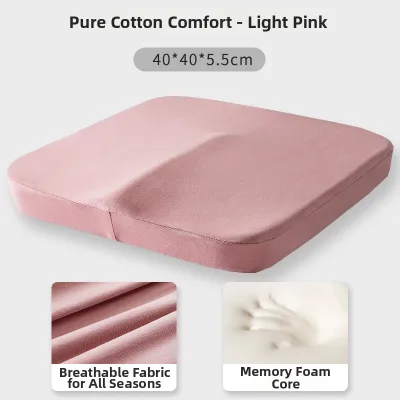
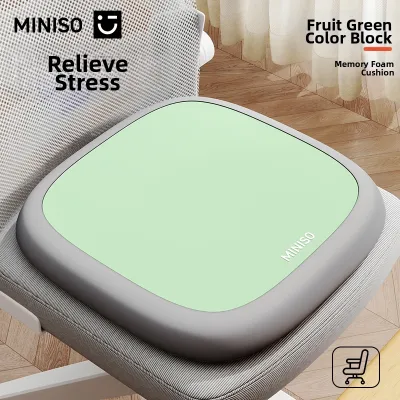
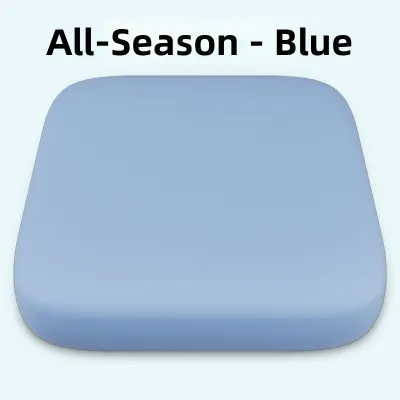
Memory foam, chemically known as viscoelastic polyurethane foam, is highly regarded for its ability to contour closely to the body. When you sit on a memory foam pad, your body heat softens the material, allowing it to mold to your unique shape. This custom contouring distributes your body weight across a larger surface area, which helps minimize high-pressure points on your hips and tailbone. However, this close fit also means that memory foam tends to trap heat. Because the material relies on density to provide support, cushions with higher density offer more structural integrity but can feel exceptionally firm when cold, while lower-density options soften quickly but may compress too easily.
Gel sitting pads behave quite differently, utilizing synthetic polymers molded into specific structural patterns, most commonly a honeycomb or open-grid design. Instead of contouring to your body through heat absorption, gel pads rely on column buckling. Under a concentrated load, the walls of the gel grid buckle to distribute weight outward, providing a firm yet supportive surface. This open-grid structure allows air to flow freely through the cushion, preventing heat from building up. While the gel material itself will eventually warm up to match your body temperature, the continuous airflow through the open channels keeps the seating surface significantly cooler than solid foam.
Products mentioned in this guide
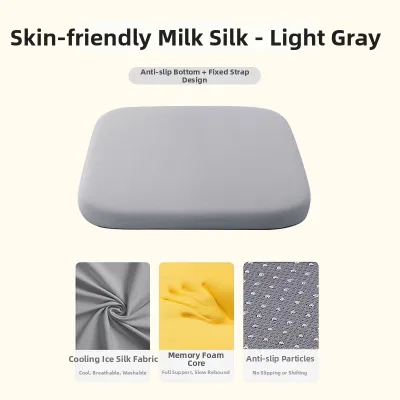
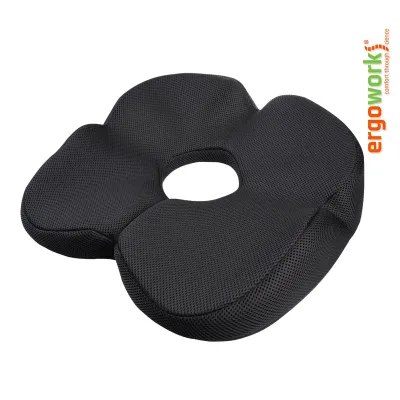
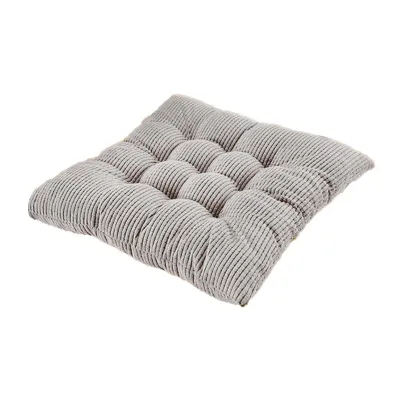
Prices are valid at publication and may change. Please refer to the product page for the latest price.
Latex cushions, made from the sap of rubber trees or synthetic rubber alternatives, are characterized by their natural resilience and responsive bounce. Unlike memory foam, which slowly conforms to pressure, latex pushes back immediately when compressed. This creates a buoyant sensation, keeping you positioned on top of the cushion rather than sinking deep into it. Latex features an open-cell structure that naturally facilitates ventilation, making it highly breathable without requiring a complex grid design. It maintains a consistent level of firmness regardless of ambient temperature, offering a reliable balance of support and flexibility for those who dislike the sinking feeling of foam.
Matching Support and Comfort to Your Body and Posture
Your body weight is a primary factor in how a sitting pad performs, as different materials handle compression in distinct ways. Heavier individuals often find that standard memory foam compresses completely under their weight, a phenomenon known as bottoming out. When a cushion bottoms out, the supportive benefit is lost, and you end up sitting directly on the hard surface of the chair. To prevent this, heavier users should look for high-density latex or robust gel grid cushions, which offer greater resistance and maintain their structural integrity under heavier loads. Lighter individuals, on the other hand, may not generate enough heat or pressure to soften high-density memory foam, making it feel uncomfortably hard.

Evaluating pressure relief requires looking at how each material responds to specific pressure points, such as the tailbone (coccyx) or the ischial tuberosities (sit bones). If you experience localized discomfort, a memory foam cushion with an ergonomic U-shaped or wedge cutout can be highly effective. The cutout allows your tailbone to hover without touching the seat, while the surrounding foam cradles your hips to distribute the remaining weight. For general hip fatigue, a gel grid cushion provides excellent uniform pressure distribution by buckling under the heaviest parts of your body. Latex offers a more active form of support, keeping your pelvis in a neutral, upright alignment and preventing the slouching that often leads to lower back strain.
Before making a purchase, it is essential to check the manufacturer’s specifications for weight limits and intended posture correction. Many ergonomic sitting pads are designed with specific weight thresholds in mind to ensure the material behaves as intended. Additionally, consider the dimensions of your chair; a cushion that is too small will slide around, while one that is too large will bunch up and create uneven pressure. Checking these specifications on the product label or manufacturer’s website ensures that the cushion will function correctly within your specific seating setup.
Evaluating Durability, Climate Suitability, and Care
Evaluating the lifespan of a sitting pad involves looking for physical and tactile signs of material degradation. Over time, memory foam can suffer from permanent deformation, where the foam fails to recover its original shape after use, leaving a permanent dip that offers no support. Gel cushions are highly durable but can degrade if the polymer grid begins to tear or if the material becomes sticky due to exposure to high temperatures. Latex is exceptionally long-lasting, but low-quality or synthetic latex can dry out over time, leading to crumbling or a loss of its characteristic bounce. Regularly pressing your hand into the cushion to check how quickly it rebounds is a simple way to monitor its condition.
Climate suitability is particularly important in tropical environments like Singapore, where high humidity and ambient temperatures affect how materials behave. Memory foam is highly temperature-sensitive; in an air-conditioned office, it may feel stiff and unyielding at first, whereas in a naturally ventilated room, the warm air can make it feel overly soft and unsupportive. Gel cushions perform consistently across different temperatures, and their open-grid design makes them highly suitable for warm climates where heat dissipation is a priority. Latex also maintains its physical properties regardless of the weather, offering a reliable, breathable option that does not trap moisture or heat.
Cleaning and maintenance requirements vary significantly across these three materials, and failing to follow care labels can ruin a cushion. Most sitting pads come with a removable, machine-washable cover, which should be cleaned regularly to maintain hygiene. However, the inner cores require careful handling. Memory foam and latex must never be submerged in water or placed in a washing machine, as moisture breaks down their cellular structures and can lead to mold growth. Furthermore, latex is highly sensitive to ultraviolet (UV) light; exposing a latex core to direct sunlight to dry or deodorize it will cause the material to oxidize, dry out, and crumble. Gel pads can sometimes be hand-washed with mild soap, but they are heavy and must be dried completely in a shaded area before use.
Making Your Final Decision: A Condition-Based Guide
To choose the right sitting pad, match the material characteristics to your specific daily routine, physical needs, and seating environment:
- Choose Memory Foam if you prefer a deeply cushioned, cradled sensation, require targeted pressure relief for tailbone discomfort, and primarily sit in air-conditioned spaces where heat retention is not a major concern.
- Choose Gel if you sit for extended periods in warm or humid environments, prefer a firmer and highly ventilated seat, and need a heavy-duty cushion that will not bottom out under heavier weight.
- Choose Latex if you want a responsive, bouncy support that allows you to shift positions easily, prefer natural and breathable materials, and want a highly durable cushion that maintains consistent firmness.
Before finalizing your decision, verify the physical dimensions of your chair and compare them to the cushion’s specifications. A cushion that is too thick can raise your seating height, altering your ergonomic alignment with your desk and computer monitor, or causing your feet to dangle. Ensure that the cushion features a non-slip bottom surface to keep it securely in place, especially if you plan to use it on a smooth leather office chair or a car seat.
Frequently Asked Questions (FAQ)
Can I combine gel and memory foam in a single sitting pad?
Yes, many manufacturers offer hybrid sitting pads that feature a layer of gel or gel-infused foam on top of a high-density memory foam base. This design attempts to combine the deep contouring support of memory foam with the initial cooling sensation of gel. When evaluating a hybrid cushion, check the thickness of the gel layer; a very thin layer may offer minimal cooling benefits, while a substantial gel-grid topper integrated into the foam can provide a balanced, supportive feel.
How do I know if my sitting pad has lost its supportive properties?
You can determine if your sitting pad needs replacement by performing a simple hand-press test. Press your hand firmly into the center of the cushion and release it; a supportive memory foam or latex cushion should rebound to its original shape within a few seconds. If the cushion remains permanently depressed, feels excessively soft, or if you can feel the hard chair surface beneath you while sitting, the material has degraded and no longer provides adequate support. For gel cushions, inspect the grid walls for visible tears, sagging, or a sticky texture, which indicate that the polymer has broken down.

Community discussion
Share your experience or ask a question. Comments are reviewed before publication.