
When spending long hours sitting at an office desk or in a gaming chair, choosing the right seat cushion material is critical for maintaining comfort and preventing physical fatigue. The decision between memory foam and latex cushions primarily comes down to how you prefer your body weight to be supported and how your local environment affects your comfort. Memory foam excels at pressure relief by contouring closely to your unique shape using body heat, making it ideal for those who want a cradled, pressure-minimizing feel. On the other hand, latex offers a highly responsive, buoyant support that actively pushes back against your weight, preventing you from sinking too deeply while promoting natural airflow. Neither material is universally superior; instead, the right choice depends on your personal posture needs, temperature preferences, and the specific chair you use daily.
Understanding the Core Differences in Support and Feel
To make an informed decision, it is essential to understand how these two materials behave under pressure. Memory foam, or viscoelastic polyurethane foam, is highly sensitive to temperature and weight. When you sit on a memory foam cushion, it gradually softens in response to your body heat, allowing you to sink into the material. This slow-rebound characteristic means the cushion molds precisely to the contours of your thighs and pelvis, distributing your body weight evenly across the surface and reducing localized pressure points.
In contrast, latex is an elastic material derived either from natural rubber sap or synthetic polymers. Unlike memory foam, latex does not rely on body heat to conform to your shape. It responds instantly to pressure with an active upward pushback, creating a buoyant sensation that makes you feel as though you are floating on top of the cushion rather than sinking into it. This immediate recovery and high resilience make it much easier to shift positions or adjust your posture throughout the day without feeling stuck in a deep impression.
Products mentioned in this guide
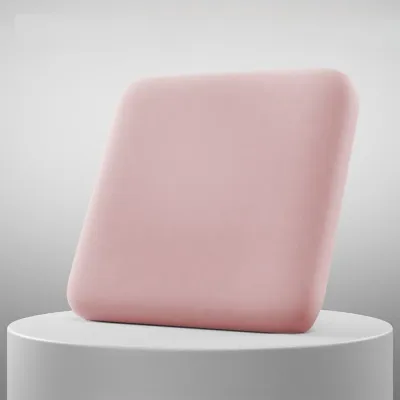
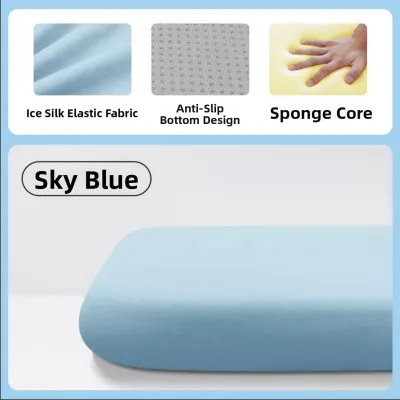
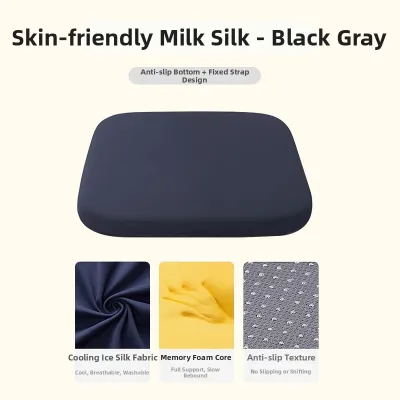
![[Sweet Home] 2pcs Seat Cushion Soft Chair Pad for Home Office Sofa Bar Floor Pillow](https://img.lazcdn.com/g/p/5806d6ec418101a3108f1aef3495d6d2.jpg_400x400q80.jpg_.webp)
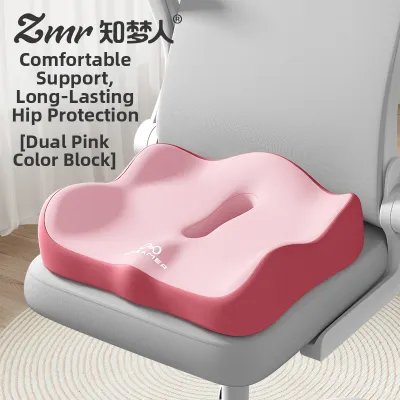
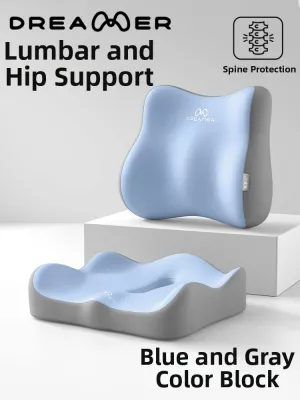
Prices are valid at publication and may change. Please refer to the product page for the latest price.
A common pitfall when selecting a seat cushion is confusing initial softness with long-term structural support. A cushion that feels incredibly soft and plush during the first few minutes of sitting may fail to support your pelvis and lower spine over an eight-hour workday. Proper structural support requires a material that maintains the natural curvature of your spine and keeps your pelvis in a neutral position. While memory foam supports by cradling and stabilizing your posture, latex supports by actively resisting compression, meaning your choice should align with whether you prefer a contouring hug or a springy, elevated platform.
Comparing Key Dimensions for Extended Sitting
When evaluating cushions for extended sitting sessions, several physical and environmental factors come into play, starting with pressure distribution. Memory foam is widely recognized for its exceptional ability to alleviate pressure on the tailbone (coccyx) and sciatic nerve. By conforming to your exact shape, it eliminates the hard pressure spots that typically form when sitting on a firm chair surface. Latex also distributes pressure effectively, but because it pushes back, it may not offer the same level of deep, localized pressure relief for individuals who are highly sensitive to firm contact points.

Heat dissipation is another critical factor, particularly in warm and humid climates like Singapore, or in rooms without continuous air conditioning. Memory foam is inherently dense and tends to trap body heat, which can cause the cushion to become uncomfortably warm during long gaming or working sessions. While some memory foam cushions incorporate cooling gels or ventilation holes, their heat-retaining nature remains a common characteristic. Latex, especially natural latex, features an open-cell structure that naturally facilitates airflow, allowing heat and moisture to escape far more efficiently and keeping you cooler throughout the day.
Durability and resilience determine how well your investment holds up over months or years of daily use. Memory foam is susceptible to compression set over time, meaning it may eventually lose its ability to rebound fully, leading to permanent sagging or bottoming out where you feel the hard chair beneath you. High-quality latex is exceptionally durable and retains its original shape and elasticity for years, resisting sagging even under heavy daily use. This makes latex a highly reliable option for long-term durability, whereas memory foam may require more frequent replacement depending on the foam’s density and quality.
Weight and stability also affect how the cushion behaves on your chair. Latex cushions are generally heavier and denser than memory foam alternatives, which helps them stay firmly in place without sliding around when you stand up or shift your weight. Memory foam cushions are lighter and more portable, but they often rely on external features, such as non-slip rubberized backings on their covers, to remain stable on slick leather or plastic chair seats.
Decision Framework: Which Cushion Fits Your Routine?
To determine which material fits your daily routine, consider your physical comfort priorities and sitting habits. You should choose a memory foam cushion if your primary goal is deep pressure relief, particularly if you experience discomfort around your tailbone or sit bones during long hours of static sitting. Memory foam is also highly suitable if you prefer a stable, locked-in sitting posture that minimizes shifting, or if you enjoy the sensation of sinking into a customized, body-conforming mold.
Conversely, you should choose a latex cushion if you tend to run hot or sweat easily, as its superior breathability is highly advantageous in tropical climates or warm home offices. Latex is also the ideal choice if you prefer a buoyant, active support system that allows you to shift positions effortlessly, or if you are looking for a highly durable, natural material that will not sag or lose its shape over years of continuous use.
However, it is important to recognize that a seat cushion cannot solve every ergonomic issue. Neither memory foam nor latex will provide adequate support if your current chair has severe structural defects, such as a sagging seat pan or a completely broken lumbar support mechanism. Additionally, if your chair has a shallow seat depth, adding a thick cushion may push your thighs too far forward, reducing support and causing your knees to overhang uncomfortably. In such cases, adjusting or replacing the chair itself is a more effective solution than relying solely on an aftermarket cushion.
Finally, always prioritize professional medical advice if you suffer from chronic back pain, herniated discs, or other diagnosed spinal conditions. While consumer cushions can enhance daily comfort, they are not medical devices. If you experience persistent pain during or after sitting, consult a qualified physical therapist or ergonomic specialist to obtain a personalized assessment and targeted recommendations for your posture and spinal health.
Essential Specs and Features to Verify Before Purchase
Before purchasing a cushion, you must verify several key specifications to ensure it matches your body type and chair setup. First, pay close attention to the thickness and density of the cushion. A cushion that is too thin or made of low-density foam will easily bottom out under your body weight, rendering its supportive properties useless. For memory foam, look for high-density ratings, while for latex, check the firmness rating or density to ensure it can support your weight without collapsing completely. Whether you are looking at a budget-friendly option around S$30 or a premium natural latex model costing over S$100, verifying these specifications is essential.
The cover and base materials are equally important for safety, hygiene, and overall usability. Look for cushions that come with removable, machine-washable covers made from breathable fabrics like mesh, cotton, or bamboo-derived rayon to help mitigate heat buildup. Additionally, ensure the underside of the cover features a reliable non-slip grip material, which prevents the cushion from sliding out of alignment on your office or gaming chair, reducing the risk of sudden slips or poor posture.
Consider the ergonomic shape of the cushion rather than defaulting to a standard flat design. Wedge-shaped cushions tilt your pelvis slightly forward, which helps restore the natural lumbar curve of your spine and can reduce slouching. Cushions with a U-shaped or coccyx cutout are specifically engineered to suspend your tailbone in the air, completely eliminating direct contact pressure on the base of your spine. Match these shapes to your specific discomfort areas and the contouring of your existing chair seat.
Lastly, review the manufacturer’s care and maintenance instructions before making your decision. Memory foam should never be submerged in water or placed in a washing machine, as moisture can break down its cellular structure and ruin its contouring properties; it must be spot-cleaned only. Natural latex is also highly sensitive to direct sunlight and harsh detergents, which can cause the material to crumble and degrade. Checking these care guidelines, along with the warranty terms, ensures you can maintain your cushion properly and maximize its lifespan.
Frequently Asked Questions (FAQ)
Does a thicker cushion always provide better support?
No, a thicker cushion does not automatically guarantee better support for long sitting hours. Support is determined by a combination of material density, resilience, and thickness, rather than height alone. A very thick cushion made of low-density, cheap foam will compress completely under your weight, causing you to bottom out while also raising your seating position to an awkward, unergonomic height. Conversely, a thinner cushion made of high-density memory foam or resilient latex can provide excellent support and pressure relief without disrupting your chair’s armrest and desk alignment. Always check the manufacturer’s recommended weight capacity and density specifications to find a cushion that matches your body weight, rather than relying solely on visual thickness.

Community discussion
Share your experience or ask a question. Comments are reviewed before publication.