
Choosing the right sitting cushion can transform a standard office chair into a supportive seat capable of sustaining you through long desk hours. The decision primarily comes down to two popular materials: memory foam and latex. While both aim to reduce the physical strain of prolonged sitting, they achieve this through completely different physical properties.
Memory foam is famous for its deep contouring, slowly adapting to the exact shape of your body. Latex, on the other hand, is highly responsive and elastic, offering a buoyant lift that keeps you positioned on top of the seat. Understanding how these materials behave under pressure, manage heat, and hold up over time is key to selecting the cushion that best supports your daily routine.
Core Differences in Support and Comfort
To understand how each material feels, it helps to look at how they respond to weight. Memory foam, or viscoelastic polyurethane foam, is temperature-sensitive. As you sit, your body heat softens the foam, allowing your pelvic bones to sink into the material. This creates a customized cradle that distributes your body weight evenly, significantly reducing pressure points on your sit bones.
Products mentioned in this guide
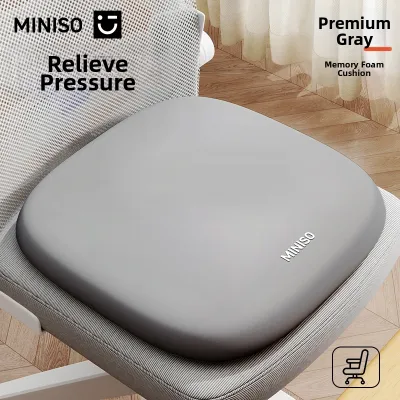
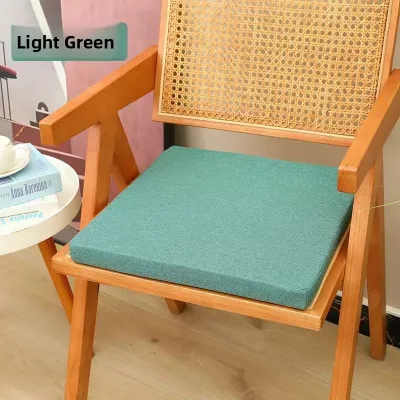
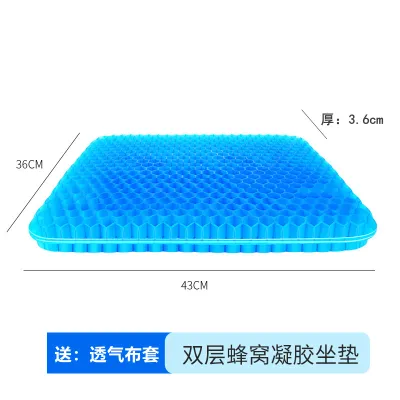
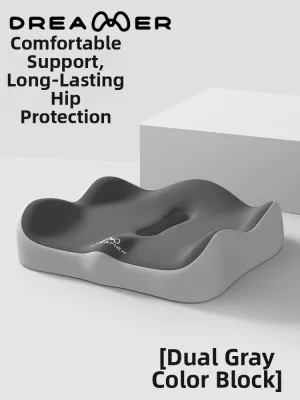
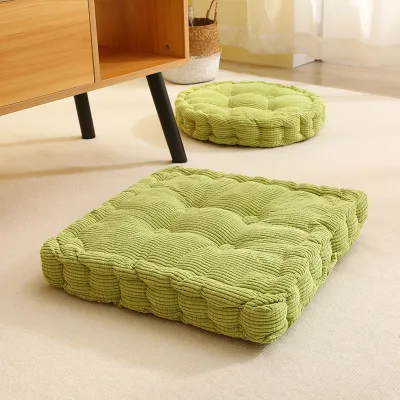
Prices are valid at publication and may change. Please refer to the product page for the latest price.
However, this contouring effect comes with a slow response time. When you shift your weight, memory foam takes several seconds to adapt to your new position. If you prefer a stable, enveloping sensation that holds you in place and minimizes movement, memory foam provides that secure, pressure-relieving pocket.
Latex offers a completely different sensation characterized by immediate rebound and high elasticity. Whether made from natural rubber sap or synthetic compounds, latex does not rely on body heat to conform to your shape. Instead, it pushes back against your weight instantly, creating a buoyant sensation often described as “floating” on the cushion.
This active resistance prevents you from sinking too deeply, making it much easier to shift positions or stand up from your desk. If you tend to fidget, change tasks frequently, or prefer an active sitting posture, the springy support of latex is highly advantageous.
When choosing between the two, observe your sitting habits. Do you find comfort in a cushion that molds deeply to your body, or do you feel restricted by materials that slow down your movement? Your answer to this fundamental preference will guide your entire selection process.
Heat Retention and Breathability
Thermal comfort is a critical factor during long desk hours, as a hot seat can quickly lead to discomfort. Memory foam has a naturally dense, closed-cell structure that tends to trap heat. Because it requires warmth to contour to your body, it acts as an insulator, absorbing and retaining your body heat throughout the day.

To address this, manufacturers often incorporate cooling technologies into memory foam cushions. You will frequently see options featuring gel infusions, gel layers, or ventilation channels. While these features help dissipate initial heat, they may still warm up over several hours of continuous contact.
Latex is inherently more breathable due to its open-cell physical structure. Additionally, during manufacturing, latex is typically poured into molds containing metal pins, leaving a grid of ventilation holes throughout the finished cushion. This pinhole design allows air to circulate freely every time you move or shift your weight.
For those working in warm environments or workspaces without continuous air conditioning, this passive ventilation is a major benefit. Latex allows heat to escape rather than building up beneath you, maintaining a neutral temperature over extended periods.
Before purchasing, consider your personal heat sensitivity and workspace climate. If you frequently feel warm, a highly breathable latex cushion is generally more comfortable. If you work in a cool, air-conditioned office, the heat-retaining properties of memory foam may not be a concern.
Durability and Long-Term Shape Retention
A sitting cushion must endure hours of concentrated weight day after day, making durability a key consideration. Memory foam cushions, particularly those made with lower-density foam, are susceptible to permanent compression over time. After months of daily use, the foam may lose its ability to rebound, leading to “bottoming out,” where you feel the hard chair seat directly beneath you.
Higher-density memory foam offers better resistance to this flattening effect, but it still softens gradually over years of use. The material’s reliance on temperature means that in consistently warm environments, it may soften more quickly and lose some of its supportive structure.
Latex is widely recognized for its exceptional resilience and long lifespan. It resists permanent sagging and maintains its original thickness and supportive properties even after years of heavy daily use. The natural elasticity of rubber allows the cushion to snap back to its original shape the moment you stand up, ensuring consistent support every morning.
While latex cushions often carry a higher initial price point, their durability frequently makes them more cost-effective over time. You are far less likely to need a replacement within a year or two compared to standard foam alternatives.
To gauge the expected lifespan of a cushion, check the manufacturer’s density specifications and warranty details. A heavier, denser cushion—whether memory foam or latex—is a reliable indicator of high-quality construction that will resist premature flattening.
Ergonomic Fit and Desk Chair Compatibility
A cushion must work harmoniously with your existing office chair and desk setup. Adding a cushion inevitably increases your sitting height. If a cushion is too thick, it can raise your hips to a point where your armrests no longer align with your desk, forcing you to hunch your shoulders or strain your wrists while typing.
Before choosing a cushion, measure your current chair-to-desk clearance and check if your chair’s height is adjustable. If you have limited vertical space, a thinner cushion or a wedge-shaped design that tapers at the front may be necessary to maintain proper ergonomic alignment. Your knees should remain at a comfortable 90-degree angle with your feet flat on the floor.
Base stability is another crucial factor. If a cushion slides around on a smooth leather or plastic chair seat, your core muscles must constantly work to keep you stable, leading to fatigue and lower back strain. Look for cushions equipped with non-slip rubberized backings or adjustable straps that secure the cushion firmly to the chair frame.
The shape of the cushion should also align with your specific comfort needs. Flat cushions provide a simple, uniform lift, while contoured U-shaped or coccyx cutouts are designed to suspend your tailbone, reducing direct pressure on the spine. Wedge cushions tilt your pelvis slightly forward, which naturally encourages a healthy lumbar curve and prevents slouching. Keep in mind that memory foam will compress more at the thin edges of a wedge than latex, which maintains its structural angle more consistently under weight.
Care, Cleaning, and Maintenance
Proper maintenance ensures your sitting cushion remains hygienic and functional. Because cushions are in close contact with your body for hours, they naturally accumulate dust, sweat, and occasional spills. Most high-quality options feature a removable, zippered cover that can be easily tossed into the washing machine.
However, caring for the inner core requires strict adherence to manufacturer guidelines. Neither memory foam nor latex cores should ever be placed in a washing machine or tumble dryer. The intense agitation and water saturation can tear the delicate cell structures of memory foam, while the high heat of a dryer can cause latex to crumble and degrade.
If the core becomes soiled, spot-clean it gently using a damp cloth and a mild, diluted detergent. Avoid soaking the material, as drying a saturated core can take days and risk mold growth. Always allow the core to air dry completely in a well-ventilated, shaded area before putting the cover back on.
Keep latex cores entirely out of direct sunlight. Ultraviolet rays accelerate the oxidation of natural rubber, causing it to become brittle and lose its elasticity. Knowing when to retire a cushion is also vital; if you notice persistent odors, visible cracking, crumbling debris, or a complete loss of supportive loft, it is time to replace the cushion to protect your posture.
Decision Framework: Which Sitting Cushion Should You Choose?
To finalize your decision, evaluate how your personal comfort preferences and physical needs align with the characteristics of each material.
Choose a memory foam cushion if you prioritize deep, body-conforming pressure relief. This material is ideal if you prefer a soft, enveloping feel that cradles your sit bones, work in a temperature-controlled environment, and do not mind a slower response when shifting positions. It is particularly suited for those who sit relatively still and want to minimize localized pressure points.
Choose a latex cushion if you prefer a highly responsive, springy support that keeps you sitting on top of the chair. This option is excellent if you tend to run hot, work in a warm or naturally ventilated space, and want a highly durable material that will not sag or bottom out over years of use. It is also the better choice for active sitters who frequently shift positions or stand up.
Before making any purchase, verify the dimensions of your chair and ensure the cushion’s thickness will not compromise your ergonomic setup. If you have pre-existing medical conditions, chronic back pain, or are recovering from an injury, always consult a qualified healthcare professional or ergonomic specialist for personalized advice before relying on a cushion for pain relief.
Frequently Asked Questions (FAQ)
Can I use a memory foam or latex cushion on a mesh office chair?
Yes, you can use either cushion type on a mesh office chair, but you must pay close attention to the cushion’s base. Mesh seats have very little surface friction, which can cause standard cushions to slide around easily. Look for a cushion with a highly effective non-slip rubberized bottom or integrated straps to keep it secure. Additionally, because mesh chairs are designed to contour to your body, adding a thick cushion will alter how your back aligns with the chair’s built-in lumbar support, so choose a moderate thickness to preserve the chair’s original ergonomic benefits.
Do sitting cushions actually help with lower back pain?
Sitting cushions can assist in managing lower back discomfort by promoting better pelvic alignment and distributing your body weight more evenly across the seat. By tilting the pelvis slightly forward or relieving pressure on the tailbone, they can reduce the strain placed on your lumbar spine during long desk hours. However, cushions are comfort aids rather than medical treatments. If you experience persistent, severe, or worsening lower back pain, it is essential to consult a healthcare professional to address the underlying cause.
How do I know if my sitting cushion needs replacing?
You can determine if your cushion needs replacing through a few simple physical and visual checks. If the cushion fails to return to its original shape after you stand up, shows visible cracks, tears, or crumbling in the core material, or has developed a persistent odor that cannot be removed, it is time for a replacement. Most importantly, if you find yourself bottoming out—meaning you can feel the hard surface of your chair beneath you within a few minutes of sitting—the cushion has lost its structural integrity and is no longer providing the support your body needs.

Community discussion
Share your experience or ask a question. Comments are reviewed before publication.