
Selecting the ideal bay window cushion mat requires balancing personal comfort preferences with the unique environmental challenges of a window alcove. Because bay windows are subject to intense sunlight, temperature fluctuations, and varying seating durations, a single material rarely suits every home. By comparing memory foam, latex, and cotton fill, you can identify which material provides the right level of support, longevity, and resilience for your specific space.
Your choice of fill directly influences how often you use your bay window. A cushion that is too soft may bottom out against the hard ledge, while one that is too firm can cause discomfort during extended reading sessions. Evaluating how each material behaves under pressure and environmental exposure will ensure your window seat remains a comfortable, inviting retreat for years to come.
Evaluating Comfort and Support for Extended Sitting
Memory foam is highly regarded for its deep contouring properties and exceptional pressure relief. When you sit on a memory foam bay window cushion mat, the material reacts to your body heat and weight, slowly compressing to distribute your weight evenly across the surface. This creates a cradling sensation that minimizes pressure points on your hips and tailbone. However, the overall support of memory foam depends heavily on its density; low-density foams may sink too quickly, leaving you resting against the hard wooden or stone ledge of the window sill, while high-density options offer a more supportive, gradual sink.
Products mentioned in this guide
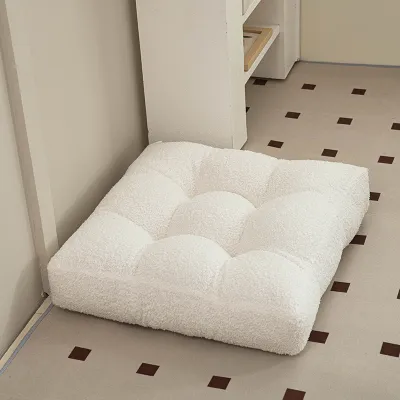
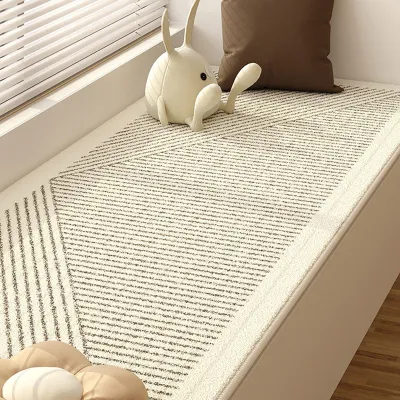
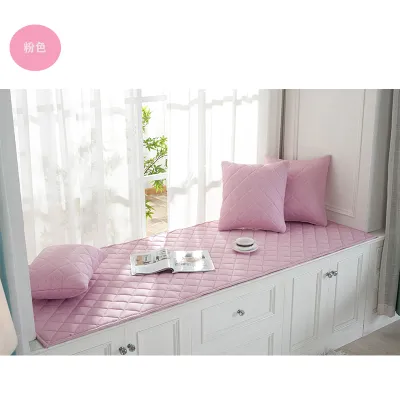
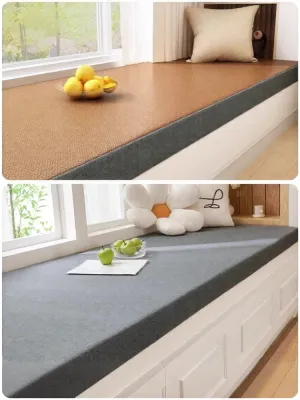
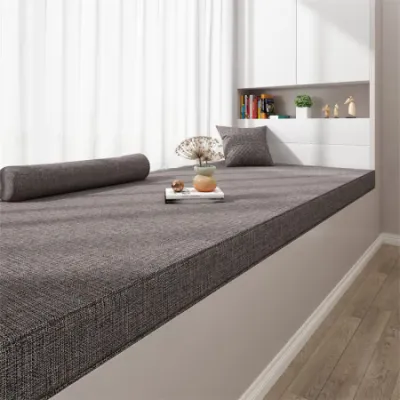
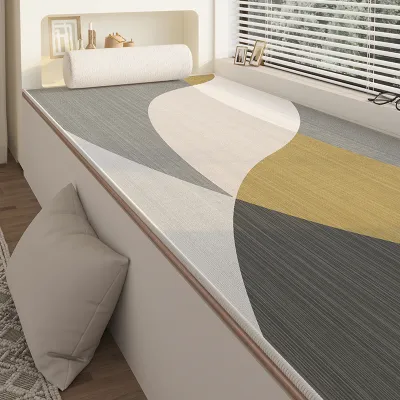
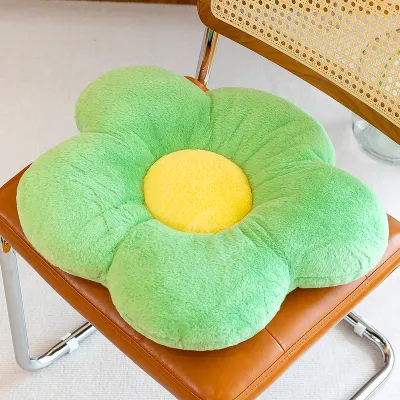
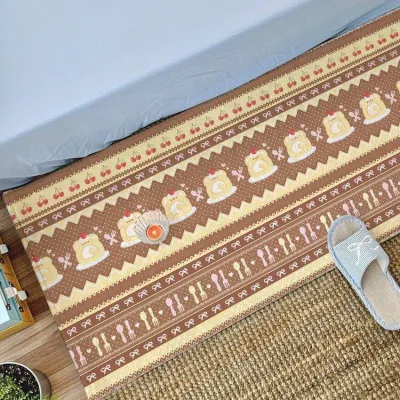
Prices are valid at publication and may change. Please refer to the product page for the latest price.
Latex provides a completely different seating experience characterized by responsive, buoyant support. Unlike memory foam, which retains an impression of your body, latex immediately pushes back against weight and recovers its shape instantly when you stand up. This high level of elasticity prevents you from feeling “stuck” in the cushion and makes it much easier to shift positions. Latex cushions distribute body weight evenly without the deep sink of memory foam, making them an excellent choice for those who prefer a firmer, more active support profile.
Cotton fill offers a traditional, plush feel that mimics the loft of a classic pillow. It provides an initially soft and inviting surface that is perfect for casual lounging. However, because cotton fibers lack the structured cellular matrix of foam or latex, they compress easily under sustained weight. During long seating sessions, cotton fill can pack down, requiring you to manually fluff or shake the cushion to restore its loft and comfort. It is best suited for those who enjoy a soft, casual aesthetic and do not mind regular maintenance.
Assessing Durability, Shape Retention, and Care
Resilience against permanent flattening is a critical factor when choosing a bay window cushion mat. Latex is highly durable, resisting compression set and maintaining its original thickness even after years of daily use. Memory foam also offers excellent shape retention, provided you select a high-density grade that is rated for heavy residential use. Cotton fill, by contrast, is the most prone to permanent flattening and clumping over time, as the natural fibers gradually lose their springiness and bind together under repeated pressure.

Cleaning limits vary significantly among these materials, making removable covers a practical necessity. Most foam and latex cores cannot be machine washed or submerged in water, as moisture can trap inside the cellular structure, leading to mold growth or material breakdown. Instead, these cores must be spot cleaned with a damp cloth and allowed to air dry completely away from direct heat. Cotton-filled cushions can sometimes be hand washed or gently machine washed if specified by the manufacturer, but drying them thoroughly to prevent internal mildew can be a lengthy process.
The outer cover plays an equally important role in protecting the internal fill and extending the lifespan of your cushion. A high-quality cover fabric with a tight weave and a high thread count prevents dust, spills, and friction from degrading the core material. When shopping, look for covers featuring robust zippers that allow for easy removal. Selecting fabrics treated with stain-resistant or water-repellent finishes will significantly reduce the frequency of deep cleaning, keeping the entire assembly fresh and hygienic.
Navigating Bay Window Shapes and Sunlight Exposure
Heat retention is a common issue for bay window seats, especially in sunlit alcoves or warm tropical climates like Singapore. Traditional memory foam has a dense, closed-cell structure that tends to trap and retain body heat, which can make the seat feel uncomfortably warm over time. Latex features an open-cell structure that allows for natural ventilation, helping to dissipate heat and keep the seating surface cooler. Cotton fill is also highly breathable, though its heat-dissipating performance can be compromised if the outer cover fabric is synthetic or tightly sealed.
Custom fitting is another major consideration, as bay windows often feature non-standard angles, curves, or deep recesses. Foam and latex are highly customizable; they can be easily cut with a foam saw or electric carving knife to match precise paper templates of irregular spaces. This allows you to order or create a single, seamless cushion that fits perfectly into every corner. Cotton fill is much more difficult to shape precisely into sharp angles or curves, often requiring segmented cushions or tufted designs that may leave small gaps along the edges of your window sill.
Sunlight degradation is a silent threat to the longevity of your cushion core. Direct ultraviolet (UV) rays can rapidly degrade polyurethane memory foam and natural latex, causing them to discolor, become brittle, and eventually crumble. To protect your investment, it is crucial to verify that the outer cover fabric offers high UV resistance to block damaging rays from reaching the internal fill. If your bay window receives intense, direct sunlight for several hours a day, keeping the blinds drawn during peak sun hours or choosing UV-treated outdoor-grade fabrics is highly recommended.
How to Choose the Right Fill for Your Needs
To make the final decision, align your material choice with your primary comfort preferences and the environmental conditions of your room:
- Choose memory foam if you prefer a modern, body-contouring feel, require deep pressure relief for long periods of sitting, and have a climate-controlled room where heat retention is not a primary concern.
- Choose latex if you want a highly durable, resilient cushion with a responsive bounce, prefer a cooler seating surface, and need a material that can be easily customized to fit irregular or angled window shapes.
- Choose cotton fill if you prefer a classic, soft, and tufted aesthetic, use the window seat primarily for short periods, and do not mind occasionally fluffing the cushion to maintain its shape.
Before finalizing your purchase, always verify the exact dimensions of your window ledge, taking into account any skirting boards, window cranks, or trim that might affect the fit. Check the manufacturer’s specifications to ensure the cover is fully removable and washable, and confirm that the core material matches your expectations for density and support. Taking these steps will ensure your new bay window cushion mat provides a perfect fit and lasting comfort.
Frequently Asked Questions (FAQ)
Can I leave my bay window cushion mat in direct sunlight?
Prolonged exposure to direct sunlight can cause significant damage to both the cover fabric and the internal fill of your cushion. UV rays break down the chemical bonds in memory foam and natural latex, leading to discoloration, loss of elasticity, and eventual crumbling of the core. Additionally, intense sunlight will cause most standard fabrics to fade and weaken over time. To prevent this, check the manufacturer’s guidelines for UV resistance, select outdoor-grade or UV-treated covers, and consider using window films or blinds to shield the cushion during the brightest parts of the day.
How do I measure for a custom bay window cushion mat?
To measure an irregular or angled bay window, start by dividing the seating area into simple geometric shapes, such as rectangles and triangles. Measure the longest and widest points at both the front and the back of the ledge, as walls are rarely perfectly square. Be sure to subtract about one centimeter from your final measurements to allow the cushion to slip in and out easily without bunching against the walls. For highly complex or curved windows, creating a physical template out of wrapping paper or cardboard and sending it to your cushion manufacturer is the most reliable way to ensure an exact fit.

Community discussion
Share your experience or ask a question. Comments are reviewed before publication.