
Selecting the ideal chair cushion is not a matter of finding a single, universally superior material. Instead, the right choice depends on your body weight, personal temperature sensitivity, and whether you prefer a contouring hug or a springy, responsive lift. Each material—memory foam, latex, and gel—uses a distinct physical mechanism to distribute weight and manage heat. In modern work-from-home and office environments, where sitting for eight or more hours daily is common, selecting the wrong support can lead to poor posture and physical fatigue. In warm, humid climates, where office chairs can trap heat during long working hours, thermal comfort is often just as critical as physical support. Before purchasing any cushion, it is essential to verify the manufacturer’s specific density, thickness, and weight limits, as individual product formulations vary widely. This guide compares these three materials across pressure response, heat retention, durability, and user profiles to help you make an informed decision.
Understanding How Memory Foam, Latex, and Gel Respond to Pressure
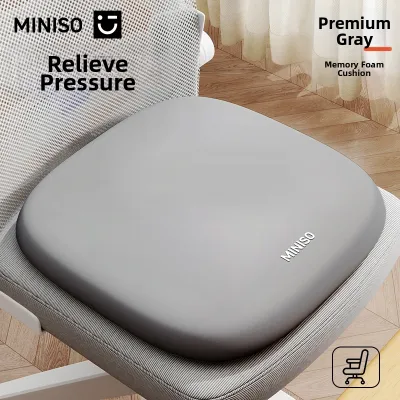
Memory foam, or viscoelastic polyurethane foam, responds to both pressure and temperature. When you sit on it, your body heat softens the material, allowing it to conform precisely to your physical shape. This creates a deep, customized cradle that distributes weight evenly across the entire contact surface. However, because it relies on heat to soften, memory foam can feel noticeably firmer in air-conditioned rooms and softer in warmer environments. This temperature-sensitive behavior means the cushion dynamically adapts to your body over the first few minutes of sitting.
Latex, which can be harvested from natural rubber tree sap or synthesized chemically, behaves quite differently. It features an open-cell structure that does not rely on temperature to change its physical state. Instead of contouring deeply, latex provides an immediate, elastic push-back. When you sit down, the material compresses but instantly exerts upward pressure, keeping your pelvis and spine aligned without the “sinking” sensation associated with memory foam. Natural latex is often processed using either the Dunlop method, which results in a denser, firmer feel, or the Talalay method, which offers a softer, more uniform consistency.
Products mentioned in this guide
![[Sweet Home] 2pcs Seat Cushion Soft Chair Pad for Home Office Sofa Bar Floor Pillow](https://img.lazcdn.com/g/p/5806d6ec418101a3108f1aef3495d6d2.jpg_400x400q80.jpg_.webp)
Prices are valid at publication and may change. Please refer to the product page for the latest price.
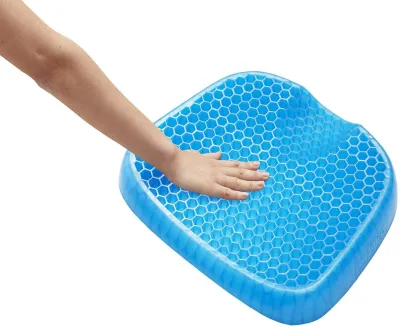
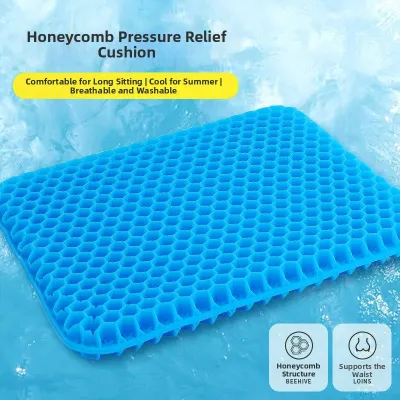
Gel cushions generally fall into three categories: solid gel pads, gel-infused foams, and engineered gel grids. Solid gel pads are heavy and dense, often used as a thin top layer to absorb initial impact. Gel-infused foams mix liquid gel droplets or beads into memory foam to help dissipate heat, though the underlying support remains foam-based. Columnar gel grids use a hyper-elastic polymer molded into open channels; these walls buckle under direct pressure points (like the sit bones) while redistributing weight to the surrounding columns, offering a unique balance of suspension and airflow.
Comparing Support, Heat Retention, and Longevity
Pressure distribution is the primary job of any seat cushion, but how these materials prevent “bottoming out”—where the cushion compresses completely and your bones press against the hard chair seat—depends heavily on your weight. Memory foam excels at relieving localized pressure points, making it highly effective for individuals seeking relief around the tailbone. However, if the foam density is too low for your weight, it can flatten entirely within an hour. Latex distributes weight dynamically; its high elasticity ensures that even heavier individuals remain suspended above the chair platform. Gel grids offer excellent localized pressure relief because the columns collapse selectively, preventing high-pressure hot spots on your thighs and buttocks.

Heat retention is a critical differentiator, particularly in tropical climates or poorly ventilated workspaces. Traditional memory foam is notorious for trapping heat. Its dense, closed-cell structure acts as an insulator, absorbing your body heat and warming up over time, which can lead to discomfort during extended sitting sessions. Latex, with its natural open-cell design and frequent ventilation pinholes, allows air to circulate far more freely, maintaining a neutral temperature. Gel grids offer the highest level of passive cooling; the large open air spaces within the grid structure allow heat to escape continuously, preventing the build-up of stagnant warm air.
Material degradation determines how long your investment will actually support you. Over time, all cushioning materials experience some degree of fatigue. Memory foam is susceptible to permanent indentations, especially if subjected to high humidity or heavy daily use, which can cause the cell walls to break down and lose their rebound. High humidity can accelerate the hydrolysis of polyurethane foams, leading to faster softening and structural breakdown. Latex is highly resilient and generally resists sagging for years, though natural latex must be protected from direct sunlight to prevent drying and crumbling. Gel grids made from high-quality hyper-elastic polymers are exceptionally durable, resisting permanent deformation and maintaining their original shape and springiness even after years of compression.
Matching the Cushion Material to Your Sitting Profile
To find the right match, you must align your physical needs and environment with the inherent strengths of each material.
Choose memory foam if your primary goal is deep pressure relief and joint cradling. If you experience lower back discomfort or tailbone sensitivity and sit in a temperature-controlled, air-conditioned office, the contouring properties of memory foam will provide a highly customized, stable base that minimizes shifting.
Choose latex if you prefer a responsive, buoyant feel and want to avoid the sensation of being “stuck” in a mold. Latex is ideal for active sitters who frequently shift positions, as it recovers its shape instantly. It is also an excellent choice if you prefer natural materials and want a cooler sitting experience without relying on complex grid designs.
Choose gel or gel-infused options if you struggle with overheating or require highly structured weight distribution. A columnar gel grid is particularly suited for humid environments where airflow is paramount. It provides a firm yet yielding platform that keeps you cool throughout the day.
Regardless of your preference, always verify the product specifications first. Check the manufacturer’s recommended weight limits, density ratings, and thickness measurements to ensure the cushion is engineered to support your specific body type without collapsing.
Key Specifications to Verify Before You Buy
When shopping for a chair cushion on any online marketplace or local specialty store, looking past marketing buzzwords is essential. You must evaluate concrete technical specifications to ensure long-term comfort and safety.
Density and thickness are the most reliable indicators of support. For memory foam, a density of at least 50 kg/m³ is generally recommended for adult support, while a thickness of 5 to 8 centimeters is typically required to prevent bottoming out. For latex, look for the density specifications to match your firmness preference. If a manufacturer does not disclose these measurements, treat the product with caution.
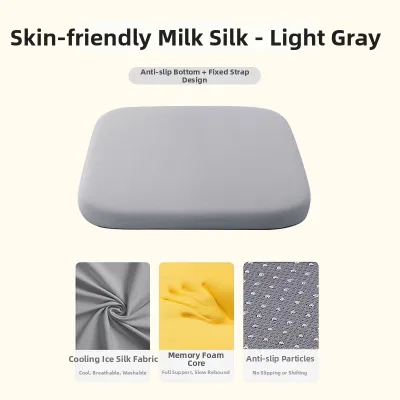
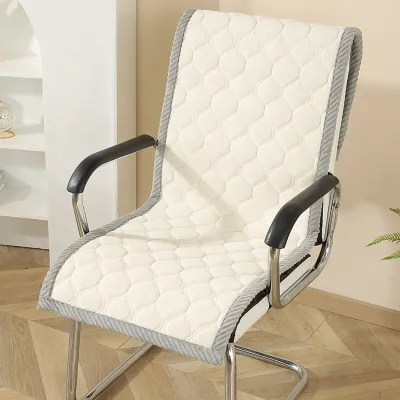
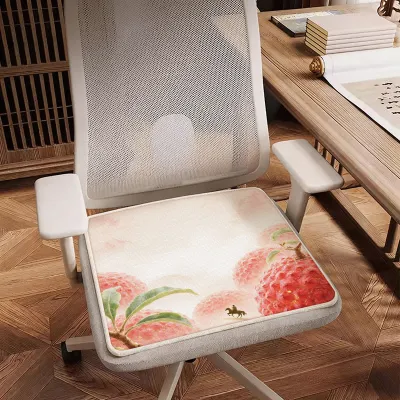
The cushion cover plays a vital role in both comfort and usability. A high-quality cover should feature a highly breathable mesh or knit fabric to allow heat to escape, especially if you choose a memory foam core. Additionally, verify that the underside has a reliable non-slip texture or securing straps to prevent the cushion from sliding off your office chair, which can ruin your posture and cause muscle strain. A removable, zippered cover is also essential for maintaining hygiene.
Ergonomic design profiles should match your specific seating goals. A flat cushion provides a neutral lift, suitable for raising your sitting height. A wedge-shaped cushion tilts the pelvis forward, promoting a natural lumbar curve. A coccyx cutout suspends the tailbone in mid-air, eliminating direct pressure on the base of the spine. Choose the shape that addresses your specific discomfort.
Before finalizing your choice, measure your chair seat’s width and depth. A cushion that is too small will create uncomfortable edges, while one that is too large may overhang and slide, compromising its ergonomic benefits.
Care and maintenance instructions must be reviewed before purchase. Foam and gel cores have strict cleaning limitations. Exposing memory foam or latex to water can ruin their structural integrity, while improper storage can lead to mold growth in humid climates. Always confirm whether the core is washable or if you must rely entirely on washing the removable cover and spot-cleaning the interior.
Frequently Asked Questions (FAQ)
Can I machine wash my memory foam or latex chair cushion?
No, you should never put a solid memory foam or latex cushion core into a washing machine or dryer. The mechanical agitation of a washing machine can easily tear the delicate cell structures of both materials, while the heat from a dryer can melt gel, warp memory foam, or cause natural latex to dry out and crumble. Water can also become trapped inside the dense foam pores, creating a breeding ground for mold and mildew, especially in humid climates. Instead, always remove the fabric cover and wash it according to its specific care label. If the inner core becomes soiled, gently spot-clean the area with a damp cloth and a mild detergent, then allow it to air dry completely in a well-ventilated space away from direct sunlight.
Will a gel cushion lose its cooling effect over time?
The longevity of a gel cushion’s cooling effect depends entirely on its construction. Solid gel layers and gel-infused foams do not actually cool you down indefinitely; they work by absorbing heat from your body until the gel reaches thermal equilibrium with your skin, after which the cooling sensation fades. Over time, as the surrounding foam degrades, this heat-absorption capacity remains the same, but the structural support will decline. In contrast, engineered gel grids do not rely solely on material absorption; their cooling effect is mechanical, driven by continuous airflow through the open grid columns. A high-quality hyper-elastic polymer grid will not lose its structural breathability over time, meaning it will continue to provide excellent ventilation for as long as the polymer walls remain intact and free of tears.

Community discussion
Share your experience or ask a question. Comments are reviewed before publication.