
Choosing the ideal sofa cushion foam is not about finding a single universal winner, but matching the physical properties of different materials to your personal comfort preferences, household habits, and local environmental conditions. The three primary options—memory foam, latex, and high-density polyurethane foam—each offer distinct profiles in terms of support, responsiveness, and temperature regulation. For instance, a household in a warm, humid climate like Singapore will have very different breathability requirements than one in a cooler region, making the choice of material highly consequential for long-term comfort. By understanding how these foams behave under pressure and how they age, you can select an option that keeps your sofa supportive and comfortable for years to come.
Understanding the Core Foam Types for Sofa Cushions
Memory foam, or viscoelastic polyurethane foam, is engineered to respond to both heat and pressure. When you sit on memory foam, your body warmth softens the material, allowing it to contour precisely to your physical shape. Once you stand up, the foam slowly recovers its original flat surface, a characteristic known as slow rebound. This material is highly synthetic and dense, creating a distinct “cradled” sensation that minimizes pressure points.
Latex foam is a highly resilient material sourced naturally from rubber tree sap, manufactured synthetically, or created as a hybrid blend. Unlike memory foam, latex features an open-cell structure that inherently allows air to circulate through the cushion. It is characterized by an immediate, springy rebound that pushes back against applied weight. This creates a buoyant, “floating” sensation rather than a deep sink, making it easy to shift positions or stand up.
Products mentioned in this guide
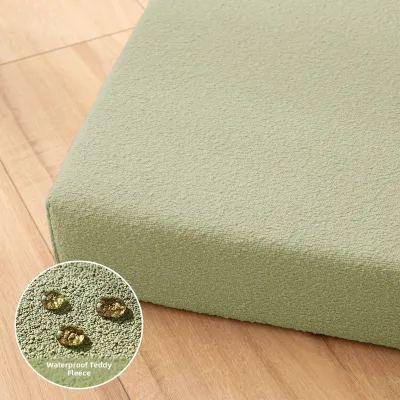
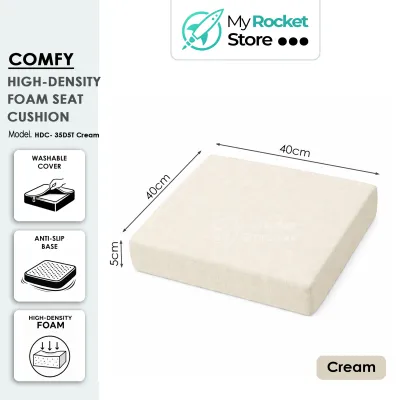
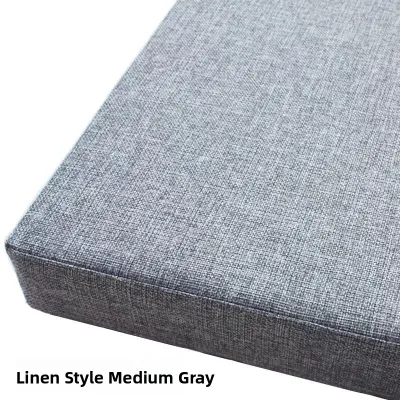
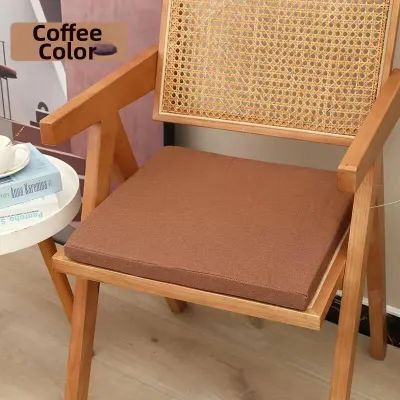
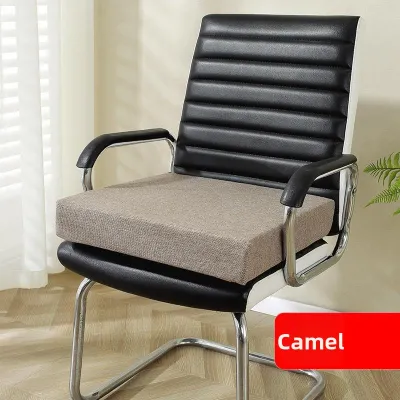
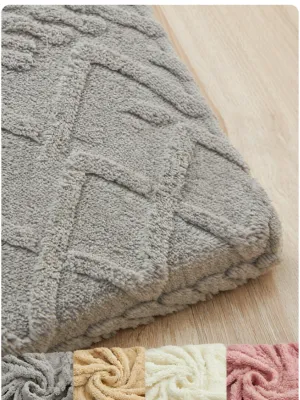
Prices are valid at publication and may change. Please refer to the product page for the latest price.
High-density polyurethane foam is the traditional standard for residential upholstery. It is a synthetic, petroleum-based foam manufactured to provide a stable and predictable support platform. The term “high-density” refers specifically to the mass of the foam per unit of volume, which directly correlates with its structural integrity and resistance to breaking down over time. It does not possess the temperature-sensitive contouring of memory foam or the intense springiness of latex, offering instead a firm, reliable resistance that keeps the cushion upright and structured.
Comparing Comfort, Support, and Durability Traits
The comfort and physical feel of these three materials represent entirely different seating philosophies. Memory foam provides a deep, enveloping sink that conforms to the curves of your body, making it feel incredibly plush and cozy for short-term lounging. Latex, conversely, offers a buoyant lift that keeps you positioned on top of the cushion rather than sinking into it. High-density polyurethane foam provides a classic, firm seating surface that supports the body evenly without dramatic contouring, making it the preferred choice for formal seating areas.

Support and weight distribution are critical for preventing physical fatigue during long periods of sitting. Memory foam excels at pressure relief by distributing your body weight across its contoured surface, which can be highly beneficial for individuals with joint sensitivity. However, this deep contouring can sometimes make it difficult to change positions, creating a “stuck” feeling. Latex distributes weight evenly across a broader surface area through its natural elasticity, offering excellent lumbar support without restricting movement. High-density foam provides a rigid structural base that prevents your body from bottoming out against the hard wooden or metal frame of the sofa.
To evaluate durability and predict sagging, you must look closely at the manufacturer’s technical specifications, specifically density and Indentation Load Deflection (ILD). Density is measured by weight per volume; for high-density polyurethane foam, a rating of 1.8 pounds per cubic foot (approximately 28 kilograms per cubic meter) or higher is generally recommended for durable seat cushions. ILD measures the firmness of the foam by calculating the force required to compress it by a set percentage. Checking these metrics on product tags or specification sheets allows you to verify the foam’s quality and ensure it will resist permanent indentations over years of daily use.
Heat retention and breathability are major comfort factors, particularly in tropical climates. Memory foam’s dense, closed-cell structure naturally traps body heat, which can lead to an uncomfortably warm seating experience unless the manufacturer has incorporated cooling gel infusions or open-cell modifications. Latex foam, with its natural open-cell design and ventilation channels, allows heat and moisture to escape easily, keeping the seating surface cool. High-density polyurethane foam offers moderate breathability, which can be further enhanced by pairing it with breathable cushion covers made of natural fibers like linen or cotton.
Maintenance, Care, and Longevity Checks
Proper maintenance is essential to preserve the structural integrity of any sofa cushion foam. Water is the primary enemy of both memory foam and latex; soaking these materials can permanently damage their cellular structure, cause them to crumble, and trap moisture that leads to mold growth. Consequently, spot cleaning should be kept to an absolute minimum, using only a damp cloth and mild detergent. To protect the foam cores from spills and sweat, always utilize removable, washable cushion covers or water-resistant inner liners.
Regularly rotating and flipping your sofa cushions is the most effective way to prevent localized sagging and ensure even wear. In high-traffic living rooms, certain seating spots naturally receive more use than others, leading to uneven compression. By flipping the cushions front-to-back and side-to-side every few months, you distribute the mechanical stress across different areas of the foam core. This simple practice can significantly extend the lifespan of high-density and latex foams alike.
Recognizing the warning signs of foam breakdown allows you to replace your cushion inserts before they cause physical discomfort or damage your sofa frame. The most obvious indicator is a permanent indentation or “dip” that does not recover even after the sofa has been vacant for several hours. Other signs include a noticeable loss of support that causes you to sink down to the underlying frame, a powdery residue escaping from the cushion covers, or a visible crumbling of the foam material when inspected directly.
How to Choose the Right Foam for Your Needs
Choosing memory foam is highly recommended if you prioritize a plush, body-conforming feel and use your sofa primarily for relaxing, watching movies, or napping. It is an excellent choice for secondary lounging spaces where pressure relief is more important than active, upright sitting. However, you should be prepared for its heat-retaining properties and ensure your room is well-ventilated or air-conditioned to maintain comfort.
Opting for latex foam is the ideal path if you prefer a responsive, springy seating surface that makes sitting down and standing up effortless. It is particularly suited for warm climates due to its superior breathability and natural cooling properties. When purchasing latex, always verify the product specifications to confirm whether you are buying 100% natural latex, synthetic latex, or a blended option, as this will impact both the environmental footprint and the physical characteristics of the cushion.
Selecting high-density polyurethane foam is the most practical and versatile choice for high-traffic family living rooms, formal reception areas, and households that prefer firm, upright support. It provides the structural stability needed for daily activities and offers a highly cost-effective solution for restoring worn-out furniture. Its predictable performance and wide availability make it the standard benchmark for quality residential seating.
Before purchasing any replacement foam inserts, always perform a thorough verification of your sofa’s physical dimensions and structural compatibility. Measure the empty cushion covers from seam to seam, adding a small fraction of an inch to the thickness to ensure a snug, plump fit that prevents the fabric from wrinkling. Additionally, inspect your sofa’s underlying support system—such as pocket springs, sinuous wires, or webbing—to ensure the new foam will perform as intended and align with the manufacturer’s original design.
Frequently Asked Questions (FAQ)
Can I mix different foam types in the same sofa?
Yes, mixing different foam types is a common and highly effective upholstery practice used to balance comfort and support. For example, manufacturers often construct cushions with a firm high-density polyurethane foam core for structural stability, wrapped in a softer layer of memory foam or latex to provide a comfortable, pressure-relieving surface. This hybrid approach prevents the cushion from bottoming out while still offering a plush, inviting feel. However, it is generally best to avoid mixing different foam types across different seat cushions on the same sofa, as this will create an inconsistent and uncomfortable seating alignment.
How do I know if my current sofa cushions need replacing?
You can determine if your cushions need replacing by performing a simple physical inspection and compression test. Remove the cushion cover and press your hand firmly into the center of the foam; if the material feels soft, fails to spring back immediately, or leaves a visible handprint, the cellular structure has collapsed. Additionally, if you experience physical discomfort, lower back pain, or feel the hard wooden slats of the sofa frame when sitting, the foam has reached the end of its functional lifespan and should be replaced.
Does foam thickness matter more than density for sofa comfort?
No, foam density is far more critical for long-term comfort and support than thickness alone. While a thicker cushion provides more initial compression space, a low-density foam will quickly bottom out under weight, offering very little actual support and sagging prematurely. A high-density foam cushion, even at a moderate thickness, will distribute weight effectively, maintain its shape, and provide consistent support for many years. When selecting replacement inserts, prioritize a high density rating first, and then choose the thickness that matches your sofa’s original design and cover dimensions.

Community discussion
Share your experience or ask a question. Comments are reviewed before publication.