
Finding the right seating cushion can transform an uncomfortable chair into a supportive haven, but the sheer variety of materials can make the decision overwhelming. The ideal choice depends entirely on your daily routine, physical comfort requirements, and the environment in which you sit. Memory foam, latex, and polyester fiberfill each offer distinct physical properties that alter how weight is distributed, how heat is managed, and how long the cushion remains functional. By understanding these differences, you can select a material that aligns with your posture needs and lifestyle.
In tropical environments like Singapore, where high humidity and warm temperatures are constant factors, the breathability of your seating surface becomes just as important as its softness. A cushion that feels comfortable for the first ten minutes might become uncomfortably warm after an hour of continuous use. Therefore, evaluating how these materials handle heat retention, moisture, and long-term wear is essential for making a practical investment. Rather than searching for a single universal winner, you should focus on how each material behaves under pressure and how it fits into your specific seating setup.
Understanding How Memory Foam, Latex, and Polyester Feel
Memory foam is renowned for its viscoelastic properties, which allow it to react to both weight and body temperature. When you first sit on a memory foam cushion, it feels relatively firm, but within moments, your body heat softens the material. This causes the foam to contour precisely to your unique shape, creating a deep, cradling sensation. This slow-rebound behavior means that when you shift your weight, the foam takes a few seconds to adjust and return to its original form, effectively isolating pressure points and distributing your weight evenly across the seat.
Products mentioned in this guide
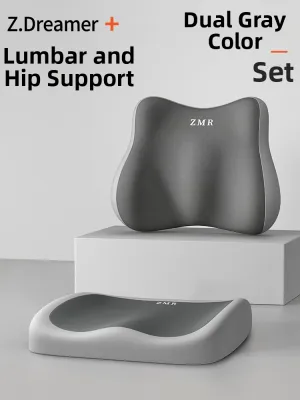
![[SG INSTOCK] Seat Cushion Memory Foam Orthopedic Pressure Relief Car Home Soft Office Chair Pad Wheelchair for Tailbone Sciatica Back Pain Relief](https://img.lazcdn.com/g/p/005adf43d933a7c5edf0e3585d56492d.jpg_400x400q80.jpg_.webp)
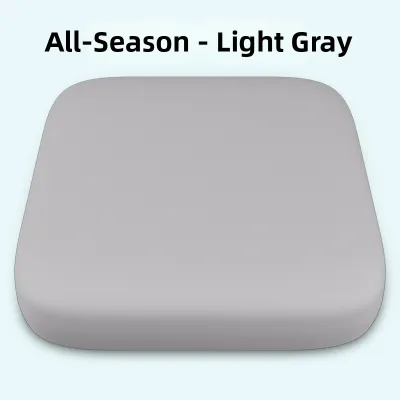
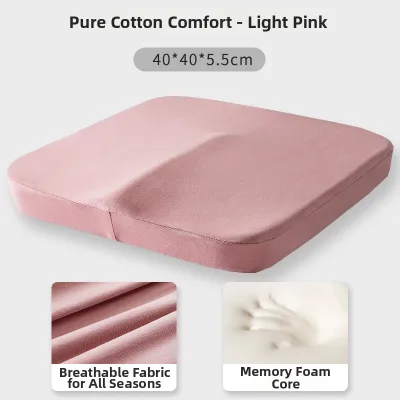
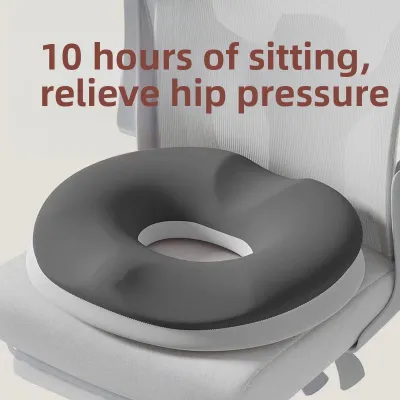
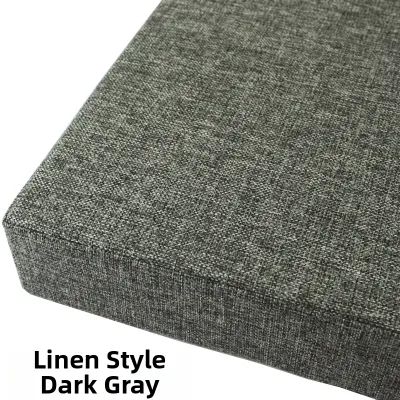
Prices are valid at publication and may change. Please refer to the product page for the latest price.
Latex offers a completely different tactile experience characterized by high elasticity and an instant rebound. Instead of sinking into the material, you sit on top of it, experiencing a buoyant, upward push that keeps your pelvis aligned. When you move or shift your position, the latex immediately springs back to its original shape, providing continuous, active support. This responsive nature makes it highly suitable for individuals who dislike the “sinking” or “stuck” feeling often associated with dense memory foam.
Polyester fiberfill, commonly referred to as polyester stuffing, provides an immediate, cloud-like plushness that resembles a traditional sleeping pillow. It is composed of loose, synthetic fibers packed into a fabric casing, offering a very soft initial landing. However, because it lacks a solid, cohesive core, polyester compresses easily under weight. The initial fluffiness quickly gives way as the fibers pack tightly together under your body weight, resulting in a much thinner barrier between you and the hard chair surface beneath.
How They Handle Support, Breathability, and Longevity
When evaluating posture and support, the structural differences between these materials become highly apparent during long hours of sitting. Memory foam excels at pressure relief by molding to the contours of your lower body, which can help alleviate discomfort in the tailbone and hips. However, if the foam layer is too thin or of low density, it can bottom out, leaving you sitting directly on the hard chair pan. Latex, with its natural structural lift, prevents this bottoming-out effect by maintaining a consistent level of resistance that supports the natural curvature of your spine. Polyester fiberfill provides minimal structural support; while it offers a soft surface layer, it cannot maintain the necessary pelvic alignment required for ergonomic sitting over extended periods.

Temperature regulation is a critical consideration, particularly in warm and humid climates. Traditional memory foam has a dense, closed-cell structure that naturally traps and retains body heat, which can lead to a warm and sweaty seating experience during long study or work sessions. While some modern memory foams incorporate gel infusions or ventilation channels to mitigate this issue, they still tend to run warmer than alternative materials. Latex features a naturally open-cell structure and is typically manufactured with built-in ventilation pinholes, allowing air to circulate freely and dissipate heat efficiently. Polyester fiberfill is also highly breathable due to the loose spacing between its fibers, but as the material compresses under weight, the airflow decreases, potentially trapping some warmth.
Durability and resistance to sagging dictate how long your investment will last under daily use. High-quality latex is exceptionally resilient, often maintaining its shape, elasticity, and supportive properties for several years without noticeable sagging. High-density memory foam also offers excellent longevity, though lower-density options are prone to softening and developing permanent indentations over time. Polyester fiberfill is the least durable of the three; the synthetic fibers tend to clump, shift, and flatten permanently within a few months of heavy use, requiring regular manual fluffing to restore even a fraction of their original loft.
Maintenance requirements also vary significantly between these materials. Solid foam cores, whether memory foam or latex, should never be submerged in water or placed in a washing machine, as moisture can break down the cellular structure and ruin the material. Instead, they must be spot-cleaned with a damp cloth and allowed to air-dry completely in a shaded, well-ventilated area away from direct sunlight, which can degrade the material. Polyester fiberfill cushions, on the other hand, are often fully machine-washable, making them much easier to clean and sanitize if they are used in high-traffic areas or outdoor settings.
Which Seating Cushion Material Fits Your Daily Routine?
Selecting the right seating cushion requires matching these material characteristics to your daily habits and environment. Memory foam is highly suited for individuals who spend long, stationary hours working at a desk or studying in air-conditioned rooms. If you require targeted pressure relief for specific areas like the ischial tuberosities (sit bones) and do not mind a warmer seating surface, memory foam provides the deep contouring necessary to keep you comfortable during extended periods of immobility.
Latex is the ideal choice if you shift positions frequently throughout the day, prefer a cooler and more breathable seating surface, and want a cushion that will last for years. Its resilient, springy support is excellent for home offices, dining chairs, or any environment where you need to stand up and sit down repeatedly. Because it does not trap heat, it remains comfortable even in naturally ventilated rooms without air conditioning, making it a highly practical option for tropical living.
Polyester fiberfill is best reserved for occasional seating, decorative floor cushions, or short-term use where budget is the primary consideration. If you need a lightweight, easily transportable cushion for a patio chair, a picnic, or a temporary workspace, polyester offers a soft and affordable solution. It is also an excellent choice for decorative accent cushions that are not subjected to heavy, daily seating pressure.
It is important to note that while consumer seating cushions can significantly improve daily comfort, they are not medical devices. If you require specialized postural correction, are recovering from an injury, or experience chronic, severe pain while sitting, standard retail cushions may not address the root cause of your discomfort. In such cases, you should consult a healthcare professional or an ergonomic specialist to obtain a customized recommendation tailored to your medical needs.
Essential Specs and Labels to Check Before Buying
Before making a purchase, it is crucial to look beyond marketing claims and verify the actual specifications on the product labels. For memory foam, check the density rating, which is typically expressed in kilograms per cubic meter (kg/m³). A higher density generally indicates a more supportive and durable cushion that will resist sagging over time. For latex, check whether the label specifies natural latex, synthetic latex, or a blend; natural latex typically offers superior elasticity and environmental durability compared to synthetic alternatives.
The design of the cushion cover is another essential factor that directly impacts usability and hygiene. Look for a cushion that features a removable, machine-washable cover made from a breathable fabric like mesh, cotton, or bamboo-derived rayon. Additionally, verify that the underside of the cover has a non-slip, rubberized grip pattern. This is particularly important if you plan to use the cushion on smooth surfaces like polished wood, molded plastic, or leather, where a standard fabric cover would constantly slide out of place.
Take the time to review the manufacturer’s warranty terms, paying close attention to what is covered regarding material degradation. A reliable warranty should specifically cover permanent sagging, flattening, or structural breakdown of the core material over a reasonable period, rather than just manufacturing defects in the stitching or zipper.
Finally, always measure your chair’s seat pan before buying a cushion. The cushion should fit comfortably within the boundaries of the seat without overhang or bunching. Keep in mind that adding a cushion will increase your sitting height; ensure that the thickness of the cushion will not raise your body to a point where your knees press against the underside of your desk, or where your elbows and wrists are forced into an awkward angle while typing.
Frequently Asked Questions (FAQ)
Can I combine different cushion materials for better support?
Yes, hybrid cushions that combine different materials are increasingly common and can offer the benefits of multiple fills. For example, some designs feature a top layer of contouring memory foam bonded to a firmer base layer of high-density polyurethane foam or latex. This configuration allows you to experience the immediate pressure relief and molding comfort of memory foam without the risk of bottoming out, as the firmer bottom layer provides the necessary structural support. When considering a hybrid cushion, carefully check the manufacturer’s specifications to understand the thickness of each layer and ensure the cover is durable enough to keep the layers securely aligned.
How do I know when it is time to replace my seating cushion?
You can determine when to replace your seating cushion by looking for several clear physical indicators of material breakdown. The most obvious sign is a permanent indentation or sag in the area where you sit that no longer rebounds to its original shape, even after the cushion has been left unused overnight. Another indicator is a noticeable loss of support; if you sit down and immediately feel the hard surface of the chair frame beneath you, the material has lost its structural integrity. Finally, if you notice the foam crumbling, cracking, or the polyester fiberfill clumping into hard lumps that cannot be fluffed out, the cushion is no longer providing ergonomic benefit and should be replaced.

Community discussion
Share your experience or ask a question. Comments are reviewed before publication.