
Selecting the right cushion foam is not about finding a single, universally ideal material. Instead, it is about matching a foam’s physical properties to your specific seating habits, comfort preferences, and environmental conditions.
In warm, humid climates like Singapore’s, where home spaces often transition from air-conditioned living rooms to breezy balconies, how a cushion handles heat, moisture, and body weight becomes highly critical.
The three primary contenders in the market—memory foam, latex foam, and polyurethane foam (commonly known as polyfoam)—each offer distinct structural behaviors.
Products mentioned in this guide
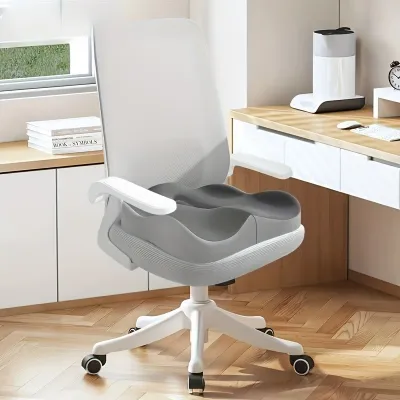
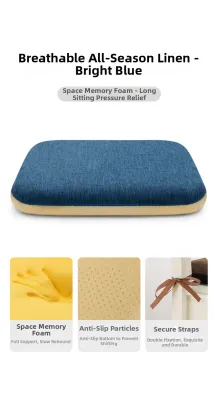
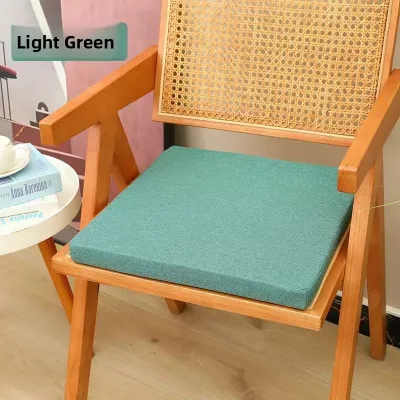
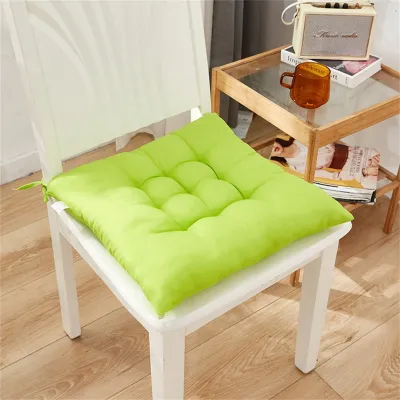
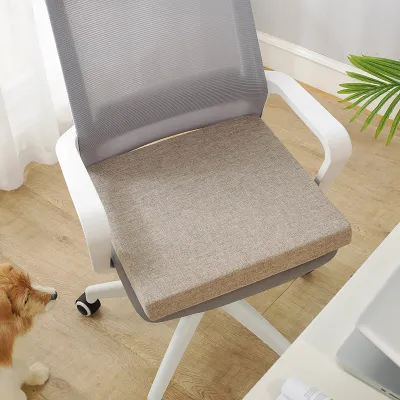
Prices are valid at publication and may change. Please refer to the product page for the latest price.
Memory foam is a synthetic viscoelastic material designed to contour deeply under body heat and pressure. Latex foam, derived from natural or synthetic rubber blends, provides a highly responsive, buoyant push-back. Polyfoam, a standard polyurethane material, serves as a lightweight, highly versatile, and budget-friendly option.
Understanding these fundamental differences allows you to make an informed decision that balances immediate comfort with long-term durability.
Comparing Comfort, Support, and Durability
Evaluating cushion foam requires looking beyond initial softness to understand how a material supports your posture and holds up over years of daily use.
Comfort is highly subjective. Some individuals prefer the sensation of sinking into a cushion that cradles their shape, while others prefer resting on top of a firm, resilient surface.
Support, on the other hand, refers to how well the cushion keeps your spine aligned and distributes your body weight to prevent pressure points. A cushion that feels incredibly soft initially may lack the structural integrity to support you during a long work-from-home session.
Durability is closely tied to the physical density of the foam rather than any specific brand name or marketing claim. High-density foams contain more material per cubic meter, which helps them resist permanent sagging, flattening, and structural breakdown under repeated compression.
In humid environments, moisture can accelerate the degradation of lower-quality foams, making density an even more critical factor to verify before purchase. By comparing how memory foam, latex, and polyfoam handle these physical demands, you can narrow down the options for your specific seating setup.
Memory Foam for Contouring and Pressure Relief
Memory foam is widely recognized for its slow-rebound, viscoelastic properties, which allow it to soften and mold precisely to your body shape in response to heat and pressure.
When you sit on a memory foam cushion, the material redistributes your weight evenly across the surface, significantly reducing pressure on the tailbone, hips, and thighs. This makes it a popular choice for office chair pads, wheelchair cushions, and floor seating where prolonged, stationary sitting is common.
However, the heat-responsive nature of memory foam means it naturally tends to retain body warmth. In a tropical climate, a standard memory foam cushion can sometimes feel uncomfortably warm or lose too much support as it absorbs ambient heat and body temperature.
To mitigate this, look closely at product specifications for open-cell structures, ventilation channels, or cooling gel infusions designed to assist with heat dissipation. Additionally, because memory foam responds slowly to movement, it may feel less suitable for active seating environments where you frequently shift positions.
Latex Foam for Responsive Support and Breathability
Latex foam offers a stark contrast to memory foam, characterized by its immediate, buoyant rebound and high level of resilience. Instead of contouring deeply and letting you sink, latex pushes back to keep your body resting on top of the cushion.
This responsive support makes it exceptionally easy to shift positions, stand up, or adjust your posture without feeling stuck in a physical depression. It is highly suited for dining chairs, active desk setups, and heavy-use living room furniture.
One of the standout advantages of latex foam, particularly in warm climates, is its natural breathability. The open-cell structure of latex, often enhanced by molded aeration pinholes, allows air to circulate freely, preventing the buildup of heat and moisture.
While latex is highly durable and resistant to sagging, it is also significantly heavier than other foam types, which can make large cushions less convenient to move or transport. It is also important to verify whether a latex cushion is made from natural, synthetic, or blended latex, as this affects both the environmental footprint and the overall tactile feel.
Polyfoam for Lightweight and Budget-Friendly Needs
Polyurethane foam, or polyfoam, is the most common and versatile material used in residential cushioning, valued for its lightweight nature and highly accessible price point. It compresses uniformly under weight and returns to its original shape quickly, providing a straightforward, predictable seating surface.
Because it is lightweight, polyfoam is incredibly easy to fluff, move, and rearrange, making it the standard choice for decorative throw pillows, occasional accent chairs, and outdoor patio cushions.
The primary challenge with polyfoam is its wide variability in quality and density. Low-density polyfoam can degrade rapidly under daily use, leading to noticeable flattening and a loss of support within a short period.
To ensure longevity, it is essential to check the manufacturer’s specifications for high-resilience (HR) grades or high-density ratings. While standard polyfoam is excellent for budget-conscious projects or low-traffic seating, investing in higher-grade polyfoam is necessary if you want the cushion to withstand the rigors of daily family life.
Evaluating Price and Long-Term Value
When shopping for cushion foam, balancing the upfront cost against the expected lifespan of the material is key to finding true value.

Polyfoam is almost always the most budget-friendly option, with basic inserts costing very little, making it ideal for seasonal updates or decorative accents. Memory foam generally occupies the mid-to-high price range, reflecting its specialized pressure-relieving properties. Latex foam typically commands a premium price, representing a significant upfront investment that is often justified by its exceptional durability and natural origin.
To assess long-term value, consider the cost-per-year of use rather than just the initial price tag. A cheap, low-density polyfoam cushion may need replacement within a year of daily use, whereas a high-density latex or high-resilience polyfoam cushion can maintain its shape and support for many years.
Thickness also plays a role; a thinner cushion requires higher density to prevent “bottoming out” against the hard frame of a chair. Whether you are spending S$20 on a quick replacement or investing over S$150 in a premium ergonomic seat pad, matching the density to your usage frequency is essential.
Before finalizing a purchase, especially for high-end cushions, review the retailer’s warranty terms, return policies, and trial periods. A manufacturer’s warranty that specifically covers permanent sagging or indentation depth can give you peace of mind. Be sure to read the fine print to understand what constitutes normal wear and tear versus a structural defect.
Matching Foam Types to Your Specific Needs
To simplify your decision, use this conditional framework to match the right foam type to your lifestyle, seating habits, and physical requirements:
Choose Memory Foam if:
- You require targeted pressure relief for joint pain, tailbone discomfort, or prolonged stationary sitting.
- You prefer a deeply cushioned, contouring sensation that cradles your body.
- The cushion will be used primarily in air-conditioned spaces or features built-in cooling technologies to manage heat.
Choose Latex Foam if:
- You prefer a highly responsive, bouncy support system that keeps you positioned on top of the cushion.
- You live in a warm, humid environment and prioritize natural breathability and airflow.
- You are looking for a highly durable, long-term investment for high-traffic dining or living area seating.
Choose Polyfoam if:
- You are sourcing cushions for decorative throw pillows, guest seating, or occasional outdoor use.
- You need a lightweight, easily portable cushion that can be moved or fluffed regularly.
- You are working within a strict budget or planning a temporary home decor update.
Verify first if:
- You have a known latex allergy, in which case natural latex must be avoided entirely in favor of synthetic alternatives or polyfoam.
- You have specific weight-bearing requirements, which demand checking the exact density ratings to prevent the cushion from flattening completely under load.
What to Check on the Label Before Buying
Before purchasing any cushion, look past the attractive fabric cover and examine the product label or technical specifications sheet to verify the quality of the inner core. Avoid relying on vague marketing terms like “orthopedic,” “premium,” or “super-soft,” which are not regulated industry standards. Instead, look for concrete measurements such as density (typically measured in kilograms per cubic meter or pounds per cubic foot) and thickness to gauge the actual support level.
Next, check for reputable safety and emission certifications printed on the packaging or the manufacturer’s website. Certifications such as CertiPUR-US for polyurethane foams or OEKO-TEX and GOLS (Global Organic Latex Standard) for latex ensure the material has been tested for harmful substances, heavy metals, and volatile organic compounds (VOCs). This is particularly important for cushions used in enclosed indoor spaces or by individuals with respiratory sensitivities.
Finally, inspect the care instructions for both the cover and the foam core. A practical cushion should feature a removable, zippered cover that is machine-washable to handle spills and sweat in humid weather. Keep in mind that the foam core itself is rarely machine-washable; verify the recommended spot-cleaning methods and ensure you have a suitable space to air-dry the foam away from direct sunlight, which can degrade the material.
Frequently Asked Questions (FAQ)
Can I wash my foam cushion inserts in the washing machine?
No, you should avoid putting memory foam, latex, or polyfoam cushion inserts into a washing machine. The aggressive agitation, spinning, and water saturation can easily tear the delicate cellular structure of the foam, leading to permanent clumping, cracking, or disintegration. Instead, remove the outer cover and spot-clean the foam core using a damp cloth with a mild detergent. Always allow the foam to air-dry completely in a well-ventilated, shaded area before putting the cover back on, as trapped moisture can quickly lead to mold and mildew growth.
What is high-resilience (HR) polyfoam, and is it better?
High-resilience (HR) polyfoam is a premium grade of polyurethane foam that features a higher density and a more supportive, elastic cell structure than standard polyfoam. It responds much faster to pressure, offering a comfortable bounce-back sensation similar to latex, and is highly resistant to sagging over time. While standard polyfoam is suitable for light decorative use, HR polyfoam is significantly better for daily-use seating, such as sofa cushions and dining pads, where long-term durability and consistent support are required.

Community discussion
Share your experience or ask a question. Comments are reviewed before publication.