
Choosing the right fill for a long cushion for bench seating depends on balancing immediate comfort, structural support, and long-term durability. Memory foam offers contouring pressure relief, polyester fibre provides a soft and budget-friendly loft, and latex delivers a highly resilient, springy support. The ideal choice depends on how often the bench is used, where it is located in your home, and the specific environmental conditions of your living space.
Evaluating Comfort and Support for Long Benches
Memory foam is viscoelastic, reacting to body heat and pressure to contour closely to the body. This creates a sinking-in sensation that distributes weight evenly but can feel restrictive to some. Polyester fibre consists of loose or layered synthetic strands that mimic the fluffiness of down, offering a soft, cloud-like initial feel but minimal structural resistance. Latex, derived from natural or synthetic rubber, features an open-cell structure that pushes back against weight, providing an active, buoyant support that keeps the sitter elevated.
To gauge the actual support level of any cushion, you must look beyond the surface feel and check the manufacturer’s technical specifications. For foam and latex, density is typically measured in kilograms per cubic metre (kg/m³). A higher density indicates more material and less air, which translates to firmer, more reliable support over long periods. For polyester fibre, look for the weight of the fill or the denier of the fibres, as higher denier ratings indicate thicker, more supportive strands.
Products mentioned in this guide
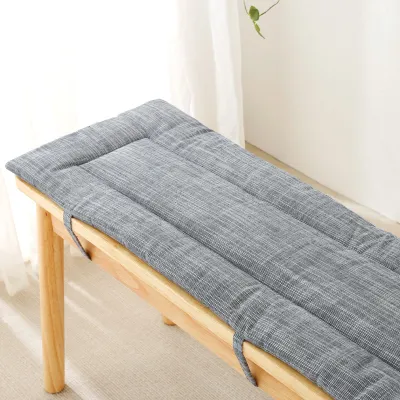
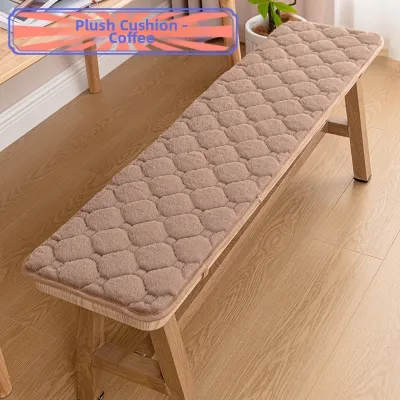
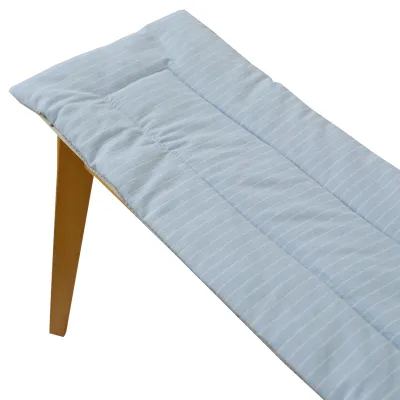
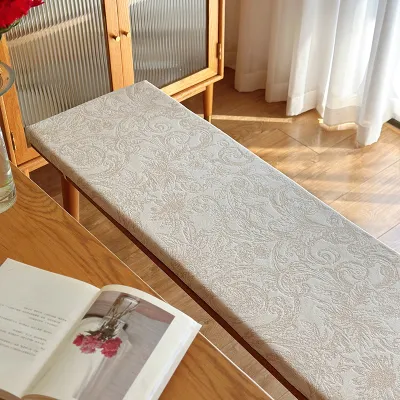
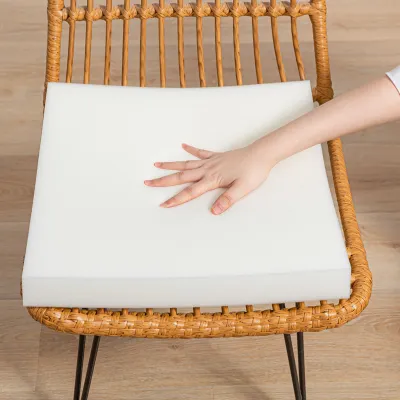
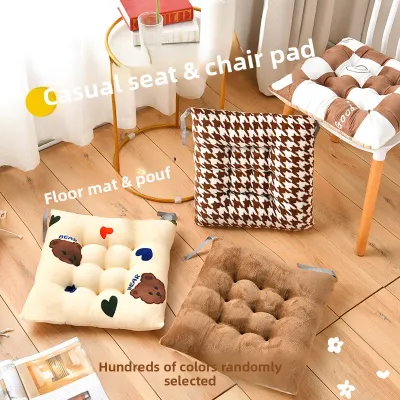
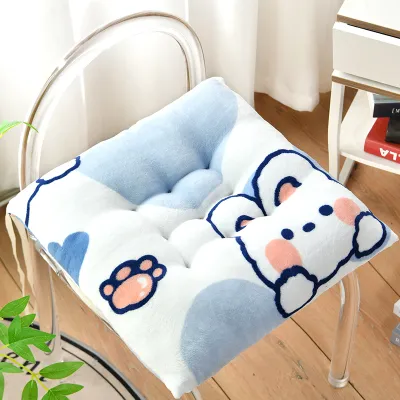
Prices are valid at publication and may change. Please refer to the product page for the latest price.
The physical dimensions of a long bench cushion introduce unique structural challenges. A long bench often accommodates multiple people simultaneously, meaning the fill must handle uneven weight distribution without sagging in the middle. If your bench has a deep seat, a softer material might cause you to sink too far back, making it difficult to stand up. Conversely, a shallow bench requires a firmer, more compact fill to prevent bottoming out against the hard wooden or metal base. Ensure you measure the bench length and depth accurately to determine if a single continuous insert or multiple segmented inserts will best preserve the structural integrity of the seating area.
Durability and Shape Retention Over Time
Every cushion material responds differently to the mechanical stress of daily use. Over time, polyester fibre is highly prone to clumping and flattening, as the individual synthetic strands compress and entangle under weight. This often results in uneven hollows and a loss of the cushion’s original loft. Memory foam, while excellent at returning to its flat state initially, can develop permanent indentations or “soft spots” in high-use areas, especially if the density is insufficient for the user’s weight. Latex is highly regarded for its exceptional shape retention, resisting permanent compression and bouncing back to its original form even after years of regular seating.

Before making a purchase, always review the product care labels, material tags, and any provided warranty terms. Look for certifications or specific material compositions listed on the tag, such as the percentage of natural versus synthetic latex, or the specific grade of polyurethane used in the memory foam. Manufacturers often outline the expected lifespan or shape-retention guarantees under normal residential use, which can serve as a helpful benchmark for quality.
Environmental conditions and usage frequency play a massive role in how quickly these materials degrade. In warm, humid environments, moisture and heat can accelerate the breakdown of polyurethane-based memory foams, causing them to soften prematurely. High-traffic areas, such as a dining room bench used for daily meals, demand a highly resilient fill like high-density foam or latex. For an entryway bench that only sees occasional use for putting on shoes, a lighter, polyester fibre fill may remain perfectly adequate for years without significant degradation.
Maintenance, Cleaning, and Climate Considerations
Managing moisture and airflow is critical to preserving the hygiene and structural integrity of a long bench cushion. Latex features a naturally breathable, perforated design that allows air to circulate freely, making it highly resistant to heat retention and moisture buildup. Polyester fibre also offers decent breathability due to the spaces between the loose fibres, though it can trap humidity if compressed tightly. Memory foam, particularly traditional solid varieties, tends to retain body heat and trap moisture, which can feel uncomfortably warm in tropical climates and create a breeding ground for dust mites.
To maintain your cushion safely, always adhere strictly to the manufacturer’s cleaning instructions for both the outer cover and the inner fill. Many long bench cushions feature removable, machine-washable covers, but the inner fills require vastly different care. Polyester fibre inserts can sometimes be hand-washed or machine-washed on a gentle cycle, provided they are dried completely to prevent clumping. In contrast, memory foam and latex should never be submerged in water or placed in a washing machine, as moisture can tear the delicate cell structures and ruin the material permanently. Instead, spot-clean these cores with a damp cloth and allow them to air-dry completely in a well-ventilated, shaded area away from direct sunlight.
Knowing when to stop DIY maintenance is essential for protecting your home’s indoor air quality. If a cushion has been exposed to heavy spills or high humidity and you suspect moisture is trapped deep within the core, cease DIY drying efforts immediately. Trapped moisture quickly leads to mould and mildew growth, which can ruin the fill and pose health risks. If you detect a persistent musty odour, observe dark spots on the inner casing, or notice that the fill structure has become crumbly or severely misshapen, consult a professional upholstery cleaner or replace the inner fill entirely.
Making the Final Choice for Your Space
Selecting the right material requires matching the physical properties of the fill to the specific function of your bench. For high-traffic dining benches where family members sit for extended meals, a firm, high-density memory foam or a resilient latex insert is ideal to prevent bottoming out and maintain a formal, upright posture. For a cozy window nook or a reading bench where comfort and relaxation are the priorities, a softer, medium-density memory foam or a plush polyester fibre fill can create a more inviting, lounge-like feel. For outdoor or semi-outdoor balcony benches, highly breathable and moisture-resistant materials are paramount; a specialized outdoor-grade polyester fibre or a mildew-resistant synthetic latex is typically preferred over standard memory foam.
Before finalizing your order, run through a comprehensive pre-purchase checklist to ensure a perfect fit. First, verify the exact dimensions of your bench frame, measuring the length, width, and depth at multiple points to account for any warping or structural variations. Next, determine the required thickness of the cushion; a cushion that is too thick may raise the seating height uncomfortably, making it difficult to fit your legs under a dining table or desk. Finally, check the compatibility of the cover fabric with your chosen fill. A heavy, non-stretch canvas cover works well with structured foam or latex, while a softer, stretchier fabric is better suited to showcase the plush loft of a polyester fibre fill.
When your new cushion arrives, perform a thorough inspection before placing it on your bench. Check for any manufacturing defects, such as uneven stitching, broken zippers, or asymmetrical edges. Gently press along the entire length of the cushion to ensure the fill is distributed evenly and has not shifted or clumped during transit. Confirm that the dimensions match your bench perfectly, leaving a slight clearance if the cushion needs to fit within a recessed wooden frame. Taking these steps ensures your long bench cushion provides the perfect blend of style, comfort, and longevity for your home.
Frequently Asked Questions (FAQ)
Can I mix memory foam and polyester fibre in one bench cushion?
Yes, combining materials can offer the benefits of both, but this is best left to professional manufacturers. Hybrid cushions often feature a supportive memory foam core wrapped in a soft layer of polyester fibre to provide immediate plushness without sacrificing deep support. Attempting a DIY mix by stuffing loose fibres around a foam block can lead to uneven shifting, lumps, and rapid structural breakdown. Always check product descriptions for professionally engineered, layered constructions to ensure a balanced and durable result.
How thick should a long bench cushion be for proper support?
The ideal thickness typically ranges from 5 to 10 centimetres, depending on the density of the fill material and the height of your bench. A high-density latex or memory foam cushion can provide excellent support at a slimmer profile of 5 centimetres, whereas a polyester fibre cushion may need to be 8 to 10 centimetres thick to prevent you from feeling the hard bench surface beneath. Be sure to measure your bench height and any table clearance to ensure the added cushion height remains comfortable for sitting.
Is latex safe for people with allergies?
Natural latex is inherently resistant to dust mites, mould, and bacteria, making it an excellent choice for individuals with respiratory allergies. However, those with a known contact allergy to latex proteins should exercise caution. Always check the product labels and material specifications to determine if the fill is natural, synthetic, or a blend, and look for hypoallergenic certifications. If you have a diagnosed latex allergy, it is highly recommended to consult a healthcare professional before purchasing or to opt for a hypoallergenic memory foam or polyester alternative.

Community discussion
Share your experience or ask a question. Comments are reviewed before publication.