
Selecting the ideal flower vase for a modern dining table requires balancing visual simplicity with everyday functionality. The best minimalist styles rely on clean geometric silhouettes, neutral or monochromatic color palettes, and low-profile proportions that do not block conversation. In modern homes, where the dining table often doubles as a workspace or a social hub, a vase must elevate the space without creating physical or visual clutter. By focusing on understated forms like cylinders, spheres, and tapered cones, you can create a refined centerpiece that complements your interior design while remaining highly practical for daily use.
Identifying True Minimalist Vase Styles
Minimalism in home decor is defined by the intentional reduction of form to its essential elements. When applied to dining table vases, this philosophy manifests in clean lines and precise geometric silhouettes. Cylindrical vases offer a timeless, architectural look that anchors a table setting with vertical symmetry. Spherical or “bud” vases introduce soft, organic curves that break up the sharp angles of rectangular dining tables, while tapered cones provide a stable base with a narrow opening, naturally guiding the eye upward. Rectangular prism vases can also work beautifully, aligning perfectly with the linear edges of modern dining tables.
Color plays a critical role in maintaining a minimalist aesthetic. The most versatile vessels feature restrained color palettes, focusing on monochromatic tones such as matte black, stark white, or soft grey. Neutral earth tones like beige, terracotta, and sand add warmth without introducing visual noise. Clear, smoked, or frosted glass finishes are also excellent choices, as they allow light to pass through, keeping the dining area feeling open and airy. These muted tones ensure that the vessel complements, rather than competes with, your existing dining room decor.
Products mentioned in this guide
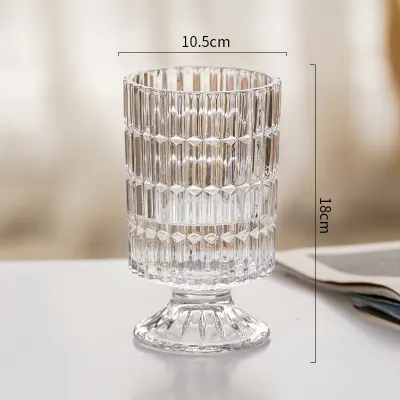
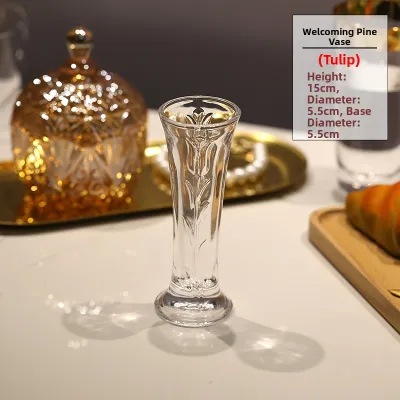
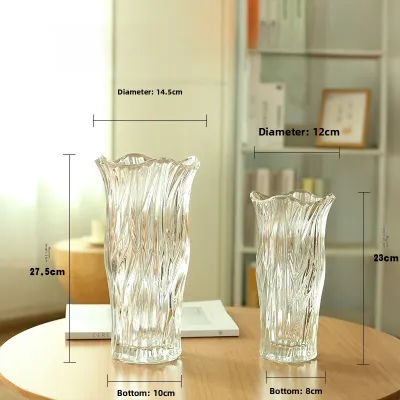
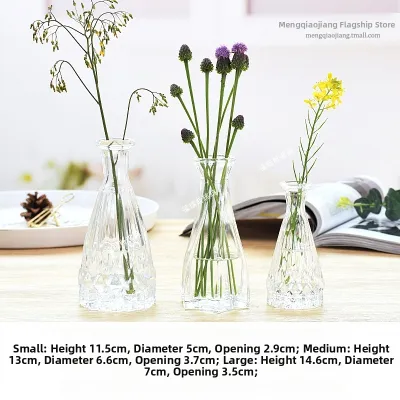
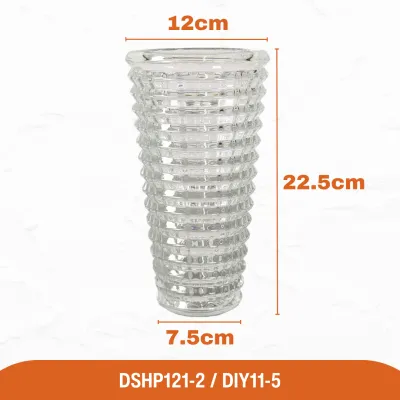
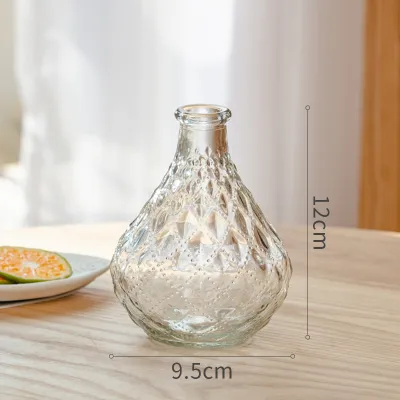
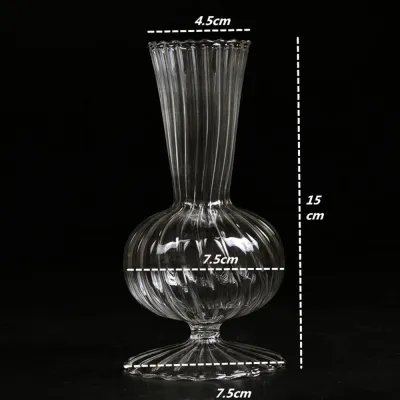
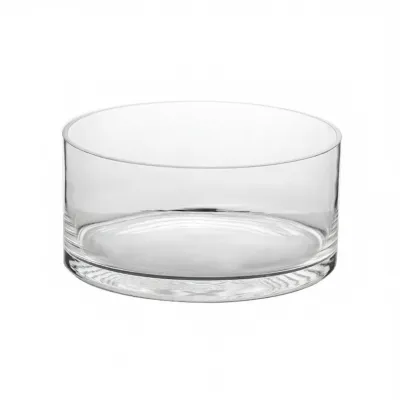
Prices are valid at publication and may change. Please refer to the product page for the latest price.
To ensure a vase remains truly minimalist, avoid pieces with ornate patterns, heavy relief textures, or distracting embellishments. Highly decorative elements often clash with modern tableware and draw too much attention away from the overall dining composition. Instead, look for subtle variations in finish—such as a soft satin glaze or a lightly textured matte surface—that provide tactile interest without disrupting the clean, uncluttered aesthetic of a contemporary dining room. The goal is to find a piece that feels integrated into the space, serving as a quiet accent rather than a loud distraction.
Sizing and Proportions for Unobstructed Dining
One of the most common mistakes in dining table styling is choosing a vase that disrupts the flow of conversation. To maintain clear sightlines across the table, follow the general rule of keeping both the vessel and its floral arrangements below the eye level of seated guests. Typically, this means the entire centerpiece should not exceed 30 to 35 centimeters in height from the tabletop. Before purchasing, sit at your dining table and note the height of your natural line of sight to establish a safe maximum limit for any decorative object.

The base diameter of the vase must also be scaled to your table’s width. In compact dining spaces, such as those found in modern Singapore apartments, table surface area is premium real estate. A vase with an excessively wide footprint can crowd place settings, serving platters, and essential tableware. Aim for a base diameter that occupies no more than one-third of the table’s total width, leaving ample clearance for plates, glassware, and serving utensils. This ensures that the table remains functional for meals without requiring you to constantly move the centerpiece.
Weight distribution and the center of gravity are equally important for a high-traffic dining environment. A top-heavy vase filled with water and long stems is highly susceptible to tipping if the table is bumped during a lively dinner. Opt for designs with a low center of gravity, such as tapered cones or wide-bottomed spheres. If you prefer tall, slender cylinders, ensure the base is sufficiently weighted or crafted from a heavy material like solid ceramic or thick-walled glass to prevent accidental spills. This is especially crucial if you frequently host gatherings or have young children in the home.
Choosing Materials and Finishes for Daily Use
The material of your minimalist vase dictates not only its visual impact but also its daily maintenance requirements. Clear glass is a popular choice for its ability to blend seamlessly into any decor scheme, allowing natural light to filter through the water. However, clear glass demands meticulous upkeep; waterlines, mineral deposits, and decaying stems are immediately visible. If you choose clear glass, plan on changing the water daily and cleaning the interior regularly. Frosted or smoked glass offers a practical alternative, diffusing light while partially concealing stem structures and water levels.
Matte and glazed ceramics provide excellent contrast against polished dining surfaces. Matte ceramics offer a soft, stone-like texture that absorbs light, creating a calm, grounded presence on the table. Glazed ceramics, on the other hand, feature a smooth, protective coating that resists water stains and is exceptionally easy to wipe clean. Because ceramic is completely opaque, it completely hides murky water and messy stems, making it a highly forgiving option for busy households. When cleaning ceramic, use warm water and mild dish soap, avoiding abrasive scrubbers that could scratch the delicate finish.
For a more industrial or contemporary edge, metals and concrete introduce unique structural accents. A brushed brass, stainless steel, or matte black metal vase adds a sophisticated metallic gleam to a modern dining room. Concrete vessels offer a raw, architectural texture that pairs beautifully with minimalist interiors. When selecting metal or concrete, always verify if the interior features a waterproof liner or plastic insert. Unlined metal can react with water and corrode over time, while porous concrete may slowly seep moisture, potentially damaging your dining table’s finish.
Styling and Pairing with Modern Dining Furniture
Integrating a minimalist vase into your dining room requires careful consideration of your existing furniture materials. If you have a warm, natural wood dining table, a matte white ceramic or smoked glass vase creates a striking, modern contrast. For marble or sintered stone tables, which often feature intricate veining, a simple, clear glass cylinder or a solid black ceramic vessel provides a clean visual anchor without competing with the tabletop’s natural patterns. Glass tables pair exceptionally well with opaque ceramic or metallic vases, which prevent the centerpiece from disappearing into the reflective surface.
Overhead lighting conditions also influence how your vase interacts with the space. Modern dining areas often feature low-hanging pendant lights or linear chandeliers directly above the table. Highly reflective surfaces, such as polished metal or high-gloss glass, can catch the light and create distracting glare for seated diners. In contrast, matte ceramic, concrete, or frosted glass surfaces softly diffuse overhead light, contributing to a warm, inviting dining ambiance. Consider how the color temperature of your dining room bulbs—whether warm white or cool daylight—will render the colors of your vase and floral arrangements.
When it comes to floral styling, the minimalist philosophy dictates that less is more. Dense, multi-colored bouquets can easily overwhelm a simple vessel and clash with modern decor. Instead, opt for single stems, structural branches, or architectural foliage. A single monstera leaf, a few stems of eucalyptus, or a sculptural dried branch can create a dramatic, elegant statement when placed in a minimalist vase. This approach not only highlights the unique form of the vessel but also requires minimal effort to maintain, making it perfect for busy lifestyles.
Pre-Purchase Checklist for Functionality and Safety
Before purchasing a new flower vase table centerpiece, run through a practical checklist to ensure it meets your functional and safety needs. First, verify the manufacturer’s specifications regarding watertight seals. Some decorative ceramic or concrete vessels are classified as “dry-only” and are not designed to hold water. If you plan to use fresh flowers, ensure the vase is explicitly rated as watertight, or be prepared to use a plastic liner.
Next, inspect the bottom of the vase. To protect expensive dining table surfaces—especially polished wood, marble, or glass—from scratches and moisture rings, the base should be perfectly smooth. Many high-quality vases feature integrated felt pads or silicone feet on the bottom. If the vase you prefer has a rough, unglazed ceramic or concrete base, plan to apply adhesive felt protectors yourself before placing it on your table. This simple step can prevent costly damage to your furniture.
Finaly, evaluate the size and shape of the neck opening. A very narrow neck is excellent for holding a single stem upright, but it can make cleaning the interior incredibly difficult. Over time, bacteria and mineral buildup can cloud the inside of the vase. Ensure the opening is wide enough to accommodate a bottle brush, or check if the material is dishwasher-safe for effortless maintenance. A functional vase should be as easy to care for as it is beautiful to look at.
Frequently Asked Questions (FAQ)
How tall should a dining table vase be?
For a central dining table arrangement, the combined height of the vase and flowers should generally remain under 30 to 35 centimeters. This ensures that guests sitting opposite each other can maintain eye contact and converse comfortably without shifting side to side. If you wish to use a taller, more dramatic vase, consider placing it off-center or at the end of the table during meals, or temporarily moving it to a sideboard when hosting dinner guests.
Can I use a minimalist vase without flowers?
Yes, high-quality minimalist vases are designed with strong sculptural forms that allow them to function beautifully as standalone decorative objects. A collection of two or three empty vases of varying heights and complementary shapes can create an elegant, modern vignette on your dining table. Alternatively, you can style them with dried botanicals, preserved pampas grass, or structural twigs, which require zero maintenance and last indefinitely.

Community discussion
Share your experience or ask a question. Comments are reviewed before publication.