
A home is a reflection of personal taste, and the objects chosen to populate it define its architectural atmosphere. In the realm of modern luxury home decor, vases and planters have evolved far beyond mere vessels for flora. They are now celebrated as standalone sculptural art pieces, where material integrity, structural balance, and meticulous craftsmanship take precedence over overt branding or superficial ornamentation. True luxury in home decor is defined by an uncompromising commitment to premium raw materials and intentional design. When selecting these pieces, understanding the subtle nuances of their construction, material properties, and finishing techniques is essential to identifying items that offer lasting aesthetic and structural value.
Premium Materials Used in High-End Vases and Planters
The choice of material dictates not only the visual presence of a vase or planter but also its durability, weight, and suitability for specific environments. High-end design prioritizes materials that possess inherent character, tactile depth, and structural resilience.
Natural Stone, Marble, and Cast Concrete
Natural stone, such as Carrara marble, travertine, and volcanic basalt, brings an irreplaceable organic elegance to interior spaces. Each piece carved from natural stone features unique veining, color variations, and geological patterns, ensuring that no two items are identical. Cast concrete, on the other hand, offers a clean, architectural aesthetic with a textured, industrial appeal that complements minimalist interiors.
Products mentioned in this guide
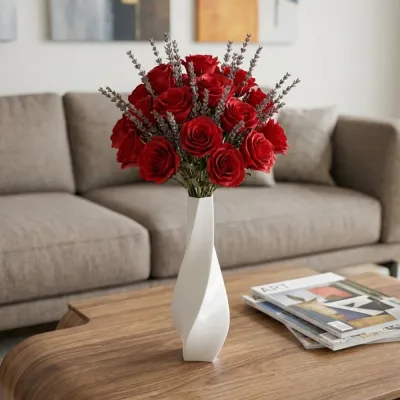
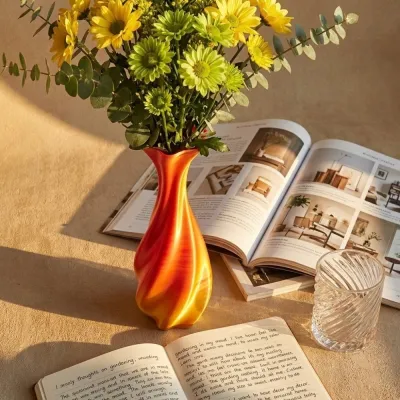
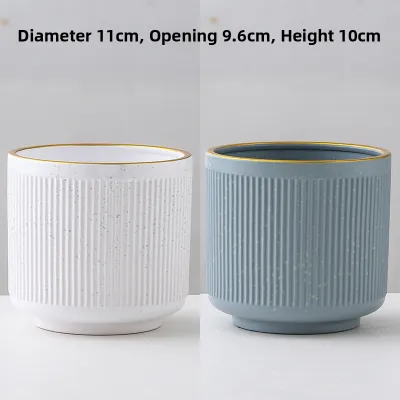
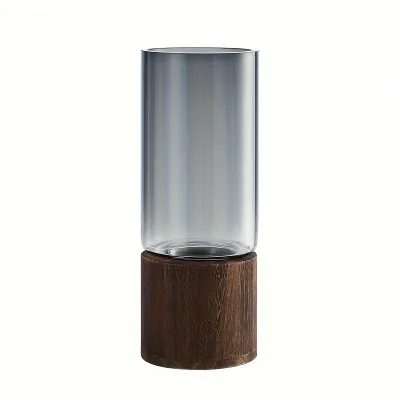
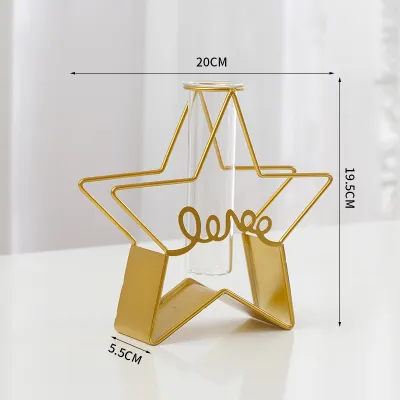
Prices are valid at publication and may change. Please refer to the product page for the latest price.
However, these heavy materials demand careful consideration of their physical properties and placement. Before placing a substantial stone or concrete planter on a delicate shelving unit, always verify the weight limits of the structure and consult the manufacturer’s specifications. For heavy planters positioned at height—such as on high-rise balconies or structural ledges common in urban residential developments—or for any suspended or wall-mounted vessels, always consult a qualified structural engineer or professional installer. Ensure you verify the load-bearing capacity of the surface and strictly follow the manufacturer’s installation instructions to mitigate safety risks. Furthermore, in high-humidity environments like Singapore, natural stone and concrete are highly susceptible to moisture absorption. To prevent unsightly water staining, efflorescence, or mold growth, verify that the material has been treated with a high-quality, breathable sealant and check the manufacturer’s care instructions regarding sealant reapplication.
High-Fire Ceramics, Porcelain, and Stoneware
While standard earthenware is porous and fragile, luxury ceramics rely on high-fire techniques that bake clay at temperatures often exceeding 1,200 degrees Celsius. This intense heat triggers vitrification, a process where the silica in the clay melts and turns into a glass-like state, making the ceramic dense, highly durable, and naturally water-resistant. Porcelain and stoneware represent the pinnacle of this craft, offering refined grain structures and exceptional strength.
When evaluating high-fire ceramics, closely inspect the piece for uniform glazing and the absence of hairline cracks, which can compromise structural integrity over time. Verify whether the planter or vase is fully vitrified if you intend to use it for water retention. Non-vitrified or poorly glazed ceramics may slowly seep moisture, requiring a separate plastic liner to protect surrounding furniture. High-quality stoneware and porcelain should feel solid, ring clearly when gently tapped, and exhibit a flawless fusion between the clay body and the glaze.
Metals, Crystal, and Art Glass
Reflective and transparent materials introduce dynamic light play into modern luxury home decor. High-end metal vessels often employ solid, brushed brass, copper, or stainless steel, which develop a rich patina over time or maintain a pristine luster. Art glass and lead-free crystal bases are valued for their clarity, refractive index, and substantial physical weight, elevating the visual impact of any floral arrangement.
To ensure the longevity of metallic pieces, verify whether the manufacturer has applied a protective clear coat to prevent oxidation and tarnishing, especially in humid tropical climates. For glass and crystal, inspect the thickness of the walls and the precision of the polished edges. Premium art glass is typically hand-blown, resulting in unique, subtle air bubbles or minor thickness variations that denote artisan production, whereas cheap glass often exhibits prominent mold seams and rough, unpolished rims that pose safety hazards.
Design Features and Finishes That Signal True Craftsmanship
Beyond the raw materials, the execution of design details distinguishes mass-produced items from genuine luxury decor. True craftsmanship manifests in the harmony between form, surface texture, and functional engineering.

- Sculptural and Architectural Forms: Modern luxury design favors bold, asymmetrical, or minimalist geometric silhouettes that command attention as independent art objects. Rather than serving as passive containers, these vases and planters interact with the surrounding space, casting dynamic shadows and creating architectural focal points. The balance of a sculptural piece must be mathematically precise, ensuring that even when top-heavy with large botanical arrangements, the center of gravity remains securely grounded.
- Hand-Applied Textures and Glazes: Mass-produced decor relies on uniform, machine-sprayed finishes that lack depth. In contrast, luxury ceramics and stone often feature hand-applied reactive glazes, hand-carved ridges, or hand-burnished matte surfaces. Reactive glazes undergo chemical transformations in the kiln, resulting in rich, multi-layered colorations and organic patterns that cannot be replicated. These tactile variations invite physical interaction and highlight the human element behind the creation.
- Seamless Construction and Hidden Engineering: A hallmark of luxury design is the elimination of visual clutter. High-end planters often feature concealed drainage systems, integrated saucers that sit flush with the main body, or seamless joins where different materials meet. When shopping, inspect the interior and the underside of the piece. True luxury items exhibit the same level of care on the inside and base as they do on the exterior, with hidden hardware and precision-engineered components that preserve the clean, uninterrupted lines of the design.
How to Evaluate Quality When Shopping for Luxury Decor
As the market for modern luxury home decor expands, discerning buyers must look beyond aesthetic appeal to verify structural quality and authentic craftsmanship. Use these key criteria to evaluate premium vases and planters before making an investment.
- Weight and Balance: A premium vase or planter should possess a reassuring, substantial weight that reflects the density of its materials. Thicker walls in glass, ceramic, or stone not only provide durability but also ensure the vessel remains stable when holding heavy branches or soil. Avoid pieces that feel surprisingly light for their size, as this often indicates thin, fragile construction or the use of cheap composite fillers.
- Base and Interior Finishing: Turn the vessel over to inspect the base. High-end manufacturers finish the bottoms of their products with the same meticulousness as the visible surfaces. Look for integrated felt or silicone pads that protect delicate tabletops from scratches. If the foot ring of a ceramic piece is unglazed, it should be polished perfectly smooth to prevent abrasion. The interior should also be clean, free of excess glaze pooling, and smoothly finished.
- Proportions and Lip Details: Examine the rim or lip of the vase. Luxury pieces feature refined, hand-rolled edges, precise bevels, or sharp, clean angles that require exceptional skill to execute. Mass-produced items frequently exhibit uneven rims, sharp unpolished glass edges, or sloppy glaze lines where the interior glaze meets the exterior finish. A perfectly executed lip ensures smooth water pouring and enhances the overall visual transition of the piece.
Safe Care and Maintenance for Premium Materials
Maintaining the pristine appearance of luxury home decor requires gentle, deliberate care. Because premium materials are often sensitive to harsh chemicals and environmental conditions, following proper cleaning protocols is essential to preserving their aesthetic value. Always consult the manufacturer’s care label and the specific material guidelines before attempting any deep cleaning.
- Stone and Ceramic: For daily maintenance, dust natural stone and ceramic vessels with a clean, dry microfiber cloth. When washing is necessary, use only lukewarm water and mild, pH-neutral soap. Avoid acidic cleaners, vinegar, lemon juice, or abrasive scrubbing pads, which can etch the surface of natural stone, strip protective sealants, or degrade delicate reactive glazes. If a stone planter is placed in a high-humidity area, ensure it is dried thoroughly after cleaning to prevent mold or mildew from taking root in the pores.
- Metal and Glass: Gently dry metal and glass vessels immediately after washing to prevent the formation of unsightly hard water spots, which are particularly common in municipal water supplies. Before using any metal polishes or glass cleaners, refer to the manufacturer's care instructions. Many luxury metal pieces feature a delicate protective lacquer; using abrasive polishes can strip this coating, leading to rapid tarnishing and uneven coloration. If you notice a protective finish beginning to peel or degrade, stop cleaning immediately and consult a professional restoration service.
Frequently Asked Questions (FAQ)
Do luxury planters need drainage holes?
Many luxury planters are designed as cachepots, which are decorative outer pots without drainage holes. This design protects expensive flooring, carpets, and wooden furniture from water damage. To use a cachepot safely, keep your plant in a standard plastic nursery pot with drainage holes, and place a small layer of gravel or a plastic spacer at the bottom of the luxury planter before inserting the nursery pot. This setup allows excess water to drain out of the soil while keeping the roots from sitting in stagnant water, preventing root rot. Always verify the interior waterproofing of the cachepot before use.
How can I tell if a ceramic vase is hand-thrown or molded?
Hand-thrown ceramic pieces typically exhibit subtle, organic imperfections, such as slight variations in wall thickness, asymmetrical silhouettes, and circular throwing rings on the interior walls left by the artisan’s fingers. The base of a hand-thrown piece often shows wire-cut marks from when it was removed from the potter’s wheel. Molded pieces, conversely, are highly symmetrical and often feature faint, vertical seam lines on opposite sides of the exterior. However, because some high-end manufacturers use molds but hand-finish the surfaces to mimic artisanal traits, always check the product documentation or the artisan’s mark on the base for definitive confirmation.

Community discussion
Share your experience or ask a question. Comments are reviewed before publication.