
Choosing the perfect black vase is more than a simple shopping task; it is an exercise in balancing form, light, and texture to elevate your living space. A black vase acts as a visual anchor, drawing the eye and providing a sophisticated contrast to lighter walls and colorful floral arrangements. Whether you are decorating a compact apartment, a spacious condominium, or a landed home, the style of vase you select can either harmonize beautifully with your existing decor or create an awkward visual clash. By understanding the nuances of modern, minimalist, industrial, and luxury designs, you can confidently choose a piece that complements your home’s unique aesthetic.
Identifying the Four Core Black Vase Styles
To find a vase that seamlessly integrates into your home, you must first learn to identify the visual characteristics of the four primary design styles. The color black is incredibly versatile, but its impact changes dramatically depending on the shape, finish, and texture of the object. Some styles use black to absorb light and create deep, dramatic shadows, while others rely on highly reflective surfaces to bounce light around the room and create a sense of openness.
Understanding these differences allows you to look past generic product labels and evaluate a vase based on its observable design elements. By focusing on the silhouette and surface treatment, you can determine whether a piece leans toward a clean, contemporary look or a more rugged, traditional feel. This baseline knowledge is essential for making an informed purchase that aligns with your personal taste and interior goals.
Products mentioned in this guide
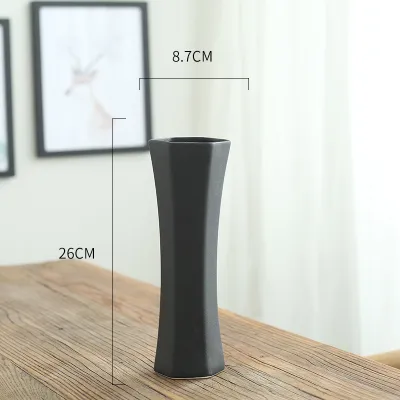
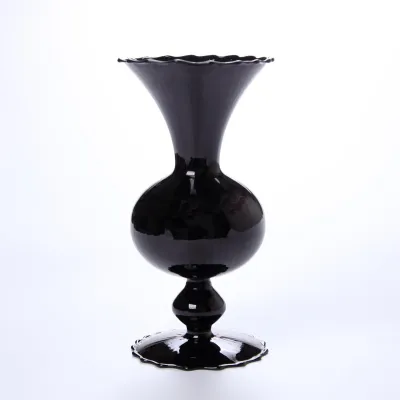

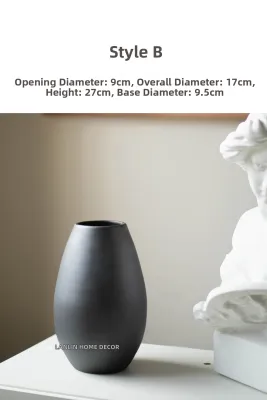
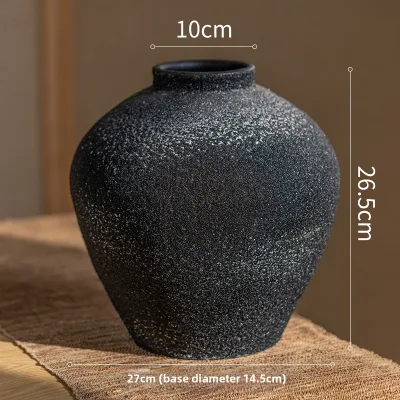
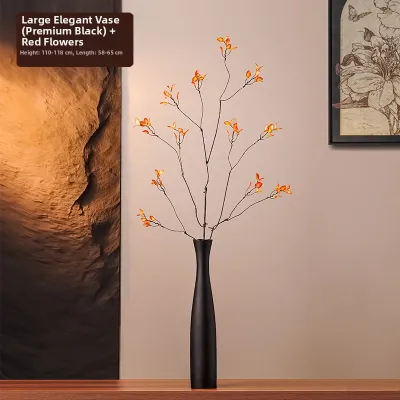
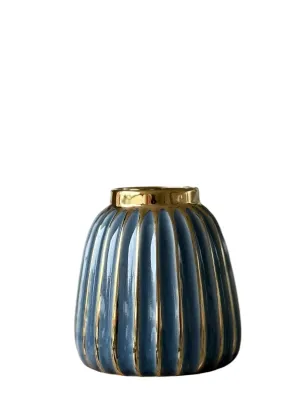
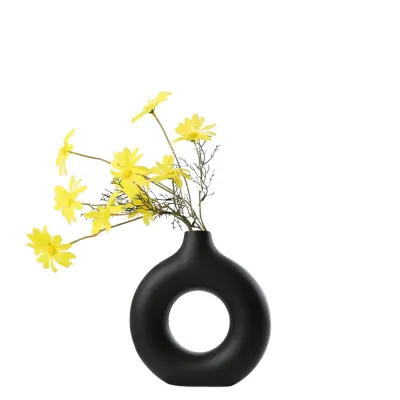
Prices are valid at publication and may change. Please refer to the product page for the latest price.
Modern Geometric and Minimalist Cylindrical
Modern geometric black vases are defined by their bold, structural lines and sculptural silhouettes. These pieces often feature sharp facets, asymmetrical curves, or architectural cutouts that play with positive and negative space. Instead of relying on surface patterns, modern geometric designs use their physical form to make a statement, making them excellent standalone art pieces even when left empty. They are ideal for homeowners who want to introduce a sense of dynamic energy and artistic flair to their tabletops or shelves.
In contrast, minimalist cylindrical vases embrace the philosophy of simplicity and restraint. These designs prioritize clean, unadorned forms such as perfect cylinders, soft spheres, or gentle cones. The finish is almost always a smooth, non-reflective matte that absorbs light, creating a soft, velvety appearance. This understated approach allows the vase to blend quietly into its surroundings, serving as a subtle backdrop that highlights the natural beauty of a single botanical stem or a delicate floral arrangement.
Industrial Textured and Luxury Glossy
Industrial textured black vases celebrate raw, tactile beauty and intentional imperfection. These pieces often feature heavily distressed surfaces, ribbed patterns, hammered metal finishes, or coarse, sand-like glazes that mimic concrete, cast iron, or volcanic rock. The appeal of the industrial style lies in its rugged, organic feel, which introduces a sense of history, craftsmanship, and physical weight to a space. It is a style that feels grounded, making it perfect for adding depth to casual, lived-in environments.
Luxury glossy black vases, on the other hand, are designed for high-end refinement and dramatic visual impact. These pieces typically boast polished glass, glazed ceramic, or metallic-accented finishes that catch and multiply the ambient light in a room. Whether it is a liquid-like obsidian sheen or a hand-blown glass vase with subtle gold banding, luxury designs are meant to stand out. They bring a polished, sophisticated touch to formal spaces, reflecting light in a way that feels bright and upscale.
Matching Vase Styles to Your Existing Room Decor
Integrating a black vase into your home requires a thoughtful analysis of your current interior design theme. A common mistake is selecting a vase solely based on its individual appeal, without considering how it will interact with the surrounding furniture, wall treatments, and textiles. To create a cohesive look, you should aim to match the physical properties of the vase with the dominant textures and lines of your room.

For homes featuring industrial elements—such as exposed brick walls, raw timber shelving, or black steel window frames—an industrial textured vase is a natural fit. The coarse surface of a hammered metal or rough stoneware vase complements the tactile quality of these materials, preventing the space from feeling too cold or sterile. Conversely, if your home leans toward a luxury or classic contemporary aesthetic, characterized by marble countertops, velvet upholstery, and brass fixtures, a high-gloss or metallic-accented black vase will enhance the upscale atmosphere.
Before finalizing your choice, use this practical checklist to evaluate your room’s suitability:
- Color Palette: Does the room feature high-contrast tones where a black vase can act as a visual bridge, or is it a soft, neutral space where a black vase will serve as a bold focal point?
- Lighting Conditions: Does the room receive abundant natural light that will highlight the subtle textures of a matte vase, or is it a dimly lit space where a glossy vase is needed to reflect ambient light?
- Furniture Lines: Are your furniture pieces dominated by clean, straight lines (favoring minimalist cylindrical shapes) or organic, curved silhouettes (favoring modern geometric forms)?
The following table maps common interior design themes to their most compatible black vase styles and finishes:
| Interior Design Theme | Recommended Vase Style | Ideal Finish & Texture | Suggested Placement |
|---|---|---|---|
| Scandinavian / Japandi | Minimalist Cylindrical | Smooth matte, unglazed ceramic | Light oak sideboard, dining table |
| Mid-Century Modern | Modern Geometric | Satin finish, sculptural curves | Teak credenza, floating shelves |
| Industrial Loft | Industrial Textured | Ribbed, hammered metal, coarse stone | Concrete console, metal shelving |
| Modern Luxury / Glam | Luxury Glossy | High-gloss obsidian, gold-rimmed glass | Marble coffee table, entryway console |
Evaluating Size, Proportion, and Maintenance
Achieving visual harmony with a black vase depends heavily on scale and proportion. A vase that is too small will look lost on a large dining table, while an oversized piece can overwhelm a delicate floating shelf. As a general rule of thumb, the height of your vase should be proportional to the surface it sits on; for instance, a tabletop vase should typically occupy about one-third of the vertical space between the tabletop and any overhead fixtures or shelves.
When planning placement on high shelves, narrow console tables, or wall-mounted ledges, always consider the weight and stability of the vase. Heavy stoneware or thick-walled ceramic vases are excellent for high-traffic areas like entryways, as they are less likely to tip over. Conversely, lightweight composite or thin glass vases should be placed in protected areas where they cannot be easily bumped. For wall-mounted vases or hanging planters, it is crucial to verify the weight capacity of your wall anchors and ensure secure mounting to prevent damage. If you are installing heavy decorative fixtures at height, always follow the manufacturer’s installation instructions or consult a qualified professional to ensure safety.
Maintenance is another critical factor that varies significantly by finish. Matte black surfaces are highly susceptible to showing fingerprints, oil smudges, and water spots, which can detract from their clean appearance. Glossy finishes, while highly reflective, tend to highlight fine dust particles and lint much more quickly than textured or matte surfaces. In humid tropical climates, such as in Singapore, dust can easily cling to surfaces, making regular upkeep essential.
To keep your vase looking pristine, always refer to the manufacturer’s specific care instructions. Porous, unglazed ceramics or terracotta may not be entirely waterproof and can weep moisture onto wooden furniture, requiring a protective coaster or an internal plastic liner. For cleaning, a dry microfiber cloth is generally safest for matte finishes, while a damp, soft cloth can be used to gently wipe down glossy glass or glazed ceramic.
Verifying Specifications Before You Buy
Shopping for home decor on online marketplaces offers unparalleled convenience, but it requires careful verification of product specifications to avoid disappointment. Never rely solely on product photos, which can be styled with forced perspectives that make a vase appear larger or smaller than it actually is. Whether you are investing in a premium S$150 designer piece or a budget-friendly S$20 option, verifying the physical details is key to a successful purchase.
Always navigate to the detailed specifications section of the product listing to verify the exact height, mouth diameter, base diameter, and weight. Checking the mouth diameter is particularly important if you plan to use the vase for fresh floral arrangements, as a narrow opening will limit the volume of stems you can insert, while an exceptionally wide mouth may require a flower frog or grid to keep stems upright.
Material composition should also be scrutinized. Some listings may use terms like “ceramic-look” or “stone-style” to describe lightweight plastic or resin composites. While these materials can be durable and lightweight, they may lack the premium weight and tactile quality of genuine ceramic or stoneware.
Finally, because vases are inherently fragile, review the retailer’s packaging guarantees and return policies before checking out. Ensure the seller uses robust protective packaging, such as molded foam or thick bubble wrap, and verify that you can easily request a replacement or refund if the item arrives damaged during transit.
Frequently Asked Questions (FAQ)
Can I mix different black vase styles in the same room?
Yes, you can successfully mix different black vase styles in the same room by focusing on visual balance and contrast. To prevent the arrangement from looking cluttered, vary the heights and silhouettes of the vases while keeping their color consistent. For example, pairing a tall, smooth minimalist cylinder with a shorter, highly textured industrial vase creates an engaging interplay of form and surface.
To anchor the collection and make it look intentional, group the vases together on a unifying element, such as a wooden tray, a marble slab, or a specific section of a sideboard. This creates a curated vignette rather than a scattered assortment of decor.
Do black vases show dust more easily than lighter colors?
Black vases do tend to show light-colored dust more prominently than white or pastel vases due to the high visual contrast. However, the visibility of dust depends largely on the surface finish rather than the color alone. High-gloss finishes act almost like mirrors, making even fine layers of dust highly visible under direct light, whereas heavily textured or ribbed industrial finishes are much better at concealing dust.
To maintain your vase without causing damage, check the manufacturer’s recommended cleaning methods. For most finishes, a soft, dry microfiber cloth or an electrostatic duster is ideal for removing dust without scratching the surface. Avoid using harsh chemical cleaners or abrasive pads, which can permanently strip away matte coatings or scratch polished glazes.

Community discussion
Share your experience or ask a question. Comments are reviewed before publication.