
Finding an outdoor wall light that can survive Singapore’s relentless tropical climate is a significant challenge for homeowners. With relative humidity levels frequently hovering near 100% and sudden, heavy monsoon downpours, poorly constructed fixtures quickly succumb to water ingress, corroded circuitry, and failed motion sensors. To ensure long-term performance, you must focus on specific engineering standards rather than aesthetic appeal alone.
A truly durable outdoor wall light for Singapore’s environment requires a minimum protection level of IP65 for fully exposed areas, a housing constructed from corrosion-resistant materials like die-cast aluminum or UV-stabilized polycarbonate, and a sensor module designed to handle high ambient temperatures. By prioritizing these technical specifications, you can select a brand that delivers reliable security lighting year after year without premature failure.
How Singapore's Tropical Weather Affects Outdoor Wall Lights
Singapore’s equatorial climate presents a unique combination of environmental stressors that actively degrade outdoor electrical installations. The primary culprit is persistent high humidity, which accelerates oxidation and creates micro-condensation inside the light fixture. When warm, humid air penetrates a poorly sealed housing, it cools down during the night, leaving fine water droplets directly on the internal printed circuit boards. Over time, this moisture causes electrical short circuits, ruins the LED driver, and corrodes the delicate wiring of the motion sensor.
Products mentioned in this guide
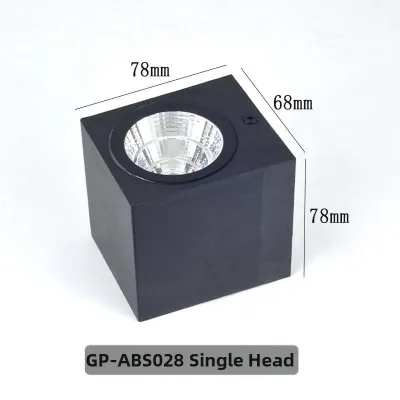
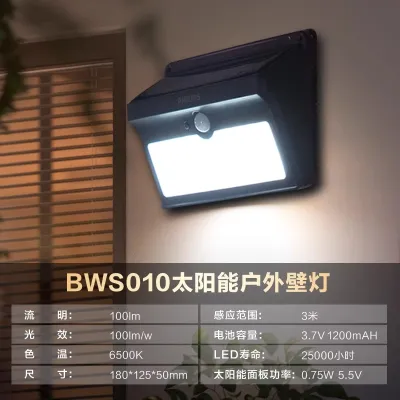
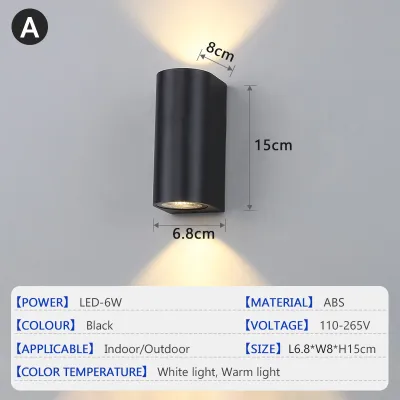
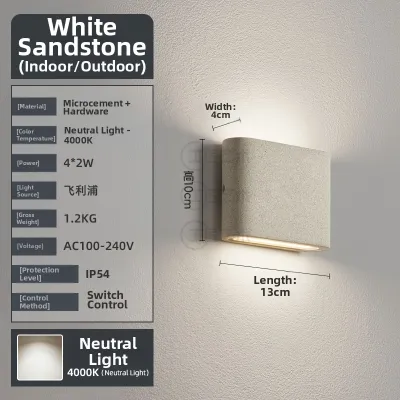
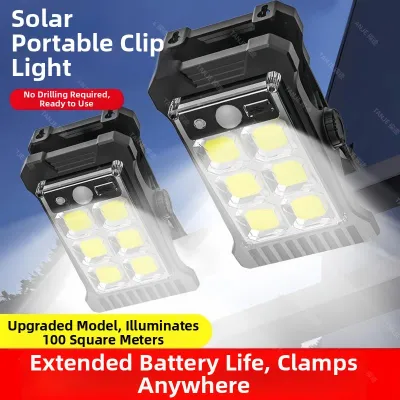
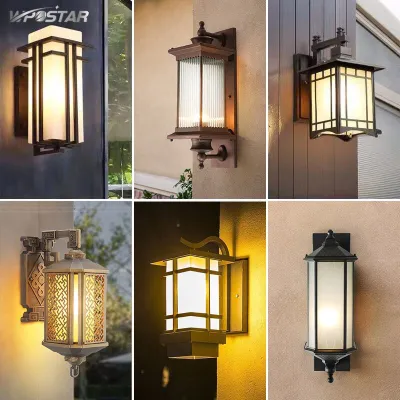
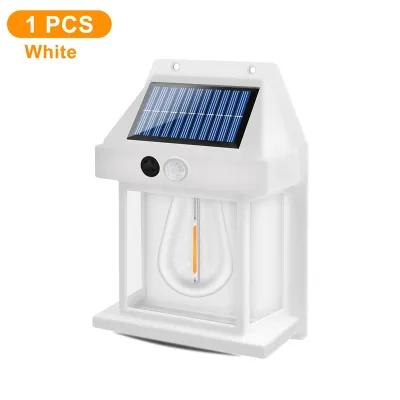
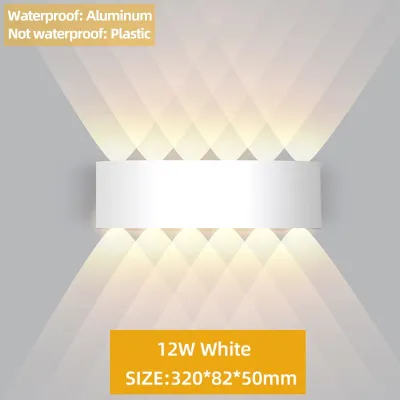
Prices are valid at publication and may change. Please refer to the product page for the latest price.
Heavy monsoon rains and wind-driven water present another severe threat to your outdoor wall light. During intense storms, rain does not just fall vertically; wind drives water horizontally and upward at high velocity, forcing moisture into tiny gaps around lenses, screws, and wire entry points. If a fixture is only rated for light splashing, these pressurized water jets will easily bypass the seals, flooding the housing and permanently disabling the light.
Furthermore, the intense tropical sun and high ambient temperatures degrade materials at an accelerated rate. Prolonged exposure to ultraviolet (UV) radiation breaks down standard plastics, causing them to yellow, become brittle, and eventually crack under minimal stress. High ambient heat also directly impacts the performance of passive infrared (PIR) motion sensors. Because these sensors rely on detecting temperature differences between a moving human body and the surrounding environment, high outdoor temperatures reduce the thermal contrast, leading to missed detections or a significantly shortened detection range.
Critical IP Ratings and Material Specs for an Outdoor Wall Light
When shopping for a durable outdoor wall light, the Ingress Protection (IP) rating is your first line of defense. This two-digit code defines how well the fixture prevents solids and liquids from entering its internal compartments. The first digit represents protection against solid particles (ranging from 0 to 6), while the second digit represents protection against liquids (ranging from 0 to 9). For Singapore’s climate, understanding these ratings is essential to match the light to its specific exposure level.

For fully exposed walls that bear the brunt of monsoon downpours, look for an outdoor wall light with a minimum rating of IP65. An IP65 rating guarantees that the fixture is completely dust-tight and can withstand low-pressure water jets from any direction. If the fixture is installed in a highly exposed, unsheltered area prone to severe wind-driven rain, upgrading to an IP66 rating provides additional peace of mind, as it certifies protection against high-pressure, powerful water jets. For partially sheltered areas like deep balconies or covered carports, an IP44 or IP54 rating may suffice, protecting against splashing water but offering less resistance to direct, heavy rain.
Housing materials are equally critical in preventing premature structural failure. Die-cast aluminum with a high-quality, anti-corrosion powder coating is the industry standard for durability, as it dissipates heat efficiently while resisting rust. For properties located near coastal areas where salt spray accelerates corrosion, marine-grade 316 stainless steel or high-impact, UV-resistant polycarbonate covers are highly recommended. Polycarbonate is particularly resilient against UV degradation and physical impacts, making it an excellent choice for tropical outdoor environments.
Conversely, you should avoid fixtures made from untreated iron, low-grade steel, or cheap, non-UV-stabilized plastics. Untreated metals will rust within months of exposure to Singapore’s humid air, leaving unsightly orange streaks on your walls and compromising the structural integrity of the light. Standard glass covers should also be approached with caution; unless they are tempered or thermal-shock resistant, sudden temperature drops caused by a cold downpour hitting a hot light fixture can cause the glass to crack or shatter.
Always inspect the construction details of the outdoor wall light before purchase. High-quality fixtures feature thick, integrated rubber or silicone gaskets around the lens, the backplate, and the mounting screws. These gaskets act as physical barriers that compress when the fixture is assembled, creating a watertight seal that prevents humidity and insects from crawling inside.
Choosing the Right Motion Sensor Technology for Rain and Heat
The effectiveness of your outdoor wall light depends heavily on the type of motion sensor technology it utilizes. The two most common options are Passive Infrared (PIR) and Microwave (Radar) sensors, each interacting differently with Singapore’s hot and wet weather. Understanding how these technologies function in tropical conditions will help you select the most reliable option for your home.
PIR sensors are the most common choice for residential security lighting. They operate by detecting changes in infrared radiation, which essentially means they look for moving heat sources, such as a person or a vehicle. However, when ambient temperatures approach human body temperature (around 37°C), the thermal contrast between a person and the background environment shrinks. This lack of contrast can cause the sensor to become sluggish, requiring a person to get much closer to the light before it triggers. To counter this, look for brands that offer dual-element PIR sensors or models equipped with adjustable sensitivity dials, allowing you to fine-tune the sensor’s response during the hottest months.
Microwave sensors, on the other hand, emit high-frequency radio waves and measure the reflection off moving objects. This technology is highly sensitive and completely unaffected by ambient air temperature, making it incredibly reliable in hot climates. Furthermore, microwave signals can easily penetrate plastic, glass, and thin non-metallic materials, allowing the sensor to be completely sealed inside the light housing for maximum weather protection. The primary drawback of microwave sensors is their extreme sensitivity; they can detect motion through thin walls, and heavy monsoon rain, blowing foliage, or passing street traffic can trigger frequent false alarms.
To minimize false triggers and maintain optimal performance, search for outdoor wall lights that feature advanced signal processing or dual-technology sensors that combine both PIR and microwave detection. Additionally, ensure that the sensor lens itself is protected by an anti-condensation cover. A moisture-resistant, sealed sensor module prevents water droplets from pooling over the lens, which would otherwise distort the detection field and cause the light to remain on indefinitely or fail to activate when needed.
How to Identify Reliable Brands and Verify Local Compliance
Identifying a durable outdoor wall light brand requires looking past superficial marketing claims and focusing on verifiable quality indicators. Reputable manufacturers of outdoor lighting invest heavily in environmental testing, subjecting their fixtures to simulated salt spray, extreme humidity chambers, and thermal stress tests. When evaluating brands, prioritize those that specialize in architectural or industrial-grade outdoor lighting, as their residential product lines often share the same robust engineering standards.
In Singapore, verifying electrical safety compliance is a critical step before purchasing any fixed outdoor light. Look for products that carry recognized safety certifications, such as the Enterprise Singapore Safety Mark, which indicates that the appliance has been tested and approved for safe use under local voltage and environmental conditions. Installing non-compliant, uncertified electrical fixtures can void your home insurance, pose a fire hazard, and lead to premature product failure due to improper voltage regulation or inadequate insulation.
When researching brands online, read user reviews strategically rather than focusing solely on overall star ratings. Filter reviews to look for feedback from buyers in tropical or coastal regions, and search for specific keywords such as “condensation,” “rust,” “sensor failure,” or “water ingress.” A product that receives high ratings in a dry, temperate climate may fail rapidly when subjected to Singapore’s relentless humidity. Pay close attention to how long reviewers report the light lasting; a fixture that fails within six to twelve months is likely suffering from poor sealing or low-grade internal components.
Additionally, consider the availability of local support and replacement parts. Established brands with a physical presence or authorized distributors in Singapore offer significant advantages over generic, unbranded imports. If a sensor module or an LED driver fails due to a power surge or a severe storm, a reputable brand will often provide replacement components and honor their warranty locally. This saves you from having to replace the entire outdoor wall light fixture, reducing waste and long-term maintenance costs.
Installation Boundaries and Maintenance for Long-Term Durability
Even the most durable outdoor wall light can fail prematurely if it is installed incorrectly or neglected. To maximize the lifespan of your fixture, you must follow proper installation practices and establish a simple, routine maintenance schedule. The mounting location of your light plays a significant role in its exposure to environmental wear and tear.
Whenever possible, install your outdoor wall light in a location that offers some physical protection from the elements, such as under an eave, a soffit, or a balcony overhang. This simple placement strategy dramatically reduces the volume of direct rainwater hitting the fixture and limits UV exposure. Additionally, keep the light away from air-conditioner condenser exhaust units. The constant blast of hot, dry air from an AC exhaust can confuse PIR sensors, cause rapid degradation of plastic components, and accelerate the wear of rubber gaskets.
During installation, applying an outdoor-grade silicone sealant is a vital step that is often overlooked. Apply a neat bead of silicone sealant around the top and sides of the light’s mounting plate where it meets the wall, leaving the bottom edge open. This bottom gap is crucial because it allows any internal condensation that does manage to form to drain out safely, while the sealed top and sides prevent rainwater flowing down the wall from seeping behind the fixture and reaching the electrical junction box.
To keep your motion sensor light operating at peak efficiency, perform a quick visual inspection and maintenance check every six months. Use a soft, damp cloth to wipe away accumulated dust, spiderwebs, and dirt from both the light lens and the motion sensor cover, as a dirty sensor lens can drastically reduce detection range. Inspect the silicone seals and rubber gaskets for any signs of cracking, peeling, or hardening, and replace them if they show signs of degradation. Also, check the housing for any small insect nests or debris that could block ventilation or trap moisture against the electronic components.
Finally, remember that any fixed wiring, electrical modifications, or installations of outdoor wall lights must be performed by a licensed electrical worker (LEW) in Singapore. Working with high-voltage electricity in outdoor, wet environments carries extreme risks of electrical shock and short circuits. A professional electrician will ensure that the circuit is properly grounded, that the cable entries are completely watertight, and that the installation complies with Singapore Standard SS 638 (Code of Practice for Electrical Installations).
Frequently Asked Questions (FAQ)
Can I use an indoor motion sensor light outside if it is under a sheltered porch?
No, you should never use an indoor-rated motion sensor light in any outdoor or semi-outdoor space, even if it is fully sheltered under a porch. Indoor lights lack the specialized gaskets, sealed housings, and corrosion-resistant coatings required to withstand outdoor environments. Singapore’s high ambient humidity will quickly penetrate the unsealed housing of an indoor light, leading to internal condensation, rapid corrosion of the circuit boards, and a high risk of electrical short circuits. Additionally, blowing rain during severe monsoon storms can easily reach a sheltered porch, creating a direct safety hazard. For semi-outdoor areas, always choose a fixture with a minimum rating of IP44 or IP54 to ensure adequate protection against moisture and splashing water.
Are solar-powered motion sensor wall lights reliable in Singapore's weather?
Solar-powered motion sensor wall lights can be useful for specific, low-security applications, but they face significant reliability challenges in Singapore’s climate. The frequent cloud cover, heavy monsoon rains, and shade from high-rise buildings or mature trees can severely limit the amount of direct sunlight the solar panel receives, resulting in inconsistent charging and reduced battery life. Furthermore, the high ambient heat in Singapore can accelerate the degradation of the internal lithium-ion batteries, leading to a rapid decline in their capacity to hold a charge. If you choose a solar option, avoid cheap, integrated models; instead, opt for high-quality units with separate solar panels that can be mounted in direct, unshaded sunlight, and use them primarily in areas where hardwiring is completely impractical.

Community discussion
Share your experience or ask a question. Comments are reviewed before publication.