
MUJI aroma diffusers have earned a distinct reputation in the home fragrance market, primarily recognized for their clean, minimalist design and reliable ultrasonic misting technology. For homeowners in Singapore seeking to balance indoor humidity—especially in dry, air-conditioned bedrooms or home offices—these devices serve as both functional tools and understated decorative accents. Unlike complex smart home gadgets or high-intensity waterless nebulizers, the classic MUJI diffuser focuses on simplicity, utilizing a gentle ultrasonic vibration to disperse essential oils alongside a soft, warm ambient glow.
When evaluating how these diffusers compare to other brands available in Singapore, the decision often comes down to a choice between aesthetic integration, technological features, and scenting intensity. While MUJI excels in tactile simplicity and visual harmony, other market alternatives offer advanced features such as mobile application scheduling, larger water reservoirs for extended runtimes, or waterless nebulizing mechanisms for stronger fragrance delivery. Understanding these key differences allows you to select a device that aligns with your specific spatial layout, maintenance preferences, and lifestyle needs.
Core Features and Design Elements of MUJI Aroma Diffusers
The defining characteristic of a MUJI aroma diffuser is its minimalist aesthetic, which seamlessly integrates into various interior design styles, from Scandinavian to contemporary Asian decors. The outer casing is typically constructed from a high-quality, matte-finished polypropylene plastic. This material is selected not only for its durability and resistance to the corrosive nature of pure essential oils but also for its semi-translucent quality. When the internal light is active, the plastic shell diffuses the glow evenly, creating a soft, non-glaring illumination that functions well as a nightlight or bedside lamp. This perceived color temperature and spatial effect are highly subjective, serving as a conditional preference for users who value a cozy, warm atmosphere over bright, color-changing light shows.
Products mentioned in this guide
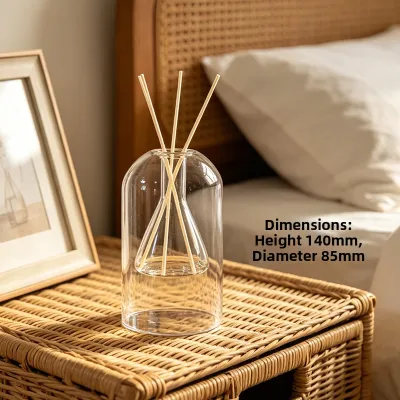
![[KIRONA SCENT] Twilight Wishes Aroma Diffuser 100ml | Muji Style Humidifier with 7 LED Lights | For Living Room Bedroom Offices Gifts](https://img.lazcdn.com/g/p/ee7550852c1a0b19dc5ac05d82b3147b.jpg_400x400q80.jpg_.webp)
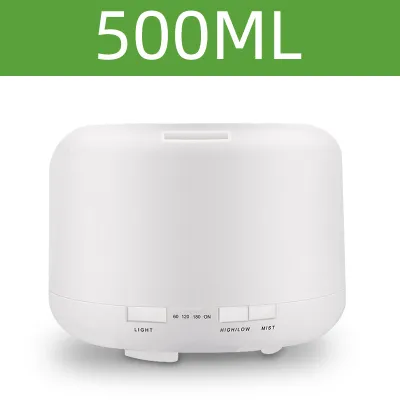
![[SG SELLER LOCAL STOCK] [Limited Sales] 500ML MUJI STYLE Ultrasonic Humidifier Aroma](https://img.lazcdn.com/g/p/36448d0fbef1998bf72f339063d00560.jpg_400x400q80.jpg_.webp)
Prices are valid at publication and may change. Please refer to the product page for the latest price.
At the heart of the device is an ultrasonic misting mechanism. Rather than using heat, which can alter the chemical composition and therapeutic properties of essential oils, the diffuser employs a small ceramic plate that vibrates at an ultrasonic frequency. This vibration breaks down the water and added essential oils into an extremely fine, cool mist that is easily dispersed into the air. This process is remarkably quiet, producing only a faint, rhythmic hum and the occasional gentle sound of trickling water. For bedroom or office environments where concentration or sleep is paramount, this low noise level is a significant practical benefit.
Safety and user control are integrated through straightforward, tactile physical buttons rather than digital screens. Standard models feature built-in safety sensors that trigger an automatic shutoff mechanism when the water level in the reservoir drops below a designated threshold, preventing the ultrasonic plate from running dry and overheating. Additionally, the devices offer standard timer settings—typically ranging from 30 to 180 minutes—allowing users to control the duration of the misting cycle without needing to monitor the device constantly. The lighting function operates independently of the mist, featuring adjustable brightness levels to suit different times of day.
Key Comparison Dimensions for Essential Oil Diffusers
To make an informed choice between MUJI and other brands in Singapore, it is helpful to evaluate several objective performance dimensions. The first is tank capacity, which directly dictates the continuous runtime of the device. Small, desktop-sized diffusers generally hold around 100 ml of water, providing a few hours of mist, while larger tabletop models can hold 300 ml to 500 ml or more, allowing them to run throughout the night. Matching the tank capacity to your intended usage pattern prevents the inconvenience of frequent manual refills.

Another critical dimension is the mist output mode and the corresponding room coverage area. Some diffusers offer both continuous and intermittent misting modes. Intermittent misting—where the device cycles on and off at set intervals—can significantly extend the runtime of a single tank and prevent scent fatigue, which occurs when the senses become desensitized to a constant fragrance. The effective coverage area must also match your room size; a compact diffuser designed for a small study will struggle to disperse scent effectively across a large, open-concept living room.
Power source requirements and physical placement flexibility are also important. While many traditional diffusers rely on a dedicated mains power adapter, some modern alternatives utilize USB connections, allowing them to be powered by laptops or portable power banks. When planning your setup, consider the provided cord length and the proximity of electrical outlets. Because these devices generate a fine moisture mist, they require careful placement to avoid damage to nearby surfaces.
Finally, ease of cleaning is a vital but often overlooked factor. Because essential oils leave behind oily residues and water can harbor mineral deposits, the water tank and ultrasonic plate must be cleaned regularly. Diffusers with wide-mouth openings and easily accessible internal components are much simpler to maintain than those with narrow, complex chambers. A device that is difficult to clean is more likely to be neglected, leading to mold growth or mechanical failure over time.
MUJI vs. Competing Brands: Feature and Specification Matrix
To help visualize how MUJI compares to other common categories of diffusers found in Singapore, the following matrix outlines typical specifications across three distinct product types. Because exact specifications, stock availability, and S$ pricing fluctuate over time, you should always verify these details on official brand stores or authorized online marketplaces before making a purchase.
| Feature | MUJI Ultrasonic Diffuser (Typical) | Premium Smart Diffuser (Typical) | Budget Ultrasonic Diffuser (Typical) |
|---|---|---|---|
| Tank Capacity | 100 ml to 350 ml | 300 ml to 500 ml | 100 ml to 500 ml |
| Maximum Runtime | 3 to 6 hours | 10 to 24 hours (Intermittent) | 3 to 10 hours |
| Timer Options | 30 / 60 / 120 / 180 minutes | Fully customizable via mobile app | Basic 1h / 3h / continuous |
| Auto-Shutoff | Yes (When water runs low) | Yes (With app notifications) | Yes (When water runs low) |
| Primary Material | Polypropylene (PP) plastic | Ceramic, glass, wood, or premium plastic | Standard ABS or thin plastic |
| Lighting Features | Warm LED (2 adjustable brightness levels) | Full RGB color spectrum (App-controlled) | Multi-color cycling LED (Manual button) |
| Control Interface | Physical tactile buttons | Mobile app, voice control, or buttons | Physical buttons or basic remote |
| Power Source | Dedicated AC adapter | Dedicated AC adapter or USB-C | USB-C or basic DC adapter |
This matrix highlights that while MUJI focuses on a refined, manual user experience with high-quality materials, premium smart brands offer greater scheduling flexibility and integration into home automation systems. On the other hand, budget alternatives often provide similar basic functions at a lower entry point, though they may use thinner plastics and lack the aesthetic cohesion of more established brands.
Decision Framework: When to Choose MUJI vs. Alternatives
Selecting the right diffuser depends heavily on your lifestyle, aesthetic preferences, and functional requirements. You should choose a MUJI aroma diffuser if you prioritize a clean, minimalist design that blends effortlessly into your home decor. It is an excellent choice for those who prefer straightforward, tactile operation without the need to navigate mobile applications or connect to Wi-Fi networks. The gentle, warm light and quiet operation make it particularly suited for bedrooms, reading corners, or workspaces where creating a calm, distraction-free environment is the primary goal.
Conversely, you should look toward smart or app-connected brands if you require advanced scheduling capabilities. For instance, if you want your diffuser to turn on automatically thirty minutes before you arrive home from work, or if you want to integrate its operation with other smart home devices like humidifiers or smart plugs, an app-enabled model is necessary. These devices also allow you to customize the lighting color and mist intensity remotely, offering a higher degree of personalization.
If your primary goal is intense, rapid scent dispersion without adding any moisture to the air, a waterless nebulizing diffuser may be the superior option. Nebulizers use cold-air pressure to atomize pure essential oils directly from the bottle, delivering a highly concentrated fragrance. However, keep in mind the trade-offs: nebulizers generally operate with a louder, more mechanical sound, consume essential oils at a much faster rate, and do not provide the soft, humidifying mist or ambient lighting associated with ultrasonic models.
Before finalizing your decision, always verify your specific spatial constraints and local electrical requirements. Ensure that the device you choose is rated for Singapore’s standard voltage (230V, 50Hz) and, where applicable, carries recognized safety certifications. If you are placing the diffuser in a large, open-plan living area, check the manufacturer’s recommended coverage guidelines to ensure the mist output will be sufficient for the volume of the space.
Setup, Maintenance, and Safety Boundaries
Proper setup and regular maintenance are essential to ensure the longevity of your diffuser and to maintain a safe indoor environment. When setting up your device, always place it on a flat, stable, and water-resistant surface. Avoid placing the diffuser directly on solid wood furniture, delicate veneers, or near electrical appliances, as the cool mist can settle and cause moisture damage over time. Ensure there is adequate clearance above and around the unit so the mist can disperse freely into the room without condensing on walls or shelving.
From an electrical safety perspective, always use the original power adapter supplied by the manufacturer. In Singapore, verify that the plug and adapter are compatible with local outlets and meet safety standards. Always isolate the power by unplugging the device from the wall before refilling the water tank, moving the unit, or performing any cleaning. If you ever observe unusual noises, excessive heat radiating from the base, a burning odor, or a sudden failure in mist production, stop using the device immediately and consult the manufacturer’s troubleshooting guide or customer service.
Routine cleaning is vital to prevent the buildup of mineral scale and mold, which can degrade the ultrasonic plate and compromise air quality. After every few uses, empty any remaining water from the tank, pouring it out from the opposite side of the air outlet to prevent water from entering the internal electronics. Wipe the reservoir dry with a soft cloth. For a deeper clean, refer to your specific model’s instruction manual. Generally, a gentle wipe with a cotton swab dipped in a mild, diluted neutral detergent or a light vinegar solution is sufficient to clear residue from the ultrasonic plate. Never use abrasive pads, harsh chemical solvents, or sharp metal tools, as scratching the delicate ceramic plate can permanently impair its misting ability.
Finally, the quality of the ingredients you put into your diffuser directly impacts both its performance and your health. Only use 100% pure essential oils. Synthetic fragrance oils, perfumes, or oils diluted with heavy carrier oils (such as jojoba, sweet almond, or coconut oil) should be strictly avoided. These heavier substances cannot be properly atomized by the ultrasonic plate; instead, they will clog the mechanism, leave a stubborn, sticky residue, and potentially melt or degrade the polypropylene plastic, which will void the manufacturer’s warranty.
Frequently Asked Questions (FAQ)
Can I use tap water in a MUJI aroma diffuser?
While many ultrasonic diffusers can operate using clean tap water, using distilled, filtered, or purified water is highly recommended. Tap water contains dissolved minerals that, when subjected to ultrasonic vibrations, can create a fine white dust on nearby furniture and lead to rapid mineral scale buildup on the ultrasonic plate. Over time, this scale reduces mist efficiency and can shorten the lifespan of the device. Always consult your specific model’s user manual for the manufacturer’s exact water recommendations and cleaning intervals.
Do MUJI diffusers come with essential oils included?
No, MUJI aroma diffusers are typically sold as standalone hardware units and do not include essential oils in the standard packaging. This allows you to select the specific single-note oils or custom blends that suit your personal preferences. To begin using the device immediately, you will need to purchase essential oils separately. It is always wise to check official brand stores or authorized retail listings for any seasonal promotional packages or starter bundles that may occasionally include a selection of oils.
How do I clean the ultrasonic plate inside the diffuser?
To clean the delicate ultrasonic plate located at the bottom of the water reservoir, first ensure the device is completely unplugged from the electrical outlet. Empty any remaining water, taking care not to let water enter the air vent. Gently wipe the surface of the plate using a cotton swab moistened with water and a drop of mild dish soap or a highly diluted white vinegar solution. Avoid applying heavy pressure, and never use metal objects, pins, or abrasive scrubbing pads, as scratches on the plate can cause the misting mechanism to fail permanently. Rinse gently with a small amount of clean water and wipe dry with a soft cloth.
Community discussion
Share your experience or ask a question. Comments are reviewed before publication.