
Choosing between a passive MUJI aroma stone and an active electric diffuser depends on your room size, desired scent intensity, and daily routine. A passive aroma stone offers a subtle, localized scent bubble perfect for small personal spaces like a bedside table or study desk, requiring no electricity or water. Conversely, an electric diffuser uses active mechanisms to disperse fragrance across larger, open-plan areas, offering adjustable timers and stronger scent throw at the cost of regular cleaning and power outlet dependency.
In compact living environments, such as typical apartments in Singapore, space and humidity management play a major role in this decision. Understanding how these two methods interact with your home’s airflow, layout, and daily habits ensures you select the system that integrates seamlessly into your decor without creating unnecessary maintenance chores.
How Scent Delivery and Room Coverage Compare
The MUJI aroma stone operates on the principle of passive evaporation. Made of porous, unglazed pottery or clay, the stone absorbs essential oils dropped directly onto its surface. Over hours, the oil naturally evaporates into the surrounding air. Because there is no fan, heat, or ultrasonic vibration to propel the scent molecules, the fragrance remains highly localized. This creates a personal scent zone, typically extending only a meter or two from the stone itself.
Products mentioned in this guide
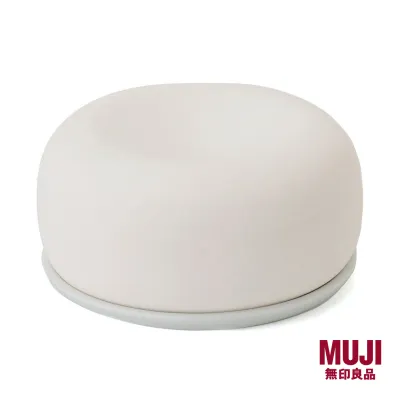
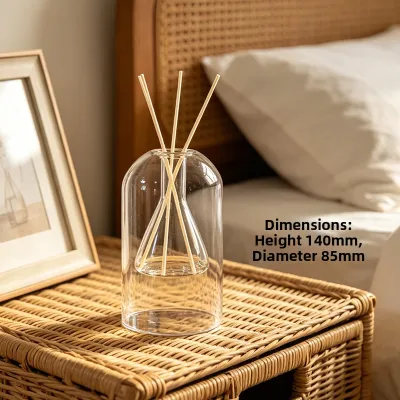
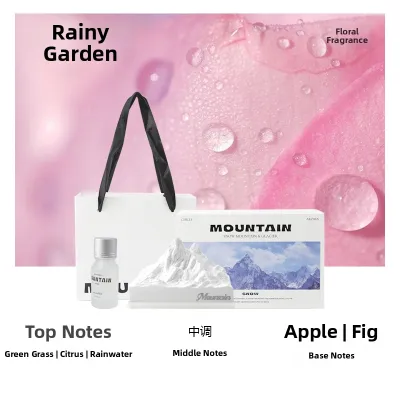
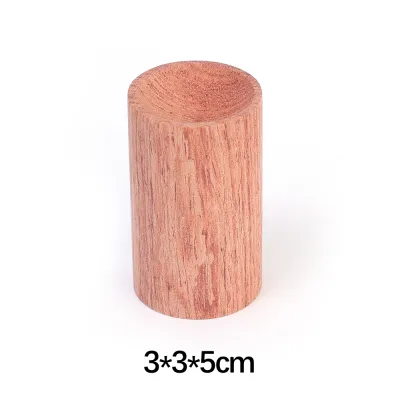
Prices are valid at publication and may change. Please refer to the product page for the latest price.
Electric diffusers, particularly ultrasonic models, use a small ceramic disc vibrating at ultrasonic frequencies to break down a mixture of water and essential oil into a fine, cool mist. This mist is then actively propelled into the air by a small built-in fan. Nebulizing diffusers, another electric option, use pressurized air to atomize pure essential oil directly into a vapor. Both active methods force scent molecules to travel much further, making them capable of covering entire bedrooms, living rooms, or open-plan layouts.
The ambient environment significantly influences how both devices perform. In Singapore’s naturally warm and highly humid climate, passive evaporation can sometimes slow down because the air is already saturated with moisture. However, many homes rely heavily on air conditioning, which dries out indoor air and creates active currents. In an air-conditioned room, a passive aroma stone may evaporate its oil slightly faster, while the cool mist from an ultrasonic diffuser can help introduce a touch of welcome moisture to dry, air-conditioned spaces. Conversely, in a naturally ventilated room with open windows, a passive stone’s subtle scent may be quickly swept away by cross-breezes, whereas an electric diffuser can maintain a more consistent scent profile by continuously releasing fresh mist.
Daily Maintenance, Power Needs, and Safety Checks
Maintenance requirements differ drastically between the two systems. A porous aroma stone requires minimal daily effort. Because it does not use water, there is no risk of standing water harboring bacteria or mold. Cleaning typically involves occasionally wiping the stone or allowing it to dry completely before changing scents. On the other hand, electric ultrasonic diffusers require diligent upkeep. The water tank must be emptied, rinsed, and dried regularly to prevent mineral deposits from hard water and to stop mold or bacteria from multiplying in the damp environment. Neglecting this cleaning can lead to the diffuser dispersing airborne impurities along with the fragrance.

Placement flexibility is a major differentiator. The MUJI aroma stone is completely cordless, lightweight, and compact. You can place it on a floating shelf, a bathroom vanity, or a bedside table without worrying about cable management or finding a nearby wall socket. Electric diffusers require a constant power source. This limits their placement to areas within reach of an electrical outlet. You must also manage the power cord safely, ensuring it does not present a tripping hazard or hang where children or pets could pull the device down.
Safety considerations must guide your choice, especially in households with pets, young children, or respiratory sensitivities. Concentrated essential oils can be toxic to cats and dogs if ingested or absorbed through the skin; because passive stones hold undiluted oil on their surface, they must be kept strictly out of reach of curious paws. For electric diffusers, check the electrical safety certifications of the power adapter. In Singapore, look for the Safety Mark on the plug to ensure it meets local electrical safety standards, particularly if you plan to use the device in semi-humid areas like a spacious bathroom vanity. Always ensure the device is placed on a stable, level surface away from edge boundaries to prevent accidental water spills near electrical outlets.
Which Option Fits Your Space and Routine?
The passive aroma stone is highly suited for individuals seeking a minimalist, low-intervention scenting solution. It is the ideal choice for small, quiet spaces such as a home office desk, a reading nook, or a bedside table. Because it operates in complete silence without any mechanical hum or bubbling water sounds, it is excellent for light sleepers or those who practice meditation. It also integrates well into minimalist decor, as it requires no cords and takes up very little physical space. If you prefer a subtle, intimate fragrance that does not overwhelm the senses or drift into neighboring rooms, the stone is your most appropriate option.
An electric diffuser is a more effective choice for larger, communal spaces such as living rooms, dining areas, or open-concept entryways. If you want a noticeable, customizable scent intensity that can be adjusted via mist settings or timer intervals, the active delivery of an electric model is essential. It is also highly beneficial if you want the device to run continuously for several hours and shut off automatically when the water runs dry, providing peace of mind while you sleep or work.
Before finalizing your choice, verify the specific needs of your household. If anyone in your home has asthma, allergies, or other respiratory sensitivities, the continuous mist from an ultrasonic diffuser might occasionally trigger discomfort; a passive stone or a shorter diffusion cycle may be more tolerable. Always cross-reference the essential oils you plan to use with pet safety guidelines, as certain common oils like tea tree, eucalyptus, and lavender can be harmful to domestic animals. Finally, if placing an electric unit in a high-moisture zone, ensure it is positioned far from direct water splashes and that the outlet is properly grounded.
Evaluating Initial Costs and Ongoing Oil Usage
From a budget perspective, the initial entry point for a passive aroma stone is generally much lower than that of an electric diffuser. A basic stone requires only the purchase of the clay or ceramic piece itself, making it an affordable way to experiment with aromatherapy. Electric diffusers represent a higher upfront investment, with prices varying based on tank capacity, material quality (such as wood, ceramic, or plastic casings), built-in timers, and ambient lighting features.
While the stone is cheaper upfront, its ongoing oil consumption patterns are different. Because the stone relies on pure, undiluted oil dropped directly onto its surface, you may find yourself using more drops per week to maintain a consistent, albeit subtle, scent bubble, as the oil evaporates completely over a day or two. In contrast, an ultrasonic diffuser dilutes a few drops of essential oil into a larger volume of water. This dilution allows a small amount of oil to be dispersed over several hours, potentially stretching your essential oil supply further over time, though the perceived scent intensity will depend on the water-to-oil ratio.
Consider the long-term durability of each option. A passive aroma stone has no moving parts, heating elements, or electrical circuits, meaning it cannot suffer from mechanical failure. With gentle handling to prevent drops or chips, a stone can last indefinitely, though its pores may eventually become saturated with oil residue over years of use. Electric diffusers, being electronic appliances, are subject to wear and tear. The ultrasonic transducer disc can degrade over time, especially if mineral-heavy water is used, and the internal fan or power adapter may eventually require replacement. Always check the manufacturer’s warranty terms and care instructions to maximize the lifespan of an electric model.
Frequently Asked Questions (FAQ)
Can I use the exact same essential oils for both devices?
Yes, you can generally use the same pure essential oils for both, but you must check the oil’s viscosity and purity. Thick, resinous oils (like vetiver, patchouli, or sandalwood) or oils blended with heavy carrier oils (like jojoba or sweet almond oil) can clog the delicate ultrasonic misting mechanisms of electric diffusers and are difficult to clean. On an aroma stone, these thick oils will absorb very slowly and may leave permanent, dark stains on the porous surface. For optimal results in both devices, stick to 100% pure, light essential oils, and always consult the manufacturer’s manual for specific compatibility guidelines.
How do I clean an aroma stone when scents mix or fade?
To clean an aroma stone and remove residual scents, you can gently wash or soak it according to the manufacturer’s instructions. Typically, soaking the stone in warm water with a mild, unscented dish soap can help draw out accumulated oils from the pores. Avoid using harsh chemical cleaners or abrasive scrubs that could damage the delicate clay surface. After washing, it is absolutely critical to let the stone air-dry completely in a well-ventilated area—often requiring 24 to 48 hours—before applying a new scent. If the stone becomes heavily saturated, permanently discolored, or loses its ability to absorb oil even after a thorough wash, it may be time to replace it.

Community discussion
Share your experience or ask a question. Comments are reviewed before publication.