
Passive diffusers offer a subtle, flame-free, and electricity-free way to introduce fragrance into your living spaces. Unlike active ultrasonic humidifiers or plug-in diffusers, passive options rely entirely on natural evaporation and airflow to disperse scent. Choosing between the popular MUJI aroma stone and other passive alternatives—such as reed diffusers, clay pots, or wooden blocks—comes down to understanding how different materials interact with essential oils and how air moves through your home. In compact, high-humidity environments like Singapore, where air-conditioned bedrooms and breezy common areas coexist, matching the right diffuser material to your specific room layout is essential for achieving a balanced, non-overwhelming fragrance experience.
How Material Dictates Scent Throw and Maintenance
The physical structure of a passive diffuser determines how quickly it absorbs essential oils and how steadily it releases them into the surrounding air. Porous ceramics and unglazed plaster are highly absorbent materials. When you apply essential oils to these surfaces, the liquid quickly sinks into microscopic cavities, trapping the oil and allowing it to evaporate gradually. This creates a highly localized scent throw, meaning the fragrance remains concentrated within a small radius around the object.
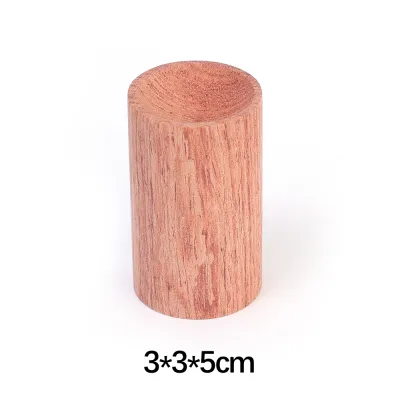
Wooden diffusers, often crafted from Hinoki, beech, or camphor wood, operate on a slower release mechanism. Wood is naturally fibrous and less porous than unglazed ceramic, meaning it absorbs oils slowly and retains them deep within its grain. This results in an exceptionally subtle, intimate fragrance profile. Over time, the wood undergoes aesthetic aging, darkening slightly where the oils are repeatedly applied, which many users appreciate as a rustic, evolving design element.
Products mentioned in this guide
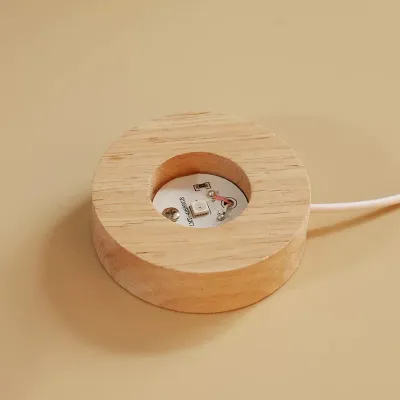
Prices are valid at publication and may change. Please refer to the product page for the latest price.
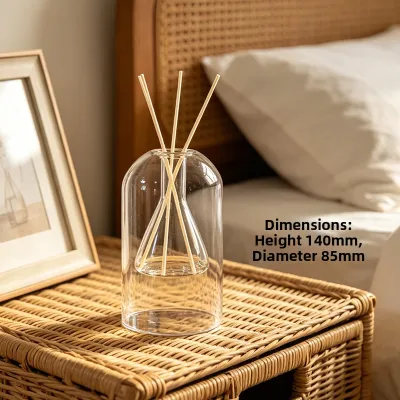
In contrast, reed and rattan diffusers utilize capillary action to draw liquid fragrance upward through tiny channels within the reeds. Once the liquid reaches the exposed top of the reed, it evaporates into the air. Because the reeds provide a continuous pathway for the liquid, they offer a much broader and more consistent room coverage than static stones or wood blocks. However, this system requires regular maintenance, as you must flip the reeds periodically to keep the capillary action active and prevent dust buildup from clogging the pores.
Evaluating the MUJI Aroma Stone for Home Use
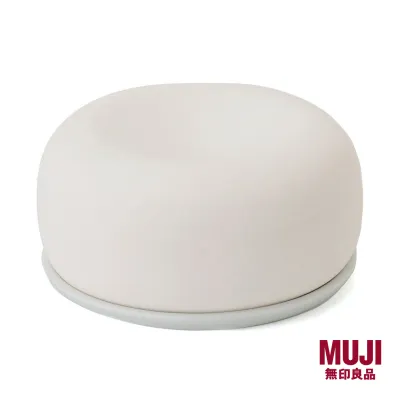
The MUJI aroma stone is a prime example of a minimalist, unglazed ceramic passive diffuser. It features a simple, recessed top designed specifically for the drop-application method. You place a few drops of your chosen essential oil directly onto the stone’s surface, where it is rapidly absorbed without leaving a wet puddle. Because it does not require water, electricity, or an open flame, it represents a highly portable and low-risk fragrance solution.

This design is optimized for localized scent profiles. The fragrance emitted from a MUJI aroma stone typically travels only a short distance, making it ideal for personal micro-environments. Placing the stone on a study desk, a bedside table, or next to a keyboard allows you to enjoy the scent without dispersing it throughout the entire room. This localized effect is particularly useful in shared households where different family members may have varying sensitivities to fragrance.
Aesthetically, the stone’s clean lines and neutral color palette allow it to integrate seamlessly into minimalist interiors. It functions as a quiet decorative accent rather than a focal point. However, this compact design comes with clear physical limitations. In larger, open-plan living rooms, high-ceilinged spaces, or areas with strong cross-ventilation, the subtle evaporation from the stone will quickly dissipate, rendering the fragrance virtually undetectable.
Comparing Alternatives: Reed, Wood, and Ceramic Diffusers
When comparing the MUJI stone format to other passive diffusers, the functional trade-offs become apparent. Reed diffusers excel at providing a continuous, passive scent throw without daily intervention. Once set up, they can scent a medium-sized room for weeks. The primary maintenance task is flipping the sticks every few days to refresh the scent, though this handling increases the risk of accidental oil drips on your furniture.
Wood block diffusers offer a completely dry alternative that is highly decorative. Because wood releases scent so slowly, these blocks are best suited for very subtle scenting, such as inside a wardrobe, a dresser drawer, or a small car interior. Unlike ceramic, wood will not shatter if dropped, making it a durable option for high-traffic shelves or travel bags.
It is also important to distinguish between unglazed plaster, unglazed ceramic, and glazed ceramic. Unglazed plaster is highly absorbent but can be fragile and prone to shedding fine white powder when handled. Unglazed ceramic, like the MUJI stone, is fired at a higher temperature, making it sturdier and cleaner to handle while retaining excellent absorption. Glazed ceramic, on the other hand, is non-porous; it cannot absorb oils and is typically used only as a holder or dish to catch runoff rather than as the diffusing medium itself.
Decision Framework: Matching Diffusers to Your Rooms
To build an effective home fragrance setup, you must match the diffuser material to the specific physical conditions of each room. Porous stones are the ideal choice for small, targeted zones where you spend extended periods in close proximity. Bedside tables, home office desks, and small reading nooks benefit from the gentle, non-intrusive scent bubble of a ceramic stone. This setup requires minimal maintenance beyond adding a few fresh drops of oil every couple of days.
For larger communal areas, hallways, or bathrooms, reed diffusers are far more effective. The continuous capillary action helps overcome the air volume of open spaces, ensuring a steady background fragrance. In high-humidity zones like bathrooms, ensure the reeds are made of high-quality rattan, as synthetic reeds can sometimes clog faster in damp conditions.
Safety must be a primary consideration when placing any passive diffuser. Essential oils can be toxic to pets, particularly cats and dogs, if ingested or contacted directly. Always place aroma stones and reed diffusers well out of reach of pets and young children. Additionally, check furniture compatibility before placement. Essential oils are powerful solvents that can easily strip varnish, dissolve paint, or leave permanent oily rings on untreated wood, marble, or plastic surfaces. Always place your passive diffuser on a protective coaster, ceramic tray, or glass dish.
Care, Cleaning, and Safety Boundaries
Proper maintenance extends the lifespan of your passive diffusers and protects your home’s surfaces. If an essential oil spill occurs, wipe it up immediately using a soft cloth and a mild detergent. Allowing concentrated oil to sit on wood, stone, or painted surfaces can cause permanent discoloration or structural damage.
To clean a reusable porous ceramic stone, wash it gently by hand using warm water and a mild, unscented dish soap. Avoid harsh chemical cleaners or abrasive scrubbing pads, which can degrade the porous structure or leave chemical residues that interfere with future fragrances. Allow the stone to air dry completely in a well-ventilated area before applying new oils; applying oil to a damp stone will prevent proper absorption.
Monitor your diffusers for signs of wear over time. If a plaster or ceramic stone develops deep cracks, begins to crumble, or shows signs of mold growth due to high ambient humidity, stop using it immediately and replace it. Always consult the manufacturer’s instructions for specific material limits, especially regarding compatibility with synthetic fragrance oils versus pure natural essential oils.
Frequently Asked Questions (FAQ)
Can I mix different essential oils on the same aroma stone?
Yes, you can mix different essential oils on the same stone, but the scents will blend and layer over time. Because porous ceramic retains residual oils deep within its structure, the previous fragrance will influence any new oil you apply. If you want a clean, single-note scent, it is best to dedicate a specific stone to that fragrance or wash the stone thoroughly and let it dry completely before switching oils.
How do I remove old oil stains from a porous diffuser?
Over time, essential oils—especially darker oils like patchouli or sweet orange—will leave visible stains on light-colored porous stones. You can minimize these stains by soaking the stone in a mixture of warm water and mild dish soap, or by gently dabbing the spot with rubbing alcohol. However, because the material is highly absorbent, some deep discoloration is normal and will not affect the stone’s diffusing performance. If the staining becomes unsightly or the pores become completely clogged with oil residue, replacing the stone is the most practical solution.

Community discussion
Share your experience or ask a question. Comments are reviewed before publication.