
Choosing between a Muji diffuser and other popular brands in Singapore comes down to balancing minimalist design and straightforward operation against advanced features like larger water capacities, smart home integration, and varied material finishes. While Muji’s iconic white, translucent cylindrical units offer a reliable, fuss-free experience that blends seamlessly into modern Singaporean homes, alternative brands often provide better value if you require extended runtimes for air-conditioned rooms or customizable smart controls.
In Singapore’s warm climate, many households run air conditioning overnight, which can dry out the indoor air. A high-quality ultrasonic diffuser serves a dual purpose: it gently disperses essential oils to create a relaxing ambiance while adding a subtle touch of moisture to your immediate surroundings. To find the best option for your budget, you must evaluate specific physical characteristics, misting capabilities, safety certifications, and long-term maintenance requirements.
Core Differences in Design and Build Quality
Muji is famous for its clean, sandblasted translucent polypropylene (PP) plastic exterior. This material choice is highly functional, as it allows the internal LED light to emit a soft, warm glow while remaining exceptionally resistant to the corrosive nature of concentrated essential oils. The cylindrical, unbranded aesthetic is designed to disappear into your decor, making it a popular choice for minimalist HDB flats and condominiums.
Products mentioned in this guide
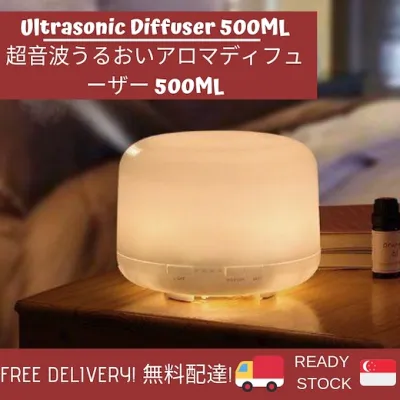
Prices are valid at publication and may change. Please refer to the product page for the latest price.
In contrast, alternative brands available in Singapore offer a vast array of design aesthetics to match different interior styles. You can easily find diffusers featuring real wood bases, hand-blown glass domes, geometric ceramic covers, or marble-patterned finishes. These alternative designs often position the diffuser as a prominent statement piece or decorative sculpture on a living room console rather than a subtle utility.
When comparing build quality, the internal water tank material is the most critical factor to inspect. Cheaper alternative brands sometimes use standard ABS plastic for the water reservoir, which can degrade, crack, or discolor over time when exposed to acidic citrus oils. Always check the product specifications to ensure the water tank itself is made of high-grade, BPA-free polypropylene, regardless of what material is used for the decorative outer shell.
Physical footprint and placement safety are also key considerations for compact Singaporean homes. Muji units typically feature a compact, vertical footprint with a power cord that plugs into the underside of the base, keeping the cord neatly out of sight. When evaluating other brands, check the physical dimensions and the location of the power inlet to ensure the unit will sit securely on your bedside table or shelf without creating a tipping hazard.
Comparing Mist Output, Capacity, and Runtime
Water tank capacity directly dictates how long a diffuser can operate before requiring a refill. Muji’s standard lineup generally focuses on compact capacities, such as 100ml for smaller rooms and 350ml for larger spaces. Competing brands in the Singapore market offer a much wider spectrum, ranging from tiny 50ml travel-friendly USB units to massive 500ml or 1000ml reservoirs designed for open-concept living areas.

To determine the actual efficiency of a diffuser, do not rely solely on the tank size; instead, check the manufacturer’s stated mist output rate, typically measured in milliliters per hour (ml/h). A larger tank with a weak mist output will run for a long time but may fail to distribute scent effectively across a room. Conversely, a high mist output rate will scent a room quickly but deplete the water reservoir much faster.
Many modern diffusers offer both continuous and intermittent misting modes. Intermittent mode—which cycles the mist on and off at set intervals—can effectively double the runtime of a smaller water tank, allowing a 100ml unit to last through an entire eight-hour sleep cycle. If you plan to run your diffuser overnight in an air-conditioned bedroom, verifying the availability of an intermittent setting is highly beneficial.
Room coverage recommendations should be verified on the product packaging rather than assumed. A standard 100ml ultrasonic diffuser is generally optimized for localized zones of about 10 to 15 square meters, such as a study desk or bedside area. For larger master bedrooms or open-plan living rooms, you will need a unit rated for 25 to 40 square meters, which typically requires a larger water capacity and a more powerful ultrasonic transducer.
Safety is paramount when running any water-based electrical appliance. Ensure any model you consider features an automatic low-water shutoff mechanism. This safety feature automatically cuts power to the ultrasonic plate the moment the water level drops below a safe threshold, preventing dry burning, overheating, and potential damage to the internal circuitry.
Smart Features, Lighting, and Noise Levels
Secondary features play a major role in how comfortably a diffuser integrates into your daily routines. Muji diffusers are known for their straightforward, manual operation, utilizing physical buttons to control the mist timer and a two-stage adjustable warm amber light. This simple interface is highly reliable and easy to operate without needing to consult a manual.
Alternative brands often compete by packing their units with advanced electronic features. You can find models equipped with multi-color cycling LED lights, customizable RGB color wheels, and dedicated light-only modes that allow the unit to function as a standalone nightlight. If you are sensitive to light while sleeping, always verify that the LED lights can be turned off completely while the mist function continues to run.
Operating noise is another critical factor for bedroom or study use. Ultrasonic diffusers work by vibrating a small ceramic disc at high frequencies to atomize water, which naturally creates a soft humming sound and occasional water-dripping noises. High-quality diffusers typically operate at noise levels below 30 decibels; check user reviews or manufacturer specifications for noise ratings if you are a light sleeper.
For tech-savvy households, smart home integration is a major selling point for alternative brands. Many modern diffusers feature Wi-Fi or Bluetooth connectivity, allowing you to control mist intensity, set schedules, and change light colors via a smartphone app or voice assistants. Muji’s traditional models do not offer these smart capabilities, making alternative brands the clear choice if you want to automate your home fragrance routines.
Price, Warranty, and Long-Term Value
Muji diffusers carry a premium price tag in Singapore, reflecting the brand’s reputation for quality control, aesthetic consistency, and retail presence. While you can easily find alternative brands on online marketplaces at a fraction of the cost, it is essential to look beyond the initial purchase price to evaluate the total cost of ownership and safety.
Electrical safety is the most important factor when purchasing any appliance for use in Singapore. Ensure that the power adapter supplied with the diffuser carries the Enterprise Singapore Safety Mark. This certification guarantees that the plug and internal transformer have been tested to handle Singapore’s 230V electrical grid safely, protecting your home from potential electrical faults or short circuits.
Warranty coverage is a major differentiator between established retail brands and cheap online alternatives. Official Muji stores in Singapore provide a reliable local warranty, allowing you to easily exchange a defective unit or seek assistance. When buying alternative brands from overseas sellers on ecommerce platforms, verify whether they offer a local Singapore-based warranty or if you would be responsible for high return shipping fees in the event of a malfunction.
Long-term value also depends on the availability of replacement parts and ease of maintenance. Over months of daily use, power adapters can fail, or tank lids can become misplaced. Established brands often sell replacement parts separately, allowing you to repair your unit rather than replacing the entire device, which saves money and reduces electronic waste.
Decision Framework: Which Diffuser Fits Your Needs?
Choose Muji if:
- You appreciate a timeless, minimalist aesthetic that blends seamlessly with clean, modern, or wood-toned home interiors.
- You prefer simple, tactile physical buttons over complex smartphone apps, remote controls, or smart home setups.
- You value the convenience and peace of mind of buying from a physical retail store in Singapore with reliable local customer service and straightforward exchange policies.
Choose alternative brands if:
- You require a large water tank capacity (such as 500ml or more) to run continuously for extended periods without needing frequent refills.
- You want a specific decorative material, such as ceramic, glass, or natural wood, to serve as a statement piece in your home decor.
- You desire advanced smart features, including mobile app control, voice assistant integration, programmable schedules, or vibrant multi-color LED lighting.
Verify first if:
- The power adapter is certified with the local Safety Mark to ensure compatibility with Singapore's electrical standards.
- The water reservoir is explicitly labeled as being made from oil-resistant, BPA-free polypropylene (PP) plastic.
- The manufacturer's warranty is serviced locally in Singapore to avoid complicated overseas shipping processes for repairs.
Frequently Asked Questions (FAQ)
Can I use tap water instead of distilled water in my diffuser?
While some manufacturers state that tap water is acceptable, Singapore’s tap water contains trace minerals that can gradually accumulate on the ultrasonic plate. Over time, this mineral buildup can restrict the vibration of the plate, leading to a noticeable decrease in mist output or complete failure of the unit. To maximize the lifespan of your diffuser and prevent the dispersion of fine white mineral dust into your room, using distilled, demineralized, or highly filtered water is highly recommended.
How often should I clean the diffuser to maintain mist output?
To maintain optimal mist output and prevent the growth of mold or bacteria, you should clean your diffuser after every five to six uses, or at least once a week if used regularly. Always unplug the unit and empty any remaining water from the opposite side of the air outlet to prevent water from entering the internal electronics. Wipe the water tank gently with a soft, damp cloth and a few drops of mild, neutral dish soap or diluted white vinegar, then rinse thoroughly with clean water and dry the unit completely before storing or refilling it.

Community discussion
Share your experience or ask a question. Comments are reviewed before publication.