
Nachtmann crystal vases are defined by a distinct fusion of traditional Bavarian glassmaking heritage and bold, modern architectural design. Originating from Germany, these vessels are characterized by their deep geometric cuts, substantial physical weight, and exceptional light-refracting brilliance. Rather than serving as mere containers for floral arrangements, they are crafted to function as standalone sculptural art pieces that elevate the aesthetic of contemporary living spaces. By balancing centuries-old craftsmanship with forward-thinking design collaborations, these vases offer a unique combination of functional utility and artistic expression.
Understanding the Nachtmann Design Philosophy
The design philosophy of Nachtmann is deeply rooted in its Bavarian forest origins, where glassmaking has been a refined art form for generations. Over the decades, the brand has evolved from producing traditional, highly ornate European tableware to creating contemporary, structured home decor that appeals to modern sensibilities. This transition represents a conscious effort to preserve historical craftsmanship techniques while adapting to the clean lines and minimalist aesthetics of modern architecture.
At the heart of this philosophy is the belief that a vase should not lose its visual appeal when empty. Traditional glass design often treated the vase as a secondary backdrop to the flowers it held. In contrast, these crystal pieces are conceived as sculptural art objects first, designed to command attention on a sideboard, dining table, or mantelpiece even without a single stem. The heavy bases, dramatic angles, and intricate surface textures ensure that each piece possesses a strong physical and visual presence.
Products mentioned in this guide
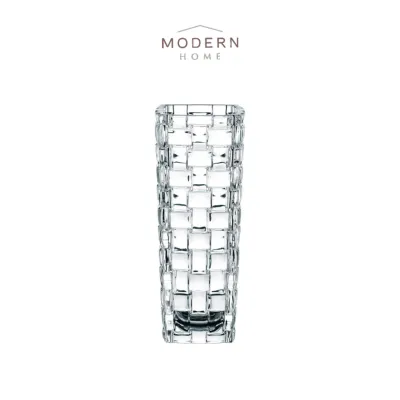
Prices are valid at publication and may change. Please refer to the product page for the latest price.
To maintain this balance between heritage and modernity, the brand frequently collaborates with international design schools and emerging designers. These partnerships bring fresh, diverse perspectives to the traditional medium of crystal glass. By challenging experienced glassmakers to execute complex geometric patterns and unusual silhouettes, these collaborations push the boundaries of what classic crystal can achieve, resulting in collections that feel both timeless and cutting-edge.
Identifying Signature Aesthetic Elements
The most recognizable visual marker of these crystal vases is the intricate use of geometric cuts and faceting techniques. Deep, precise incisions in the glass are engineered to maximize light refraction, catching ambient and natural light to create a shimmering effect. Whether featuring a basketweave pattern, a grid of clean squares, or asymmetrical linear cuts, these textures transform the vase into a dynamic light fixture that projects beautiful patterns onto surrounding surfaces.

In addition to surface texture, architectural silhouettes and sculptural bases define the brand’s signature style. Many designs feature thick, heavy bases that anchor the vase visually and physically, tapering upward into flared rims or maintaining a strict, columnar form. These structural choices give the vases a sense of stability and permanence, making them feel more like architectural columns or museum-grade sculptures than fragile glassware.
There is also a deliberate contrast between minimalist, clean-line forms and highly textured, complex surfaces. A vase might feature a perfectly smooth, unadorned interior or rim, juxtaposed against a deeply carved, tactile exterior. This interplay between smooth and textured surfaces creates a sensory experience, inviting you to touch and feel the craftsmanship. The contrast also allows the vases to fit seamlessly into a variety of decor styles, bridging the gap between classic luxury and modern simplicity.
Evaluating Crystal Material Traits and Craftsmanship
Evaluating the quality of these vases requires an understanding of the physical properties of crystal glass. Compared to standard soda-lime glass, high-quality crystal offers exceptional optical clarity, brilliance, and light dispersion. The material is formulated to allow light to pass through with minimal distortion, resulting in a bright, sparkling appearance that standard glass cannot replicate. When light hits the faceted edges of a crystal vase, it splits into a spectrum of colors, creating a subtle rainbow effect.
The physical weight of the crystal is another critical trait that influences both its aesthetic appeal and daily handling. Crystal glass is denser and heavier than standard glass, giving these vases a substantial, premium feel when lifted. This weight is not just a sign of quality; it also serves a practical purpose by providing excellent base stability. A heavy crystal base ensures that the vase remains securely anchored, even when supporting top-heavy floral arrangements, thick branches, or tall tropical stems.
When purchasing crystal today, it is important to verify the material composition by checking manufacturer labels and product specifications. Modern manufacturing standards have shifted toward lead-free crystal compositions, often referred to as crystalline. This material offers the same clarity, weight, and acoustic resonance as traditional leaded crystal while meeting modern environmental and safety standards. Verifying these details ensures you are acquiring a piece that aligns with contemporary household safety preferences and regional import regulations.
Matching Vase Styles to Your Interior Space
Integrating a premium crystal vase into your home requires careful consideration of scale, proportion, and visual weight. In modern urban apartments, such as those in Singapore, where space is often carefully curated, a vase must match the scale of its display surface. Whether you are investing S$100 or S$300 in a premium centerpiece, selecting the right scale is crucial. A tall, heavy column vase is ideal for a spacious dining table or a prominent entryway console, where it can serve as a central focal point. Conversely, a shorter, wider textured vase works beautifully on a coffee table or a study desk, adding elegance without obstructing sightlines.
Lighting plays a crucial role in maximizing the visual impact of crystal decor. To fully appreciate the refractive qualities of the geometric cuts, place the vase where it can interact with natural light, such as near a window or on a sunlit shelf. In the evening, positioning the vase under warm, directional spotlighting or near ambient table lamps will create a dramatic play of shadows and highlights, enhancing the cozy atmosphere of your living room.
Aligning the vase’s aesthetic style with your existing interior theme helps create a cohesive look. For mid-century modern or industrial spaces, vases with bold, brutalist-inspired textures and heavy geometric patterns add a layer of raw, structured sophistication. For minimalist or Scandinavian-themed rooms, look for designs with clean, linear cuts that offer a subtle touch of luxury without overwhelming the clean aesthetic.
Finally, always verify the neck width and internal volume of the vase against your preferred floral arrangements. A narrow, structured neck is excellent for holding single, dramatic stems like orchids or monstera leaves, keeping them upright and elegant. A wider, flared opening is better suited for dense, lush bouquets or sprawling tropical arrangements, allowing the stems to spread naturally while the heavy base prevents any risk of tipping.
Essential Care and Maintenance for Crystal Glass
Preserving the optical clarity and brilliant finish of your crystal vase requires proper care and maintenance over time. Hand-washing is highly recommended, as the intense heat and harsh detergents of automatic dishwashers can cause irreversible clouding or micro-scratches. Always wash the vase in lukewarm water; extreme temperature changes can cause thermal shock, leading to structural cracks in the dense crystal glass.
When cleaning, select mild, non-abrasive dish soaps and use a soft sponge or microfiber cloth. Avoid abrasive scrubbing pads, steel wool, or harsh chemical cleaners, which can dull the polished surface of the cuts. If the interior of the vase develops a stubborn film from standing water, a gentle soak with a mixture of warm water and mild white vinegar can help dissolve the mineral deposits without damaging the glass.
Proper drying is essential to prevent hard water spots and mineral buildup, which can quickly diminish the crystal’s natural brilliance. After rinsing thoroughly with clean water, dry the vase immediately inside and out using a clean, lint-free microfiber towel. For highly intricate cuts or specialized finishes, such as colored or frosted crystal, always stop and consult the manufacturer’s specific care instructions to ensure you do not inadvertently compromise the surface treatment.
Frequently Asked Questions (FAQ)
Can crystal vases safely hold all types of flowers and water?
Yes, crystal vases can safely hold a wide variety of flowers, but certain precautions should be taken to protect both the vase and the arrangement. The substantial weight of crystal makes it ideal for supporting heavy, woody stems and tall branches that might tip over in lighter glass vessels. However, prolonged exposure to highly acidic floral preservatives or stagnant water can sometimes leave a stubborn mineral ring on the interior surface. To prevent this, change the water every few days, rinse the interior thoroughly, and check the manufacturer’s guidelines regarding prolonged water exposure or maximum fill lines.
How do I verify the authenticity and quality of a crystal vase?
Verifying the authenticity of a genuine crystal vase involves inspecting several physical markers and purchasing through reliable channels. Look for official brand markings, which are often acid-etched or laser-engraved on the bottom of the base, along with official packaging and product documentation. High-quality crystal will have a clear, resonant acoustic ring when gently tapped with a fingernail, unlike the dull thud of standard glass. Additionally, inspect the piece closely for visual clarity; genuine premium crystal should be virtually free of air bubbles, cloudiness, or visible seams along the geometric cuts. To guarantee authenticity and secure any applicable manufacturer warranties, always purchase your crystal decor from authorized retailers or official brand stores.

Community discussion
Share your experience or ask a question. Comments are reviewed before publication.