
Deciding between a traditional oil lamp and a modern LED Buddha lamp is a meaningful step in setting up or refining your daily worship space. This choice directly shapes your daily ritual routine, the safety of your living environment, and the visual atmosphere of your home altar. While a physical flame carries deep historical and symbolic weight, modern electrical alternatives offer unparalleled convenience and peace of mind. By evaluating how each option fits into your lifestyle, you can create a sacred space that is both spiritually fulfilling and practically sustainable.
In many households, the altar serves as a peaceful sanctuary for daily reflection, prayer, or meditation. The lighting you choose acts as a focal point, drawing your attention and setting the tone for your practice. Whether you live in a spacious house or a compact high-rise apartment, understanding the practical trade-offs between these two lighting methods ensures your daily offerings remain a source of joy rather than a household chore.
Core Differences in Daily Worship Practice
Lighting a physical flame represents the dispersion of spiritual darkness and the ignition of wisdom within the practitioner. In many Buddhist and Taoist traditions, the act of offering light via a real flame is a mindful practice of devotion, requiring your full presence and intent. The physical preparation of the lamp serves as a meditative transition, helping you shift your focus from daily worries to spiritual practice.
Products mentioned in this guide
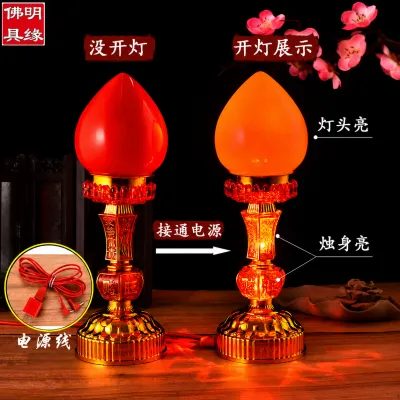
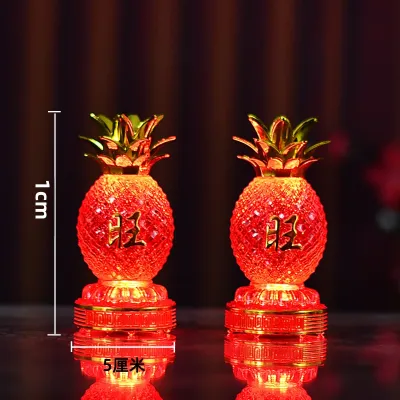
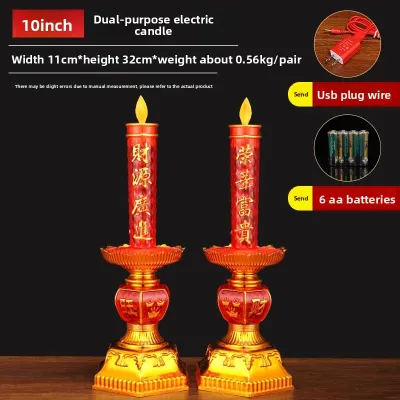
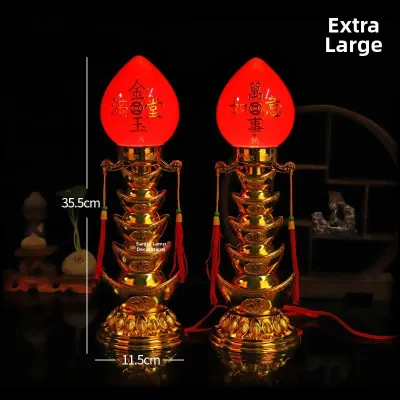
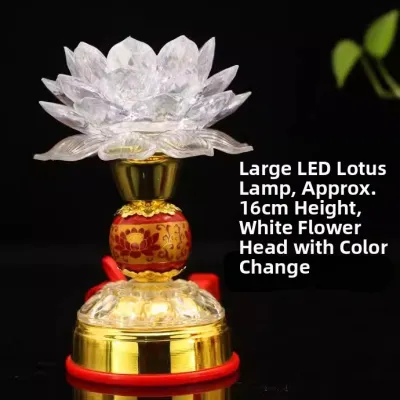
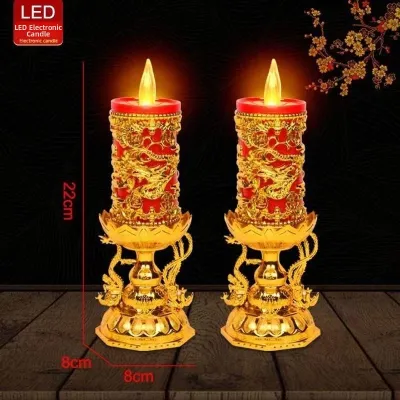
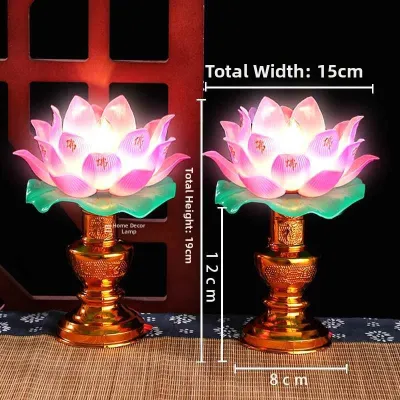
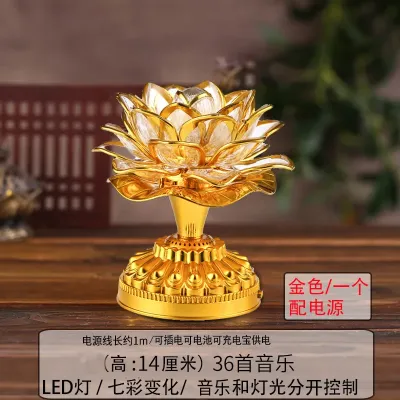
Prices are valid at publication and may change. Please refer to the product page for the latest price.
Maintaining a traditional oil lamp setup requires a hands-on, multi-step routine before and after each prayer session. Every day, you must check the oil level, trim the carbon buildup from the cotton wick to prevent smoking, and carefully light the flame. After your prayers, you must either monitor the flame until it naturally extinguishes or safely snuff it out, ensuring no smoldering embers remain.
In contrast, LED Buddha lamps offer a highly convenient, plug-and-play alternative that fits seamlessly into busy modern schedules. Operating these lamps typically involves nothing more than flipping a switch or setting an automatic timer. There is no daily preparation, no fuel to handle, and no residue to clean up, allowing you to focus your limited time entirely on your prayers or meditation.
This operational difference also impacts the continuity of your offerings. Because a physical flame cannot be left unattended, traditional oil lamps are typically lit only during active worship. LED lamps, however, can safely remain illuminated twenty-four hours a day, providing a constant, welcoming glow on your altar even when you are away from home or asleep.
Safety and Maintenance Requirements
Using an open flame indoors always introduces inherent fire hazards, particularly in modern, enclosed apartments where space is limited. If your altar is decorated with paper offerings, artificial flowers, or hanging fabrics, a sudden draft could easily bring these flammable materials into contact with the flame. Furthermore, burning oil releases heat and minor amounts of soot, which can gradually discolor nearby walls, ceilings, and sacred statues over time.

To mitigate these risks, LED Buddha lamps replace the open flame with low-voltage electronic components. However, electrical safety must still be managed carefully. When selecting an LED lamp, you must verify the voltage compatibility of the power adapter and inspect the cords regularly for any signs of fraying or wear. It is essential to choose products with recognized electrical safety certifications to prevent short circuits or overheating, especially if the lamps run continuously.
Maintenance routines also differ significantly between the two lamp types. Traditional oil lamps require regular, detailed cleaning to remove oily residue, soot, and dust from the glass chimneys and brass reservoirs. This process involves warm, soapy water, careful handling of delicate glass parts, and routine wick replacements. For LED lamps, maintenance is generally limited to occasional dusting with a dry microfiber cloth; just remember to isolate the power source by unplugging the lamp before cleaning.
There are specific household conditions where open flames should be avoided entirely. If you have active pets, young children, or poor natural ventilation in your worship area, a traditional oil lamp presents an unacceptable safety risk. In these situations, transitioning to an LED alternative is the most responsible way to maintain your daily practice without compromising the safety of your household.
Aesthetic and Authenticity Considerations
For many practitioners, the visual warmth and natural flicker of a real flame are irreplaceable. The organic movement of a physical fire creates a serene, living ambiance that naturally draws the eye and fosters a deep sense of peace. This traditional aesthetic connects the modern practitioner to centuries of historical worship, where fire was the primary source of light.
Modern LED Buddha lamps strive to replicate this experience, with many models featuring simulated flicker effects and warm color temperatures. While these designs offer a consistent and reliable glow, they are ultimately electronic simulations. The choice between the organic variation of a real flame and the steady, predictable light of an LED is a matter of personal preference and how you perceive the atmosphere of your sacred space.
Spiritual acceptability is another common consideration among practitioners. While some traditional communities emphasize the physical offering of oil and fire as a form of active generosity, many modern temples and spiritual teachers fully endorse LED lights. They emphasize that the light itself—and the pure intention behind the offering—is the core spiritual element, rather than the physical process of combustion.
Upfront Costs and Long-Term Value
When evaluating the financial commitment of each option, it is helpful to look at both the initial purchase and the ongoing operational costs. High-quality brass, crystal, or ceramic oil lamps often require a notable upfront investment, though they are highly durable and can last for generations. Because they have no electronic parts to fail, a well-maintained traditional lamp rarely needs to be replaced.
However, traditional setups incur continuous consumable costs over time. You will need to purchase specialized lamp oil, replacement cotton wicks, and occasionally new glass chimneys if the original parts crack from heat exposure. These recurring expenses can add up, depending on how frequently and how long you burn the lamps.
LED Buddha lamps may also carry a higher initial cost if you choose well-constructed models with certified power adapters and durable housings. However, their ongoing operational costs are exceptionally low. LEDs consume very little electricity, and high-quality diodes are rated for tens of thousands of hours of use, meaning you will rarely need to replace the bulbs or the fixtures.
How to Choose the Right Buddha Lamp for Your Altar
To make your final decision, evaluate your daily schedule, household environment, and personal practice preferences. A traditional oil lamp is the ideal choice if you prioritize historical ritual authenticity, have a spacious and well-ventilated altar area, and can commit to the daily discipline of cleaning and monitoring a live flame. It suits practitioners who are always present during their worship sessions and find peace in the physical upkeep of the altar.
Conversely, an LED Buddha lamp is the most practical choice if you live in a compact apartment, have young children or pets, or want a low-maintenance solution that can safely remain lit around the clock. It is also highly recommended for anyone with respiratory sensitivities to smoke or soot, or for households where local safety guidelines discourage open flames.
Before purchasing any lamp, take a moment to verify the physical dimensions of your altar table to ensure there is adequate clearance. If you choose an LED model, check the voltage, base interface, and electrical certification labels to ensure compatibility with your home outlets. If you decide on an oil lamp, ensure you place a heat-resistant mat beneath the base to protect your altar’s wood finish, and always verify that your chosen fuel is explicitly rated for indoor residential use.
Frequently Asked Questions (FAQ)
Can I use both oil and LED lamps on the same altar?
Yes, many practitioners successfully combine both types of lamps on a single altar to balance tradition with convenience. A common approach is to keep LED lamps illuminated continuously to maintain a constant symbolic light, while lighting traditional oil lamps only during active prayer sessions, meditation, or special festival days. If you choose this hybrid setup, ensure there is ample physical clearance between the open flame of the oil lamp and the plastic housings or power cords of the LED lamps to prevent heat damage or fire hazards.
What type of oil is safest for a traditional Buddha lamp?
For indoor worship, always use high-purity, smokeless, and odorless lamp oils, such as food-grade liquid paraffin or specialized mineral-based altar oils. Avoid using standard cooking oils, highly flammable solvents, or kerosene, as these can produce heavy soot, unpleasant odors, and dangerous flare-ups. Always check the manufacturer’s instructions for both the lamp and the fuel, and ensure your wick is trimmed to the recommended height to maintain a stable, clean-burning flame.

Community discussion
Share your experience or ask a question. Comments are reviewed before publication.