
Choosing a digital table clock in Singapore involves balancing display clarity, power reliability, and functional features against your budget. Oria digital clocks have gained traction on local online marketplaces as budget-friendly, feature-rich options, but deciding whether they suit your home requires comparing their specifications directly with established heritage brands and smart-home alternatives. By evaluating key factors like display technology, power configurations, and local warranty support, you can determine if an Oria clock or a competing brand offers the right fit for your bedside table or study desk.
Key Dimensions for Comparing Digital Table Clocks
When evaluating any digital table clock, the display technology serves as your primary point of interaction. Light Emitting Diode (LED) screens offer high contrast and vibrant colors that are easy to read from a distance, though they can sometimes be overly bright in a dark bedroom. Liquid Crystal Display (LCD) screens, on the other hand, rely on ambient light or a gentle backlight, making them softer on the eyes at night but occasionally harder to read from sharp viewing angles during the day.
Power configuration is another critical factor that dictates where you can place your device. Clocks powered by a mains plug or a USB-C cable provide continuous, bright displays but limit placement to areas near electrical outlets. Models that rely solely on batteries offer maximum portability but may require frequent battery replacements or feature auto-timeout displays to conserve energy, while hybrid models use a backup battery to preserve time settings during power interruptions.
Products mentioned in this guide
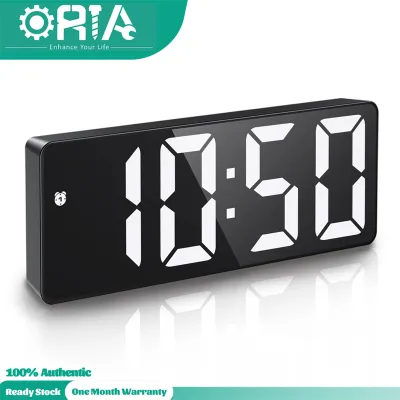
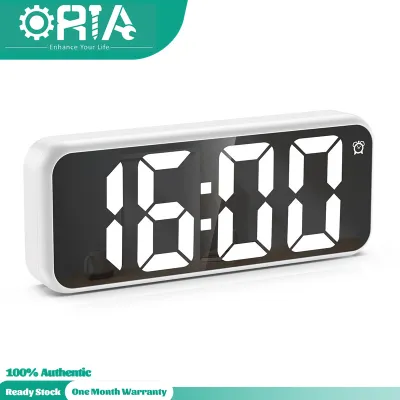
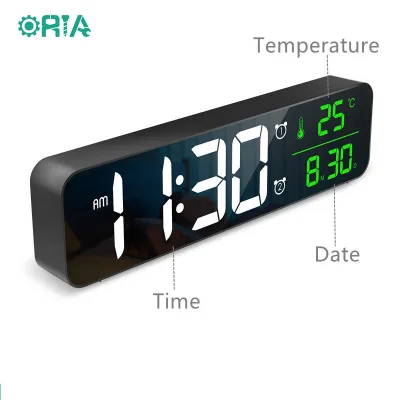
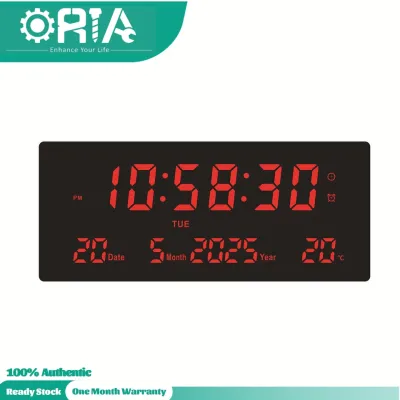
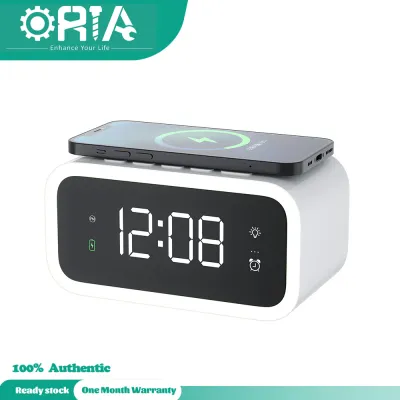
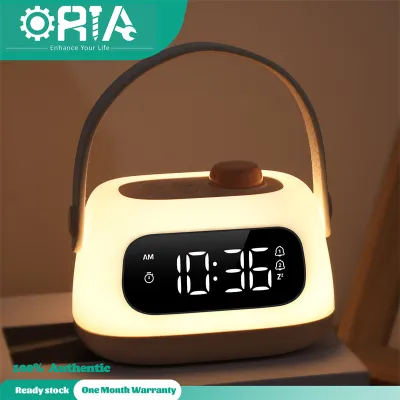
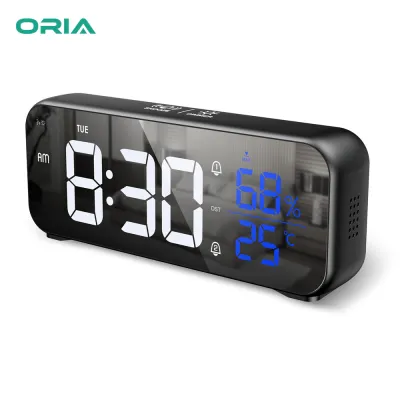
Prices are valid at publication and may change. Please refer to the product page for the latest price.
In Singapore, electrical safety is paramount when selecting any mains-powered device. Ensure that any USB power adapter you pair with your digital clock carries the local Safety Mark certification, which guarantees it has been tested for safe operation under Singapore’s 230V electrical grid. Using uncertified or low-quality adapters can lead to overheating, electrical hums, or unstable clock performance.
Modern digital clocks often pack secondary features that extend beyond simple timekeeping. Built-in sensors can monitor indoor temperature and relative humidity, which is particularly useful in Singapore’s tropical climate to manage air conditioning or dehumidifier use. Other models integrate multiple alarm schedules, snooze functions, or wireless smart home protocols to sync with your home network.
Finally, consider the build materials and overall aesthetic footprint of the clock. Lightweight plastic casings are common in budget-friendly models, offering a modern, minimalist look that fits easily on compact shelves. Premium alternatives may feature wood finishes, metallic accents, or fabric faces that blend seamlessly with sophisticated interior decor styles.
Inspecting Oria’s Specifications and User Experience
To determine if an Oria digital clock fits your specific environment, you must carefully inspect the manufacturer’s product specifications. Start by checking the product description for details on brightness levels and dimming capabilities. Look for models that offer manual multi-level brightness adjustments or an automatic dimming sensor that lowers the screen intensity based on ambient light, ensuring the display will not disrupt your sleep.

Power specifications require close verification on the product packaging or digital listing. Check whether the clock operates primarily on a USB cable or if it requires a specific DC adapter voltage, as using an incompatible power source can damage the internal circuitry. Additionally, verify the exact battery type required for the backup system—such as button cells or AAA batteries—and confirm whether the backup function keeps the display illuminated or merely saves your time settings during a power outage.
Physical dimensions and weight also play a significant role in how a clock fits into your living space. A clock intended for a narrow floating shelf needs a shallow depth and a stable base to prevent it from tipping over when you press the snooze button. If you plan to wall-mount the device, verify if the back panel features integrated keyhole slots and check whether the power cable can be routed cleanly along the wall without tension.
If you are considering a model with smart features or sensor tracking, identify the connectivity requirements before purchasing. Verify if the clock uses standard Bluetooth or Wi-Fi protocols, and check if it requires a proprietary mobile application to sync time or display temperature history. Ensuring compatibility with your smartphone’s operating system prevents setup frustration.
Lastly, review the user manual or online customer guides to understand the physical interface of the clock. Examine the button layout to ensure key functions, like silencing an alarm or activating the snooze feature, are easily accessible without looking. A straightforward reset procedure is also essential for quickly adjusting the time during seasonal changes or after replacing the backup batteries.
Evaluating Price-to-Feature Value Across Brands
In the Singapore market, digital table clocks generally fall into distinct price tiers. Basic digital clocks with standard LED displays and single alarms typically range from S$10 to S$30 on local e-commerce platforms. Models featuring advanced sensors, projection capabilities, or integrated wireless charging pads generally command higher prices, often ranging from S$35 to over S$80 depending on the brand’s market positioning.
When comparing Oria to other brands, weigh the practical utility of extra features against their added cost. A clock featuring an integrated wireless charging pad or a ceiling projection lens might seem convenient, but these features are only valuable if they align with your daily routine and nightstand space. If you already have a dedicated phone charger, paying a premium for a clock with a built-in charging pad may introduce unnecessary heat and clutter.
When calculating the long-term value of a digital clock, factor in the ongoing cost of replacement batteries. A clock that relies solely on high-brightness LED displays powered by AAA batteries may deplete them within a few weeks, leading to high maintenance costs and environmental waste. Opting for a model that uses a USB power source for daily operation and a simple button cell for memory backup is often the most economical choice over several years.
Local support and warranty terms are crucial considerations when purchasing electronics online. Check the seller’s profile on your chosen online marketplace to verify if they offer a local Singapore warranty or if you must rely on international return policies. A slightly cheaper clock with no local warranty support can become a liability if the device experiences display defects or power issues shortly after purchase.
It is also important to distinguish between high-quality construction and superficial design elements. A higher price tag should ideally reflect durable housing materials, stable electrical components, and safety certifications like the Safety Mark in Singapore for mains-powered adapters. Be cautious of clocks that inflate their prices solely based on aesthetic gimmicks or complex menu systems that complicate daily operation.
Decision Framework: Choosing the Right Clock for Your Space
Selecting the ideal digital clock depends on your specific spatial needs, functional priorities, and budget. You might choose an Oria digital clock if you are looking for a cost-effective, modern display with integrated temperature sensors that fits neatly onto a study desk or bedside table without a significant financial investment. Their compact designs make them highly suitable for secondary rooms or student desks.
If your priority is long-term reliability, standardized replacement parts, and classic, dependable alarm tones, established heritage timepiece brands may be a more suitable choice. These manufacturers often provide robust local service centers in Singapore and use standardized components that make battery replacement and long-term maintenance straightforward.
For those who want their bedside device to act as a central hub, smart-home-native alternatives are the most logical option. These devices integrate seamlessly with existing home automation systems, allowing you to sync alarms with smart lighting or control the clock via voice commands, though they require a stable internet connection and a higher initial budget.
Aesthetic compatibility with your home’s interior design should also guide your final choice. For modern Scandinavian or minimalist industrial themes common in newer Singapore apartments, a sleek LED clock with a wood-grain finish or a frameless mirror face can serve as a subtle decor accent. Conversely, traditional study rooms or classic offices may benefit from the structured, utilitarian look of a high-contrast LCD calendar clock.
Before making your final decision, measure your intended placement area and verify the clock’s physical dimensions. Ensure that the included power cord or USB cable is long enough to reach your nearest power outlet safely without creating a tripping hazard, and confirm that the display angle matches your line of sight from the bed or desk chair.
Frequently Asked Questions (FAQ)
How do I prevent the digital display from being too bright at night?
To manage display brightness, first check if your clock features a physical dimmer wheel or a dedicated brightness button on the back or top of the casing. Many modern digital clocks also include an auto-dimming mode that uses a light sensor to lower the display intensity automatically when the room goes dark. If your clock lacks these features, you can position the device at an angle away from your direct line of sight, or apply a dimming sheet over the screen to soften the glare.
What should I do if the clock loses time during a power outage?
If your clock fails to maintain the correct time during a power disruption, verify that the backup battery is properly installed in its compartment and has not run out of power. Refer to the manufacturer’s instruction manual to confirm the expected lifespan of the backup battery, as these cells typically need replacement every one to two years even if power outages are rare. If the time continues to drift after installing a fresh battery, perform a factory reset as outlined in the manual, or check the power adapter connection to ensure stable electricity delivery.

Community discussion
Share your experience or ask a question. Comments are reviewed before publication.