
A lotus candle holder serves as a beautiful, symbolic centerpiece that elevates the visual appeal of any room, but pairing it with the right scented candle requires balancing physical dimensions, material safety, and complementary fragrance profiles. To create a harmonious atmosphere, you should match the delicate, botanical aesthetic of the lotus design with clean-burning wax formulations and thoughtful scent profiles—such as calming woody notes for relaxation, crisp herbal blends for focus, or warm florals for a romantic evening. By selecting candles that fit securely within the holder’s dimensions and burn cleanly, you can enjoy a multi-sensory experience that enhances your home’s ambiance while protecting the intricate details of your decorative holder.
Choosing the perfect candle involves more than simply picking a favorite scent. Because lotus holders often feature intricate, layered petals that curve upward around the flame, the physical interaction between the heat source and the holder’s material is a critical consideration. A well-planned pairing ensures that the fragrance disperses beautifully throughout your living space while keeping the decorative holder free from soot, heat damage, or unsightly wax spills.
Assessing Your Lotus Candle Holder's Dimensions and Material
Before purchasing any scented candle, measure the physical boundaries of your lotus candle holder. Find the inner diameter and depth of the central well where the candle will sit. This determines whether the holder accommodates standard tealights, larger votives, or small pillar candles. If a candle is too wide, it may press against the inner petals, creating a fire hazard or causing uneven melting; if it is too narrow, it may look visually swallowed by the design.
Products mentioned in this guide
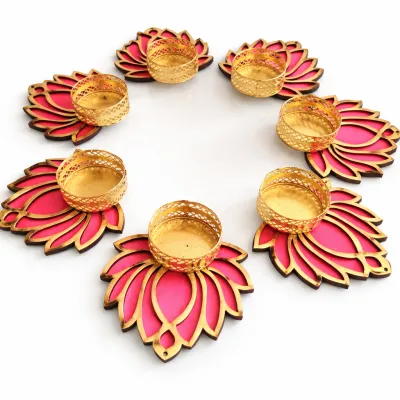
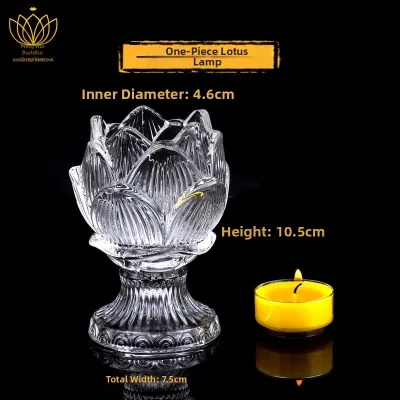
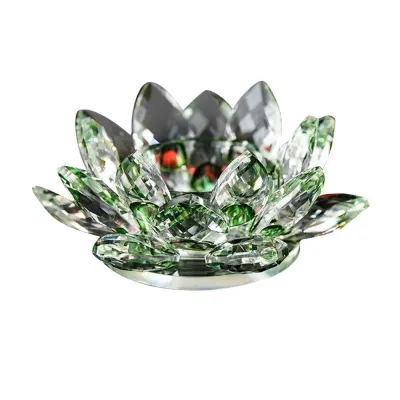
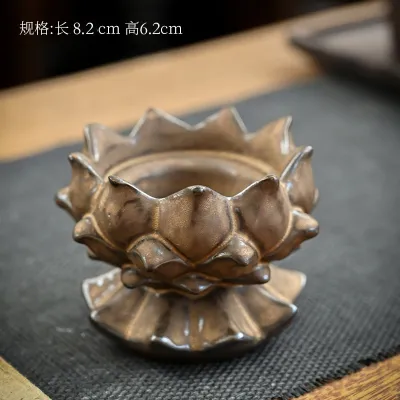
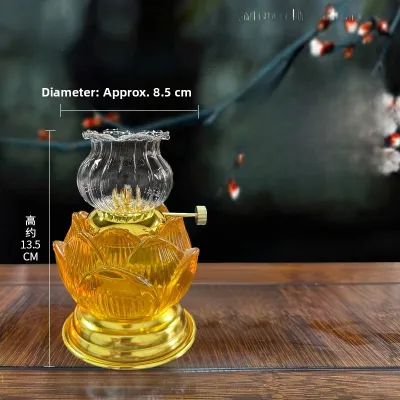
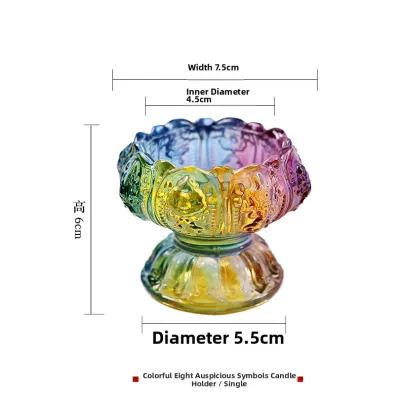
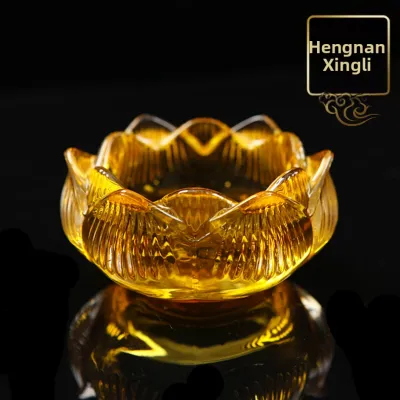
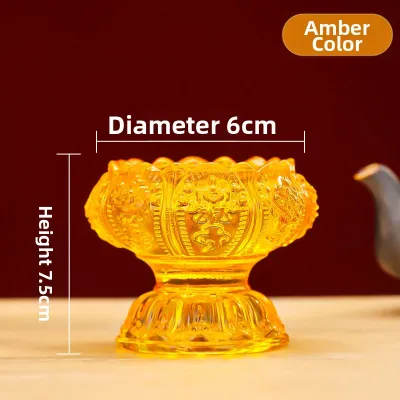
Prices are valid at publication and may change. Please refer to the product page for the latest price.
The height of the candle relative to the lotus petals is equally important. The flame must sit at a level where it does not directly heat or lick the upper edges of the petals, which can cause discoloration, cracking, or structural failure. For deep, cup-like holders, a small tealight or low-profile votive is the safest choice, keeping the flame centered and well below the rim. For shallower, plate-style designs, you have more flexibility in candle height, provided the base remains completely stable.
The holder’s material dictates how it handles heat and whether you can burn bare wax directly inside it. Glazed ceramic and heat-treated glass resist moderate heat well, but can still crack under extreme temperature differentials. Metal holders, such as brass or bronze, conduct heat rapidly, meaning the entire piece will become hot to the touch. If your holder is made of porous unglazed terracotta or delicate gypsum, burning bare wax directly on the surface causes permanent staining, making a container candle or metal-cupped tealight necessary.
Finally, consider the visual weight, color, and finish of the lotus design. A heavy, dark bronze holder pairs beautifully with rich, deeply colored wax or amber glass containers, creating a grounded, antique feel. Conversely, a delicate, translucent capiz shell or pastel ceramic holder benefits from neutral white or cream-colored wax that allows the flame’s light to filter through the petals without clashing. Matching the visual tone of the candle to the holder ensures the assembly looks elegant even when unlit.
Matching Scent Profiles to Specific Moods and Atmospheres
The symbolic nature of the lotus—often associated with purity, renewal, and calm—makes it an ideal partner for intentional aromatherapy. For relaxation, look for earthy, woody, or light aquatic scent profiles. Fragrances featuring sandalwood, cedarwood, bamboo, or white tea complement the botanical aesthetic of the holder, evoking the peaceful atmosphere of a quiet garden pond. These subtle, grounding scents are perfect for evening wind-down routines, meditation, or yoga practices.

When you need to foster focus and productivity in a home office or study area, transition to crisp, invigorating scent profiles. Citrus notes like bergamot, lemongrass, and grapefruit provide an immediate mental lift. Pairing these with herbal undertones such as eucalyptus, rosemary, or mint creates a clean, unobtrusive aroma that keeps the mind sharp. The open, airy design of a lotus holder visually reinforces this sense of mental clarity.
For romantic settings or warm, cozy evenings, evaluate rich florals, soft vanilla, or gentle spices. Classic floral notes like jasmine, ylang-ylang, and tuberose harmonize naturally with the lotus motif, creating a lush, garden-like atmosphere. To keep the scent from becoming cloying in enclosed spaces, look for blends that balance heavy florals with a base of warm amber, vanilla, or light musk. This combination provides a comforting, inviting throw ideal for intimate dinners.
Avoid overly synthetic, heavy gourmand, or extremely sweet scents, such as artificial cotton candy or heavy chocolate, when using a lotus holder. These dense, sugary fragrances conflict with the delicate, organic visual theme of the lotus, disrupting the sensory harmony. Instead, prioritize natural, botanical, or atmospheric scent profiles that feel like an extension of the physical design, allowing the visual and olfactory elements to work in tandem.
Selecting Candle Formats and Brand Qualities for a Seamless Fit
To maintain the pristine appearance of your lotus holder, prioritize candles made from clean-burning wax blends. Natural waxes such as soy, coconut, or high-quality beeswax are excellent choices because they produce significantly less soot than standard paraffin. Paraffin candles often release a dark, greasy residue that can quickly coat the intricate, hard-to-clean crevices of decorative petals. Soy and coconut waxes also have a lower melting point, which helps distribute the fragrance gently and evenly.
The quality of the wick is another crucial factor in ensuring a steady, clean burn. Look for candles with braided cotton or paper wicks that are zinc-free and lead-free, as these materials promote a stable flame with minimal flickering. A flickering, unstable flame is more likely to produce soot and can cause uneven heating of the holder’s walls. If you prefer a rustic touch, some small container candles feature wood wicks that offer a gentle crackling sound, but ensure the wick is properly trimmed to prevent a tall flame.
When shopping for scented candles, look for reputable brands that prioritize high-quality fragrance oils and provide transparent product labeling. Reliable manufacturers clearly state the wax composition, estimated burn time, and safety instructions on their packaging. Avoid budget candles that do not specify ingredients, as they often rely on low-grade synthetic fragrances that can leave a chemical residue on your decor. High-quality brands typically use cosmetic-grade fragrance oils or pure essential oils that deliver a true, balanced scent throw.
The depth of your lotus holder dictates whether you choose a bare candle or a container candle. Shallow lotus dishes or flat plates have no built-in reservoir to catch melting wax, meaning a bare votive or pillar candle will quickly spill over the edges, potentially damaging your tabletop. For these shallow designs, always opt for small container candles, metal-cupped tealights, or clear plastic-cupped tealights. Deep, cup-shaped holders can accommodate bare votives, provided the interior is glazed or lined to allow for easy wax removal.
Safety Clearances and Wax Maintenance for Lotus Holders
Operating a candle safely within a decorative holder requires strict adherence to clearance guidelines. Always ensure there is at least a two-centimeter clearance between the active flame and the nearest surface of the lotus petals. If the flame sits too close to the sides, the concentrated heat can cause ceramic glazes to craze, glass to shatter, or metal to discolor permanently. If you notice the flame dancing wildly or leaning toward one side, extinguish it immediately to adjust the wick or relocate the setup.
Drafts are a primary cause of uneven burning and safety hazards, especially in homes with active ceiling fans or air conditioning units. Place your lotus candle holder on a flat, heat-resistant surface away from open windows, vents, or high-traffic pathways where sudden gusts of air can disturb the flame. A draft can cause the flame to flare up, producing excess soot and potentially splashing hot liquid wax onto the delicate petals of your holder or onto nearby flammable materials.
Proper maintenance is key to preserving the structural and visual condition of your lotus holder after each use. If wax does spill or accumulate inside the holder, avoid scraping it out with sharp metal knives, scissors, or keys, as these easily scratch glazed ceramic, strip paint, or mar polished metal finishes. Instead, refer to the manufacturer’s care instructions for safe cleaning methods. For most durable materials, a gentle approach using temperature changes or soft plastic scrapers is the safest way to restore the holder.
Lastly, never leave a burning candle unattended in your lotus holder, and monitor its behavior throughout the burn. Extinguish the flame immediately if you notice heavy smoking, if the flame grows excessively large, or if the holder itself becomes too hot to touch safely. If you are using a bare candle inside a deep holder, stop burning it once the wax level reaches the last half-centimeter of the well to prevent the intense heat of the dying flame from directly contacting the bottom of the holder, which can cause thermal cracking.
Frequently Asked Questions (FAQ)
Can I place a glass jar candle inside a decorative lotus holder?
Yes, you can place a glass jar candle inside a decorative lotus holder, provided the holder is wide and deep enough to accommodate the jar’s outer diameter without the glass directly touching the lotus petals. The jar must sit completely flat on the base of the holder to prevent any risk of tipping over. Additionally, ensure the lotus holder is made of a heat-tolerant material like metal or thick ceramic, as the glass jar will transfer ambient heat to the holder during extended burning sessions.
What is the safest way to remove hardened wax from a lotus candle holder?
The safest way to remove hardened wax from a durable lotus holder is to place the entire holder in the freezer for about thirty to sixty minutes. The cold temperature causes the wax to contract and become brittle, allowing you to gently pop it out using a soft plastic tool, a silicone spatula, or your fingernail. Before attempting this, check the manufacturer’s care label, as extreme temperature changes can damage certain delicate, painted, or porous ceramic finishes, which may require gentle wiping with warm, soapy water instead.

Community discussion
Share your experience or ask a question. Comments are reviewed before publication.