
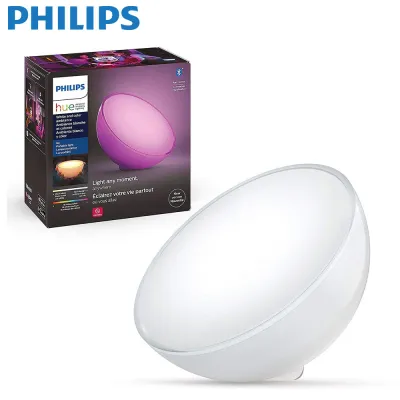
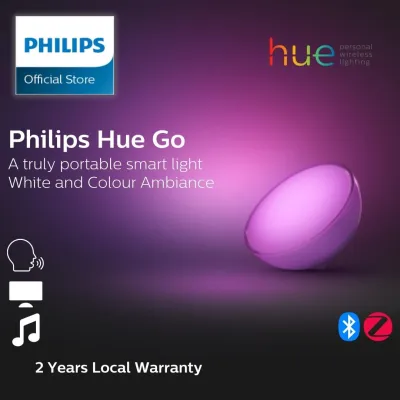
Philips Hue table lamps are widely recognized for their robust integration, reliable Zigbee mesh networking, and sophisticated automation capabilities. However, they require a higher initial investment, especially when factoring in a dedicated bridge. In contrast, alternative smart table lamps available in Singapore often connect directly via Wi-Fi or Bluetooth, offering lower upfront costs and simpler standalone setups. Deciding between them depends on whether you prioritize a highly expandable, unified smart home ecosystem or a straightforward, budget-friendly single-room lighting solution.
Core Differences in Smart Ecosystems and Connectivity
Understanding how different smart table lamps connect to your home network is essential for ensuring long-term reliability. Philips Hue utilizes Zigbee, a low-power mesh networking protocol. Instead of connecting directly to your home router, each Hue lamp communicates with a central hub, known as the Hue Bridge, and passes signals to neighboring Hue devices. This mesh structure is highly beneficial in Singapore’s typical high-density concrete-walled apartments, such as HDB flats and condominiums, where Wi-Fi signals often struggle to penetrate multiple rooms. By offloading the communication to a dedicated hub, you keep your home Wi-Fi network free from congestion, even if you install dozens of smart bulbs and lamps throughout your living space.
Conversely, many competing smart table lamps rely on direct Wi-Fi or Bluetooth connections. Direct Wi-Fi lamps are convenient because they connect straight to your existing 2.4GHz router band without requiring an additional hub. However, if you plan to build a comprehensive smart home with multiple connected appliances, security cameras, and entertainment systems, adding numerous Wi-Fi lamps can overload your router, leading to latency, delayed responses, or frequent disconnections. Bluetooth-only smart lamps offer a simpler, localized setup that works directly with your smartphone, but they suffer from limited range and generally cannot be controlled when you are away from home unless paired with a compatible brand-specific gateway.
Products mentioned in this guide
![[Latest Bluetooth Version] Philips Hue GO/ Portable Light/ 16 Million color Smart LED Light](https://img.lazcdn.com/g/p/4ff58888f9dd044302eee591bed0f0a3.png_400x400q80.png_.webp)
Prices are valid at publication and may change. Please refer to the product page for the latest price.
When evaluating smart home compatibility, always check the product packaging or official specifications for certified integration labels. Look for compatibility with major platforms such as Apple Home, Google Home, Amazon Alexa, or the newer Matter standard. Matter-compatible smart lamps offer improved cross-brand interoperability, allowing you to control devices from different manufacturers within a single preferred app. However, you must verify if your existing smart home controller supports the specific Matter protocol version required by the lamp.
Lighting Quality, Features, and Customization
The primary function of any table lamp is to provide high-quality illumination tailored to your activities. When comparing smart table lamps, start by checking the color temperature range, which is measured in Kelvin (K). A versatile smart lamp should offer an adjustable range from a warm, cozy 2000K (ideal for relaxing in the evening or winding down before sleep) to a crisp, cool 6500K (suited for focused study, reading, or detailed tasks). If you are looking for decorative or ambient lighting, verify the full-color RGB capabilities on the product label. High-quality lamps support a wide color gamut, ensuring rich, saturated colors rather than pale, washed-out pastel tones.

Brightness is another critical specification to verify before purchasing. Look for the lumen (lm) rating on the product specifications. For a bedside table lamp intended primarily for ambient lighting or light reading, a maximum brightness of 300 to 500 lumens is usually sufficient. For a dedicated desk lamp used for work or study, look for models that can deliver 800 lumens or more. Additionally, pay close attention to the dimming method. Premium smart lamps utilize advanced continuous current dimming or high-frequency pulse-width modulation (PWM) to ensure smooth dimming transitions down to very low percentages without visible flickering, which can cause eye strain and headaches over extended use.
The software features provided by the companion app play a significant role in your daily experience. The Philips Hue app is highly regarded for its advanced scene creation, dynamic light transitions, and the ability to sync your lighting with music, movies, or video games. While alternative smart lamp brands offer their own apps with scheduling and basic preset scenes, you should verify whether they support advanced automation routines, geofencing (which turns lights on or off based on your location), or local offline control. Some budget-friendly brands may rely entirely on cloud servers for automation, meaning your schedules might fail to run if your internet connection goes down.
Design, Build, and Placement Considerations
A smart table lamp should complement your interior decor while fitting seamlessly into its physical environment. Manufacturers offer a wide variety of form factors, ranging from minimalist light bars and portable, battery-powered lanterns to traditional shaded designs. Evaluate the build materials carefully; anodized aluminum, glass, and high-grade polycarbonates not only feel more premium but also offer superior durability and heat dissipation compared to cheaper, thin plastics.
Electrical safety and power management are paramount when selecting any lighting fixture. In Singapore, household electricity is supplied at a standard voltage of 230V at 50Hz. Always verify that the smart table lamp you purchase is designed for this voltage and comes with a safety-certified power adapter. Look for the local safety certification mark to ensure the device has undergone rigorous testing. Additionally, check that the power adapter features a compatible Type G three-pin plug. Review the power cord length and management options; a cord that is too short may restrict your placement options or force you to use extension cords, which can create tripping hazards or clutter your desk.
Placement safety requires careful consideration of heat dissipation and physical stability. Although LED technology is highly efficient and runs much cooler than traditional incandescent bulbs, the internal driver components and high-output LEDs still generate heat. Ensure the lamp is placed in a well-ventilated area with adequate safety clearances as recommended by the manufacturer. The base of the lamp should be heavy and stable enough to prevent accidental tipping, especially if placed on a busy desk, a narrow shelf, or a bedside table within reach of children or pets.
Pricing, Value, and Long-Term Costs
When comparing the financial aspect of smart table lamps, it is important to look beyond the initial purchase price and consider the total cost of ownership. Philips Hue table lamps are positioned as premium products, and their upfront retail prices reflect this status. When browsing local online marketplaces or official retail stores, you will find that a single Hue lamp often costs significantly more than entry-level smart lamps from competing brands.
To get an accurate picture of the initial investment, you must factor in the cost of any required accessories. If you choose to go the Philips Hue route and want to unlock its full suite of features—such as out-of-home control, voice assistant integration, and synchronization with other smart home devices—you will need to purchase the Philips Hue Bridge if you do not already own one. While some newer Hue models support direct Bluetooth control, this setup limits your control range and restricts the number of devices you can connect. Many alternative smart table lamps connect directly to your home Wi-Fi network, completely eliminating the need for an external hub and making them a much more budget-friendly option for single-room setups.
Long-term value is also determined by energy efficiency and product lifespan. Check the energy efficiency ratings and the expected LED lifespan, which is typically rated in hours (such as 25,000 or 50,000 hours). A higher-quality lamp with a longer rated lifespan reduces the frequency of replacements, saving you money over time. Additionally, consider the standby power consumption of the lamp; since smart lamps must remain connected to your network even when turned off, choosing a model with low standby wattage will help keep your monthly electricity bills in check.
How to Decide: Matching Smart Lamps to Your Needs
Choosing the right smart table lamp comes down to matching your technical requirements, existing smart home setup, and budget to the strengths of each brand. If you are looking to build a comprehensive, multi-room smart lighting system, value highly stable mesh networking that won’t strain your home router, and want advanced features like entertainment syncing and intricate automation, investing in the Philips Hue ecosystem is highly recommended. The robust performance and deep integration with platforms like Apple Home and Google Home make it an excellent choice for power users.
On the other hand, if you only need a single smart lamp for a specific bedside table or study desk, prefer a simple setup without the hassle of buying and configuring an extra hub, and want to keep your upfront costs low, an alternative Wi-Fi or Bluetooth smart lamp is likely the better fit. These standalone options provide excellent basic functionality, such as scheduling and color adjustment, at a fraction of the price.
Before making your final decision, always perform a few essential checks. Verify the physical dimensions of the lamp to ensure it fits comfortably on your intended surface. Check the companion app’s compatibility with your smartphone’s operating system, and confirm that the product carries the necessary local safety certifications. By carefully evaluating these factors, you can select a smart table lamp that enhances both the functionality and aesthetic appeal of your home.
Frequently Asked Questions (FAQ)
Do I need a smart hub to use a Philips Hue table lamp?
No, you do not strictly need a smart hub to use newer Philips Hue table lamps, as many models feature built-in Bluetooth connectivity. This allows you to control the lamp directly from your smartphone using the dedicated Hue Bluetooth app. However, relying solely on Bluetooth limits your control range to the same room, restricts you to a maximum of ten lamps, and prevents you from using advanced features like out-of-home control, voice assistant integration, and synchronization with other smart home devices. To unlock these capabilities, you will need to connect the lamp to a Philips Hue Bridge.
Can I mix Philips Hue lamps with other smart lighting brands in the same app?
You generally cannot control Philips Hue lamps and other smart lighting brands within the official Philips Hue app, as it is designed specifically for Hue ecosystem products. However, you can achieve unified control by using third-party smart home aggregator platforms such as Apple Home, Google Home, or Amazon Alexa. If both your Hue setup (via the Bridge) and your alternative smart lamps are compatible with these platforms, you can group them together, create shared scenes, and control them simultaneously using voice commands or a single smart home app. Additionally, look for Matter-compatible devices to ensure smoother cross-brand integration in the future.

Community discussion
Share your experience or ask a question. Comments are reviewed before publication.