
Finding the right table light for studying in Singapore involves evaluating how different brands address visual comfort, desk space, and modern connectivity. While Philips, Xiaomi, and BenQ are all prominent names in the lighting market, they approach study illumination from distinct angles. Philips emphasizes traditional optical comfort and physical ergonomics, Xiaomi focuses on smart home integration and minimalist value, and BenQ targets premium, wide-angle optical engineering. Rather than searching for a single universal winner, you should focus on matching each brand’s design philosophy to your specific study habits, desk layout, and budget.
Key Specifications to Verify for Study Lighting
Before comparing brands, you must understand the technical specifications listed on product packaging. Illuminance, measured in lux, indicates how much light actually reaches your desk surface. For intensive reading and writing, look for a lamp that delivers adequate lux at the center of the workspace, with a wide, uniform spread that prevents high-contrast dark spots.
The Color Rendering Index (CRI), denoted as Ra, measures how accurately a light source reveals the true colors of objects compared to natural daylight. For studying, verify a CRI rating of Ra 90 or higher on the label, which helps reduce eye strain when reading colored diagrams, textbooks, or physical notes.
Products mentioned in this guide
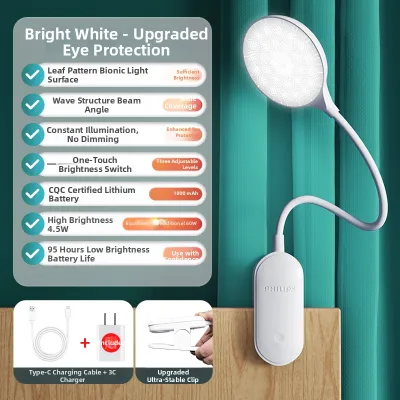
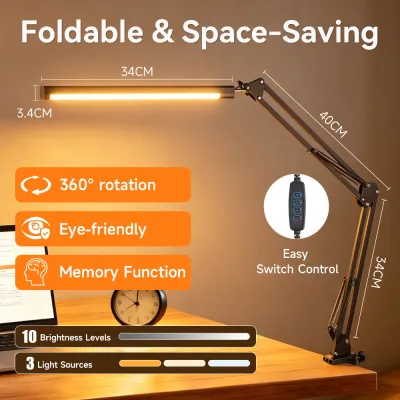
![[SG Seller]LED Touch Dimming/ Eye Protection LED Desk Lamp USB Plug-in Foldable Desk Lamp Touch Study Lamp](https://img.lazcdn.com/g/p/d62f490334af1dd6f64ea94ec64a7c03.png_400x400q80.png_.webp)
![[SG Local Stock] 2000mAh LED Table Lamp Study Foldable Desk Light Bedroom Bedside Touch Control Dimmable USB Rechargeable 台灯 CNY Gift Present](https://img.lazcdn.com/g/p/254b9aa79170e7ac80d5ab37505c1212.jpg_400x400q80.jpg_.webp)
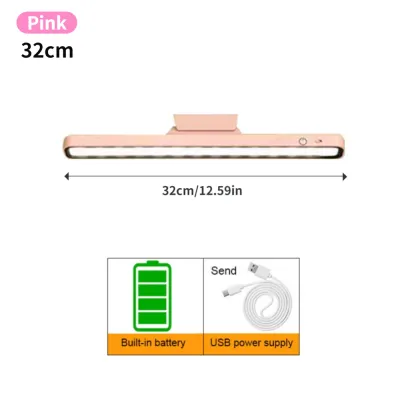
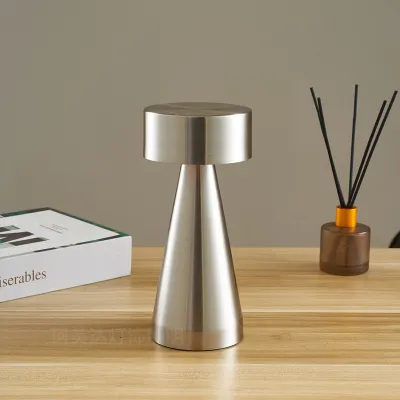
![[✅SG Ready Stock]Portable Night Light Bedside Table Lamp Rechargeable Touch Lamp Bedroom Ambient Light Hanging Lamp With Adjustable Brightness Changeable Colors Timer for Home/Bedroom/Office/Hallways](https://img.lazcdn.com/g/p/d42db546b92dba47d23e7546418a6e47.jpg_400x400q80.jpg_.webp)
Prices are valid at publication and may change. Please refer to the product page for the latest price.
Flicker and glare control are critical for preventing visual fatigue during long study sessions. Check the product specifications for certified flicker-free technology and low-blue-light labels from recognized testing bodies. Additionally, look for physical design features like honeycomb diffusers or asymmetric reflectors that direct light away from your eyes and screen.
Physical adjustability determines how effectively you can position the light source. Evaluate the range of motion of the lamp head and arm, looking for multi-axis joints that allow you to adjust the height and angle to prevent casting shadows from your hands or body onto your work.
Color temperature, measured in Kelvin (K), is another key setting to check. Many modern study lamps offer adjustable color temperatures, allowing you to switch between a cool white light (around 5000K) for active focus and a warmer, softer light (around 3000K) for evening reading. This is a matter of personal preference, but having the option to adjust it can help customize your study environment.
Philips: Established Ergonomics and Eye-Care Focus
Philips has long been a household name in Singapore, known for its focus on reliable, eye-care-oriented lighting solutions. Their study-oriented desk lamps typically feature specialized diffusion technologies, such as honeycomb lenses or micro-prism arrays, designed to scatter light evenly and minimize harsh, direct glare. This design philosophy prioritizes a soft, comfortable visual environment that mimics natural light.

In terms of build quality, Philips lamps often utilize robust plastics and sturdy metal joints that provide reliable stability on your desk. Their ergonomic models frequently feature flexible silicone necks or multi-jointed arms, allowing you to pivot the light source precisely where it is needed without the lamp tipping over. Many of their designs cater to traditional study setups with simple, tactile physical buttons that are easy to operate.
When purchasing a Philips table light in Singapore, always verify the local electrical specifications on the box. Ensure the model is rated for Singapore’s 230V, 50Hz power supply and carries the Enterprise Singapore Safety Mark. Additionally, check the rated lifetime of the integrated LED module and confirm the maximum wattage limit to ensure safe, long-term operation.
Xiaomi: Smart Integration and Minimalist Value
Xiaomi has gained popularity by offering modern, minimalist designs integrated with smart home capabilities at highly competitive price points. Their table lights typically connect to home automation ecosystems via Wi-Fi or Bluetooth, allowing you to adjust brightness, customize color temperatures, and set automated study schedules directly from your smartphone or via voice commands.
The aesthetic of Xiaomi lamps is characterized by clean lines, slim profiles, and a compact footprint. This makes them particularly well-suited for smaller study desks, shared bedrooms, or modern HDB apartments where space is at a premium. The minimalist physical interface usually consists of a single dial or touch button, leaving advanced adjustments to the mobile app.
However, before choosing a Xiaomi lamp for intensive studying, you must verify its optical specifications. Ensure the specific model you are considering is rated for dedicated reading tasks rather than just ambient lighting. Check the packaging to confirm it delivers sufficient lux at desk level and possesses a high CRI rating, as some entry-level smart models may prioritize connectivity over high-performance optical output.
BenQ: Premium Optical Engineering and Wide Coverage
BenQ positions its table lights at the premium end of the market, focusing heavily on advanced optical engineering to solve common study-space challenges. Their flagship desk lamps often feature a distinctive curved head design, which is engineered to project a wide, highly uniform arc of light across your entire workspace, making them ideal for larger desks.
A key feature of BenQ’s optical design is asymmetric light projection. This technology directs light at an angle to illuminate your desk surface while preventing direct reflections off computer screens or tablet displays. This makes their lamps highly suitable for modern study environments that involve a mix of physical textbooks and digital screens.
Many premium BenQ models also feature built-in ambient light sensors that automatically detect surrounding light levels and suggest real-time brightness adjustments. This helps maintain a consistent level of illumination on your desk as daylight fades, reducing the need for manual adjustments.
Before investing in a BenQ lamp, verify the physical requirements of your setup. These premium lamps often have a larger footprint or require specialized clamp mounts, so you must check your desk’s edge thickness and material compatibility. Additionally, confirm the power adapter specifications and ensure your workspace can accommodate the physical range of motion of their heavy-duty, counterbalanced arms.
Comparing Core Features Across the Three Brands
To help you evaluate your options, the following matrix outlines the typical characteristics of each brand across key decision-making dimensions. Use this comparison as a baseline when browsing online marketplaces or visiting local retail showrooms in Singapore.
| Brand | Typical Design Focus | Smart Ecosystem Integration | Ideal Desk Size | Key Label Checks |
|---|---|---|---|---|
| Philips | Soft, diffused light with honeycomb lenses | Minimal to moderate (model-dependent) | Small to medium | Safety Mark, rated LED lifetime, lux levels |
| Xiaomi | Minimalist aesthetics and smart automation | High (app control, scheduling, scenes) | Small to medium | CRI rating, maximum lux output, wireless protocol |
| BenQ | Asymmetric optical path and wide coverage | Low to moderate (auto-dimming sensors) | Medium to large | Clamp compatibility, desk footprint, power specs |
When you are ready to make a decision, fill in the exact model specifications and current S$ retail prices for the specific units available in the market to ensure an accurate comparison.
Decision Framework: Which Brand Fits Your Study Setup?
Choosing the right brand depends on your physical study environment, your daily habits, and how you interact with your workspace. If you prioritize a straightforward, plug-and-play setup with proven physical ergonomics and soft, glare-free light, Philips is a highly reliable choice. Their lamps are ideal for traditional study setups focused primarily on reading and writing physical materials.
If you are working with a limited budget, appreciate minimalist aesthetics, and want to integrate your lighting into a broader smart home ecosystem, Xiaomi offers excellent value. Just be sure to verify that the specific model’s brightness and color rendering capabilities meet the demands of your study routine.
For those who use large desks, dual-monitor setups, or spend long hours switching between physical textbooks and digital screens, BenQ’s premium optical engineering justifies the higher investment. The wide, asymmetric light distribution is highly effective at reducing screen glare and illuminating expansive workspaces.
Before finalizing your purchase, always measure your desk space, check for specific mounting constraints (such as glass tabletops or thick bevels), and ensure the lamp’s electrical certifications align with local safety standards. If you have specific visual sensitivities or medical lighting requirements, consult an eye-care professional before selecting a light source.
Frequently Asked Questions (FAQ)
Does a higher wattage always mean a better study table light?
No, a higher wattage does not automatically mean a better study light. Wattage simply measures electrical power consumption, not the quality or brightness of the light produced. Modern LED technology is highly efficient, meaning a low-wattage LED lamp can produce the same or greater brightness (measured in lumens) as an older, high-wattage bulb. When evaluating a study lamp, focus on the lux rating (which measures light intensity on your desk surface) and the uniformity of light distribution rather than the wattage.
Can I use a standard smart bulb in any desk lamp for studying?
While you can physically fit a smart bulb into many standard desk lamps, it may not provide an optimal study environment. Standard bulbs often lack the specialized optical diffusers or asymmetric reflectors found in dedicated study lamps, which can lead to harsh glare and uneven light distribution. If you choose to retrofit a lamp, always verify the lamp’s maximum wattage rating, ensure the physical enclosure allows for adequate heat dissipation, and check that the lamp shade provides sufficient glare control to protect your eyes during long reading sessions.

Community discussion
Share your experience or ask a question. Comments are reviewed before publication.