
Finding the ideal led adjustable light for a home office or study area in Singapore involves balancing physical flexibility, build quality, and optical comfort. With many professionals and students spending long hours at their desks, the choice between major brands like Philips, Xiaomi, and BenQ often comes down to how well a lamp adapts to your specific workspace. Each brand approaches desk lighting with a distinct philosophy, ranging from traditional optical engineering to smart home integration and premium ergonomic designs.
To make an informed decision, you must look beyond basic brightness and evaluate how these brands perform across key areas like joint stability, glare control, and ease of adjustment. While one brand might excel at illuminating a wide dual-monitor setup, another might offer excellent value for a compact study corner. Understanding these differences ensures you select a lamp that supports your eyes and fits seamlessly into your daily routine.
Core Comparison Criteria for Adjustable LED Desk Lamps
When evaluating an led adjustable light, the physical design of the lamp is just as critical as the light source itself. A high-quality desk lamp must offer precise physical adjustability, allowing you to direct light exactly where it is needed without causing glare or shadows. Key physical parameters to consider include the tilt angle of the lamp head, the swivel range of the arm, the maximum height extension, and the horizontal reach across your desk surface.
Products mentioned in this guide
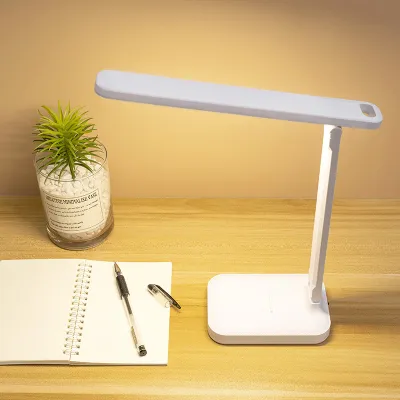
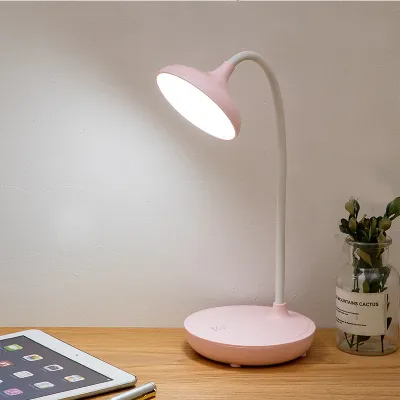
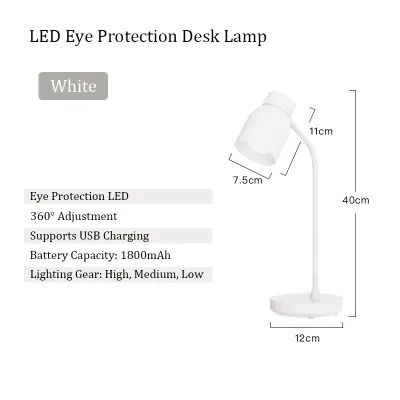
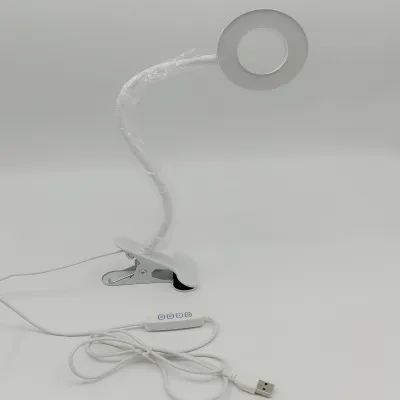
Prices are valid at publication and may change. Please refer to the product page for the latest price.
Beyond physical movement, eye comfort metrics dictate how comfortable your eyes will feel during extended periods of reading or screen work. Color Rendering Index (CRI), measured as an Ra value, indicates how accurately a light source reveals the true colors of objects compared to natural daylight. Additionally, flicker-free technology and advanced glare reduction are essential for minimizing eye strain, headaches, and fatigue during late-night tasks.
The longevity of these features depends heavily on build quality and the materials used in the joints and hinges. A lamp with poor joint tension will gradually sag, losing its position and requiring constant manual correction. Examining the construction materials—such as robust metal alloys versus lightweight plastics—helps you determine whether a lamp can maintain its position over years of daily use.
Adjustability and Ergonomic Reach
The physical architecture of a desk lamp determines how effectively it can cover your workspace. Philips, Xiaomi, and BenQ employ distinct design philosophies when it comes to arm mechanisms and physical reach. Philips often utilizes classic multi-jointed articulated arms or flexible goosenecks, which provide reliable, localized illumination for traditional reading and writing tasks. These designs are highly effective for directing light downward onto a specific document or book.

Xiaomi typically favors minimalist, slender profiles with single-hinge or dual-hinge mechanisms that blend seamlessly into modern home aesthetics. While these designs offer a clean look, their horizontal reach and vertical range may be more constrained compared to heavy-duty articulated arms. They work exceptionally well for smaller desks or clean, uncluttered setups where space is at a premium.
BenQ focuses heavily on wide-angle, ergonomic coverage, often utilizing counterbalanced arms and ball joints that allow for highly fluid, multi-directional adjustments. Their designs are engineered to cast a wide, even arc of light, making them highly suitable for larger desks, drafting tables, or setups with multiple monitors. This extensive reach ensures that the light source can be positioned high and wide enough to avoid casting shadows over your entire work area.
When selecting a lamp, joint tension is a critical factor that directly impacts long-term usability. Over time, the constant movement of the lamp head can wear down internal springs or friction pads, causing the arm to sag. It is highly recommended to check manufacturer specifications regarding joint materials and look for adjustable tension screws that allow you to tighten the joints manually if they loosen over time.
Space constraints in Singaporean homes, such as compact study corners in HDB flats, also dictate the type of lamp base you should choose. A heavy, stable table base provides excellent stability but occupies valuable desk real estate. If your desk is compact or crowded, look for brands that offer clamp-on options or desk-mounting accessories, which secure the lamp to the edge of the table and keep your workspace completely clear.
Eye Comfort and Lighting Performance
Lighting quality is the foundation of eye comfort, especially when working under artificial light for several hours. The way a lamp handles color temperature adjustment and dimming plays a major role in reducing visual fatigue. Some lamps offer stepped adjustments, which limit you to a few preset brightness levels and color temperatures, while others feature continuous, stepless dimming that allows you to fine-tune the light to your exact preference.
Flicker-free operation is another vital component of eye care. Even when flicker is invisible to the naked eye, high-frequency strobing can cause eye strain, mild headaches, and general discomfort over time. High-quality LED drivers ensure a steady, continuous current to the light-emitting diodes, eliminating rapid fluctuations in light output.
Glare control is equally important, particularly if you work on a computer screen. Direct glare from an exposed light source or reflected glare from a monitor can cause significant discomfort. Brands address this issue using various optical technologies, such as frosted diffusers, honeycomb louvers, or asymmetric optical designs. Asymmetric lighting directs light at an angle onto the desk surface rather than directly onto the screen, preventing screen reflections while keeping your workspace brightly lit.
To verify these lighting claims, always consult the official product specification sheets rather than relying solely on marketing buzzwords. Look for a Color Rendering Index (CRI) rating of Ra 90 or higher, which ensures vibrant and accurate color representation. Additionally, check the rated illuminance levels (measured in lux) at specific distances to ensure the lamp provides sufficient brightness for detailed tasks without over-illuminating the area.
Build Quality, Smart Features, and Usability
The materials used in a desk lamp’s chassis directly influence its durability, stability, and premium feel. Premium models often feature anodized aluminum alloys or painted steel components, which offer excellent structural integrity and heat dissipation for the LED module. In contrast, entry-level models may rely more heavily on ABS plastics, which are lightweight and cost-effective but may feel less robust and be more prone to wear over time.
Control interfaces also vary significantly across these three brands, affecting how you interact with your lamp daily. Physical dials and touch-sensitive sliders on the lamp base or head offer immediate, intuitive control without requiring you to look away from your work. Some premium designs even feature wireless desktop dial controllers, allowing you to adjust brightness and color temperature from anywhere on your desk.
Smart home integration is a major selling point for modern LED desk lamps. Xiaomi excels in this category, offering seamless connectivity with smart home ecosystems, allowing you to control the lamp via mobile apps, set automated schedules, or use voice assistants. While Philips also offers smart-enabled models within its connected lighting ranges, BenQ generally focuses on automated physical sensors—such as built-in ambient light sensors that automatically adjust brightness to match the surrounding room light—rather than complex app integrations.
Before making a purchase, it is essential to verify the electrical specifications and local support options available in Singapore. Ensure the lamp is compatible with Singapore’s standard voltage of 220-240V and comes with a compatible Type G 3-pin plug. Additionally, look for the Enterprise Singapore Safety Mark on the power adapter or plug, which certifies that the electrical component has been tested and approved for safe local use. Checking the warranty terms and the availability of local service centers will also provide peace of mind should you require technical support.
How to Choose the Right Brand for Your Needs
Selecting the right led adjustable light depends on your specific workspace layout, budget, and desired features. By understanding the core strengths of Philips, Xiaomi, and BenQ, you can match their design philosophies to your personal requirements.
Choose Philips if you prioritize established optical engineering, traditional task lighting, and certified eye-care standards. Their lamps are highly suited for dedicated reading desks, children’s study areas, and users who prefer straightforward, reliable physical controls without the need for smart app setups.
Choose Xiaomi if you are looking for a sleek, minimalist aesthetic, advanced smart home integration, and highly competitive pricing, often keeping your investment well under S$100. Their lamps are ideal for tech-savvy users, modern home offices, and those who want to control their lighting environment through automation, mobile apps, or voice commands.
Choose BenQ if you require a premium, high-performance lighting solution for large workspaces, dual-monitor setups, or professional design work, where a premium investment exceeding S$200 or S$300 is justified. Their specialized asymmetric optical designs and wide-angle coverage make them an excellent choice for professionals who spend long hours in front of screens and need to minimize screen glare.
Before finalizing your decision, always verify that the lamp’s physical dimensions, mounting options, and smart protocols align with your current setup. Measure your desk thickness to ensure clamp-on models will fit securely, and check that the power cord is long enough to reach your nearest wall outlet safely.
Frequently Asked Questions (FAQ)
Do adjustable LED desk lamps consume more power when fully extended?
No, the physical position or extension of the lamp arm has no impact on electrical power consumption. The power draw of an LED desk lamp is determined solely by the wattage of the LED module and the selected brightness level. Extending or folding the arm merely changes the direction and spread of the light, not the electrical energy consumed.
How can I test if a desk lamp is truly flicker-free?
You can perform a simple, non-professional check using your smartphone camera. Open the camera app, point it directly at the light source, and look at the screen. If you see moving dark bands or rapid strobing on your screen, the lamp may have a high level of flicker. For precise and certified results, however, professional photometric testing equipment is required.
Are smart LED desk lamps safe to use without an internet connection?
Yes, smart LED desk lamps are fully functional and safe to operate without an internet connection. While offline, you will not be able to use app-based controls or voice assistants, but all physical buttons, touch sliders, and basic dimming or color temperature adjustments on the lamp itself will continue to operate normally.

Community discussion
Share your experience or ask a question. Comments are reviewed before publication.