
Finding the right small table lamp for studying involves balancing visual comfort, desk space, and budget. With many households in Singapore optimizing compact study areas or home offices, selecting a lamp that fits your specific desk layout is essential for maintaining focus and reducing eye strain.
This comparison evaluates Philips, Xiaomi, and IKEA—three of the most popular brands available locally—to help you determine which design philosophy matches your study habits. Whether you prioritize advanced optical engineering, smart home automation, or budget-friendly modularity, each brand offers distinct advantages depending on your daily routine.
Quick Answer: Which Brand Fits Your Study Setup?
Choosing between these brands depends largely on your primary study requirements, desk size, and how you prefer to control your environment.
Products mentioned in this guide

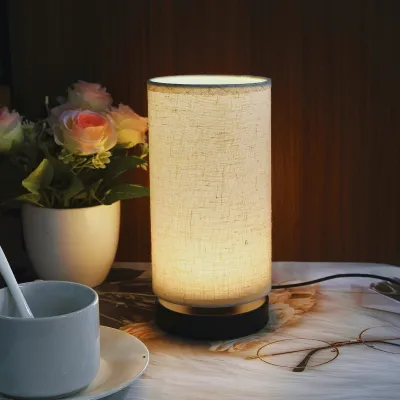
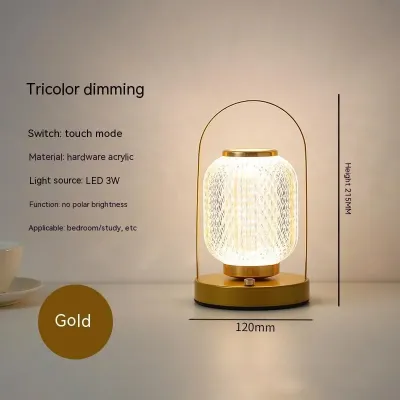
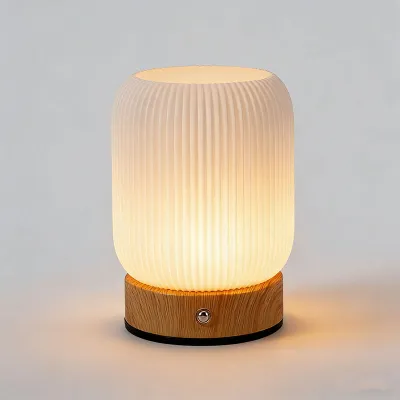
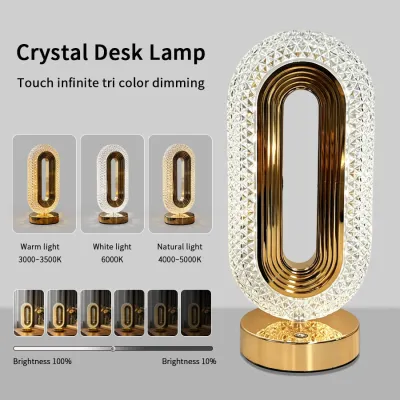
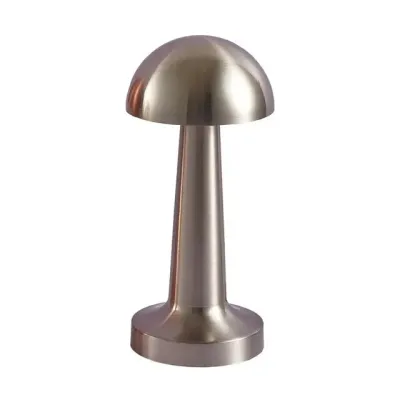
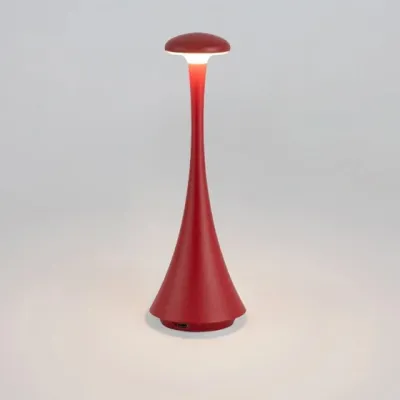
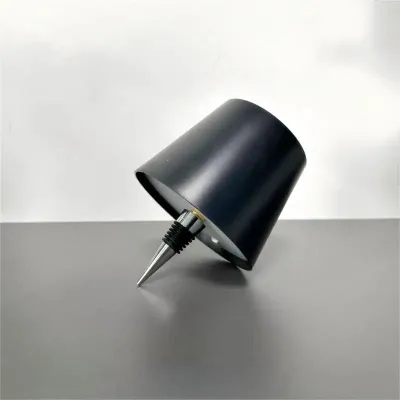
Prices are valid at publication and may change. Please refer to the product page for the latest price.
- Philips is generally the most suitable option if your primary focus is dedicated eye-care technology. Their lamps typically feature specialized optical diffusers designed to minimize glare and reduce eye fatigue during long reading sessions.
- Xiaomi is ideal for those who want a minimalist, space-saving footprint combined with smart home integration. Their models allow you to adjust brightness and color temperature remotely or set automated study schedules via mobile apps.
- IKEA offers the most practical, budget-friendly, and modular solutions. Many of their designs utilize standard bulb sockets, allowing you to choose your own bulb and easily replace it if it fails.
To find the right fit, consider your existing smart home ecosystem, the physical limits of your desk, and the specific visual tasks you perform. We recommend verifying current stock and specific model availability at official brand stores or authorized online retailers in Singapore before making your final decision.
Key Comparison Dimensions for Small Study Lamps
Before selecting a specific model, it is helpful to understand the objective criteria used to evaluate small desk lamps. These dimensions ensure the lamp you choose supports healthy study habits and fits safely into your room.

Illumination and Optics
When studying, look for lamps that distribute light evenly across your workspace rather than creating a single, intense hot spot. Check product packaging for glare reduction features and the Color Rendering Index (CRI or Ra). A higher CRI, typically Ra 90 or above, helps colors appear more natural and vivid, which is particularly important for design work, art projects, or reading color-coded textbooks.
Footprint and Adjustability
In compact study areas, every square centimeter of desk space matters. Measure your available desk surface against the lamp’s base dimensions to ensure it will not crowd your books or computer. Look for adjustable arms, tilting heads, or rotating joints that allow you to direct the light precisely where you need it without having to shift the entire base.
Power and Compatibility
Ensure any lamp you purchase is compatible with Singapore’s electrical standards, which require appliances to operate safely on a 230V supply. Verify that the lamp comes with a compatible plug (typically Type G) and check the manufacturer’s specified maximum wattage limits to prevent overheating. Additionally, consider the length of the power cord to ensure it can comfortably reach your nearest wall outlet.
Control and Dimming
Different study tasks require different light levels. High-intensity light is excellent for detailed writing, while a softer, dimmed light is better when working alongside a computer screen to reduce contrast glare. Evaluate whether you prefer simple physical switches, seamless touch-sensitive sliders, or app-based dimming controls that allow you to adjust settings from your phone.
Brand Breakdown: Philips, Xiaomi, and IKEA
Each of these three brands approaches study lighting from a different design philosophy. Understanding these differences will help you narrow down your choices based on what you value most in your workspace.
Philips: Ergonomic Focus and Eye-Care Features
Philips has long established itself as a leader in optical engineering, with a strong emphasis on visual comfort and eye health. Their study lamp ranges are specifically designed to address the common causes of eye strain, such as micro-flickering and harsh glare. Many of their models incorporate custom honeycomb diffusers or specialized lenses that distribute light uniformly across the desk, preventing the sharp contrasts that force your pupils to constantly adjust.
In terms of build quality, Philips lamps typically feature robust materials and sturdy, adjustable arms that hold their position reliably over time. This mechanical durability ensures that once you find the perfect angle for your study setup, the lamp head will not sag or drift.
Because of these advanced optical features and durable construction, Philips models often sit in a higher price tier. When shopping, it is wise to check the product packaging for specific eye-safety certifications and optical standards to ensure you are getting the exact features you need for long study sessions.
Xiaomi: Smart Connectivity and Minimalist Design
Xiaomi focuses on modern aesthetics and seamless smart home integration. Their small table lamps are characterized by clean lines, matte finishes, and an exceptionally compact footprint. This minimalist design makes them a popular choice for modern apartments and smaller study desks where saving space is a priority.
The standout feature of Xiaomi lamps is their connectivity. By linking the lamp to a mobile app, you can easily adjust both the brightness and the color temperature—ranging from a cool white light for intense focus to a warm yellow light for relaxed evening reading. You can also integrate the lamp with other smart devices, allowing you to set automated schedules or use built-in focus timers that remind you to take regular breaks.
However, relying on smart features means you must verify compatibility with your existing home network and smart assistants before purchasing. Ensure the specific model supports your preferred smart home platform and check the local app server requirements to avoid setup difficulties.
IKEA: Budget-Friendly and Modular Flexibility
IKEA approaches lighting with a focus on affordability, simplicity, and modular design. Rather than integrating complex electronics into the lamp itself, many IKEA designs rely on standard, replaceable bulb sockets such as E27, E14, or GU10. This modular approach gives you complete control over the light source, allowing you to choose the exact brightness, color temperature, and brand of bulb you prefer.
This design philosophy also offers excellent longevity. If the bulb eventually burns out, you only need to replace the bulb rather than discarding the entire lamp fixture. This makes IKEA lamps highly cost-effective over the long term and allows you to upgrade to smart bulbs later if your needs change.
Keep in mind that many IKEA lamps are sold without a bulb included in the box, so you will need to factor in this separate purchase. Always check the product label to verify the maximum wattage limit of the fixture to ensure safe operation with your chosen bulb.
Feature and Specification Checklist
When evaluating a small table lamp in-store or online, use this practical checklist to verify its safety, compatibility, and physical stability.
- Electrical Safety: Look for recognized safety certification marks, such as the Safety Mark in Singapore, on the product or its packaging. This indicates the device has been tested and approved for safe domestic use.
- Bulb Base and Type: Confirm whether the lamp uses an integrated LED or a replaceable bulb socket. Integrated LEDs allow for sleeker, thinner designs but mean the entire fixture must be replaced if the light source fails. For socket-based lamps, ensure you can easily source compatible bulbs locally.
- Dimming Compatibility: If you plan to use a dimmable bulb in a socket-based lamp, verify that both the fixture's switch mechanism and the bulb itself are rated for dimming. Mismatched components can cause annoying flickering, buzzing, or premature bulb failure.
- Physical Stability: A small lamp must remain stable on your desk, especially if you frequently adjust the arm. Check the weight of the base and the tension of the joints. A base that is too light can cause the lamp to tip over easily when the arm is fully extended.
How to Decide: Matching the Lamp to Your Study Needs
To make your final decision, match the unique strengths of each brand to your personal study habits and workspace constraints.
- Choose Philips if: Your primary concern is minimizing eye strain during long, intense reading or writing sessions. This brand is ideal if you prefer a dedicated, high-quality optical design with physical controls and do not require smart home automation.
- Choose Xiaomi if: You want a sleek, modern aesthetic that takes up minimal desk space, and you enjoy automating your environment with smart controls, customizable color temperatures, and focus timers.
- Choose IKEA if: You are working within a strict budget, prefer a simple and modular design, or want the flexibility to choose, swap, and easily replace your own standard bulbs over time.
- Verify first if: You have extremely limited desk space that might require a clamp-on model, require highly precise color rendering for artistic tasks, or need a portable, battery-operated option for areas without a nearby power outlet.
Frequently Asked Questions (FAQ)
Do small table lamps provide enough light for reading?
Physical size does not determine how much light a lamp produces. Instead, you should check the lumen output listed in the product specifications. For comfortable reading and studying, a task lamp should provide sufficient localized illumination without causing glare on your pages or screens.
It is also important to position the lamp correctly—typically on the opposite side of your writing hand—to avoid casting shadows across your work. To prevent eye fatigue caused by high contrast, always use your table lamp alongside ambient room lighting rather than studying in a completely dark room.
Are smart features necessary for a study lamp?
Smart features are convenient but not strictly necessary for an effective study environment. Features like app control, voice activation, and automated timers can help you establish study routines or adjust color temperatures throughout the day.
However, a basic lamp with a physical switch and a high-quality, flicker-free bulb is entirely sufficient for standard reading and writing tasks. If you do not already use a smart home ecosystem, a non-smart lamp with manual dimming often provides the most straightforward and reliable experience.

Community discussion
Share your experience or ask a question. Comments are reviewed before publication.