
Quick Answer: Identifying the Best Value Portable Light
Finding the best value portable light in Singapore requires balancing your specific lighting needs against your budget. A true value purchase is not simply the cheapest option available; instead, it is the product that delivers the optimal balance of brightness, battery capacity, and structural durability for its price point.
When evaluating different brands, you must navigate a key trade-off: operating a lamp at its maximum brightness setting will significantly reduce its battery run time. To make an informed decision, you should match your daily routine with the appropriate brand profile and use a structured decision framework to evaluate technical specifications.
Core Specifications to Compare Across Brands
To compare portable light brands objectively, you must look past marketing claims and analyze key technical specifications.
Products mentioned in this guide
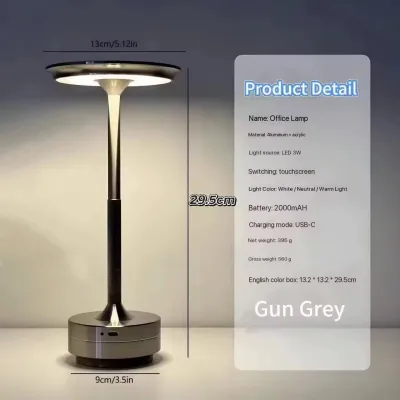
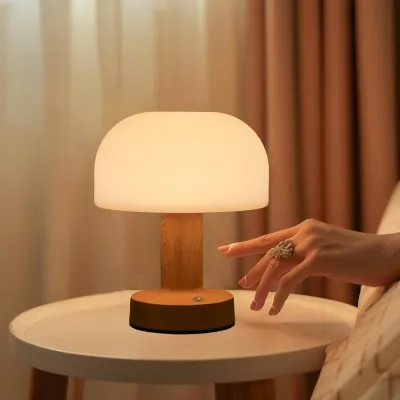
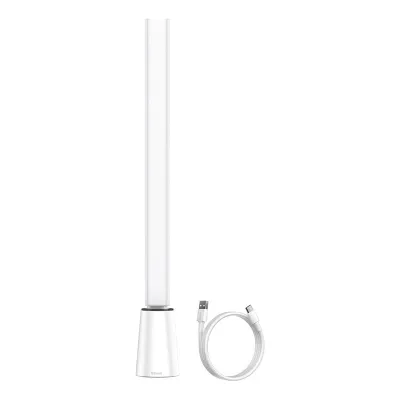
Prices are valid at publication and may change. Please refer to the product page for the latest price.

Brightness is measured in lumens, which represents the total amount of visible light emitted by the source. However, for desk work, you should also consider the lux rating, which measures light intensity on a specific surface area at a standard distance. A high-quality portable light should offer adjustable color temperatures, typically ranging from warm white (around 2700K) to cool daylight (around 6500K).
This flexibility allows you to customize the environment, using cooler light for high-focus tasks and warmer tones for relaxing evening reading. Note that perceived color temperature and spatial effects are highly subjective preferences, so having multiple adjustable modes is always advantageous.
Battery capacity, measured in milliampere-hours (mAh), directly dictates how long the lamp can operate without a power source. When comparing brands, look for detailed run-time estimates at various brightness levels rather than a single maximum battery life figure, which is usually calculated at the lowest, dimmest setting.
The charging interface is another practical consideration; modern USB-C ports offer superior convenience over proprietary charging cables, allowing you to use the same adapters and cables as your other personal devices. Always verify the voltage requirements, base or interface types, and wattage limits of the lamp to ensure compatibility with your existing USB wall chargers or power banks.
Build quality and physical portability determine how well the lamp will withstand daily use. Examine the hinge design and adjustment mechanisms, as loose or weak joints will cause the lamp head to droop over time. The base of the lamp must have sufficient weight and non-slip padding to remain stable on your desk, especially when the arm is fully extended.
Additionally, consider the materials used in construction; high-grade polymers and anodized aluminum resist scratches and are less likely to degrade or become sticky when exposed to Singapore’s humid climate.
Matching Brand Profiles to Your Daily Routine
Understanding how manufacturers position their products helps you identify which brand tier aligns with your daily routine.
Budget-friendly brand profiles typically focus on essential functionality and affordability. These lamps are usually constructed from lightweight plastics and feature basic lithium-ion batteries with standard brightness limits. While they are highly portable and excellent for occasional use, they may lack advanced features like step-less dimming or highly adjustable hinges.
If you only need a simple light source for quick tasks or a bedside reading lamp, a budget-friendly brand offers excellent utility without unnecessary expenses.
Mid-range everyday brand profiles strike a practical balance between cost, material quality, and performance. These brands often incorporate aluminum alloy accents or high-grade polymers into their designs, resulting in a more robust feel and better heat dissipation. They feature reliable, tension-adjustable hinges and consistent light output with minimal flickering.
With larger battery capacities and multiple color temperature modes, these lamps are well-suited for students and professionals who require a dependable light source for daily study or remote work sessions.
Premium or specialized brand profiles cater to users who demand top-tier performance and advanced features. These brands prioritize high Color Rendering Index (CRI) ratings, often exceeding CRI 90, which ensures that colors appear natural and accurate under the light—a critical requirement for designers, artists, and architects.
Premium models may also include smart features such as ambient light sensors that automatically adjust brightness, app integration, and sophisticated optical designs that minimize glare and eye strain. Furthermore, these brands typically offer longer, more comprehensive local warranties in Singapore, providing peace of mind for a larger upfront investment.
Decision Framework: Which Brand Type Fits Your Setup?
To finalize your choice, you can apply a simple, condition-based decision framework that matches your specific environment and usage patterns to the right brand type.
If your daily routine involves working on the go, traveling, or dealing with limited power outlets, you should prioritize a brand that emphasizes high-capacity batteries. Look for models that offer extended run times on medium brightness settings and support fast charging via USB-C. This ensures your portable light remains functional throughout your entire workday without requiring constant connection to a wall outlet.
If your primary tasks involve detailed work, drafting, or prolonged reading sessions, you should select a brand that focuses on high-lumen output and precise optical control. Prioritize models with adjustable color temperatures and step-less dimming, which allow you to fine-tune the illumination to match your surrounding ambient light. This customization helps reduce eye fatigue during long hours of focused concentration.
Regardless of the brand tier you choose, always verify the availability of local warranty support and customer service in Singapore. Purchasing a brand with an established local distributor ensures that you can easily access replacement parts, such as charging cables or mounting brackets, and receive prompt assistance if you encounter any technical issues.
Pre-Purchase Verification and Safety Checklist
Before completing your purchase, it is essential to perform a few safety and compatibility checks to protect your investment and your home.
Electrical safety should be your primary concern when buying any battery-powered device. Verify that the portable light has undergone standard safety testing and carries recognized certifications for USB charging and battery management. Review the manufacturer’s manual for guidelines on safe operation, and avoid leaving the lamp covered or in tightly enclosed, unventilated spaces while charging or operating to prevent overheating.
To avoid counterfeit products or substandard batteries, always verify the credentials of the retailer. Purchase your portable light from authorized sellers on established e-commerce platforms or directly from official brand stores. Counterfeit lamps often use low-quality lithium-ion batteries that lack proper overcharge protection, posing a significant safety hazard.
Finally, carefully review the warranty terms and return policies provided by the seller or local distributor. Confirm the duration of the warranty and understand the specific steps required to claim a replacement or repair. A clear, accessible return policy is a strong indicator of a brand’s confidence in its product quality and customer support.
Frequently Asked Questions (FAQ)
Can I leave my portable desk lamp plugged in all the time?
Most modern portable desk lamps feature built-in battery management systems that prevent overcharging once the battery reaches full capacity. However, keeping the lamp continuously plugged into a power source can generate excess heat, which may accelerate the degradation of the lithium-ion battery over time. To preserve long-term battery health, it is generally recommended to unplug the device once it is fully charged, or consult the manufacturer’s manual to see if the lamp has a dedicated desktop mode that bypasses the battery.
How do I clean the diffuser and hinges without damaging the lamp?
To maintain optimal light output and smooth mechanical operation, you should clean your portable light periodically using low-risk methods. Use a dry or slightly damp microfiber cloth to gently wipe the light diffuser and body, avoiding harsh chemical cleaners, solvents, or abrasive pads that could scratch the optical surfaces. Before attempting to lubricate any stiff or squeaking hinges, always check the manufacturer’s instructions, as many modern lamps use dry-tension joints that can be permanently damaged by liquid lubricants.

Community discussion
Share your experience or ask a question. Comments are reviewed before publication.