
When a sudden power outage plunges a high-rise Housing & Development Board (HDB) flat into complete darkness, the immediate environment changes instantly. What was once a familiar, easily navigated home becomes a maze of sharp corners, misplaced items, and potential tripping hazards. While modern smartphones feature built-in flashlights, these secondary tools are poorly suited for prolonged emergencies. They drain your primary communication device’s battery, offer limited beam distance, and lack the physical durability required to navigate a blackout safely. A dedicated, powerful torch light is an indispensable component of any household emergency preparedness plan, providing the reliable illumination needed to locate family members, inspect electrical distribution boards, or safely descend common stairwells.
Selecting the right emergency lighting requires understanding the unique layout and environmental conditions of Singaporean apartments. From compact three-room flats to sprawling executive maisonettes, the spatial dynamics and storage conditions of your home dictate your lighting needs. High humidity levels, typical of our tropical climate, also play a critical role in how batteries age and how electronic components perform over long periods of storage. By evaluating key technical specifications and matching them to your specific household layout, you can build a robust emergency lighting setup that remains fully operational when you need it most.
Key Selection Criteria for HDB Emergency Torch Lights
To choose a torch light that truly serves your household during an emergency, you must look beyond basic brightness ratings and evaluate how the device performs in real-world scenarios. The first critical factor is the balance between brightness, measured in lumens, and beam distance, often referred to as throw. Lumens represent the total amount of visible light emitted by the source, while beam distance indicates how far that light will project before fading. In the confined spaces of an HDB flat, an ultra-focused beam that projects hundreds of meters is often less useful than a wide, diffused flood beam. A flood beam illuminates an entire room uniformly, reducing harsh shadows and making it easier to navigate living areas. However, if you need to step out into the common corridor or check the lift lobby during a block-wide power failure, a balanced beam with a moderate throw becomes highly valuable for identifying distant obstacles or signage.
Products mentioned in this guide
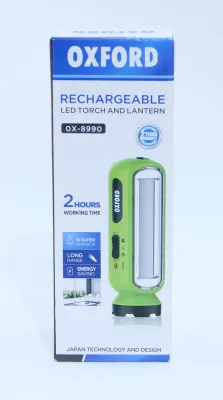
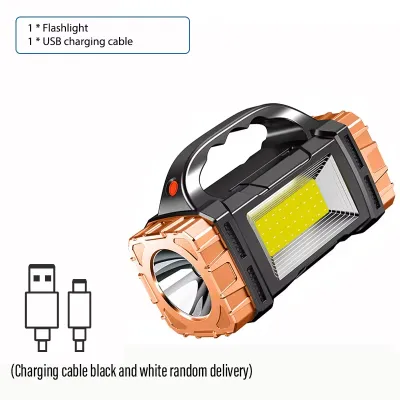
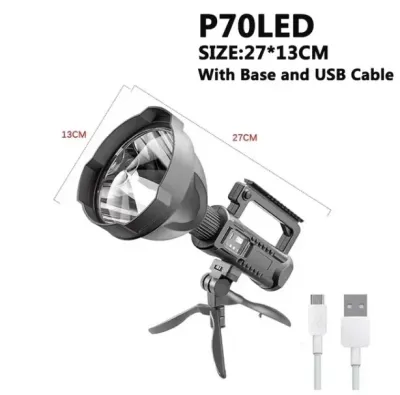
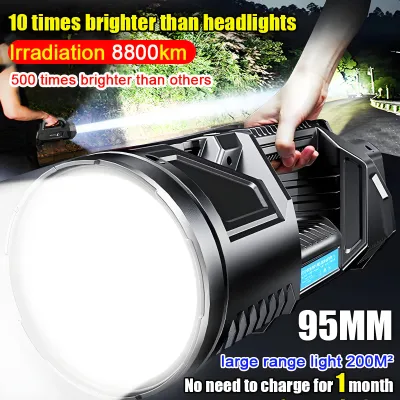
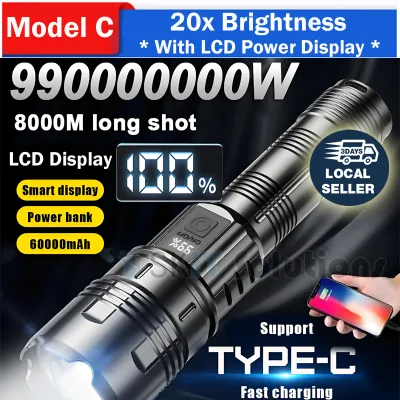
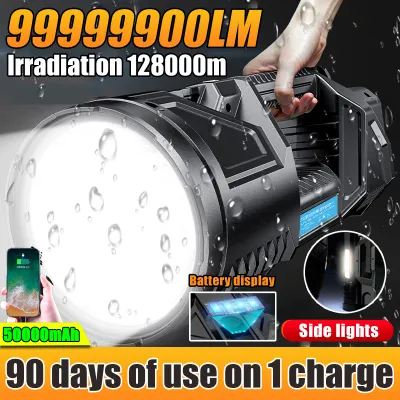
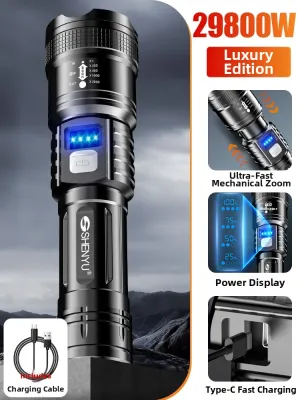
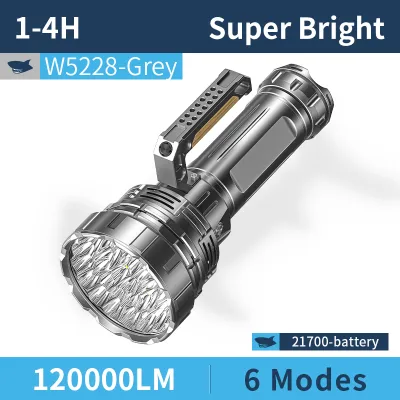
Prices are valid at publication and may change. Please refer to the product page for the latest price.
Battery configuration is another pivotal decision point that directly impacts long-term readiness. Modern torch lights generally fall into two categories: rechargeable systems, typically utilizing lithium-ion cells charged via USB-C, and disposable systems powered by standard alkaline or lithium AA/AAA batteries. Rechargeable torches offer superior light output, lower operating costs, and the convenience of topping up the battery from a power bank during an extended outage. However, lithium-ion batteries slowly self-discharge over time and can degrade if left completely flat for months in a storeroom. On the other hand, disposable batteries, particularly premium lithium AA cells, boast an impressive shelf life of up to ten years, making them incredibly reliable for long-term storage. A balanced emergency plan often incorporates both types, utilizing rechargeable lights for primary illumination and disposable-battery torches as dependable backups.
Portability and storage convenience are equally important when planning your emergency kit. HDB flats are designed with efficiency in mind, meaning storage space is often at a premium. Many modern flats feature a reinforced household shelter, commonly utilized as a utility room or storeroom. Your primary emergency torch should be compact enough to store in a designated, easily accessible drawer within this shelter or mounted directly adjacent to your electrical distribution board (DB box). A torch that is too bulky or heavy is less likely to be kept in an accessible location, defeating its purpose during a sudden blackout. Look for compact, ergonomic designs that can be comfortably held by any family member, including children and elderly relatives.
Finally, practical secondary features can significantly enhance a torch light’s utility in a crisis. Water resistance, indicated by an Ingress Protection (IP) rating, is essential for protecting the internal circuitry from Singapore’s high humidity and potential water leaks. Multi-mode dimming allows you to dial down the brightness to an ultra-low “eco” or “moonlight” mode, which can extend the battery runtime from a few hours to several days. An SOS or strobe signaling mode is crucial for attracting attention from emergency services or neighbors if you are trapped or require urgent assistance. Additionally, a magnetic base is an incredibly useful feature for hands-free operation, allowing you to snap the torch onto the metal door of your DB box or a refrigerator while you work to restore power or tend to household needs.
Matching Torch Light Types to Emergency Scenarios
Different emergency situations demand different lighting characteristics, and no single torch light can excel in every scenario. Understanding the strengths of various flashlight categories allows you to distribute your resources effectively across your home. High-lumen spotlights, characterized by large reflectors and powerful LED emitters, are designed to project a concentrated beam of light over long distances. While these are generally too bright and focused for comfortable indoor use—often causing blinding glare when reflected off light-colored HDB walls—they are invaluable for external inspections. If you need to signal to neighbors across a courtyard, assess damage outside your window, or navigate unlit emergency stairwells during an evacuation, a high-lumen spotlight provides the long-range visibility required to identify hazards from a safe distance.

For general indoor navigation and sustained use, everyday carry (EDC) lights are the ideal choice. These compact, pocket-sized torches are engineered for balance, offering a comfortable blend of moderate brightness and extended runtime. Because they are lightweight and unobtrusive, they can be kept on a bedside table, in a kitchen drawer, or even carried in a pocket throughout the duration of an outage. A high-quality EDC light operating at a modest setting of 50 to 150 lumens can easily illuminate a bedroom or bathroom for twelve hours or more on a single charge. This steady, reliable light source is perfect for performing basic household tasks, checking on family members, or reading while waiting for the power grid to be restored.
When it comes to illuminating shared family spaces like the living room or dining area, multi-purpose lantern or torch hybrids are exceptionally effective. Unlike standard flashlights that project light in a single direction, these hybrid devices feature a secondary light source—often a Chip-on-Board (COB) LED panel—integrated into the side of the handle. When stood vertically on a flat surface or hung from a ceiling hook, the hybrid torch functions as a lantern, casting a soft, 360-degree ambient glow across the entire room. This diffused light mimics natural room lighting, reducing eye strain and creating a calmer, more comfortable environment for family members gathered together. It eliminates the need to constantly point a flashlight at the ceiling to bounce light around the room, preserving battery power and providing superior overall visibility.
Essential Features to Verify Before Purchase
Before finalizing your purchase of an emergency torch light, it is crucial to verify its safety, durability, and operational specifications. Electrical safety should always be your top priority, especially when dealing with high-capacity rechargeable batteries. If you choose a torch that charges via an external wall adapter, ensure the adapter carries the SAFETY Mark registered with Enterprise Singapore, which guarantees compliance with local electrical safety standards. For the torch light itself, look for reputable international certifications such as CE, FCC, and RoHS on the packaging or product body. These markings indicate that the device has undergone testing for electromagnetic compatibility, hazardous material limits, and basic manufacturing safety, reducing the risk of electrical shorts or battery malfunctions.
A reliable battery management system (BMS) is another non-negotiable feature for any emergency light. High-performance lithium-ion batteries store a significant amount of energy and must be managed carefully to prevent overheating or premature failure. Verify that the torch light features built-in overcharge and over-discharge protection, which prevents the battery from being damaged when left plugged into a charger or when run completely flat. Additionally, look for a clear, intuitive battery status indicator. A simple color-coded LED system—such as green for fully charged, orange for medium, and flashing red for low—allows you to assess your remaining runtime at a glance, ensuring you are never left in the dark unexpectedly.
Physical durability is essential for tools that must perform under stress. Review the manufacturer’s specifications for drop-test ratings, aiming for a minimum resistance of one to two meters on concrete. The body of the torch should be constructed from high-grade materials, such as aircraft-grade anodized aluminum or impact-resistant polycarbonate, which can withstand accidental drops onto hard HDB tiled floors. Water resistance is equally critical; look for an Ingress Protection rating of at least IPX4, which protects against splashes from any angle, though IPX6 or IPX8 ratings are preferred for superior protection against heavy moisture, high humidity, and accidental submersion.
Finally, evaluate the operational logic and user interface of the torch light. In a sudden blackout, panic and confusion can make complex button sequences difficult to execute. The power switch should be physically distinct, tactile, and easy to locate by feel alone in complete darkness. Avoid torches that require you to cycle through flashing strobe modes just to turn the light off, as this can be disorienting and frustrating. A highly desirable feature is a physical or electronic lockout mode, which prevents the torch from accidentally turning on while stored in a drawer or emergency bag, ensuring the battery remains fully charged and ready for action.
Building Your HDB Emergency Lighting Kit
Creating a reliable emergency lighting setup involves more than just buying a single high-quality torch; it requires a strategic plan for distribution, maintenance, and integration. The quantity of light sources you need depends heavily on your HDB flat type and the number of household members. For a compact three-room flat, a minimum of two primary light sources is recommended: one powerful handheld torch kept near the entrance or DB box, and one compact EDC light or headlamp in the master bedroom. For larger four-room, five-room, or executive flats, you should scale up to three or four light sources. This ensures that family members in different parts of the home have immediate access to light without having to navigate dark hallways to find a shared torch.
Strategic placement is key to ensuring these tools can be retrieved quickly in an emergency. The electrical distribution board (DB box) is the most logical primary location, as it is often the first place you will need to inspect during a power outage. Mounting a torch with a magnetic base directly to the DB box door, or keeping one in an adjacent cabinet, ensures it is always within arm’s reach. Secondary lights should be placed on bedside tables, inside kitchen drawers, or near the household shelter entrance. Ensure that every family member, including older children, knows exactly where these lights are stored and can retrieve them safely without assistance.
Maintaining your emergency lighting kit is essential for ensuring long-term reliability. Rechargeable lithium-ion torches should not be left forgotten in a drawer for years; they slowly lose charge and can suffer permanent capacity loss if left completely depleted. Establish a semi-annual maintenance routine—perhaps coinciding with the mid-year and end-of-year school holidays—to inspect all emergency gear. During these checks, turn on each torch to verify functionality, top up the charge on rechargeable models, and inspect disposable batteries for any signs of white powdery leakage or corrosion. If you use alkaline batteries, store them in their original packaging or plastic organizers rather than loose in a drawer, as contact with other metal objects can cause them to short-circuit and drain.
To maximize your preparedness, integrate your emergency torch lights into a comprehensive “grab-and-go” emergency kit. This kit, ideally stored in a durable, water-resistant backpack inside your household shelter, should consolidate your primary lighting tools with other essential survival items. Alongside your powerful torch and spare batteries, include a basic first-aid kit, a loud whistle for signaling, a multi-tool, bottled water, non-perishable snacks, and copies of important personal documents. By centralizing these resources, you ensure that your household is fully prepared not only for temporary power outages but also for more significant emergencies that may require rapid evacuation.
Frequently Asked Questions (FAQ)
How many lumens do I actually need for an HDB power outage?
For navigating the indoor rooms of an HDB flat during a power outage, a torch light emitting between 100 and 300 lumens is highly effective. Because HDB walls are typically painted in light colors, they reflect light efficiently, meaning excessively high lumen counts (such as 1,000 lumens or more) can cause uncomfortable glare and eye strain indoors. However, if you need to navigate unlit common corridors, lift lobbies, or emergency stairwells, a higher output of 500 to 1,000 lumens is beneficial for projecting light over longer distances. Keep in mind that operating a torch at maximum brightness drains the battery rapidly; therefore, it is best to use a lower, comfortable setting for indoor tasks and reserve high-lumen modes for outdoor or large-space navigation.
Should I choose rechargeable or battery-operated torch lights for emergencies?
For optimal emergency preparedness, a hybrid approach that combines both rechargeable and battery-operated torch lights is highly recommended. Rechargeable torches, particularly those utilizing lithium-ion batteries, offer superior brightness, longer runtimes on high settings, and the convenience of recharging via USB-C power banks. They are ideal for primary use during an active outage. However, because rechargeable batteries slowly self-discharge over time, you should also keep battery-operated torches that run on standard AA or AAA alkaline or lithium batteries as backups. Disposable lithium batteries have an exceptional shelf life of up to ten years and will not leak, ensuring you have a reliable light source even if your rechargeable devices are flat when an emergency strikes.
Are headlamps better than handheld torch lights for home emergencies?
Headlamps are an excellent supplement to handheld torch lights, offering distinct advantages for specific emergency tasks. The primary benefit of a headlamp is hands-free operation, which is invaluable when you need to inspect your HDB flat’s electrical distribution board (DB box), administer first aid, carry heavy items, or guide family members during an evacuation. By directing light wherever you look, a headlamp allows you to work safely with both hands. However, handheld torch lights remain essential because they are easier to point quickly in different directions, simpler to share between family members, and often feature larger batteries that support higher brightness levels and longer runtimes. A complete household kit should include both styles for maximum versatility.

Community discussion
Share your experience or ask a question. Comments are reviewed before publication.