
Determining whether Pristine aroma oil outperforms competing essential oil and fragrance brands requires looking beyond marketing claims. Because scent perception is subjective and hardware compatibility varies, the most reliable way to compare these products is by evaluating their ingredient transparency, physical viscosity, and true cost per use. This guide provides a structured framework to help you assess Pristine aroma oil against market alternatives and choose the right formulation for your specific home diffuser setup.
Understanding Pristine Aroma Oil and Market Alternatives
Pristine aroma oils are typically formulated as blended aroma oils, which combine synthetic fragrance compounds with essential oils and carrier bases to achieve specific, complex scent profiles, such as their signature hotel-inspired themes. This differs significantly from pure essential oils, which are extracted directly from botanical sources via steam distillation or cold pressing without synthetic additives. Understanding these distinctions is crucial for selecting an oil that aligns with your wellness goals and hardware requirements.
Synthetic fragrance oils are entirely lab-created compounds designed to mimic natural scents or create complex olfactory experiences that cannot be extracted from nature. Blended aroma oils sit in the middle, utilizing a carrier solvent to suspend both natural and synthetic aromatic compounds. These carriers ensure the oil remains fluid enough to disperse in water or misting devices, but they also alter how the oil behaves when heated or vibrated.
Products mentioned in this guide

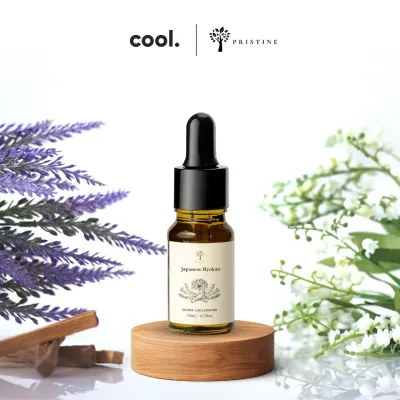
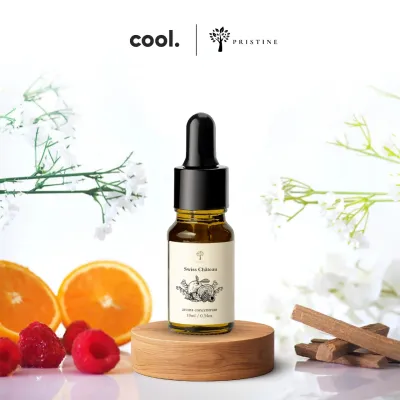

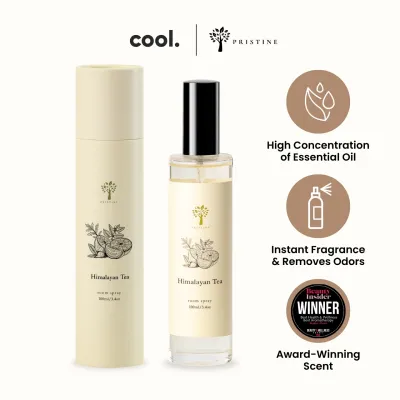

Prices are valid at publication and may change. Please refer to the product page for the latest price.
To verify the actual product type, inspect the ingredient list for botanical names, such as Lavandula angustifolia for lavender, which indicate pure essential oils. If the label lists “fragrance,” “parfum,” or generic “aroma compounds,” the product contains synthetic elements. Avoid relying solely on front-of-bottle marketing terms like “natural aroma” or “organic blend” without cross-referencing the back label.
Key Comparison Dimensions for Diffuser Use
Scent Profile and Throw Performance
The concentration of aromatic compounds relative to carrier solvents determines the initial strength and longevity of the scent throw. High-quality blends balance volatile top notes, which disperse quickly, with heavier base notes that linger in the air. While exact percentages are often proprietary, some brands disclose the ratio of fragrance concentrate to carrier, where a higher concentration typically means you need fewer drops to achieve the desired scent level.

In Singapore’s typical high-density apartments, air circulation plays a massive role in scent dispersion. An ultrasonic diffuser, which uses water to disperse oil droplets, works well in enclosed, air-conditioned bedrooms. In contrast, a waterless nebulizing diffuser requires low-viscosity oils and is better suited for larger living areas, though it consumes oil much faster.
Over time, poorly formulated blends may exhibit separation, where the heavier carrier oil sinks to the bottom or the synthetic compounds separate from natural extracts. If you notice cloudiness or distinct layers in the bottle, the formulation stability may be compromised. This can lead to uneven scent dispersion and rapid residue buildup inside your diffuser.
Ingredient Purity and Safety Standards
Inhalation safety is paramount, especially in enclosed spaces. Look for brands that provide transparent ingredient lists and allergen declarations. Many reputable manufacturers publish Safety Data Sheets (SDS) or comply with International Fragrance Association (IFRA) standards, which limit the use of known irritants and harmful solvents.
Some low-cost alternatives use phthalates or chemical solvents to extend shelf life or boost scent throw. Checking for SDS documentation or direct manufacturer disclosures helps confirm that the oil is free from these compounds. If a brand does not make these safety sheets available, it is safer to assume the formulation contains unlisted synthetic diluents.
Many common essential oils, such as tea tree, eucalyptus, and peppermint, as well as certain synthetic fragrance compounds, are toxic to pets. If you share your home with pets or young children, verify that the specific oil blend is formulated without these hazardous botanicals. Always operate your diffuser in a well-ventilated space with an open door so pets can leave the room if the scent becomes overwhelming.
Diffuser Compatibility and Maintenance
Different diffuser mechanisms have strict physical tolerances. Ultrasonic diffusers rely on a small ceramic plate vibrating at ultrasonic frequencies to create a fine mist of water and oil. Nebulizing diffusers force pressurized air through tiny micro-tubes to atomize pure oil, making them highly sensitive to oil viscosity.
Always check your diffuser manufacturer’s manual for restricted oil types or prohibited ingredients. Some high-end diffuser brands explicitly state that using non-water-soluble synthetic oils will void the warranty, as these compounds can degrade the plastic water tank or clog the ultrasonic plate.
Synthetic aroma oils containing certain solvents can chemically react with ABS or polycarbonate plastics, leading to clouding, cracking, or a sticky residue that cannot be washed away. If you notice the plastic tank becoming tacky or discolored, stop using that specific oil immediately to prevent permanent damage to the housing.
If the mist output from your diffuser visibly weakens, the scent begins to smell slightly burnt, or the unit makes a high-pitched humming noise, the vibrating plate is likely coated in oil residue. Immediate power isolation and cleaning are required to prevent permanent motor damage.
Evaluating Value and Cost per Use
Comparing the upfront retail price of a 10ml bottle of Pristine aroma oil against a competitor’s 15ml bottle can be misleading. To establish a fair comparison, calculate the cost per milliliter (S$/ml) by dividing the retail price by the bottle volume. This simple calculation often reveals that seemingly expensive premium brands are actually more economical than budget alternatives.
Next, factor in the manufacturer’s recommended dosage, such as the number of drops required per 100ml of water. A cheaper, highly diluted oil might require 10 to 15 drops to produce a noticeable scent, whereas a more concentrated blend might only require 3 to 5 drops. If you must use three times as much of the cheaper oil, its actual cost per diffusing session is significantly higher.
Highly volatile oils disperse rapidly, requiring you to refill the diffuser or add more drops frequently throughout the day. A stable, well-formulated aroma oil that maintains a consistent throw over several hours offers better long-term value, even if the initial purchase price is higher. Keep a simple log of how many drops you use per week to track your actual consumption patterns and determine the true cost of your home fragrance habit.
Decision Framework: Which Oil Fits Your Diffuser Setup?
Choosing between Pristine aroma oil and alternative brands depends entirely on your hardware, scent preferences, and lifestyle requirements.
Choose Pristine aroma oil if you prefer complex, hotel-inspired fragrance profiles and own an ultrasonic diffuser whose manufacturer explicitly permits synthetic or blended aroma oils. Ensure your diffuser tank is made of medical-grade or highly resistant plastic to withstand the synthetic compounds without degrading.
Choose pure essential oil alternatives if you prioritize ingredient purity, seek therapeutic botanical benefits, or use a waterless nebulizing diffuser. Their low viscosity prevents clogging in nebulizer micro-tubes, and their single-ingredient nature ensures complete transparency.
Neither option may fit if your diffuser is currently under warranty and the manufacturer strictly mandates the use of their own proprietary oil refills. Using any third-party brand—whether Pristine or a pure essential oil—may void your coverage. Always cross-reference the oil’s ingredient list with your diffuser’s user manual before operation to ensure compliance.
Frequently Asked Questions (FAQ)
Can I mix Pristine aroma oil with other brands in the same diffuser?
Mixing different oil formulations can lead to chemical incompatibility. Synthetic aroma oils and pure essential oils often use different carrier bases or solvents. When combined in a diffuser tank, these compounds may separate, curdle, or form a thick, gummy residue that rapidly clogs the ultrasonic plate. If you wish to create a custom blend, test a few drops of each oil together in a small glass container first. If you observe any clouding, separation, or clumping, do not use the mixture in your diffuser.
Why does my diffuser stop misting when using certain aroma oils?
Misting issues are typically caused by oil buildup on the ultrasonic transducer or within the nebulizer nozzle. Heavy synthetic fragrance compounds and thick carrier oils do not disperse easily in water and can form a physical barrier over the vibrating plate, dampening its vibrations. To resolve this, isolate the power supply and clean the unit according to the manufacturer’s instructions. Gently wiping the ultrasonic plate with a cotton swab dipped in isopropyl alcohol or a mild white vinegar solution, if permitted by the manual, will dissolve the stubborn oil residue and restore normal misting performance.

Community discussion
Share your experience or ask a question. Comments are reviewed before publication.