
Choosing between original Pristine diffuser refills and third-party alternatives comes down to balancing scent authenticity, device longevity, and your household budget. Original refills are formulated specifically for their matching hardware, ensuring the correct liquid viscosity and evaporation rate while keeping your device warranty intact. Third-party alternatives, on the other hand, offer a wider variety of scent profiles and lower upfront costs, though they require careful verification to avoid clogging your diffuser or degrading its components. By understanding how these formulations interact with your home fragrance setup, you can make an informed choice that maximizes both scent throw and value.
Understanding the Core Differences
To evaluate diffuser refills effectively, it is essential to understand how different formulations interact with diffuser mechanics. Original refills typically use proprietary fragrance blends carried in specialized solvents designed for specific diffusion methods. For example, reed diffusers rely on capillary action to draw liquid up through porous reeds, requiring a carrier with a highly specific evaporation rate. Ultrasonic and nebulizing diffusers, conversely, rely on mechanical vibration or pressurized air, which demand precise liquid properties to function without straining the hardware.
Viscosity and carrier bases are the primary technical factors that separate manufacturer-specific refills from generic alternatives. Original formulations are calibrated to match the exact mechanical tolerances of their branded devices. If a liquid is too viscous, it cannot travel up a reed or pass through a nebulizer nozzle; if it is too thin or contains high levels of volatile alcohols, it may evaporate too quickly or damage plastic reservoirs. Many third-party alternatives use generic carrier oils, such as dipropylene glycol (DPG) or isopropyl myristate (IPM), in ratios that may not align with your specific device’s requirements.
Products mentioned in this guide
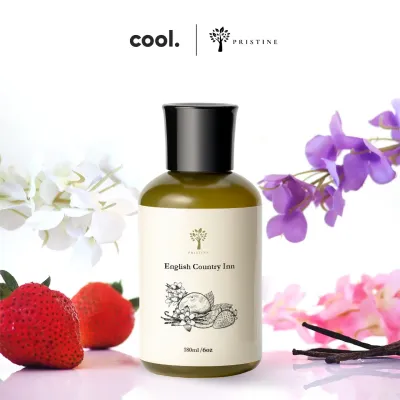

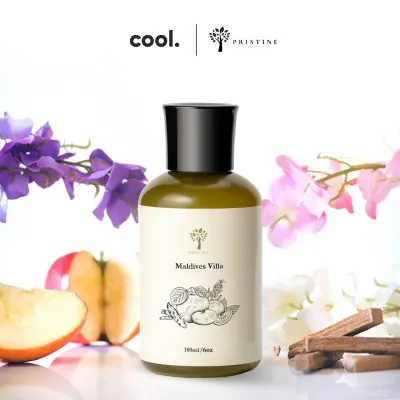

Prices are valid at publication and may change. Please refer to the product page for the latest price.
Before purchasing any refill, always check the product labels for ingredient transparency and safety compliance. Reliable manufacturers provide accessible Safety Data Sheets (SDS) and list clear ingredient profiles. Look for local compliance markings and safety certifications on the packaging to ensure the formulation is free from harmful phthalates, parabens, and restricted volatile organic compounds (VOCs). This verification is especially important for third-party oils, where formulation standards can vary widely.
Evaluating Scent Quality and Longevity
Scent profile accuracy is a major differentiator between original branded refills and third-party approximations. Original refills are crafted with complex fragrance pyramids consisting of distinct top, middle, and base notes that unfold gradually over time. Third-party alternatives often attempt to replicate these complex profiles but may rely on simpler, single-note synthetic compounds. This can result in a scent that smells highly similar in the bottle but lacks depth and character once dispersed into a living space.

To objectively compare the longevity of different refills, you can track evaporation rates and room coverage in your own home. Mark the liquid level on your diffuser reservoir or bottle and monitor how much is consumed over a set period, such as one week of regular use. Note how effectively the scent fills your target space, whether it is a compact study or a spacious, open-plan living area. A high-quality refill should maintain a consistent scent throw throughout its lifespan, whereas lower-grade alternatives may start strong but fade rapidly as the lighter top notes evaporate, leaving behind a weak or flat aroma.
Olfactory fatigue and scent degradation also play roles in how you perceive fragrance over time. Continuous exposure to a single, unchanging chemical compound can cause your nose to desensitize quickly, making it seem as though the diffuser has stopped working. High-quality formulations use multi-layered ingredients that evolve, reducing olfactory fatigue. Additionally, inferior carrier bases in some third-party refills can degrade when exposed to air and ambient light, causing the remaining liquid to develop a sour or rancid character before the bottle is empty.
Device Compatibility and Warranty Risks
Using a refill with an incorrect viscosity poses a direct physical risk to your diffuser hardware. In ultrasonic diffusers, overly thick third-party oils can form a heavy film over the ceramic transducer plate, dampening its high-frequency vibrations and causing the motor to overheat. For nebulizing diffusers, thick liquids can completely clog the micro-nozzles, rendering the device unusable. Conversely, formulas with excessive alcohol content can chemically degrade plastic water tanks, leading to micro-cracks and leaks.
Before opting for a third-party alternative, review your device’s original manual to understand the warranty implications. Most manufacturers explicitly state that damage caused by using non-authorized consumables or third-party liquids voids the warranty. If your diffuser is a premium, high-cost model, saving a small amount on a generic refill may not be worth the risk of losing your warranty protection should a mechanical failure occur.
If you decide to switch between original and third-party formulations, adjusting your cleaning and maintenance routine is essential to prevent residue buildup. When changing liquids, thoroughly clean the reservoir or nozzle to prevent chemical cross-contamination. For ultrasonic models, wipe the ceramic plate gently with a cotton swab dipped in rubbing alcohol or a mild vinegar solution, ensuring the unit is completely unplugged from the wall outlet before performing any maintenance. For reed diffusers, always use a fresh set of reeds when switching scents, as old reeds will be saturated with the previous carrier oil and will not draw the new liquid effectively.
Calculating True Value for Money
To determine the actual cost-effectiveness of a diffuser refill, look beyond the initial purchase price and calculate the cost per milliliter. You can find this by dividing the retail price in S$ by the total volume of the bottle in milliliters (S$ Price / Volume in ml). A larger, cheaper bottle of third-party oil may seem like a bargain, but if its unit cost is only slightly lower than the original refill, the potential performance trade-offs may outweigh the nominal savings.
Dilution requirements and scent concentration also heavily influence the true value of a refill. Many budget-friendly third-party oils are highly diluted with cheap carrier liquids, meaning you must use significantly more drops or refill the reservoir more frequently to achieve a satisfactory scent throw. If you find yourself consuming a third-party bottle twice as fast as an original, highly concentrated Pristine refill, your actual cost of use over time will be higher, despite the lower upfront price.
Finally, factor in the potential hidden costs associated with alternative refills. Accelerated wear and tear on your diffuser, the need for frequent replacement reeds, or the cost of purchasing specialized descaling solutions all add up. If an incompatible third-party liquid damages your diffuser’s ultrasonic plate or pump, the cost of replacing the entire device will quickly wipe out any savings gained from buying cheaper oil.
Decision Framework: Which Refill Should You Choose?
To finalize your purchasing decision, evaluate your specific household priorities and device status using this structured framework:
- Choose original Pristine refills if: Scent authenticity, complex fragrance notes, and hassle-free compatibility are your top priorities. This is the safest choice if your diffuser is still under warranty, as it guarantees optimal performance without the risk of clogging or damaging the hardware.
- Choose third-party alternatives if: You are working within a strict budget, enjoy experimenting with custom essential oil blends, or are using an older, out-of-warranty diffuser where the risk of hardware wear is less of a financial concern.
- Verify first if: You decide to go with a third-party option. Always confirm that the product packaging explicitly states compatibility with your specific type of diffuser (such as ultrasonic, reed, or nebulizer) and provides a clear, verifiable list of ingredients and safety compliance markings.
Frequently Asked Questions (FAQ)
Can I mix original Pristine refills with third-party essential oils?
Mixing original refills with third-party essential oils is not recommended due to the risk of unpredictable chemical interactions. Original refills are carefully balanced synthetic or natural fragrance blends with specific carrier solvents, while pure essential oils have different densities, chemical structures, and evaporation rates. Combining them can cause the liquids to separate, resulting in an uneven scent throw. Furthermore, mixing different formulas can alter the overall viscosity of the liquid, leading to a sticky residue that can clog your diffuser’s ultrasonic plate or reed channels. If you want to experiment with a custom blend, always test a small batch in a separate glass container first to check for separation or cloudiness before adding it to your device.
How should I store unused diffuser refills to maintain scent quality?
To preserve the integrity and scent quality of both original and third-party refills, store them in a cool, dark place away from direct sunlight, moisture, and heat sources, such as a closed pantry or drawer. Exposure to ultraviolet (UV) light and high temperatures accelerates the oxidation of carrier oils and fragrance compounds, which can cause the scent to degrade, weaken, or turn rancid. Always keep the bottles tightly sealed and stored in an upright position to prevent leaks and minimize air exposure inside the bottle. Checking the manufacturer’s expiration or period-after-opening dates will also help ensure you use the refills while the fragrance oils are at their peak potency.

Community discussion
Share your experience or ask a question. Comments are reviewed before publication.