
Choosing a home fragrance system often comes down to how you prefer to handle your diffuser refill. The fundamental trade-off lies between the effortless convenience of proprietary pods and the open-ended flexibility of open-top tanks. If your priority is a clean, plug-and-play experience without the hassle of measuring drops or cleaning oily residues, a proprietary pod system is highly suitable. Conversely, if you prefer complete control over your scent blends, want to use any brand of essential oil, and aim to keep long-term running costs low, an open-top tank is the more practical choice.
The Core Difference: Proprietary Pods vs Open-Top Tanks
Proprietary pod systems utilize sealed, pre-filled cartridges designed specifically for a single brand’s diffusion device. These cartridges are engineered to click directly into the machine, bypassing the need to handle raw oils or mix them with water. The internal mechanism of the diffuser pierces or connects to the pod, delivering a consistent scent output through automated cycles. This design minimizes exposure to air, preserving the fragrance integrity until the pod is completely empty.
Open-top tank systems, on the other hand, feature an accessible reservoir where you manually add water and drops of essential oil. These systems typically rely on ultrasonic technology or direct nebulisation to disperse the mixture into the air. Because the tank is completely open, you can pour in any compatible liquid, mix different oils together, and adjust the concentration of the scent on the fly. This classic design is highly adaptable but requires active hands-on management.
Products mentioned in this guide


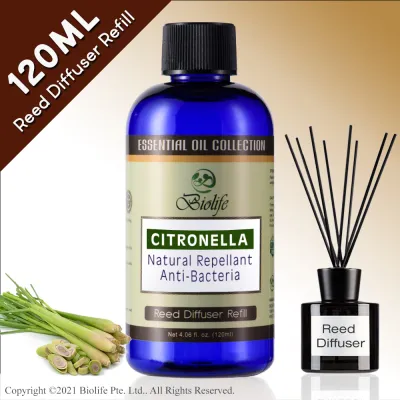

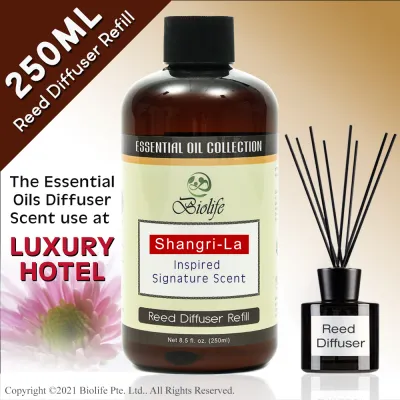
![(80+ Selections) Shangri-La Hotel/ Hilton Hotel/ Westin Hotel/ Lavender/ Jasmine/ Gardenia/ Ocean/ Bluebell/ Rose/ Osmanthus/ English Pear Freesia scent Premium Home Fragrance Reed Diffuser (50ml/ 180ml) / Reed Refill (60ml) Essential Oil [Re.D]](https://img.lazcdn.com/g/p/3531ee3b6bef554bf3880b269eb596d5.jpg_400x400q80.jpg_.webp)
![[SG Stock] Essential Oil Scented Chase Diffuser Refill Aroma Essential Oil Reed (500ml) [Free empty bottle & stick for each order]](https://img.lazcdn.com/g/p/9b618e2c8dac2958fd0111cc791e60c5.jpg_400x400q80.jpg_.webp)
Prices are valid at publication and may change. Please refer to the product page for the latest price.
The primary decision-defining dimensions between these two systems are convenience and control. Proprietary pods eliminate the risk of spills, measuring errors, and messy cleanups, making them ideal for busy lifestyles or professional environments. Open-top tanks appeal to those who view aromatherapy as an active, sensory ritual where customisation, ingredient purity, and scent experimentation are central to the experience.
Long-Term Flexibility and Essential Oil Compatibility
When you invest in a proprietary pod diffuser, you are essentially committing to that brand’s specific scent library. Because the pods are physically shaped to fit only one type of device, you cannot easily swap in a bottle of essential oil purchased from a local boutique or an online marketplace. If a brand decides to discontinue a particular fragrance or goes out of business, finding a compatible diffuser refill becomes exceptionally difficult. Furthermore, you cannot adjust the ratio of ingredients within a pre-sealed pod, meaning you must accept the pre-formulated strength and scent profile as designed.

Open-top tanks offer complete freedom of choice regarding your essential oil sources. You can purchase single-origin oils, organic blends, or budget-friendly options from any manufacturer worldwide. This open compatibility allows you to craft custom aromatherapy blends—such as mixing lavender with sweet orange—directly in the water reservoir. You also retain full control over the scent intensity by simply adding more or fewer drops depending on the size of your room and personal preference.
However, this open compatibility requires careful verification of oil viscosity and quality to protect your device. Heavy, viscous oils like patchouli, vetiver, or sandalwood can accumulate rapidly on ultrasonic plates, potentially dampening the mist output or clogging the mechanism. Before pouring any new oil into an open-top tank, it is essential to check the manufacturer’s guidelines regarding oil types. Using synthetic fragrance oils or carrier oils (like jojoba or coconut oil) in a device designed strictly for pure essential oils can permanently damage the internal components and void the warranty.
Material compatibility is another critical factor to verify on the product label. Highly concentrated essential oils, particularly citrus oils like lemon, grapefruit, and bergamot, contain natural compounds that can degrade certain plastics over time. High-quality open-top diffusers typically feature tanks made from medical-grade plastics, glass, or ceramic to resist this chemical wear. If you plan to diffuse citrus blends frequently, verify that the reservoir material is rated as oil-resistant before making your purchase.
Cost Efficiency and Refill Pricing Structures
Evaluating the long-term financial commitment of a diffuser refill system requires looking past the initial price of the device. Proprietary pods carry a premium cost structure, often priced significantly higher per milliliter than bulk essential oils. This premium covers the cost of the specialized cartridge packaging, the brand’s proprietary blending process, and the convenience of the delivery system. While some brands offer subscription models that provide a percentage discount on recurring deliveries, the ongoing cost of running a pod-based system daily can accumulate rapidly.
Open-top tanks present a highly economical alternative, particularly for frequent users. Because you can purchase essential oils in various bottle sizes—ranging from small vials to larger bulk options—the cost per use is generally much lower. A single bottle of pure essential oil can last for dozens of diffusion cycles, as you only need a few drops per session. This allows you to allocate your budget toward high-quality, pure oils rather than specialized plastic packaging.
To calculate your personal break-even point, consider your daily usage habits. For example, if you run a diffuser for several hours every day in a typical home, a proprietary pod might last around three to four weeks, costing a fixed amount per refill. In contrast, a standard bottle of essential oil used at a rate of a few drops per day can easily last two months or more. Over a year, the savings from using an open-top tank can easily offset the initial cost of a premium diffuser device.
However, do not assume that open-top diffusers are entirely free of hidden costs. Ultrasonic plates and nebulising nozzles are subject to wear and tear, especially when exposed to hard water minerals or oil buildup. If the device is not maintained, you may find yourself replacing the entire unit or purchasing replacement parts sooner than expected. Additionally, manual pouring can lead to accidental oil wastage through spills or over-dripping, which can slowly erode the cost advantages of an open system if not managed carefully.
Maintenance, Cleaning, and Lifespan Considerations
The maintenance profiles of these two systems differ dramatically, directly impacting the lifespan of the hardware. Proprietary pod systems are highly appealing to those who dislike routine cleaning. Because the oil remains sealed inside the cartridge and is vaporized directly through a closed nozzle, there is no open water reservoir to collect dust, hair, or mineral deposits. However, these systems are not entirely maintenance-free; if a pod leaks or if the device is left unused in a warm, humid environment, dried oil can clog the micro-nozzles, leading to a sudden drop in performance or complete mechanical failure.
Open-top tanks require consistent, active maintenance to remain safe and functional. Because these reservoirs hold standing water mixed with organic oils, they are highly susceptible to bacterial growth, mold, and mineral scaling—especially in warm, humid climates. When water evaporates, it leaves behind calcium deposits that can coat the ultrasonic transducer, reducing its vibration efficiency. Furthermore, residual oil from previous sessions can oxidize, creating a sticky varnish that alters the scent of subsequent blends and strains the motor.
To maintain safe operating conditions, always establish a strict cleaning routine. Unplug the device from the wall outlet before performing any maintenance to eliminate electrical hazards. Empty any remaining water from the opposite side of the air outlet to prevent liquid from entering the internal electronics. Use a soft cloth or cotton swab dipped in a mild, manufacturer-approved cleaning solution—such as diluted white vinegar or isopropyl alcohol—to gently wipe down the tank and the ultrasonic plate. Never submerge the base of the diffuser in water or use abrasive scrubbing pads, which can scratch the delicate transducer.
If you observe persistent mineral crusts, a noticeable reduction in mist volume, or unusual operating noises despite regular cleaning, the internal components may have reached the end of their functional lifespan. Attempting to scrape off stubborn residue with sharp metal tools can permanently crack the ultrasonic plate. If basic troubleshooting does not restore normal operation, stop using the device immediately and consult the manufacturer’s customer support or a qualified professional to discuss repair or replacement options.
Decision Framework: Which Refill System Fits Your Needs?
To determine which diffuser refill system aligns with your lifestyle, evaluate your daily habits, budget, and spatial requirements.
Choose a proprietary pod system if:
- You prioritize absolute convenience, zero-mess operation, and quick scent changes without handling liquid oils.
- You intend to use the device in a professional office, a high-traffic reception area, or during frequent travel where spills must be avoided.
- You are purchasing a gift for someone who prefers simple, plug-and-play home appliances without a learning curve or cleaning routine.
Choose an open-top tank system if:
- You want the lowest possible long-term running cost and prefer purchasing essential oils in bulk or from diverse local brands.
- You enjoy the creative process of custom scent blending and want to adjust the strength of your aromatherapy sessions manually.
- You prioritize using 100% pure, single-origin essential oils without any synthetic carriers or proprietary formulations.
Verify first if:
- Your household includes pets, young children, or individuals with respiratory sensitivities or allergies. In these scenarios, having full ingredient transparency and the ability to dilute or select specific, pet-safe oils in an open-top tank is crucial for safety.
- You are purchasing a device online; always verify that the operating voltage matches Singapore's standard 230V supply, that the plug configuration is compatible, and that the device carries recognized electrical safety certifications (such as the Safety Mark) to prevent electrical hazards in your home.
Frequently Asked Questions (FAQ)
Can I use third-party essential oils in a proprietary pod diffuser?
Most proprietary pod diffusers are physically engineered to accept only the brand’s custom-shaped cartridges. These pods often feature unique locking mechanisms, specific nozzle alignments, or even electronic chips that prevent the device from operating with third-party refills. Attempting to puncture, pry open, or manually refill an empty proprietary pod with third-party essential oils can cause severe leaks, clog the internal vaporisation nozzle, and permanently damage the device’s electronics. Doing so will almost certainly void the manufacturer’s warranty, so it is highly recommended to stick to official refills or choose an open-top tank if you want oil variety.
Do open-top tanks require more frequent cleaning than pod systems?
Yes, open-top tanks require significantly more frequent cleaning than proprietary pod systems. Because open-top reservoirs hold a mixture of water and organic essential oils, they create an environment where mold, bacteria, and mineral scale can quickly develop if left stagnant. To maintain optimal performance and clean air quality, you should rinse and wipe down the tank after every few uses, or immediately when switching to a different oil profile to prevent scent cross-contamination. Always refer to your specific device’s instruction manual for the recommended cleaning intervals and approved cleaning agents to avoid damaging the ultrasonic plate.

Community discussion
Share your experience or ask a question. Comments are reviewed before publication.