
When a sudden power outage occurs in an HDB flat, a reliable light source transforms a stressful situation into a manageable inconvenience. While many homeowners purchase the first rechargeable torchlight they find on online marketplaces, selecting a model based on superficial marketing claims often leads to disappointment. A torchlight designed for outdoor search-and-rescue is rarely the best tool for navigating a compact indoor space. To build a resilient household emergency kit, you must look past maximum brightness ratings and focus on how a torchlight performs within a typical flat, prioritizing battery runtime, beam diffusion, and charging compatibility.
Battery Capacity and Runtime: Sizing Power for HDB Blackouts
When evaluating a rechargeable torchlight, battery capacity—measured in milliampere-hours (mAh)—is often the first specification buyers notice. However, a high mAh rating does not guarantee a long runtime unless paired with efficient power management. Manufacturers frequently advertise maximum runtimes based on the lowest brightness setting, which might only emit a faint glow. Conversely, running the torchlight on its highest setting can drain a high-capacity battery in less than an hour, leaving you in the dark prematurely.
For typical residential power outages, which are usually resolved within a few hours, you do not need an oversized, heavy searchlight. A compact torchlight with a battery capacity of 2,000 mAh to 3,500 mAh offers an excellent balance of weight and endurance, easily sustaining a highly usable medium brightness setting for four to eight hours. This capacity range is more than enough to last through a typical local blackout while remaining lightweight enough for children or elderly family members to carry comfortably.
Products mentioned in this guide
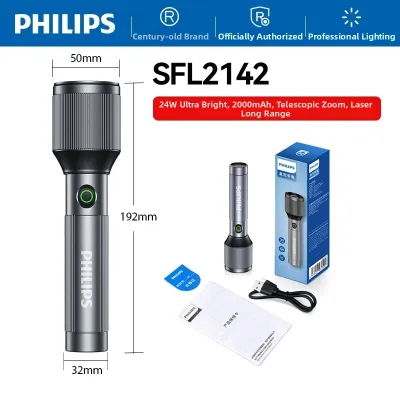
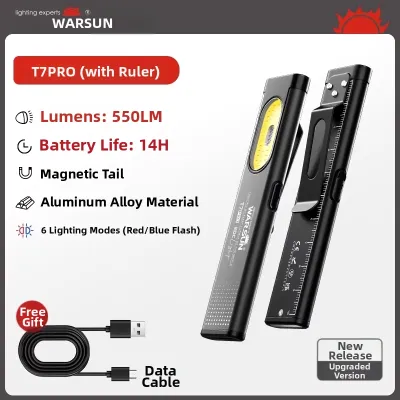
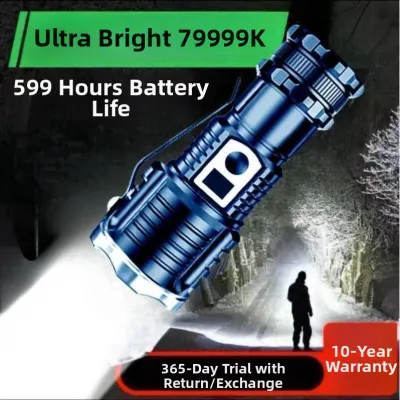
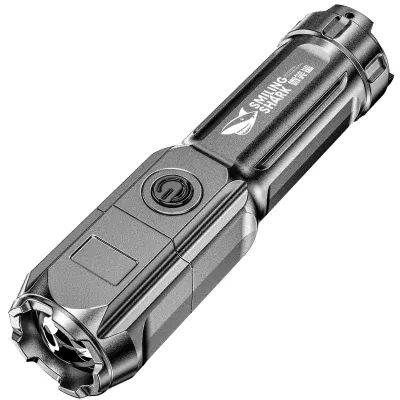
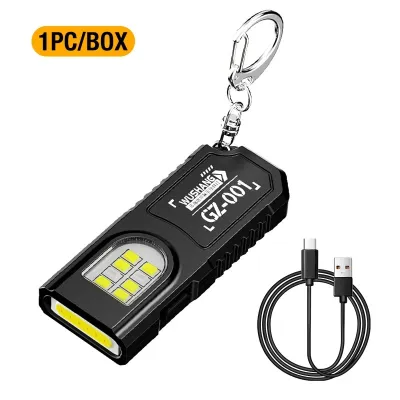
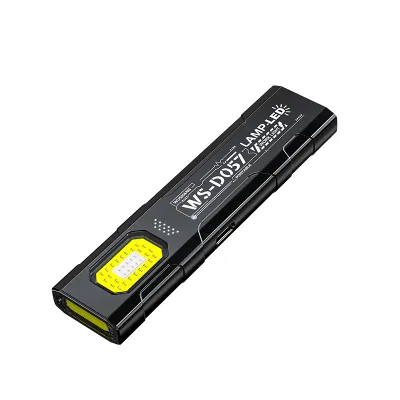
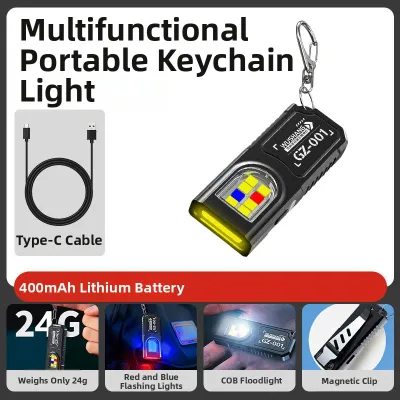
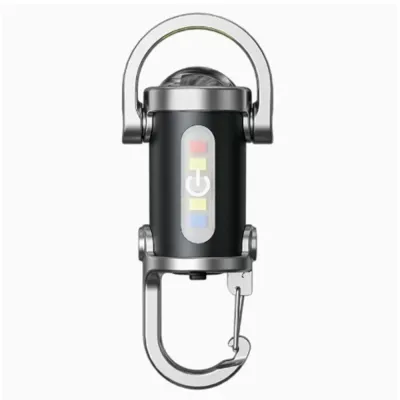
Prices are valid at publication and may change. Please refer to the product page for the latest price.
The reliability of your emergency light also depends on how its battery behaves during long periods of inactivity. Lithium-ion batteries naturally experience standby drain, slowly losing charge even when turned off. Selecting a model with low self-discharge rates and establishing a simple maintenance schedule to check the charge level every few months is essential for long-term preparedness.
Lumens and Light Modes: Choosing the Right Brightness for Indoor Use
Many torchlight advertisements highlight extreme lumen outputs, sometimes claiming thousands of lumens of blinding light. While high brightness is useful for open outdoor spaces, it is highly impractical and even counterproductive inside a home. In the relatively compact rooms of an HDB flat, pointing a high-lumen beam at light-colored walls or glossy tiled surfaces creates intense glare that can temporarily blind you and cause severe eye strain.

Instead of chasing peak lumens, look for a torchlight that offers multiple adjustable brightness levels, particularly a low or “eco” mode of 10 to 50 lumens. A low-lumen setting is perfect for navigating narrow hallways or small bathrooms without causing harsh reflections. For general room illumination, a medium setting of 100 to 200 lumens is usually sufficient to light up an entire living room when bounced off the ceiling.
The shape of the light beam is just as important as its brightness. Outdoor tactical lights project a narrow, concentrated spot beam designed to throw light over long distances, but this creates harsh shadows and a limited field of view indoors. For household emergencies, a wide flood beam or a light with a built-in diffuser is far superior, spreading light evenly across a room so you can move around safely.
Furthermore, secondary light modes can significantly improve comfort during an extended blackout. Some rechargeable torchlights feature a warm white or neutral white LED option alongside the standard cool white beam. Warm light is much softer on the eyes during the night, creating a calmer atmosphere that can help soothe anxious children.
Charging Interfaces and Power Input: Ensuring Emergency Readiness
A rechargeable torchlight is only useful if you can easily keep it powered. When comparing models, prioritize universal charging interfaces like USB-C over proprietary magnetic charging cables or unique barrel plugs. If a proprietary cable is misplaced or damaged, the torchlight becomes a single-use item once the battery drains. A USB-C port ensures you can recharge the device using the same cables and wall adapters already used for your mobile phones or other household electronics.
Universal charging ports also allow you to leverage your existing backup power solutions during an extended blackout. If the power outage lasts longer than expected, you can simply plug your USB-C torchlight into a standard portable power bank to keep it running. When checking charging specifications, look for standard 5V/1A or 5V/2A input ratings, which are highly compatible with almost all standard USB ports and power banks, ensuring you do not need specialized high-speed chargers to replenish the battery.
To guarantee your light is ready when you need it, a clear battery level indicator is a non-negotiable feature. Simple torchlights often use a single LED that only turns red when the battery is nearly dead, which provides no warning before sudden failure. A multi-stage LED indicator—such as a row of four small lights or a digital percentage display—allows you to verify the exact charge status at a glance.
Secondary Specs: Practical Features to Keep and Marketing Fluff to Ignore
When browsing online marketplaces, it is easy to get distracted by flashy features that add cost but offer no real value during a household power outage, often leading you to overspend S$20 to S$40 on unnecessary specifications. For example, extreme water resistance ratings like IPX8 are designed for deep-water diving and are entirely unnecessary for indoor use, where a basic splash-resistant rating of IPX4 is more than adequate. Similarly, tactical strike bezels and high-frequency strobe modes are designed for self-defense and outdoor survival, serving little purpose in a domestic kitchen or living room.
Instead, focus on physical design features that enhance hands-free usability inside the home. A flat tail-cap is an incredibly useful feature, as it allows the torchlight to stand vertically on a table or countertop like a candle, directing light upward to bounce off the ceiling for hands-free room illumination. Magnetic bases are also highly practical, enabling you to stick the torchlight securely to the side of a refrigerator, metal shelving, or a distribution box while you inspect your home’s circuit breakers.
Finally, always verify basic safety and electrical compliance marks on the product packaging rather than relying solely on online descriptions. Because rechargeable torchlights contain lithium-ion batteries that remain plugged into household wall outlets for hours, choosing products with recognized safety certifications ensures the internal charging circuitry prevents overcharging and overheating.
Frequently Asked Questions (FAQ)
How many lumens are sufficient for lighting an HDB living room?
For a typical HDB living room, a diffused light source of 100 to 300 lumens is generally sufficient to illuminate the space for safe movement and basic activities. Because most local flats feature light-colored walls and ceilings that reflect light efficiently, you do not need extreme brightness to make the room feel usable. If you are performing detailed tasks like reading or preparing food, a localized beam of 50 to 100 lumens directed at your hands is plenty, while a low mode of 10 to 30 lumens is ideal for navigating hallways without causing glare.
Is a power bank with a built-in flashlight a good substitute for a dedicated torchlight?
While a power bank with an integrated LED is a convenient backup, it is rarely a suitable substitute for a dedicated rechargeable torchlight during an extended outage. Power bank lights typically use low-power LEDs with poor beam diffusion, making them uncomfortable to hold and direct for long periods. More importantly, using your power bank for illumination drains the battery capacity you may desperately need to keep your mobile phones charged for emergency communication. Keeping these two devices separate ensures you have optimized light and dedicated backup power.
What is the best way to store a rechargeable torchlight to preserve battery health?
To maximize the lifespan of a lithium-ion rechargeable torchlight, store it in a cool, dry place away from direct sunlight and areas prone to high household heat, such as directly next to appliances. Avoid storing the battery completely empty or fully charged at 100% for many months, as both extremes accelerate battery degradation; keeping the charge level between 50% and 80% is ideal for long-term storage. Set a recurring reminder to check the battery level and top it up slightly every three to six months, following the manufacturer’s specific guidelines to prevent deep discharge.

Community discussion
Share your experience or ask a question. Comments are reviewed before publication.