
Swapping out your soft furnishings is one of the most effective, low-effort design strategies to instantly update a living room. Among these elements, rectangular cushion covers—often referred to as lumbar covers—are particularly valuable tools for interior styling. Their elongated silhouette breaks up the visual monotony of standard square cushions, drawing the eye horizontally to make seating areas feel wider and more spacious.
Beyond their aesthetic appeal, rectangular cushions offer essential ergonomic support for the lower back, making your sofa as comfortable as it is stylish. By introducing new colors, textures, and patterns through these versatile covers, you can completely alter the perception of your living space without the commitment or expense of reupholstering furniture. Whether you want to transition your home into a cozy sanctuary or a sleek, modern space, selecting the right rectangular cushion covers is the perfect place to start.
How to Select the Right Style for Your Living Room
Before purchasing new cushion covers, take a close look at the existing design elements in your living room. Analyze the dominant color palette of your walls, flooring, and large furniture pieces, noting whether the undertones are warm or cool. Cool greys and blues require different styling strategies than warm beiges, terracotta, or natural wood tones to ensure a cohesive look.
Products mentioned in this guide
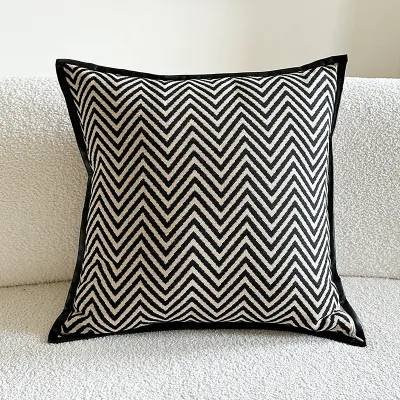
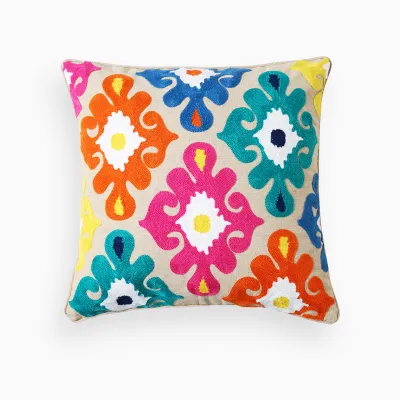
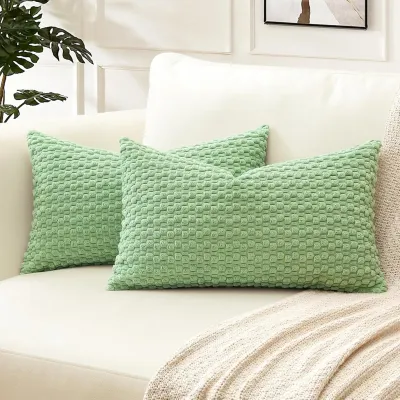
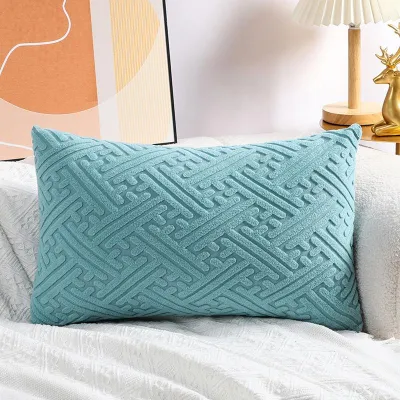
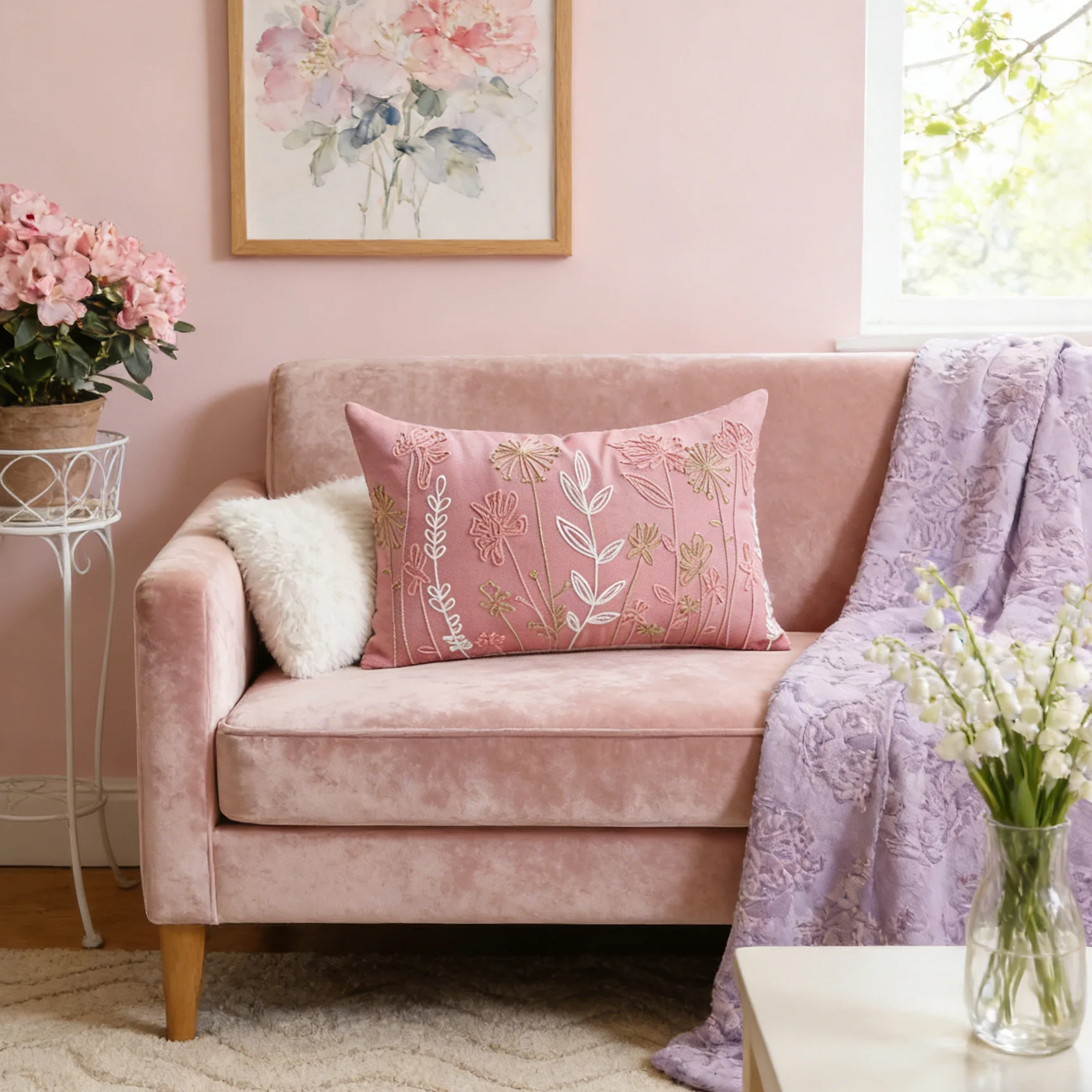
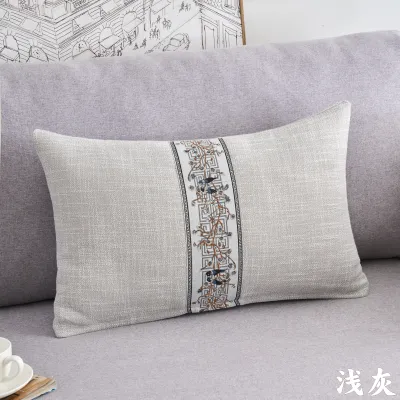
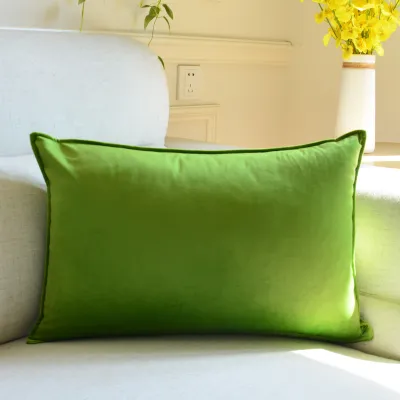
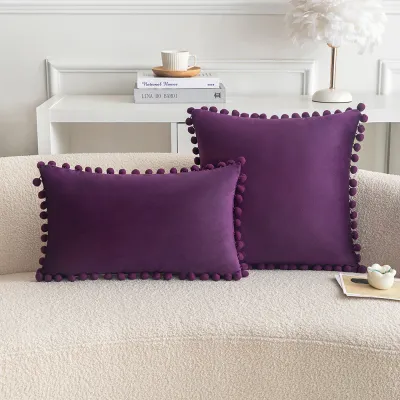
Prices are valid at publication and may change. Please refer to the product page for the latest price.
Consider the natural light entering your living space throughout the day. In bright, tropical climates like Singapore’s, rooms with large windows receive intense daylight that can wash out extremely pale pastels or cause certain dyed fabrics to fade over time. Conversely, darker corners or rooms with limited natural light benefit from high-contrast patterns or reflective textures that help lift the overall mood.
Define the specific atmosphere you want to create in the room. If your goal is a serene, spa-like environment, you will want to focus on soft, muted tones and organic textures. For a vibrant, energetic entertaining space, bold patterns and rich, saturated colors are more appropriate choices.
Finally, evaluate the dimensions and upholstery of your existing furniture. A deep, plush sofa can easily accommodate larger, layered cushions, whereas a shallow, mid-century modern settee requires smaller, low-profile rectangular covers to avoid crowding the seating area. The texture of your sofa fabric also matters; smooth leather pairs beautifully with highly textured woven fabrics, while heavily textured boucle sofas benefit from smoother, tailored linen or cotton covers.
Rectangular Cushion Cover Styles to Refresh Your Space
Rectangular cushion covers offer a unique structural contrast to the typical square shapes found in most homes. By introducing a different geometry to your seating, they act as visual anchors that can tie disparate design elements together.

Achieving a successful room refresh relies on a balanced composition rather than overwhelming the space. Instead of replacing every single cushion with a loud pattern, use rectangular covers as strategic accents against a backdrop of solid, neutral square cushions to create a curated, professional look.
Textured and Woven Fabrics
Textured fabrics like boucle, jacquard, chunky knits, and tufted cotton add physical and visual depth to a room. In minimalist, Scandinavian, or Japandi-style living rooms where the color palette is intentionally restricted, texture becomes the primary tool to prevent the space from feeling flat or cold.
To create an inviting seating arrangement, focus on material contrast. If you have a sleek leather sofa, a heavily textured woven rectangular cushion breaks up the coldness of the leather and adds welcoming warmth. For velvet sofas, a crisp, slubby linen rectangular cover provides a refreshing, organic counterpoint that balances the sheen of the velvet.
While highly textured fabrics are visually appealing, household dynamics should influence your choice. Loosely woven fabrics, tufted details, and chunky knits can easily snag on pet claws or zippers. For homes with pets or young children, tightly woven jacquards or flat-weave textured cottons offer an excellent balance of tactile interest and daily durability.
Bold Geometric and Abstract Prints
High-contrast geometric patterns, mid-century motifs, and abstract brushstroke prints instantly draw the eye and serve as excellent focal points. These designs are particularly effective on neutral-colored sofas, where they inject personality and modern flair into the room.
To prevent the seating area from looking chaotic, pair a bold geometric rectangular cover with solid-colored square cushions. The solid cushions act as a visual resting place, allowing the pattern on the rectangular cover to stand out without competing for attention.
Match the scale of the pattern to the physical dimensions of the cushion cover. Large-scale geometric prints work best on longer rectangular covers, where the full pattern can be appreciated without being cut off. Smaller, intricate geometric patterns are better suited for compact lumbar cushions.
Be mindful of other major patterns already present in your living room, such as heavily patterned rugs, wallpaper, or curtains. If your rug has a busy traditional or geometric design, choose abstract cushion covers with simpler, larger-scale lines and matching color tones to maintain visual harmony.
Earthy Tones and Botanical Motifs
Nature-inspired designs, including botanical prints, leaf silhouettes, and earthy solid tones like olive green, terracotta, ochre, and warm clay, bring a calming, organic feel indoors. This style is highly effective for creating a seamless transition between indoor living spaces and outdoor greenery.
These tones and motifs pair exceptionally well with natural wood furniture, rattan accents, jute rugs, and indoor houseplants. The organic shapes of botanical prints echo the natural lines of indoor foliage, creating a cohesive, biophilic design that promotes relaxation.
Because botanical prints can sometimes feel busy, balance them against neutral background walls and simple, solid-colored window treatments. This keeps the overall aesthetic modern and sophisticated rather than cluttered.
Since earthy and botanical covers are often placed in bright, airy spaces to enhance the natural aesthetic, check the fabric specifications for colorfastness. Prolonged exposure to direct sunlight through windows can cause organic dyes and natural fibers like linen or cotton to fade unevenly, so rotating these cushions regularly is recommended.
Minimalist Solid Colors with Contrast Piping
If you prefer a clean, uncluttered aesthetic but want more interest than a plain solid cushion, look for minimalist solid-colored covers featuring contrast piping, flanges, or edge stitching. These subtle structural details define the rectangular shape, giving the cushion a tailored, high-end look.
Select high-quality matte fabrics such as cotton canvas, pure linen, or low-sheen matte velvet for this style. These materials absorb light rather than reflecting it, reducing glare in brightly lit rooms and maintaining a sophisticated, understated appearance.
Use the contrast piping color to tie the cushion into the wider room design. For example, if you have a cream cushion cover with charcoal grey piping, coordinate that grey detail with secondary accents in the room, such as the frames of your artwork, a throw blanket, or a matte black floor lamp.
This style is incredibly versatile and works well in both traditional and contemporary settings. It allows you to introduce accent colors in a highly controlled, elegant manner without committing to busy patterns that might clash with future decor changes.
Sizing and Placement Strategies for Rectangular Cushions
Rectangular cushions, commonly referred to as lumbar cushions, come in several standard sizes, such as 30×50 cm, 40×60 cm, and elongated 30×90 cm formats. Understanding how these dimensions interact with standard square cushions is key to layering them effectively.
For a classic, balanced look on a standard sofa, place larger square cushions at the back corners and layer the smaller rectangular cushions directly in front of them. The rectangular shape sits comfortably in the curve of the lower back, providing functional support while visually anchoring the arrangement. On a single armchair, a single, well-proportioned rectangular cushion placed centrally is often all that is needed to complete the look.
To achieve a relaxed, lived-in, yet styled appearance, gently press down on the top center of the cushion with the side of your hand. This creates a slight indentation—often called the “karate chop”—that helps the cushion settle naturally and highlights the quality of the fill. This technique works best with soft, pliable fills like down, feather, or high-quality down-alternatives, whereas stiff polyester fiberfill will resist shaping.
Adjust your cushion placement based on your sofa’s physical characteristics. Deep sofas benefit from thicker, more substantial rectangular cushions that help push the sitter forward into a comfortable upright position. Shallow sofas require flatter, low-profile rectangular cushions to ensure there is still ample seating depth. Additionally, if your sofa cushions are very soft, choose firmer cushion inserts to provide adequate lumbar support.
Care and Maintenance to Keep Your Covers Looking Fresh
To preserve the texture, color, and shape of your rectangular cushion covers, always check the manufacturer’s care label before cleaning. Different materials require vastly different care; a pure linen cover may tolerate a gentle machine wash, while a delicate tufted, embroidered, or velvet cover might require hand washing or dry cleaning.
In tropical climates with intense daylight, protect your fabrics from prolonged direct sunlight. Rotate your cushions regularly to ensure any sun exposure is distributed evenly, preventing one side from fading faster than the other. Using sheer curtains or UV-filtering window films can also help protect your indoor textiles from sun damage.
For minor spills, act quickly by blotting the stain with a clean, damp cloth—never rub, as rubbing can push the stain deeper into the fabric fibers. If a cover is made of delicate, highly structured, or dry-clean-only materials like silk, heavy wool, or intricate beadwork, avoid DIY stain removal and consult a professional cleaner to prevent permanent damage.
Frequently Asked Questions (FAQ)
Can I mix rectangular and square cushion covers on the same sofa?
Yes, mixing rectangular and square cushion covers is highly recommended as it breaks up visual monotony and adds structural interest to your seating. To do this successfully, maintain a cohesive color story or theme across all covers. For example, you can pair two solid-colored square cushions with a single, patterned rectangular cushion in the center. Keep the size ratios balanced; ensure the rectangular cushions are shorter than the square cushions behind them so they do not block them from view.
How do I prevent rectangular cushion inserts from looking flat inside the cover?
To achieve a plump, high-end look, use a cushion insert that is slightly larger than the cover itself. For a standard rectangular cover, choosing an insert that is 5 cm larger in both width and length (for example, using a 35×55 cm insert inside a 30×50 cm cover) ensures the corners are fully filled and the cushion looks plump. Additionally, select high-quality fill materials such as feathers, down, or dense microfiber down-alternatives, which can be easily fluffed and reshaped, unlike cheap polyester fiberfill which tends to clump and flatten over time.

Community discussion
Share your experience or ask a question. Comments are reviewed before publication.