
Finding a red scented candle that perfectly aligns its visual impact with its olfactory profile is an exercise in sensory harmony. When the deep, stimulating hue of a red candle is paired with a warm, spicy fragrance, it creates a powerful crossmodal experience that enhances the comfort of any living space. Achieving this balance requires looking beyond basic color choices to analyze fragrance pyramids, wax formulations, and vessel aesthetics. By understanding how visual cues and scent notes interact, you can select a candle that delivers a cohesive, comforting ambiance.
Understanding the Sensory Link Between Red Aesthetics and Warm Scents
The human brain naturally seeks patterns and consistency in its environment, a phenomenon known in sensory science as crossmodal correspondence. The color red is psychologically linked to warmth, energy, passion, and physical heat. In interior design, red accents draw the eye and create focal points that suggest physical warmth and comfort. When we see a rich red candle, our minds subconsciously anticipate a fragrance that matches this visual intensity—such as the dry heat of cinnamon, the earthy warmth of clove, or the sweet comfort of amber.
When visual and olfactory cues are mismatched, it creates a subtle sensory discord that can detract from the overall experience. For example, lighting a deep crimson candle only to have it release a crisp, aquatic, or ozone-heavy scent can feel jarring. The brain struggles to reconcile the cool, airy fragrance with the warm, heavy visual cue of the red wax. Conversely, a cohesive sensory design—where a red candle emits a rich, spiced aroma—deepens the perceived comfort of a room. This alignment makes the space feel more grounded, intimate, and physically warmer, which is particularly inviting in air-conditioned interiors where a cozy sanctuary is desired.
Products mentioned in this guide
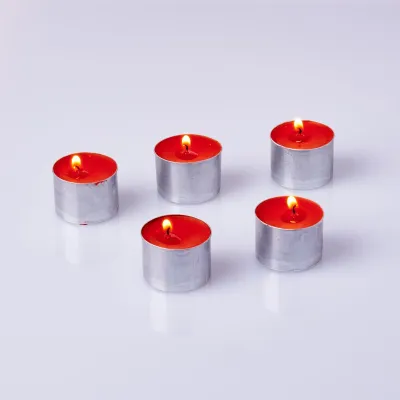
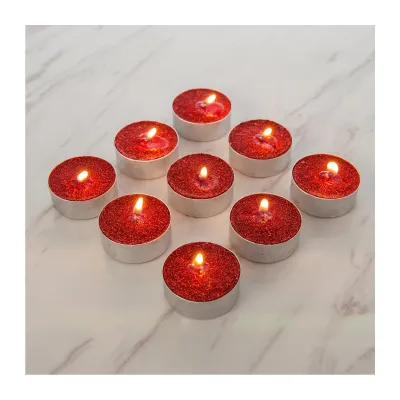
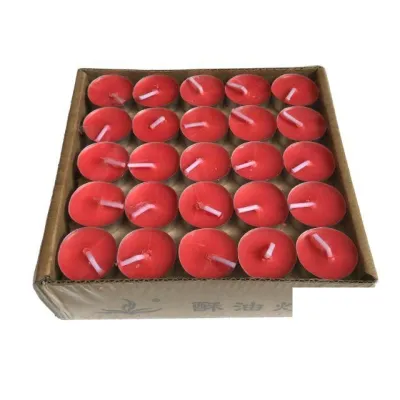
Prices are valid at publication and may change. Please refer to the product page for the latest price.
A well-matched red candle should deliver more than just a pleasant smell; it should transform the room’s atmosphere. The visual glow of the flame reflecting off red wax or a red-tinted vessel, combined with a slow-release spicy fragrance, establishes a multi-sensory anchor. This combination is highly effective for zoning spaces, such as creating a relaxing reading nook or adding a welcoming, sophisticated layer to a dining area during evening gatherings. By selecting a candle that harmonizes these elements, you elevate the simple act of burning a candle into a curated design experience.
Identifying Warm and Spicy Fragrance Notes on Candle Labels
To ensure a red candle’s fragrance matches its visual warmth, you must learn to decode the fragrance notes listed on the label or product description. High-quality candles typically feature a fragrance pyramid consisting of top, middle, and base notes. For a truly warm and spicy profile, look for specific spice-forward middle and top notes. Cinnamon and clove are classic choices that provide an immediate, recognizable heat. Cardamom offers a slightly sweet, resinous spice, while nutmeg and ginger add a dry, sharp complexity that prevents the scent from becoming overly heavy or cloying.

These spicy elements must be anchored by warm, rich base notes to prevent them from smelling harsh or medicinal. Look for base notes like amber, which provides a resinous, golden warmth, or sandalwood, which adds a smooth, woody creaminess. Vanilla and tonka bean are excellent for softening sharp spices, introducing a comforting sweetness that mimics the warmth of a hearth. Tobacco and patchouli can also add an earthy, sophisticated depth that complements darker red aesthetics, such as burgundy or maroon, making them ideal for study rooms or cozy dens.
Conversely, there are several fragrance profiles that typically clash with a rich red visual aesthetic. Overly fresh florals (like lily of the valley or lilac), sharp marine or aquatic notes, and bright, green herbal scents (like eucalyptus or mint) should generally be avoided in red candles. While these scents are excellent for blue, green, or white candles, they disrupt the warm expectation set by red wax. If citrus is present, it should be a warm, spiced citrus—such as pomelo or orange peel combined with clove—rather than a sharp, cooling lemon or lemongrass.
Assessing Visual Appeal, Dye Quality, and Vessel Design
The physical appearance of a red candle is just as important as its scent. When shopping, closely inspect the wax for dye quality and consistency. High-quality red candles should exhibit an even, saturated color throughout the wax pool. Avoid candles that show signs of fading, blotchiness, or “bleeding”—where liquid fragrance oil separates from the wax and pools on the surface, often carrying dye with it. In natural waxes like soy, look out for excessive “frosting” (a white, crystalline structure that naturally forms on soy wax). While frosting does not affect the burn, a heavy layer of frosting can dull a vibrant red hue to a dusty pink, detracting from its visual appeal.
The vessel design plays a crucial role in how the candle integrates into your decor. A clear glass jar showcases the rich red wax as it melts, creating a dynamic visual display of shifting liquid color. However, if you prefer a more subtle aesthetic, a matte ceramic or dark glass vessel (such as amber or black glass) can frame the red candle beautifully. These opaque containers hide the wax when unlit but can produce a stunning, warm color cast when the flame burns down, diffusing a soft, reddish-gold glow through the container walls.
Consider how the candle’s exterior looks when unlit versus its appearance when burning. An unlit red candle in a bold, glossy vessel acts as a vibrant decor piece. Once lit, the interaction between the flame and the red wax should enhance the ambient lighting of the room. A deep red wax pool reflects the flame’s light with a warmer, lower-temperature appearance than white wax, contributing to a more relaxed, low-light environment perfect for evening wind-downs.
Building a Shortlist: Verification and Purchase Checks
Before making a purchase, especially when shopping online where you cannot smell the candle beforehand, it is essential to cross-reference the brand’s marketing descriptions with the actual ingredient or note lists. Brands often use evocative names like “Crimson Sunset” or “Autumn Hearth.” Look past the creative naming to verify that the actual fragrance notes align with the warm, spicy profile you desire. A true spicy candle will explicitly list spices in its middle or base notes, rather than relying solely on sweet or floral accords.
The type of wax used also impacts both the visual presentation and the scent throw. Paraffin wax is highly effective at holding vibrant red dyes and typically offers a strong, immediate scent throw (both hot and cold). However, if you prefer natural options, soy and coconut wax blends are excellent alternatives. While soy wax can be more challenging to dye a deep, true red without frosting, high-quality coconut wax blends often retain rich colors beautifully and provide a clean, slow burn with an excellent scent throw that carries warm spices effectively across a room.
Finally, check the manufacturer’s specifications for burn time and wick design. Red dyes require heavy pigment loads, which can sometimes clog wicks if the candle is not properly formulated. Look for candles that utilize lead-free cotton wicks or wooden wicks designed for high-pigment or natural wax blends. A well-designed wick ensures an even melt pool, preventing “tunneling”—where the wax burns down the center, leaving a hard ring of red wax along the sides of the vessel. Whether you are choosing a premium S$80 hand-poured ceramic piece or a simpler S$25 glass jar, verifying these technical details ensures your red candle burns beautifully from the first light to the last.
Frequently Asked Questions (FAQ)
Do red dyed candles burn differently than white or natural wax candles?
Yes, highly pigmented candles, including deep red ones, can burn slightly differently than their undyed counterparts. The organic pigments used to achieve a rich red color add solid particles to the wax, which can occasionally restrict the capillary action of the wick, leading to a smaller flame or a slower melt pool. To counteract this, it is crucial to follow the manufacturer’s instructions for the first burn, allowing the wax to melt completely to the edges of the vessel. Regular wick trimming to about 5mm before each burn is also essential to prevent the wick from mushrooming or clogging with dye residue.
Can warm and spicy red candles be used year-round, or are they strictly for winter?
While warm, spicy scents are traditionally associated with cooler seasons or festive holidays, they can absolutely be enjoyed year-round. In tropical climates or during warmer months, these rich fragrances can be adapted by managing the burn time and room ventilation. Burning a spicy red candle in a spacious, well-ventilated living area or an air-conditioned room creates a sophisticated, grounding atmosphere without overpowering the senses. To prevent scent fatigue in smaller spaces during warmer weather, limit the burn time to one or two hours, allowing the warm aroma to linger gently rather than saturate the air.

Community discussion
Share your experience or ask a question. Comments are reviewed before publication.