
Choosing the right home fragrance method can transform your living space, but the decision often comes down to a choice between two distinct technologies: reed diffusers and ultrasonic diffusers. While both serve the primary purpose of dispersing pleasant scents, they operate on entirely different principles and suit different lifestyles.
Reed diffusers are ideal for low-maintenance, continuous background scent in smaller areas, while ultrasonic diffusers suit those who want adjustable scent intensity, added humidity, and intermittent use in larger rooms. The best choice depends on your room size, maintenance preference, power access, and specific household needs. This guide compares the two types across mechanism, upkeep, and safety to help you decide which fits your lifestyle.
Whether you are looking to create a calming sanctuary in a busy apartment or simply want to mask everyday household odors, understanding how these devices function is the first step. By evaluating your daily routine and spatial constraints, you can select a scenting method that integrates seamlessly into your home decor.
Products mentioned in this guide
![[KIRONA SCENT] Posh Pink Reed Diffuser 120ml | Aromatherapy Home & Office Decor Fragrance Gifts](https://img.lazcdn.com/g/p/61ad013dbf527dbf7543f76f98ec879e.png_400x400q80.png_.webp)
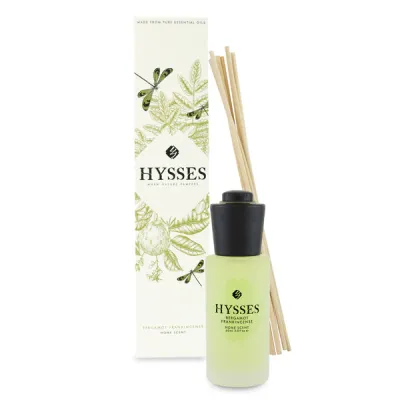
![(80+ Selections) Shangri-La Hotel/ Hilton Hotel/ Westin Hotel/ Lavender/ Jasmine/ Gardenia/ Ocean/ Bluebell/ Rose/ Osmanthus/ English Pear Freesia scent Premium Home Fragrance Reed Diffuser (50ml/ 180ml) / Reed Refill (60ml) Essential Oil [Re.D]](https://img.lazcdn.com/g/p/e3294d3bdf701cdabea90e0e32ea8caf.jpg_400x400q80.jpg_.webp)
![Shangri-La/ Hilton/ Westin Hotel/ Lavender/ Jasmine/ Gardenia/ Encounter/ English Pear Freesia scent Premium Home Fragrance Aromatherapy Reed Diffuser (120ml/ 135ml/ 150ml) Essential Oil Scents [Re.D]](https://img.lazcdn.com/g/p/65e9b314abf00670e79c5c8f81585d43.jpg_400x400q80.jpg_.webp)

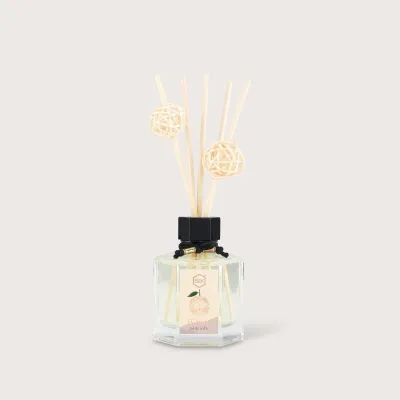

![[KIRONA SCENT] Timeless Reed Diffuser 110ml | Black Ceramic | Aromatherapy Essential Oil Home Fragrance | Hotel Inspired Scents](https://img.lazcdn.com/g/p/b42ab8a489493dbbcb064d1fb5e2c459.png_400x400q80.png_.webp)
Prices are valid at publication and may change. Please refer to the product page for the latest price.
How Reed and Ultrasonic Diffusers Actually Work
To understand which diffuser fits your home, it helps to look at how they release fragrance into the air. Reed diffusers rely on a completely passive method known as capillary action. The system consists of a vessel filled with fragrance oil and several porous sticks, typically made of rattan or synthetic fiber.
The liquid slowly travels upward through the microscopic channels within the reeds. Once the oil reaches the exposed top section of the reeds, it evaporates naturally into the surrounding air. Because this process is entirely passive, the strength and reach of the scent depend heavily on natural room airflow, ambient temperature, and how saturated the reeds are. In a still room with closed windows, the scent will remain highly localized, whereas a gentle breeze can help carry the fragrance further.
In contrast, ultrasonic diffusers utilize an active, electronic mechanism to disperse scent. At the base of the water tank sits a small ceramic disc that vibrates at an extremely high ultrasonic frequency. These rapid vibrations break down a mixture of water and essential oils into a microscopic, cool mist.
A small, built-in fan then pushes this mist upward and out of the device’s nozzle, actively dispersing it into the room. This method delivers immediate, adjustable bursts of fragrance that can quickly fill a larger space. Additionally, because the mist is water-based, the device functions as a localized mini humidifier, adding a gentle stream of moisture to the immediate surroundings.
It is important to note that the exact coverage area and scent intensity of both types are not determined solely by their category. Factors such as specific product specifications, room ventilation, ceiling height, and the concentration of the fragrance oil play a significant role in how effectively the scent fills your space.
Maintenance, Running Costs, and Daily Convenience
Evaluating the daily effort and ongoing expenses of each diffuser type is essential for finding a setup that matches your routine. Reed diffusers are highly regarded for their set-and-forget convenience. Once assembled, they require no electricity, no water refills, and no daily monitoring.

The primary maintenance task for reed diffusers is periodically flipping the reeds to refresh the scent throw. Over time, the reeds can become clogged with airborne dust or fully saturated with oil, which reduces their capillary efficiency. When this happens, you will need to replace the reeds entirely and pour in a fresh batch of fragrance oil.
A key financial consideration for reed diffusers is that the oil evaporates continuously. Whether you are at work, traveling, or asleep, the passive diffusion process never stops. This constant evaporation means you may go through oil refills more quickly than expected, depending on the evaporation rate of the specific formulation.
Ultrasonic diffusers require a more hands-on daily routine. Because they hold standing water, they are susceptible to mold, mildew, and mineral buildup. To keep the device operating safely and hygienically, you must regularly empty the tank, rinse it, and wipe it down with a soft cloth.
These electronic units also require a continuous supply of clean water and access to a nearby electrical outlet. When setting up an ultrasonic diffuser, always verify the manufacturer’s voltage requirements and electrical safety certifications to ensure compatibility with your home’s power supply.
In terms of running costs, ultrasonic diffusers only consume essential oils when the device is actively turned on. This allows you to conserve your oils by running the unit only when you are in the room. However, you must factor in the minor cost of electricity and the potential need to replace the ultrasonic disc or the entire unit if the electronic components wear out over time.
Space, Safety, and Environmental Considerations
The physical environment of your home and the safety of its occupants should heavily influence your choice of diffuser. In tropical climates like Singapore, humidity is a constant factor. However, many households rely heavily on air conditioning, which can dry out indoor air significantly.
Ultrasonic diffusers introduce a localized cool mist that can help counteract the drying effects of air conditioning in a bedroom or home office. Conversely, if you are placing a diffuser in an already damp or poorly ventilated area, such as a bathroom, adding extra moisture via an ultrasonic unit might not be ideal. In these spaces, a reed diffuser is often preferred because it does not alter the ambient humidity.
Safety boundaries differ significantly between the two types. Ultrasonic diffusers involve both water and electricity, meaning they must be placed on stable, dry surfaces away from water hazards. It is crucial to handle the power cord with dry hands and ensure the unit is unplugged before cleaning or refilling.
Reed diffusers do not use electricity, but they present a different set of risks. They consist of open glass bottles filled with highly concentrated, flammable oils. If a pet or child knocks the bottle over, the spilled oil can create a slip hazard, stain carpets, or damage the finish on wooden furniture and flooring.
Sensory factors also play a role in room suitability. Ultrasonic diffusers contain moving parts and a vibrating disc, which can produce a gentle mechanical hum or the sound of trickling water. While many find this white noise soothing, those who require absolute silence for sleep or work may find it distracting. Additionally, many electronic models feature built-in LED lights, which can be turned off on some models but may still present minor light pollution. Reed diffusers are completely silent and emit no light, making them ideal for undisturbed rest.
Regardless of the type you choose, always check the manufacturer’s safety warnings regarding essential oil toxicity. Certain essential oils can be highly toxic to domestic pets, particularly cats and dogs, when inhaled or touched. Ensure all diffusers are kept securely out of reach of pets and children, and verify that the materials of your furniture can withstand accidental oil contact.
Decision Framework: Choosing the Right Diffuser for Your Home
To help you make the final decision, consider how each diffuser aligns with your specific spatial needs and daily habits.
Choose a reed diffuser if you prefer a low-maintenance, silent solution that provides a continuous, subtle background fragrance. They are excellent for smaller, high-traffic areas like entryways, powder rooms, or walk-in wardrobes where you want a pleasant scent without needing to turn a device on or manage water levels.
Choose an ultrasonic diffuser if you want complete control over when and how much scent is released. They are ideal for larger living spaces, bedrooms, or home offices where you can take advantage of timer functions, adjustable mist settings, and the localized humidifying effect during air-conditioned hours.
Before making a purchase, verify your household conditions. If you have curious pets, active children, or delicate wooden furniture, the spill risks of a reed diffuser or the mist output of an ultrasonic unit require careful placement.
The following table summarizes the key differences to help you compare your options at a glance:
| Feature | Reed Diffuser | Ultrasonic Diffuser |
|---|---|---|
| Mechanism | Passive capillary action through reeds | Active ultrasonic vibration of water and oil |
| Maintenance Level | Low (periodic reed flipping and replacement) | Medium to High (regular tank cleaning and rinsing) |
| Power Needs | None (completely passive) | Electrical outlet required (verify voltage compatibility) |
| Humidity Output | None | Localized cool mist |
| Scent Control | Fixed (adjusted by adding or removing reeds) | High (adjustable mist levels, timers, and intervals) |
| Best Use Cases | Small spaces, entryways, bathrooms, silent areas | Air-conditioned rooms, living areas, home offices |
Frequently Asked Questions (FAQ)
Can I use the same essential oils in both reed and ultrasonic diffusers?
Pure essential oils are ideal for ultrasonic diffusers because they easily disperse when mixed with water. However, reed diffusers typically require a specialized carrier oil or diffuser base to function properly. Pure essential oils are often too thick to travel up the narrow capillary channels of a reed on their own. Using them without a base will clog the reeds and prevent the scent from dispersing. Always check the oil manufacturer’s label for intended use, dilution requirements, and compatibility with your specific diffusion method.
How do I clean an ultrasonic diffuser to prevent mold?
To clean an ultrasonic diffuser safely, start by unplugging the device from the electrical outlet. Empty any remaining water from the tank, ensuring you pour it out from the side opposite the air vent to avoid damaging the internal electronics. Wipe the inside of the water tank with a soft, damp cloth to remove any oil residue or mineral buildup. For a thorough clean, refer to your specific model’s user manual for approved cleaning agents, descaling methods, and deep-cleaning steps.

Community discussion
Share your experience or ask a question. Comments are reviewed before publication.