
Refreshing a living room does not require a complete overhaul of your furniture or a costly renovation. In Singapore’s compact and modern apartments, small, intentional design choices often make the most significant impact. Swapping out your cushion covers is one of the easiest and most cost-effective ways to breathe new life into your living space. By focusing on the highly versatile 45x45cm cushion cover size, you can introduce fresh textures, refined colors, and a sense of calm that aligns perfectly with a minimalist aesthetic.
To successfully execute a minimalist refresh, the key lies in selecting styles that emphasize simplicity, high-quality materials, and subtle visual interest. Instead of relying on loud patterns or bright, distracting colors, a minimalist approach utilizes texture, tonal variation, and clean lines to create a sophisticated, relaxing environment. Whether you are dressing up a neutral fabric sofa or adding comfort to a sleek leather armchair, choosing the right 45x45cm cushion covers will help you achieve a balanced, uncluttered look that feels both modern and inviting.
Identifying Minimalist Design Elements for Your Living Room
Minimalism is often misunderstood as a complete absence of color or character, but in interior design, it is actually about curation and purpose. When selecting 45x45cm cushion covers, your primary goal is to find pieces that contribute to a harmonious, serene atmosphere. This begins with a carefully considered color palette that complements your existing decor rather than competing with it.
Products mentioned in this guide
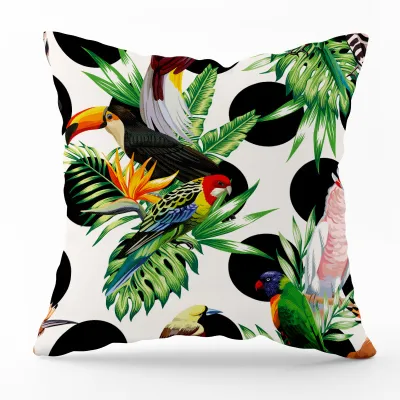
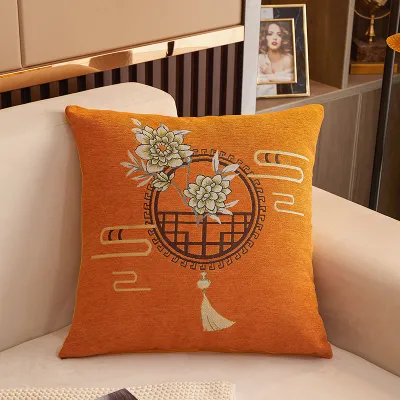
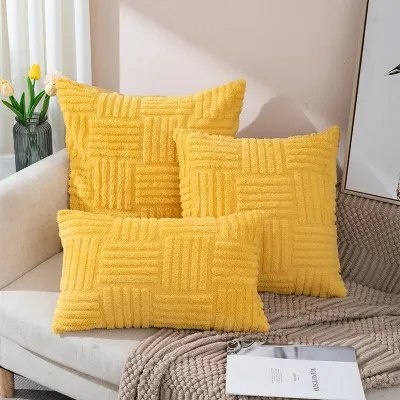
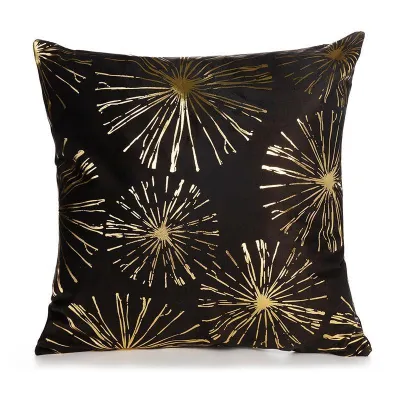
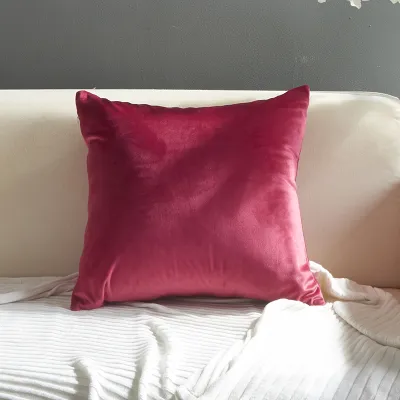
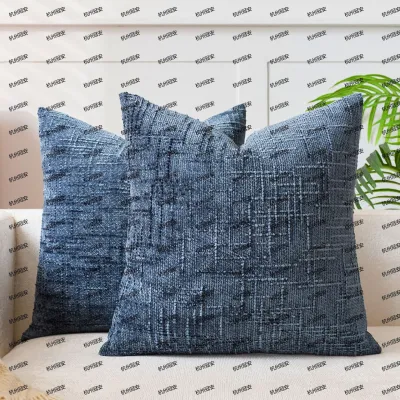
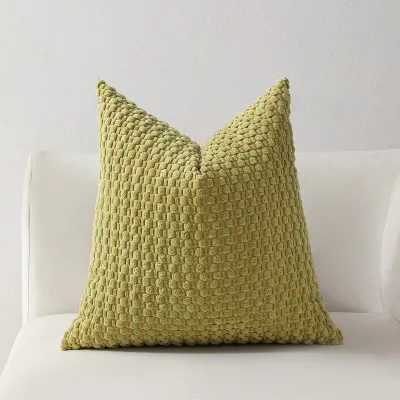
Prices are valid at publication and may change. Please refer to the product page for the latest price.
Neutral and monochromatic color schemes form the foundation of any minimalist living room. Focus your search on soft whites, warm creams, muted greys, and gentle beiges. If you want to introduce a bit of warmth or connection to nature, consider muted earth tones such as soft terracotta, sage green, sand, or a deep, understated olive. These colors bring a sense of the outdoors inside, creating a soothing backdrop that works exceptionally well in Singapore’s bright, sunlit apartments.
While traditional decor often relies on bold geometric prints or floral patterns to create interest, minimalist design relies on the inherent beauty of the materials themselves. If you do choose patterned covers, look for incredibly subtle, low-contrast designs. Fine pinstripes, soft heathered effects, or tone-on-tone patterns are excellent choices. These elements provide just enough visual variation to keep the eye moving without disrupting the clean, uncluttered lines of your seating area.
To ensure your new cushion covers look cohesive, you must balance them against your existing furniture and room features. Consider the color and material of your sofa. A dark grey or charcoal fabric sofa pairs beautifully with light cream or soft beige cushions, creating a high-contrast yet clean look. Conversely, if you have a light-colored sofa, opting for cushions in slightly darker, warm neutral tones can add necessary depth.
Do not forget to account for the natural lighting in your living room. Singapore homes often experience intense tropical daylight, which can wash out extremely pale colors or make cool greys look clinical. Choosing warm-toned neutrals can help soften the bright light, making your living space feel cozy and welcoming throughout the day.
Additionally, minimalist design in tropical climates benefits from an airy, open feel. Keeping your cushion colors light and cohesive prevents the sofa from looking visually heavy, making a small living room feel significantly larger and more breathable.
Selecting Materials and Textures That Add Depth Without Clutter
In a minimalist space, texture is your most powerful tool for creating warmth and comfort. Without the distraction of busy patterns, the tactile quality of your cushion covers becomes the focal point. Selecting the right fabrics not only enhances the visual appeal of your sofa but also ensures your living room remains comfortable and practical for daily use.

Natural fibers like cotton and linen are highly recommended for minimalist homes, particularly in warm, humid climates. Linen offers a relaxed, slightly slubbed texture that brings an effortless elegance to any sofa. Its matte finish absorbs light beautifully, preventing the harsh glare that synthetic fabrics sometimes produce. Cotton is equally versatile, offering a smooth, breathable, and highly durable option that feels soft against the skin. Both materials are excellent at handling humidity, making them comfortable to lean against even on warmer afternoons.
For homes that rely heavily on air conditioning, you might want to introduce slightly heavier textures to create a cozy, inviting sanctuary. Bouclé, with its looped, curly yarns, adds a luxurious, tactile texture that contrasts beautifully with smooth leather or flat-weave fabric sofas. Waffle weaves and subtle ribbing offer geometric structure without the need for printed lines, creating clean shadows and highlights across the surface of the cushion. A herringbone or tweed weave in a monochromatic thread mix can also provide a sophisticated, tailored look.
While aesthetics are crucial, practicality is key. Before purchasing, check the fabric care labels. In humid environments, cushion covers accumulate dust and moisture, requiring regular cleaning. Opt for machine-washable cotton or linen if you prefer low-maintenance care, as they often soften with washing. For delicate textures like bouclé, follow specific dry-cleaning guidelines to prevent shrinkage or pilling.
Arranging and Sizing 45x45cm Cushions for Balanced Proportions
The way you arrange your cushions plays a significant role in how organized and spacious your living room feels. In minimalist design, the arrangement should feel intentional and balanced, avoiding both the sparse look of a single lonely cushion and the cluttered feel of an overcrowded sofa. The 45x45cm size is widely considered the gold standard for home styling because of its highly adaptable proportions.
On a standard three-seater sofa, a pair of 45x45cm cushions placed at either end creates a classic, symmetrical look that feels instantly orderly. For larger sectionals or L-shaped sofas, you can afford to be slightly more playful while still maintaining a clean aesthetic. Try grouping two cushions on one side and a single cushion on the other to create an asymmetrical yet visually balanced composition. On a single armchair, a single 45x45cm cushion provides excellent lower back support while scaling perfectly to the chair’s proportions.
To add layers and depth to your seating, consider mixing your 45x45cm cushions with other sizes. A common styling technique is to place a larger 50x50cm cushion in a solid, dark neutral tone at the back, and layer a 45x45cm textured cushion in a lighter shade directly in front of it. You can also pair a 45x45cm square cushion with a smaller rectangular lumbar cushion (such as a 30x50cm size). This variation in shapes breaks up the monotony of straight lines while keeping the overall arrangement compact and tidy.
Achieving a high-end, minimalist look also depends heavily on the structure of the cushion itself. A sagging, deflated cushion looks messy and detracts from the clean lines of your room. To ensure your 45x45cm covers look plump and well-filled, the general rule of thumb is to use a cushion insert that is slightly larger than the cover.
For a standard 45x45cm cover, a 50x50cm insert is typically ideal. This extra five centimeters of filling stretches the cover slightly, filling out the corners completely and preventing any loose, wrinkled fabric. However, keep in mind the stiffness of your cover material. A very thick, heavy canvas or structured bouclé cover might only require a 45x45cm insert to look full, whereas a soft, lightweight linen or cotton cover will almost always benefit from the larger 50x50cm insert to maintain its shape.
The choice of insert material also affects the final look. Duck feather inserts offer a luxurious, heavy drape that allows you to crease the top of the cushion—a favorite technique among interior stylists. If you prefer a hypoallergenic option, high-density microfiber or polyester fiberfill inserts provide excellent, long-lasting bounce and hold their shape well without constant fluffing.
Quality and Fit Checks Before You Buy
Investing in high-quality cushion covers ensures that your minimalist refresh remains beautiful and functional for years to come. Because minimalist design relies on simplicity, any imperfections in construction, stitching, or fit will be much more noticeable. Conducting a few quick quality checks before purchasing will save you time and ensure you get the best value for your money.
First, pay close attention to the closure mechanism of the cushion cover. For a truly minimalist aesthetic, look for covers featuring hidden or invisible zippers. A hidden zipper is sewn into the seam line, making it virtually undetectable when the cushion is placed on your sofa. This prevents the metal or plastic teeth of the zipper from scratching your leather furniture or snagging on other fabrics. Avoid envelope closures unless the fabric is heavy enough to lay completely flat without gaping open, as gaping closures can look untidy.
Next, examine the internal construction of the cover. Turn the cover inside out if possible, or check the product specifications online. High-quality covers feature overlocked or surged inner seams, which prevent the fabric edges from fraying when washed or stuffed with an insert. Check the stitching density along the seams; tight, even stitches ensure the cover can withstand the pressure of a plump insert without splitting at the seams.
Finally, verify the fabric specifications regarding colorfastness and shrinkage. Minimalist neutral tones, particularly whites and creams, are susceptible to showing dirt, meaning they will need to be washed more frequently. Ensure the manufacturer guarantees colorfastness so that darker neutrals do not bleed onto lighter fabrics during washing. Additionally, check if the fabric has been pre-shrunk. If you buy a pure cotton or linen cover that has not been pre-shrunk, it may shrink significantly during its first wash, making it impossible to fit back onto your 45x45cm insert.
Whether you are spending S$15 or S$60 on a cover, these quality checks help you identify durable products. A well-made cushion cover survives the rigors of daily use and frequent laundering, keeping your living room looking effortlessly polished.
Frequently Asked Questions (FAQ)
How do I prevent neutral cushion covers from looking flat?
To prevent neutral cushion covers from looking flat, focus on layering different textures and playing with tonal gradients. Instead of choosing three identical smooth cotton covers, mix a chunky bouclé cover with a slubby linen cover and a ribbed cotton cover, all within the same cream or beige color family. This variation in surface texture catches the light differently, creating natural shadows and visual depth without introducing distracting colors. Additionally, use slightly different shades—such as pairing an ivory cushion with a warm sand and a soft taupe cushion—to create a subtle, sophisticated gradient across your sofa.
What size cushion insert should I use for a 45x45cm cover?
For a standard 45x45cm cushion cover, it is highly recommended to use a 50x50cm cushion insert. Choosing an insert that is roughly five centimeters larger than the cover ensures that the corners are fully packed and the cushion maintains a plump, luxurious, and structured appearance. If you use a matching 45x45cm insert, the cushion may look flat, and the corners can sag over time. However, if your cushion cover is made of an exceptionally stiff, thick, or non-stretch fabric like heavy canvas or thick wool, a 45x45cm insert may suffice to prevent the seams from straining.

Community discussion
Share your experience or ask a question. Comments are reviewed before publication.