
Selecting an outdoor camping light that transitions into a dependable emergency backup for your Housing & Development Board (HDB) flat requires balancing rugged durability with indoor safety. The ideal dual-purpose light is a high-capacity, rechargeable LED lantern featuring adjustable color temperatures, a stable flat base, and a built-in power bank function. While outdoor adventures demand high water resistance and long-distance beams, indoor power outages call for wide, glare-free ambient illumination that can sit safely on a dining table or hang securely from a household shelter hook. By focusing on versatile power options and certified battery systems, you can ensure your gear remains ready for both weekend treks in nature reserves and unexpected blackouts at home.
Key Features to Evaluate for Dual-Purpose Camping and Emergency Lights
When evaluating an outdoor camping light for indoor emergency use, brightness control and color temperature adjustment are critical for maintaining a comfortable living environment. Outdoor environments often require cool, high-intensity beams to cut through the darkness of a campsite, but this same harsh light can cause severe glare and eye strain when reflected off the light-colored walls of a standard HDB flat. Look for lights that offer step-less dimming or multiple brightness levels, allowing you to drop the output to a soft glow that preserves battery life. Additionally, models that let you switch from a cool white light to a warm, amber hue are highly preferable indoors, as warm light creates a calmer, more relaxing atmosphere during a stressful power outage.
Battery capacity and recharging versatility dictate how long you can keep the dark at bay during an extended blackout. Modern dual-purpose lights utilize rechargeable lithium-ion batteries, with capacities typically measured in milliampere-hours (mAh). For reliable emergency backup, prioritize lights with a battery capacity of at least 5,000 mAh, which can easily provide several nights of low-intensity ambient light. Ensure the device features a modern USB-C charging port, which allows you to recharge the light using standard wall chargers, car adapters, or portable power banks. A highly valuable feature for emergency situations is bi-directional charging, which enables the camping light to act as a backup power bank to keep your essential communication devices, such as mobile phones, powered up.
Products mentioned in this guide
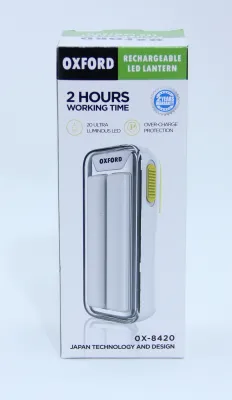
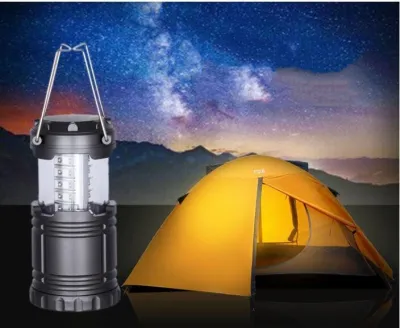
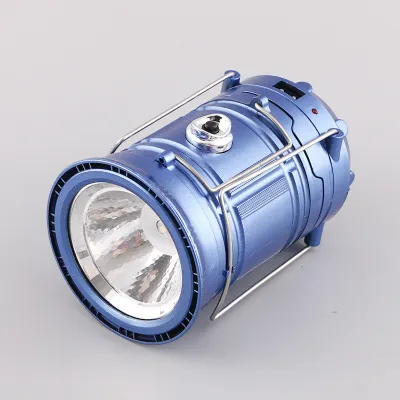
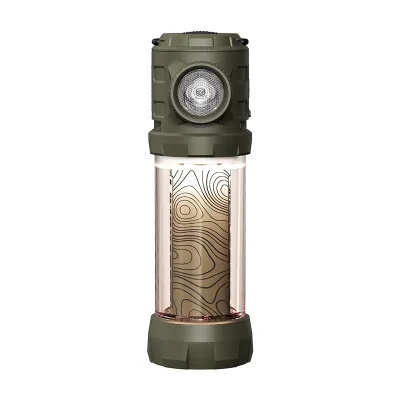
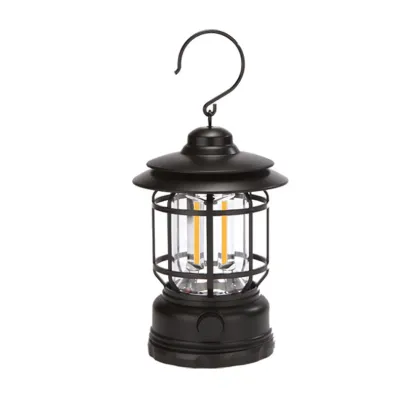
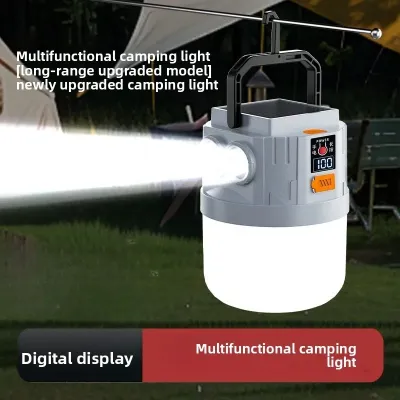
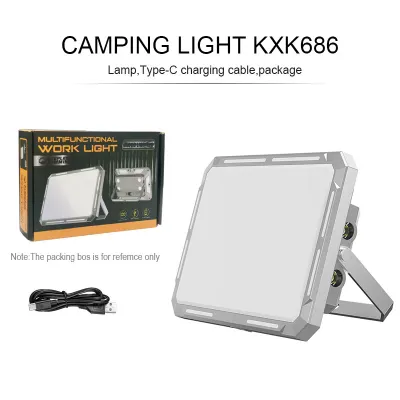
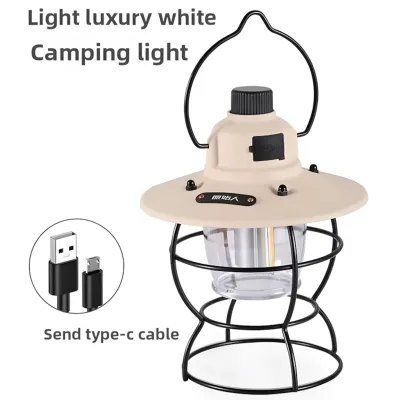
Prices are valid at publication and may change. Please refer to the product page for the latest price.
The physical design and mounting options of the light determine how effectively it can illuminate your living space without creating safety hazards. HDB interiors consist of flat, hard surfaces like kitchen countertops, dining tables, and shelving units, meaning any emergency light must have a wide, stable, and non-slip flat base to prevent it from tipping over. Magnetic bases are incredibly useful, allowing you to snap the light onto metal door frames, refrigerator doors, or the steel shelving units commonly found in household shelters. Furthermore, integrated hanging hooks, carabiners, or recessed loops enable you to suspend the light from ceiling fan fixtures (ensuring the fan is completely switched off at the mains) or utility racks to cast wide, downward-facing light across an entire room.
Electrical safety and battery certifications are paramount when storing and operating high-capacity battery devices inside a residential home. Before purchasing any camping light, verify that the product and its charging components carry recognized electrical safety labels and certifications, such as the CE mark, FCC certification, or compliance with UN38.3 standards for safe lithium battery transport. If the light includes a direct wall-plug charging adapter, ensure it carries the local safety mark to guarantee it has been tested against short circuits and electrical fires. Always check the manufacturer’s specified input voltage and current limits—typically 5V at 1A or 2A—and use only high-quality, undamaged charging cables and certified power adapters to prevent overheating during the recharge cycle.
Light Categories to Consider for Dual Outdoor and Emergency Use
Collapsible LED lanterns represent one of the most versatile categories for both trail use and home emergency backup. These lights feature a flexible or accordion-style body that compresses into a compact disc for easy packing, then expands to reveal a large, frosted diffuser that scatters light evenly in all directions. When expanded indoors, the diffused light minimizes harsh shadows, making these lanterns excellent for placing in the center of a dining table or hanging in narrow HDB corridors to provide safe passage for family members. Their lightweight construction also means they can be hung from temporary adhesive hooks without risk of falling and causing damage.

Multi-panel foldable lights offer a highly customizable approach to directing illumination exactly where it is needed most. These devices typically feature three or four independent LED panels attached to a central hub, allowing you to fold them flat for compact storage in a utility drawer or angle them outward to create a wide-angle floodlight. During a blackout, this directional flexibility is invaluable when performing precise tasks, such as preparing a meal on a dark kitchen countertop or searching for supplies in a deep household shelter. By angling the panels upward, you can also bounce the light off a white ceiling to create a soft, indirect ambient glow that illuminates an entire room without shining directly into anyone’s eyes.
Power bank-integrated camp lights are heavy-duty workhorses designed for extended off-grid use and prolonged emergency situations. These robust lanterns house exceptionally large lithium-ion batteries, often exceeding 10,000 mAh, which allows them to run continuously for dozens of hours on low-power settings. While they are heavier and bulkier than standard backpacking lights, their primary advantage is their ability to serve as a reliable emergency power station. During a widespread power outage, keeping your mobile phones and emergency radios charged is critical for receiving updates; having a high-capacity light source that doubles as a multi-port charger ensures you do not have to deplete your dedicated personal power banks.
Headlamps equipped with removable diffuser caps offer an excellent hands-free lighting solution for active tasks during an outage. While a standard headlamp projects a narrow, focused beam that moves with your head—which can be disorienting for others in the room—slipping a translucent silicone diffuser cap over the lens instantly transforms it into a miniature, 360-degree ambient lantern. This dual functionality is perfect for navigating tight spaces, checking your home’s electrical distribution board (DB box) to see if a circuit breaker has tripped, or attending to young children or pets. When the task is complete, you can easily remove the diffuser cap and hang the headlamp from a hook to serve as a stationary nightlight.
Safety, Storage, and Maintenance for HDB Environments
Proper storage conditions within your HDB flat are essential for preserving the lifespan of your camping lights and preventing hazardous battery degradation. Singapore’s warm, humid climate can accelerate the aging of lithium-ion batteries, especially if they are stored in unventilated, high-heat areas. Avoid keeping your emergency lights in cabinets directly adjacent to kitchen stoves, on sunny windowsills, or inside enclosed metal boxes that trap heat. Instead, store them in a cool, dry, and easily accessible location, such as a dedicated emergency drawer in your living room or on an open shelf inside your household shelter, ensuring they can be retrieved quickly in total darkness.
Routine battery maintenance and regular charge-checking schedules are vital to ensure your lights actually work when an unexpected power failure occurs. Lithium-ion batteries naturally self-discharge over time, even when the device is switched off, due to parasitic drain from the internal circuitry. Establish a recurring reminder on your calendar every six months to inspect your emergency lighting gear. During these checks, turn the lights on to verify their operation, discharge them slightly if they have been sitting fully charged, and then recharge them to approximately 60% to 80% capacity, which is the optimal level for long-term storage. If you anticipate a period of unstable weather or scheduled maintenance, you can top them up to 100% just prior to use.
Ventilation and heat dissipation must be carefully managed when operating high-output LED lights in enclosed indoor spaces. High-lumen camping lights can generate substantial heat at the LED emitter and battery compartment when run on their maximum brightness settings. While outdoor breezes naturally cool these devices, stagnant indoor air during a blackout can lead to rapid heat buildup. Always ensure there is a few inches of open space around an active light, and avoid placing running lanterns on heat-sensitive materials like synthetic fabrics, soft plastics, or polished wooden surfaces. If the light body feels excessively hot to the touch, immediately lower the brightness setting to allow the internal components to cool down.
Recognizing the physical warning signs of battery failure is crucial for preventing dangerous thermal runaway events in your home. Regularly inspect your camping lights for any physical abnormalities, such as a bulging or swollen outer casing, which indicates that the internal lithium battery has degraded and gas has built up inside. Other warning signs include a noticeable reduction in runtime, flickering that persists even after a full charge, a burning odor during operation, or a loose, damaged charging port that sparks when connected. If you observe any of these symptoms, stop using the light immediately, do not attempt to recharge it, and dispose of the device safely at a designated local e-waste recycling point.
Frequently Asked Questions (FAQ)
Can I use a gas-powered camping lantern inside my HDB flat during a blackout? (FAQ)
No, you must never use a gas-powered, liquid-fuel, or any combustion-based camping lantern inside an enclosed HDB flat. These lanterns are designed strictly for outdoor use because they consume oxygen and release toxic carbon monoxide gas, which can quickly reach lethal concentrations in unventilated indoor spaces. Additionally, the open flames and extremely hot glass globes of fuel-powered lanterns present a severe fire hazard, especially in tight residential layouts where a simple knock could ignite nearby curtains, papers, or furniture. For indoor emergency backup, always rely exclusively on battery-powered LED lights, which produce no emissions, generate minimal heat, and are completely safe to operate in enclosed rooms.
How many lumens do I need to light up a standard HDB living room? (FAQ)
To light up a standard HDB living room during a blackout, you generally need between 100 and 300 lumens of diffused ambient light for comfortable navigation and basic activities. Unlike outdoor settings where you need high-lumen directional beams to cut through vast open spaces, indoor rooms benefit from walls and ceilings that reflect light back into the space. A diffused lantern outputting 150 lumens placed in the center of the room is typically sufficient for family members to sit, talk, and move around safely without stumbling. For task-specific activities like reading, cooking, or searching through cabinets, a localized light source of 300 to 500 lumens directed at the workspace is recommended.

Community discussion
Share your experience or ask a question. Comments are reviewed before publication.