
When selecting outdoor lighting for your home in Singapore, reliability is not just about how bright the bulb shines or how quickly the sensor detects movement. The real test of an outdoor motion sensor light is its ability to survive the unrelenting tropical climate. High ambient humidity, intense year-round UV exposure, and heavy monsoon downpours quickly destroy poorly manufactured fixtures.
To find a truly reliable motion sensor light, you must look beyond generic marketing terms and evaluate specific engineering standards. Highly reliable brands—such as Philips, Steinel, and reputable smart home or security-focused manufacturers—succeed because they design their products with high Ingress Protection (IP) ratings, UV-stabilized materials, and robust local warranty support. This guide breaks down the critical factors that determine outdoor sensor longevity in Singapore, categorizes the top brand types in the local market, and outlines the practical steps required for a safe, code-compliant installation.
Understanding Singapore's Climate Impact on Outdoor Lighting and Sensors
Singapore’s equatorial climate presents a unique set of environmental stressors that do not exist in temperate regions. The combination of high relative humidity (frequently exceeding 80% year-round) and sudden, heavy rainstorms creates a highly corrosive and moisture-heavy environment. Standard indoor or poorly sealed outdoor lights quickly succumb to these conditions, leading to premature electrical failure.
Products mentioned in this guide
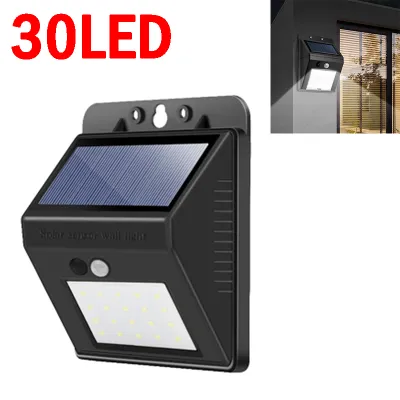
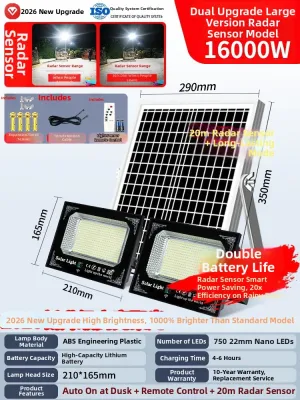
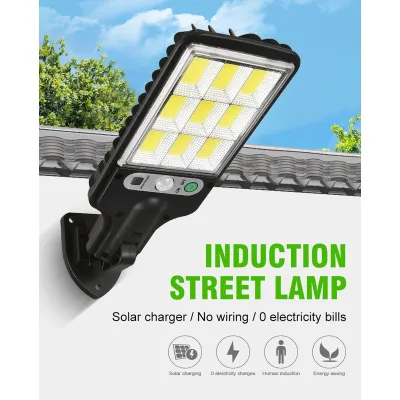
Prices are valid at publication and may change. Please refer to the product page for the latest price.
One of the most common failure points in cheap motion sensor lights is internal condensation. When a light fixture operates, the internal components generate heat, causing the air inside the housing to expand. When a sudden tropical downpour hits the warm fixture, the rapid temperature drop causes the internal air to contract. This contraction creates a vacuum effect. If the rubber seals and gaskets are not of high quality, moist outdoor air is sucked directly into the housing, leading to condensation on the circuit boards and sensor lenses.
Intense year-round ultraviolet (UV) radiation is another major factor that degrades outdoor fixtures. Standard plastics like untreated ABS or low-grade PVC break down under constant solar exposure, becoming brittle, yellow, and cracked within a few years. Once the outer housing cracks, rainwater easily penetrates the electrical housing, causing immediate short circuits.
Furthermore, passive infrared (PIR) sensors rely on a specialized plastic cover known as a Fresnel lens to focus infrared light onto the sensor element. If this lens is made from cheap, non-UV-stabilized plastic, it will cloud over and degrade. This clouding blocks the infrared signals, drastically reducing the sensor’s detection range and eventually rendering the motion detection feature completely useless.
To ensure long-term durability, you must bypass vague marketing claims such as “waterproof” or “weather-resistant” and look for verified engineering specifications. Reliable brands explicitly state their Ingress Protection (IP) ratings and use UV-stabilized polycarbonates or powder-coated die-cast metals in their construction. These materials are specifically designed to withstand prolonged exposure to both intense sunlight and heavy rain.
How to Evaluate Brand Reliability and Outdoor Lighting Performance
Evaluating the reliability of an outdoor motion sensor light requires a structured approach that focuses on physical build quality, sensor engineering, and local support networks. By verifying these specifications, you can avoid the cycle of replacing cheap, unbranded fixtures every few months.

Local Warranty and Support
When buying electrical goods exposed to harsh outdoor weather, having a local distributor warranty is highly valuable. If a fixture fails due to a manufacturing defect or water ingress, an international warranty is often impractical due to high return shipping costs. Reliable brands maintain authorized distributors or dedicated service centers in Singapore. Look for brands that offer a minimum of a one-year to three-year local warranty, which ensures you can easily obtain a replacement or professional technical support if issues arise.
Sensor Technology and Tuning
Outdoor motion sensors primarily use one of two technologies, each with distinct characteristics:
- Passive Infrared (PIR) Sensors: These sensors detect changes in infrared radiation (heat signatures) within their field of view. They are highly effective at detecting humans and large animals while ignoring inanimate objects. However, in Singapore's hot climate, ambient outdoor temperatures can sometimes approach human body temperature (around 37°C), which can slightly reduce the contrast and sensitivity of a basic PIR sensor. High-quality brands use digital temperature compensation to adjust sensor sensitivity automatically as ambient temperatures rise.
- Microwave Sensors: These active sensors emit high-frequency electromagnetic waves and analyze the reflected signals. They are incredibly precise and unaffected by ambient temperature. However, because microwave signals can penetrate thin walls, glass, and light foliage, they are highly prone to false triggers from swaying trees or heavy rain. Premium brands solve this by combining PIR and microwave technologies (dual-technology sensors) or by writing advanced firmware that filters out environmental noise, ensuring the light only activates when a physical presence is detected.
Build Materials and Certifications
To verify durability claims, check the technical datasheets for high-grade materials. Look for die-cast aluminum with an anti-corrosion powder coating, which provides excellent heat dissipation for the LED chips while resisting rust. For plastic components, ensure the manufacturer specifies UV-stabilized polycarbonate (PC) or high-impact ABS. Additionally, check for local safety compliance. In Singapore, any external power adapters, LED drivers, or hardwired components should ideally carry the Safety Mark, indicating they have been tested and approved for safe use under local electrical standards.
Navigating the Types of Brands in the Local Market
The Singapore market offers a wide variety of brands, which can be broadly categorized into three distinct groups based on their core engineering focus, smart capabilities, and installation requirements.
Established Global Lighting Brands
Global lighting giants, such as Philips (Signify) and Ledvance (formerly Osram), are highly reliable choices for standard outdoor illumination. These brands have decades of experience in electrical engineering and manufacture products that adhere to strict international safety and quality standards. Their outdoor fixtures feature robust thermal management, high-quality LED drivers, and durable weatherproofing.
These products are widely available in local electrical supply shops, home improvement stores, and official online brand stores. They typically offer straightforward physical adjustments (such as dials to set the sensitivity, lux threshold, and timer) on the sensor housing itself. While highly reliable for basic illumination and security, their smart home integration features are often limited unless you opt for their premium smart-specific product lines.
Smart Home Ecosystem Brands
For homeowners who want advanced automation, brands like Philips Hue, Ring, Arlo, or Aqara offer outdoor motion sensor lights that connect to your home network. These brands allow you to adjust sensor sensitivity, set operating schedules, and receive real-time push notifications on your smartphone when motion is detected. You can also link the sensor to other smart devices, such as turning on indoor hallway lights when outdoor movement is detected.
However, when selecting a smart home brand, you must carefully check the physical specifications of the specific outdoor model. Some smart sensors in these ecosystems are designed primarily for sheltered outdoor areas (such as under a deep porch roof) and only carry an IP44 rating. If you plan to install a smart sensor in a fully exposed area, ensure it is explicitly rated for wet environments and high-humidity climates.
Specialized Security and Local Electrical Brands
If your primary goal is robust security and commercial-grade durability, specialized brands like Steinel (a German manufacturer renowned for sensor technology) or commercial-grade local distributor brands are the industry standard. These brands focus heavily on high-performance sensor engineering, often utilizing multi-segmented PIR lenses or high-frequency microwave sensors with highly customizable detection zones.
These fixtures are typically built with heavy-duty, impact-resistant materials and carry high IP ratings (IP65 or IP66). They are designed for continuous, long-term operation in fully exposed areas like perimeter walls, long driveways, and commercial frontages. Because they focus on maximum reliability and physical security, they are often sold through specialized security vendors or industrial electrical merchants, and they generally require professional installation rather than a simple DIY setup.
Choosing the Right Setup for HDB Flats vs. Landed Properties
Your housing type in Singapore dictates the physical, structural, and regulatory constraints you must navigate when choosing and installing outdoor motion sensor lights.
HDB Flats and Condominiums
Living in an HDB flat or a condominium means you must comply with strict community guidelines regarding common property and external facades. Under HDB regulations, residents are generally prohibited from drilling into external corridor walls or tapping into public electrical risers. Additionally, any corridor installation must not obstruct the common walkway, which must maintain a minimum clear escape path of 1.2 meters.
Because of these drilling and wiring restrictions, battery-powered or USB-rechargeable motion sensor lights are the most practical choice for HDB corridor ceilings or front doors. These can be mounted using high-strength, weather-resistant outdoor mounting tape or magnetic brackets. However, you should avoid solar-powered motion lights in these areas. HDB corridors are deeply recessed and shaded by upper floors, meaning solar panels will not receive the direct sunlight required to charge the internal batteries. Choose battery-operated units from reputable brands that feature low-power standby modes to ensure the batteries last for several months.
For condominium residents, it is essential to consult your Management Corporation Strata Title (MCST) by-laws before mounting any external fixtures. Many condominiums have strict aesthetic guidelines to maintain building uniformity, and unauthorized external installations can result in fines or requests for removal.
Landed Properties
Landed homeowners have complete control over their property’s exterior, allowing for permanent, hardwired 230V electrical installations. This freedom allows you to install powerful LED floodlights with integrated motion sensors to cover large areas like driveways, front gates, and side pathways.
For these fully exposed perimeters, high-durability fixtures with a minimum rating of IP65 are highly recommended to withstand heavy, driving monsoon rains. Hardwired systems provide a continuous, reliable power supply, eliminating the need to change batteries or worry about solar charging limits. You can also integrate these high-voltage motion lights into your home’s central security system, allowing a motion trigger to simultaneously activate outdoor CCTV cameras, sound an alarm, or turn on decorative garden lighting.
Installation Safety Rules and Long-Term Maintenance
To ensure your outdoor motion sensor lights remain safe and functional over their lifespan, you must follow proper installation protocols and perform basic, low-risk routine maintenance.
Electrical Safety and Installation Boundaries
Working with electricity in outdoor, damp environments carries a high risk of electrical shock, short circuits, and fire. In Singapore, any fixed electrical wiring work—such as installing a new hardwired outdoor light or replacing an existing fixture that requires connection to the mains power—must legally be performed by an Energy Market Authority (EMA) licensed electrician. DIY electrical work on 230V systems is highly dangerous and can void your home insurance or violate local building regulations.
Before any installation, replacement, or physical maintenance, ensure the power supply is completely isolated at the main distribution board (DB box) by switching off the relevant circuit breaker. Always verify that the chosen light fixture is compatible with Singapore’s standard electrical supply (230V, 50Hz) and that any compatible LED drivers or power adapters carry the local Safety Mark. If you are mounting fixtures at height, such as under roof eaves or high on external walls, ensure proper safety harnesses or stable scaffolding are used, and leave the work to qualified professionals.
Routine Maintenance Steps
Outdoor sensors are constantly exposed to dust, pollen, spiderwebs, and moisture. Over time, a thin layer of grime can accumulate on the sensor lens, which blocks infrared heat signatures or scatters microwave signals. This buildup can cause the light to become unresponsive or trigger constantly without any actual movement. To prevent this, perform the following low-risk maintenance steps:
- Clean the Sensor Lens: Every three to six months, gently wipe the sensor lens and light diffuser with a soft, damp microfiber cloth. Do not use harsh chemical solvents, glass cleaners, or abrasive scrubbing pads, as these can scratch or degrade the plastic lens, permanently ruining its detection capabilities.
- Inspect Weather Seals: Once a year, perform a visual inspection of the fixture. Check the rubber gaskets and weather seals for signs of cracking, dry rot, or flattening. Ensure that the mounting brackets and screws remain tight and have not loosened due to wind vibration or thermal expansion.
- Clear Surrounding Obstructions: Trim back any nearby tree branches, hanging plants, or decorative items that may have grown into the sensor's detection zone. Swaying foliage is a primary cause of false triggers, especially during windy monsoon storms.
Frequently Asked Questions (FAQ)
Do solar motion sensor lights work well in sheltered HDB corridors?
No, solar-powered motion sensor lights generally perform poorly in sheltered HDB corridors. These corridors are shaded by upper floors, neighboring blocks, and lift lobbies, which blocks the direct sunlight required to charge the solar panels. Without several hours of direct daily sunlight, the internal batteries will quickly drain and fail to power the light. For sheltered corridors, battery-powered or USB-rechargeable motion sensor lights are far more reliable, as they do not depend on weather conditions or physical sun exposure.
What IP rating is the minimum for outdoor lights in Singapore?
For sheltered outdoor areas that are protected from direct rain, such as under a deep porch ceiling or a covered balcony, a minimum rating of IP44 is acceptable to protect against splashing water. However, for fully exposed areas that face direct, driving rain—such as open carparks, garden pathways, or perimeter fences—you should look for a minimum rating of IP65. An IP65 rating ensures the fixture is completely dust-tight and can withstand low-pressure water jets from any direction.
Can I install a hardwired motion sensor light myself?
No. In Singapore, any electrical installation work involving fixed wiring to the mains power grid must legally be carried out by an EMA-licensed electrician. Performing DIY electrical work on 230V systems poses severe safety risks, including electrical shock, short circuits, and fire, particularly in damp outdoor environments. Always hire a qualified professional to ensure the installation complies with local electrical safety standards and building regulations.

Community discussion
Share your experience or ask a question. Comments are reviewed before publication.