
Selecting a reliable torchlight for emergency preparedness in a Singapore Housing & Development Board (HDB) flat requires shifting your focus from subjective brand rankings to objective, verifiable performance specifications. While power outages in Singapore are exceptionally rare due to a highly stable electrical grid, localized blackouts, electrical trips, or building-wide maintenance issues can still plunge a high-rise home into sudden darkness. In these moments, a dependable light source is essential for navigating narrow hallways, locating emergency supplies in windowless household shelters, or safely descending stairwells if evacuation is necessary. Rather than purchasing a generic light based on marketing claims, you should evaluate torchlights through a structured framework of build quality, battery chemistry, and functional design tailored to the tropical climate and specific architectural layouts of public housing.
Core Specifications for HDB Emergency Lighting
To choose an effective emergency torchlight, you must first understand how its technical specifications translate to the physical layout of a typical HDB flat. Public housing units often feature a mix of compact bedrooms, long common corridors, and heavily reinforced household shelters that block natural light completely. Your chosen light source must be versatile enough to handle these distinct spaces without causing eye strain or failing when you need it most.
Many manufacturers advertise extreme brightness levels, often exceeding several thousand lumens, but these high-output lights are rarely practical for indoor emergencies. In a standard HDB flat with white plaster walls, an excessively bright beam can cause blinding glare, reflecting off surfaces and temporarily impairing your night vision. For general indoor navigation and tasks, a torchlight with an adjustable output ranging from 10 to 500 lumens is highly optimal.
Products mentioned in this guide
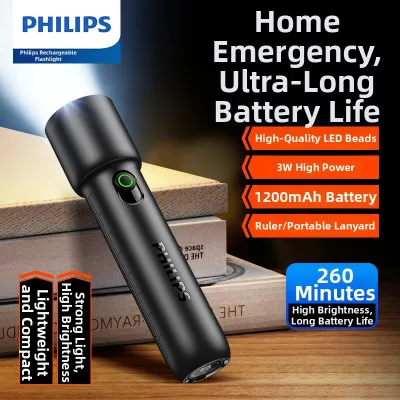
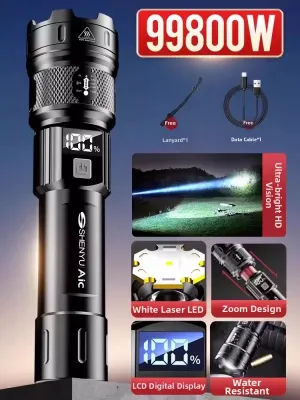
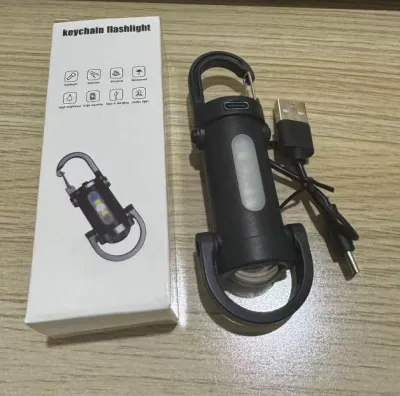
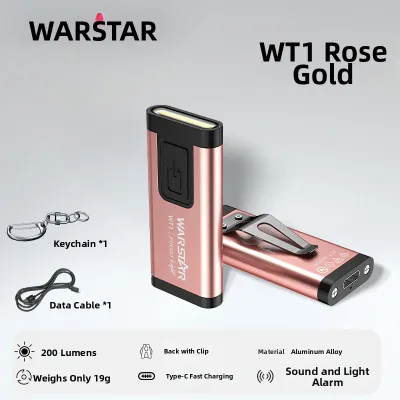
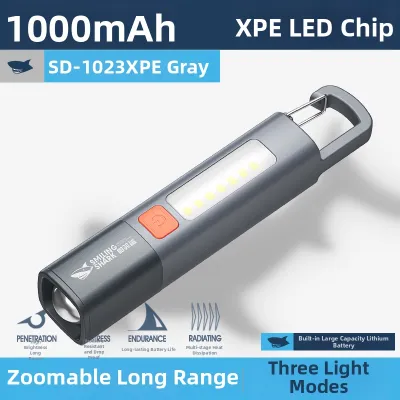
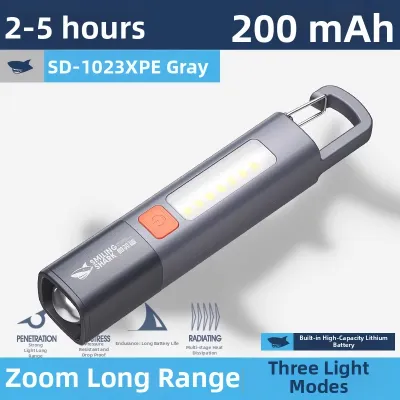
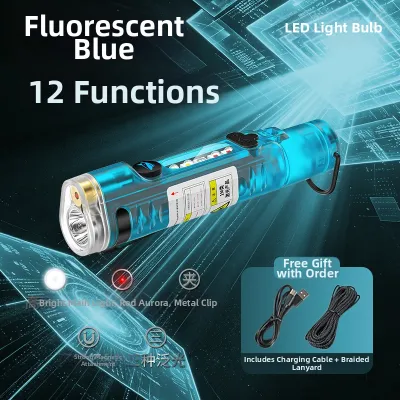
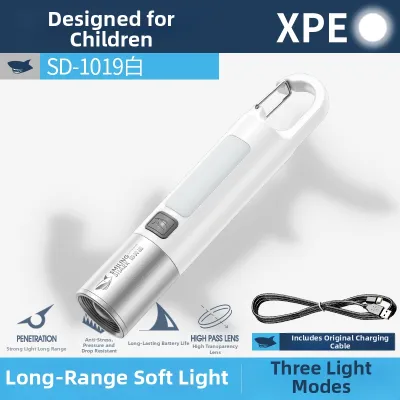
Prices are valid at publication and may change. Please refer to the product page for the latest price.
The beam profile—how the light is distributed—is just as critical as the total light output. A wide flood beam, which spreads light evenly across a broad area, is ideal for illuminating entire rooms, such as your living room or kitchen, by pointing the torchlight upward at the ceiling to bounce the light. Conversely, a focused spot beam, which projects a tight beam over a long distance, is valuable for inspecting deep utility closets, checking dark common corridors, or navigating windowless stairwells during a building-wide power failure.
An emergency torchlight must be easily accessible and comfortable for all family members to hold, including children and the elderly. Heavy, bulky searchlights that require multiple large batteries are impractical for quick home emergencies and take up valuable space in compact HDB storage areas. Look for compact, ergonomic designs that can be stored easily in bedside drawers, utility cabinets, or emergency grab bags. A torchlight that measures between 10 to 15 centimeters in length and weighs under 200 grams is generally the sweet spot for comfortable, single-handed operation over extended periods.
While emergency lighting in Singapore is primarily intended for indoor use, you must also consider the environmental challenges of a tropical climate. Heavy monsoon downpours can lead to localized water ingress near windows and corridors, making water resistance a valuable feature. Ingress Protection (IP) ratings define a device’s resistance to dust and water. A rating of IPX4 indicates resistance to water splashes from any direction, which is the bare minimum required for basic household emergencies. However, opting for a torchlight with an IPX7 or IPX8 rating ensures the device can survive complete submersion in water, protecting your investment from accidental drops into cleaning buckets or exposure to heavy rain during outdoor evacuations.
Battery Types and Power Management
The reliability of an emergency torchlight is entirely dependent on its power source. Choosing the wrong battery chemistry can leave you with a dead light when an actual blackout occurs, while selecting the right power management system ensures your light remains operational throughout a prolonged emergency.

Lithium-ion (Li-ion) rechargeable batteries, such as the standard 18650 or 21700 cells, offer high energy density, consistent voltage output, and the ability to be recharged hundreds of times. They are highly cost-effective for regular use, but they do require active maintenance to prevent them from losing charge over long periods of storage.
Disposable alkaline batteries are widely available and convenient, but they pose a significant risk in Singapore’s hot and humid climate. Alkaline batteries are highly prone to leaking corrosive potassium hydroxide over time, which can permanently destroy the internal contacts of your torchlight. If you prefer disposable batteries for their long shelf life, choose lithium AA or AAA batteries instead, as they offer a shelf life of up to 15 years and are far more resistant to leakage and temperature fluctuations.
For rechargeable models, a universal charging interface is a major advantage during extended power outages. Torchlights featuring an integrated USB-C port allow you to recharge the device using standard phone chargers, wall outlets, or portable power banks once partial power is restored. Avoid proprietary magnetic charging cables or specialized charging docks where possible, as they limit your ability to power up the device using standard household cables. A USB-C interface ensures that your emergency light can share power sources with your other essential electronic devices, simplifying your emergency kit.
A reliable emergency torchlight should feature a clear, multi-stage battery indicator, such as a color-changing LED on the power button, to show the remaining charge level. This prevents the sudden, unexpected loss of light during critical moments. Additionally, prioritize torchlights that offer a dedicated low-light mode, often referred to as a “moonlight” or “firefly” mode, which operates at 1 to 5 lumens. This ultra-low setting consumes minimal power, allowing the torchlight to run continuously for several days or even weeks on a single charge, providing sufficient light for sleeping areas without exhausting the battery.
How to Evaluate Brand Reliability and Build Quality
With countless torchlight brands available on the market, identifying a truly reliable manufacturer requires looking past marketing hype and evaluating objective indicators of build quality and safety.
Trustworthy manufacturers design their products to meet international standards and voluntarily submit them for third-party testing. Look for brands that explicitly state compliance with the ANSI/PLATO FL 1 standard on their packaging or specification sheets. This standard ensures that claims regarding light output, runtime, beam distance, impact resistance, and water resistance are measured using consistent, scientific methods.
Furthermore, verify that the torchlight carries recognized safety and environmental certifications, such as CE, FCC, and RoHS markings. These certifications indicate that the device has been tested for electrical safety, electromagnetic compatibility, and the absence of hazardous materials, reducing the risk of electrical malfunctions or battery hazards in your home.
A manufacturer’s warranty is a strong indicator of their confidence in product durability. Reliable brands typically offer warranties ranging from two to five years, covering manufacturing defects and component failures. Before purchasing, check if the brand has an authorized local distributor or service center in Singapore. Having local after-sales support means you can easily seek assistance, obtain replacement parts, or process a warranty claim without the hassle and high cost of shipping the device back to an overseas manufacturer.
The materials used in construction directly impact how well a torchlight survives accidental drops onto hard HDB tiled floors. Avoid cheap, brittle plastics that can crack easily upon impact. Instead, look for torchlights constructed from aerospace-grade aluminum alloy with a Type III hard-anodized finish. This material is exceptionally durable, scratch-resistant, and lightweight, while also serving as an efficient heat sink to dissipate the heat generated by high-power LEDs. Ensure the product specification sheet lists an impact resistance rating of at least 1 to 1.5 meters, confirming its ability to withstand typical household drops.
Purchasing Channels and Pre-Checkout Verification
Acquiring a genuine, high-quality torchlight requires careful selection of your purchasing channels and thorough verification of the product before finalizing your order.
To ensure authenticity, compare products across official brand websites, authorized local lighting and outdoor retailers, and reputable online marketplaces. While general ecommerce platforms offer convenience, they also host third-party sellers who may distribute counterfeit or substandard goods. When shopping on online marketplaces, prioritize official brand stores or preferred local sellers with high ratings and positive customer feedback. If possible, visiting a physical outdoor or hardware store in Singapore allows you to handle the torchlight, test its weight, and verify its build quality in person before making a purchase.
Before checking out, carefully review the seller’s return policy and warranty registration process. Legitimate sellers should offer a clear return window (typically 7 to 14 days) to protect you against receiving defective items. Verify whether the warranty registration must be completed online through a local distributor’s portal or if it requires keeping the physical warranty card and purchase receipt. Avoid sellers who offer vague warranty terms or refuse to provide an official invoice, as this can complicate future service claims. While budget-friendly options exist, investing S$30 to S$80 in a well-constructed torchlight from a reputable manufacturer ensures long-term reliability.
A complete emergency torchlight package should include all the essential accessories required for immediate use. Check the product description to confirm if the battery is included in the purchase price, as some high-end models are sold as “host-only” units. Look for bundles that include a high-quality charging cable, a wrist lanyard to prevent accidental drops, and spare rubber O-rings to maintain the device’s water resistance over time. Some packages may also include a diffuser cone, which slips over the head of the torchlight to scatter the light, instantly converting your focused beam into a 360-degree ambient lantern.
Storage, Maintenance, and Readiness Checks
Even the most reliable torchlight will fail if it is neglected. Establishing a simple, periodic maintenance routine ensures that your emergency lighting remains fully functional and ready to perform when a blackout occurs.
Singapore’s high relative humidity, which frequently exceeds 80%, presents a constant challenge for electronic devices. High humidity can accelerate the corrosion of battery contacts, degrade rubber switch covers, and promote mold growth on textured grips. Store your emergency torchlights in a cool, dry place away from direct sunlight and fluctuating temperatures. Avoid storing them in damp areas like utility closets next to washing machines or bathrooms. Placing your torchlight inside a sealed plastic container with a few silica gel packets is an inexpensive and highly effective way to protect it from moisture damage.
For torchlights powered by rechargeable Li-ion batteries, long-term storage at 100% charge or complete depletion can permanently degrade the battery’s capacity. To maximize battery lifespan, store rechargeable cells at approximately 50% to 70% capacity. Set a calendar reminder every six months to perform a quick readiness check. Discharge the battery slightly by running the light for a few minutes, then recharge it back to its optimal storage level. For torchlights that utilize disposable alkaline batteries, always store the batteries outside the device; keeping them installed for long periods increases the risk of leakage, which can ruin the torchlight’s internal circuitry.
During your semi-annual checks, take a moment to inspect the physical components of the torchlight. Unscrew the tail-cap and check the rubber O-rings for signs of cracking, dryness, or wear. Apply a tiny amount of silicone-based grease to the threads and O-rings to keep them lubricated, ensuring a smooth screw action and maintaining a tight water seal. Finally, press the power switch several times to verify that the mechanism feels crisp and responsive, and clean any dust or debris from the lens using a soft microfiber cloth.
Frequently Asked Questions (FAQ)
Can I use a standard smartphone flashlight instead of a dedicated torchlight?
While a smartphone flashlight is convenient for quick tasks, it is highly inadequate as a primary emergency light source during a prolonged blackout. Smartphone LEDs produce a very wide, unfocused flood of light with low lumen output, making them ineffective for illuminating large rooms or navigating dark stairwells safely. More importantly, using your phone’s flashlight drains its battery rapidly, depriving you of your primary communication tool for receiving emergency updates, contacting family members, or calling for assistance. Keeping a dedicated torchlight preserves your phone’s battery for its essential communication functions.
Are solar-powered or hand-crank torchlights practical for HDB emergencies?
Solar-powered and hand-crank torchlights are popular for off-grid survival, but they have significant limitations in an HDB environment. Solar panels require direct, unobstructed sunlight to charge efficiently, which can be difficult to access in high-rise flats where windows may face away from the sun or block UV rays. Hand-crank (dynamo) lights do not rely on external power, but cheap models often use low-quality internal batteries that degrade quickly, and cranking the handle for several minutes to get just a few minutes of low-intensity light is physically exhausting and impractical for long-term use. They can serve as a secondary backup, but a high-quality battery-powered torchlight remains the most practical primary choice.
What is the recommended number of torchlights to keep in a typical 4-room HDB flat?
For a typical 4-room HDB flat, keeping a minimum of three dedicated light sources is highly recommended to ensure complete coverage. Place one primary, high-output torchlight in a central, easily accessible location like the living room console or utility cabinet for general navigation. Keep a second, compact torchlight or headlamp in the master bedroom bedside drawer for immediate, hands-free access in the dark. Finally, store a dedicated emergency light or lantern inside your household shelter (bomb shelter), as this room is completely windowless and will be plunged into absolute darkness during a power failure.

Community discussion
Share your experience or ask a question. Comments are reviewed before publication.