
Selecting a reliable outdoor motion sensor light in Singapore requires a careful balance of weatherproofing, sensor accuracy, and electrical safety. The local tropical climate, characterized by relentless humidity, intense UV exposure, and sudden torrential downpours, quickly exposes the weaknesses of generic lighting fixtures. A dependable waterproof light must feature a verified IP65 or IP66 rating, robust housing materials, and local warranty support to withstand Singapore’s harsh tropical climate.
To make an informed purchase, you must evaluate brands based on their engineering standards, warranty coverage, and suitability for your specific property layout. Whether you are illuminating a landed property driveway, a condominium balcony, or a semi-exposed patio, understanding the technical specifications of outdoor lighting will save you from frequent replacements and electrical hazards.
Why Singapore's Climate Demands Specific Outdoor Lighting Specs
Singapore’s equatorial climate presents a hostile environment for outdoor electrical appliances. With relative humidity levels frequently exceeding 80% and regular ambient temperatures hovering around 30°C to 34°C, outdoor light fixtures are subjected to constant thermal stress and moisture exposure. Standard indoor or mild-climate fixtures will rapidly fail under these conditions due to moisture ingress and component degradation.
Products mentioned in this guide
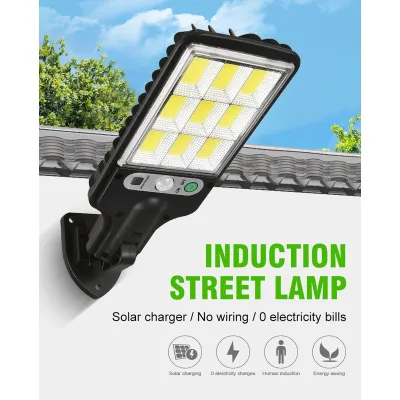
Prices are valid at publication and may change. Please refer to the product page for the latest price.
During the Northeast and Southwest monsoon seasons, Singapore experiences heavy, driving rainstorms that can force water into the tiniest gaps of an inadequately sealed light fixture. This makes the Ingress Protection (IP) rating the most critical specification to check. A minimum of an IP65 rating is required for outdoor use, meaning the fixture is completely dust-tight and protected against water jets from any angle. For fully exposed areas, an IP66 rating is highly recommended to withstand powerful water jets.
Intense, year-round ultraviolet (UV) radiation is another major factor that degrades outdoor lighting in Singapore. Standard plastics quickly become yellow, brittle, and cracked when exposed to high UV indexes. This degradation destroys the physical integrity of the housing and ruins the silicone seals, allowing rainwater to seep inside. Reliable brands utilize UV-stabilized polycarbonate or powder-coated die-cast aluminum to ensure the housing remains intact over years of sun exposure.
Thermal management is equally vital for the longevity of light-emitting diode (LED) components. LEDs are highly sensitive to heat, and operating them in Singapore’s warm nights can cause internal junction temperatures to spike. Without proper heat dissipation, such as integrated aluminum heat sinks, the LED chips will experience rapid lumen depreciation, dimming prematurely and shortening the overall lifespan of the fixture.
How to Evaluate Brand Reliability for Outdoor Waterproof Light Fixtures
When searching for a reliable waterproof light brand, looking at marketing slogans is not enough. You must actively verify the manufacturer’s technical specifications and compliance with local safety standards. A primary indicator of a brand’s reliability in Singapore is the presence of local warranty support and authorized distributors, rather than relying solely on cross-border e-commerce sellers.

Buying unbranded or parallel-imported lights from online marketplaces often leaves you without recourse when water damage occurs. Local distributors understand the challenges of the Singaporean climate and typically offer warranties that cover moisture-related failures. If a fixture fails due to a manufacturing defect in the seal, a brand with local representation will provide a direct replacement, saving you the cost of purchasing a new unit.
Electrical safety is paramount for any outdoor installation, especially those connected to your home’s main power supply. In Singapore, hardwired electrical components, LED drivers, and external power adapters should carry the Safety Mark issued by Enterprise Singapore. This mark ensures the product has been tested and certified to meet stringent local safety standards, drastically reducing the risk of short circuits, electrical shocks, or fires in wet weather.
To confirm a brand’s weatherproofing claims, request or download the official manufacturer specification sheets. Genuine brands will explicitly state the testing standards their products have passed, such as IEC 60529. Be cautious of products that use vague terms like “water-resistant” without providing a specific IP rating, or those that only certify the sensor head while leaving the main light housing unrated.
Finally, evaluate the brand’s sensor technology and motion-detection algorithms. In dense residential areas, a poorly calibrated sensor will trigger constantly due to wind-blown foliage, passing cars, or stray animals. Reliable brands invest in high-quality digital signal processing (DSP) and dual-element sensors that can differentiate between the heat signature of a human body and general environmental movement, preventing annoying false alarms.
Trusted Brand Categories and What to Look For
Navigating the outdoor lighting market is easier when you understand the three primary categories of brands available in Singapore. Each category serves different user needs, budgets, and installation scenarios, offering distinct advantages and trade-offs in build quality and technology.
Established Global Lighting Manufacturers
Legacy lighting brands specialize in high-performance illumination hardware and robust weatherproofing engineering. These manufacturers have decades of experience designing fixtures for industrial and commercial environments, translating that expertise into highly durable residential outdoor lights.
These brands are known for their exceptional build quality, utilizing heavy-duty materials like marine-grade aluminum and tempered glass. They conduct rigorous in-house environmental testing, including salt spray tests, to ensure their fixtures survive coastal humidity. You can easily find these products in local hardware stores and specialized lighting showrooms across Singapore.
Optical precision is another major strength of global manufacturers. Their lenses are engineered to provide precise beam angles, consistent color rendering, and minimal glare, which is ideal for illuminating driveways or dark pathways safely. The primary trade-off is a higher upfront cost and a more traditional design approach, with fewer smart home automation features out of the box.
Smart Home and Security Specialists
Tech-focused brands integrate motion-activated lighting with advanced security features, such as high-definition cameras, two-way audio, and seamless mobile application connectivity. These fixtures are designed to act as active deterrents rather than passive light sources.
With these brands, you gain access to customizable motion detection zones, allowing you to map out specific areas of your property to monitor while ignoring public sidewalks. You receive instant smartphone notifications when motion is detected, and you can easily integrate the lights into broader smart home routines with systems like Google Home or Apple HomeKit.
However, these smart features rely heavily on a stable, continuous outdoor Wi-Fi connection. Because Singaporean homes are typically constructed with thick reinforced concrete walls, wireless signals can struggle to reach exterior spaces, often requiring you to install weatherproof network extenders. Additionally, many of these brands require ongoing monthly cloud subscriptions to access advanced video recording and AI detection features.
Value-Oriented Brands from Local Retailers
For homeowners on a budget or those looking for simple, non-permanent lighting solutions, value-oriented brands found in local home improvement chains offer an accessible entry point. These brands focus on providing functional, straightforward motion sensor lights at a fraction of the cost of global or smart brands.
When shopping in this category, it is vital to inspect the physical packaging to verify genuine IP ratings and look for local safety certifications. While these lights may not feature advanced optical lenses or smart integrations, they are highly practical for low-risk areas like garden sheds, side alleys, or temporary outdoor setups.
The main benefit of buying from a local retail chain is the ease of immediate replacement if a unit fails. However, you should expect shorter overall lifespans, particularly for battery-operated or solar-powered models. The internal rechargeable batteries in budget solar lights tend to degrade quickly under Singapore’s constant heat, and the plastic housings may show signs of weathering within a couple of years.
Key Features to Compare Before You Buy
Before purchasing an outdoor motion sensor light, you must compare the available power sources and sensor technologies to match your specific installation environment and security requirements. Choosing the wrong configuration can lead to high installation costs or unreliable performance.
Comparing Power Sources
The three main power configurations for outdoor sensor lights are hardwired, battery-operated, and solar-powered. Each has distinct installation requirements and operational limits.
| Power Source | Pros | Cons | Ideal Installation Scenario |
|---|---|---|---|
| Hardwired | Infinite power supply, maximum lumen output, highly reliable performance | Requires professional installation by a licensed electrician, fixed location | Main driveways, front porches, high-security zones |
| Battery-Operated | No wiring required, works during power outages, highly flexible placement | Requires periodic battery replacements, lower maximum brightness | Side pathways, under roof eaves, storage sheds |
| Solar-Powered | Zero operating costs, eco-friendly, simple DIY installation | Dependent on direct sunlight, battery capacity degrades in high heat | Open gardens, perimeter fences, unshaded exterior walls |
Sensor Technologies
Most outdoor motion lights use Passive Infrared (PIR) sensors, which detect changes in infrared radiation caused by moving heat sources, such as humans or animals. PIR sensors are highly energy-efficient and work exceptionally well in dark environments, making them the standard choice for residential security lighting.
For areas with dense tropical foliage or high wind, consider upgrading to a Dual-technology (Dual-tech) sensor. These units combine PIR technology with microwave radar, which measures physical motion by emitting high-frequency radio waves. Because the light will only turn on when both the heat sensor and the radar sensor detect a target simultaneously, false triggers from swaying plants or heavy rain are virtually eliminated.
Adjustable Settings
Look for brands that offer physical dials or app-based controls to adjust the light’s behavior. Essential adjustments include:
- Sensitivity: Controls the distance and angle of the motion detection zone, allowing you to narrow the range to avoid public walkways.
- Lux (Daylight) Sensor: Determines how dark it must be before the motion sensor activates, preventing the light from turning on during bright daylight hours.
- Timer Duration: Sets how long the light remains illuminated after motion stops, typically adjustable from 10 seconds up to 10 minutes.
Installation Safety and Maintenance in Wet Conditions
Installing and maintaining outdoor electrical fixtures in a wet, tropical climate requires strict adherence to safety protocols. Neglecting proper installation techniques can lead to water ingress, short circuits, and severe electrical hazards.
For all hardwired installations, you must hire a Licensed Electrical Worker (LEW) registered with the Energy Market Authority (EMA) of Singapore. Outdoor wiring must be connected to a circuit protected by a Residual Current Circuit Breaker (RCCB) to prevent electric shocks. Your installer should use IP66 or IP68 rated junction boxes, outdoor-grade UV-stabilized cables, and waterproof compression cable glands to ensure a completely sealed connection.
When mounting solar-powered or battery-operated units, position the solar panel where it will receive at least four to six hours of unshaded, direct sunlight daily. Avoid placing the motion sensor directly facing streetlights, neighboring properties, or other bright light sources, as this can trick the integrated lux sensor into thinking it is daytime, preventing the light from turning on when needed.
To ensure long-term reliability, establish a simple biannual maintenance routine. Singapore’s high humidity encourages the growth of green algae, mold, and spider webs, which can coat the sensor lens and reduce its detection range. Clean the sensor lens gently using a soft, damp microfiber cloth; avoid using harsh chemical cleaners or abrasive pads that can scratch the delicate plastic Fresnel lens.
During your maintenance checks, inspect the silicone gaskets and seals around the housing and battery compartments. If you notice any signs of cracking, hardening, or peeling, the seal must be replaced to prevent water ingress. If you observe persistent condensation or fogging inside the lens of a hardwired unit, isolate the power at your distribution board immediately and consult a professional electrician to inspect the fixture.
Frequently Asked Questions (FAQ)
Is an IP65 rating sufficient for Singapore's heavy thunderstorms?
Yes, an IP65 rating is generally sufficient for most residential outdoor installations, such as under roof eaves, car porches, or semi-sheltered balconies, as it protects against low-pressure water jets. However, for fully exposed areas like perimeter walls, open garden posts, or unshaded exterior walls that face driving monsoon rains, upgrading to an IP66 rated waterproof light provides a much safer margin of long-term reliability.
How can I prevent false motion triggers from heavy rain or passing cars?
To minimize false triggers, lower the sensor’s sensitivity setting using the physical dial or app controls. You can also physically adjust the sensor angle downward so its field of view does not capture distant roads or swaying tree branches. Alternatively, use physical masking tape (often supplied by manufacturers) to block specific zones of the lens, or invest in a dual-technology sensor that requires both heat and motion signatures to activate.

Community discussion
Share your experience or ask a question. Comments are reviewed before publication.