
Replicating the iconic, sophisticated ambient scent of ION Orchard in a Singapore home requires moving beyond basic home fragrance methods. Many homeowners attempt to recreate this luxurious atmosphere using standard reed diffusers or water-based humidifiers, only to find the scent remains localized, faint, or quickly fades. The secret to the consistent, enveloping fragrance found in high-end retail spaces lies in the specific diffusion technology used by commercial establishments. To achieve a similar long-lasting scent throw, it is essential to understand how professional diffuser brands operate and how to select the right system for your living space.
Understanding the Technology Behind Luxury Retail Scents
To replicate a commercial-grade scent experience, one must first distinguish between ultrasonic diffusers and cold-air nebulizers. Ultrasonic diffusers rely on water as a carrier, using high-frequency electronic vibrations to create a fine mist of water and essential oil. While popular, this method dilutes the fragrance, limits its travel distance, and increases local humidity—a significant drawback in Singapore’s already humid climate.
In contrast, cold-air nebulization is a waterless technology. It uses a high-pressure air stream to atomize pure essential or fragrance oils into an ultra-fine dry mist. Because no water is added, the scent remains highly concentrated and pure.
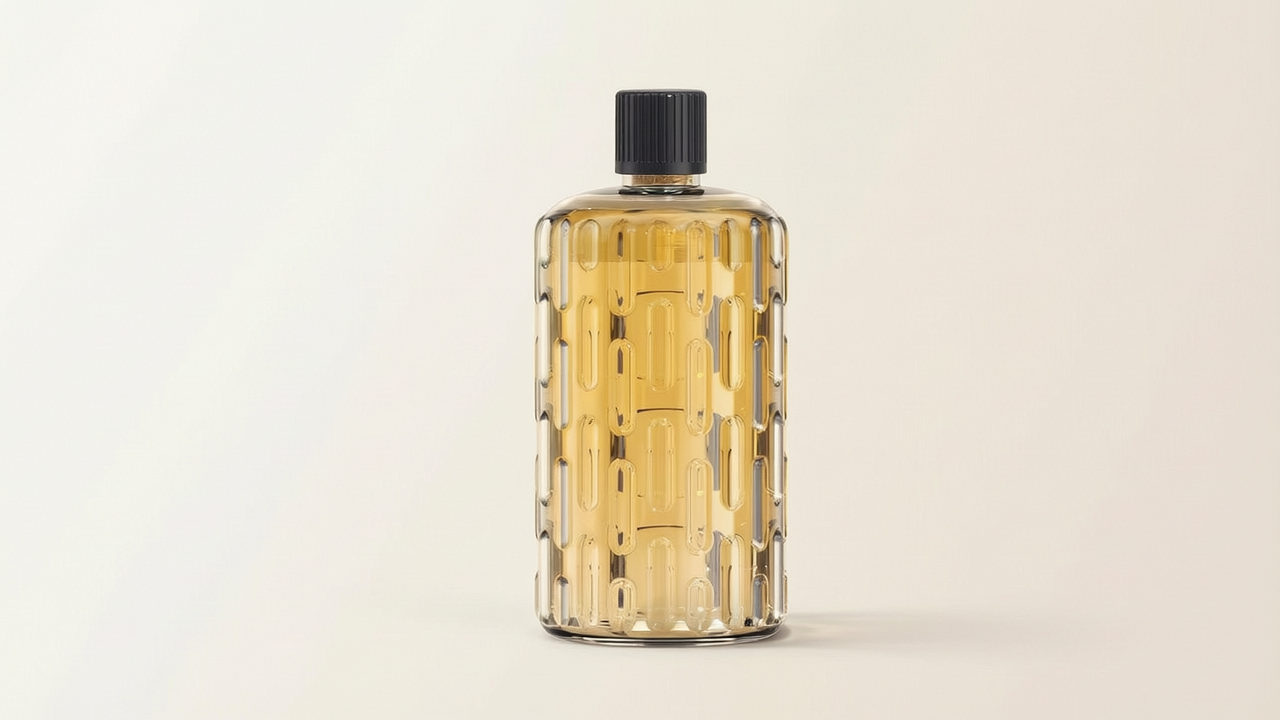
Products mentioned in this guide



![[KIRONA SCENT] Fragrance Spray 100ml | Use for Pillow Mist Room Linen & Fabric Spray | Luxurious Hotel Mall & Perfume Scent Gifts](https://img.lazcdn.com/g/p/0d4e43bb264fceec323854ddf7d8324f.png_400x400q80.png_.webp)
Prices are valid at publication and may change. Please refer to the product page for the latest price.
The size of the diffused particles is critical to how long the scent lingers. Cold-air nebulizers break the oil down into micro-particles, typically measuring under five microns in diameter. These microscopic particles are light enough to remain suspended in the air for hours, drifting naturally with the room’s ambient airflow rather than falling immediately onto surfaces. This suspended state ensures a consistent, subtle fragrance throughout the entire room, preventing the heavy, wet residue often left behind by water-based misting devices.
In large commercial spaces like ION Orchard, scenting is often achieved through HVAC-integrated systems. These commercial units are connected directly to the central air conditioning ductwork, allowing the dry micro-mist to be distributed evenly across multiple zones. For residential environments, standalone portable nebulizers are the most practical choice. However, for spacious landed properties or apartments with ducted central air conditioning, some premium brands offer compact HVAC-compatible nebulizers that can be professionally integrated into the home ventilation system.
Key Specifications to Compare Across Diffuser Brands
When comparing different diffuser brands, looking past marketing buzzwords and focusing on technical specifications is essential for finding a unit that fits your home layout. The first specification to evaluate is the maximum coverage area, usually stated in square meters. It is important to note that manufacturer coverage ratings assume an open space with standard ceiling heights. If your home features high ceilings, an open-concept kitchen, or multiple partitioned rooms, you will need a unit with a higher coverage rating than the actual floor area to ensure the scent distributes effectively.

Adjustability and programming capabilities are equally vital. High-end diffuser brands feature advanced control systems, often accessible via a smartphone application or a digital interface on the unit. These controls allow you to program specific operating hours—such as turning the unit on automatically just before you return from work—and adjust the concentration levels. Instead of running continuously, a quality nebulizer operates on an intermittent cycle, dispersing scent for a set number of seconds and then pausing. This customization prevents the fragrance from becoming overpowering and significantly reduces oil consumption.
Reservoir capacity directly dictates how often you will need to refill the device. Home nebulizers typically feature oil reservoirs ranging from 100ml to 500ml. A larger reservoir is highly convenient for continuous scenting, but it must be balanced against the unit’s oil consumption rate. Consumption is usually measured in milliliters per hour (ml/h) at a standard intensity setting. Comparing these two figures across brands will give you a clear picture of the ongoing operational requirements and help you estimate your monthly fragrance oil budget.
Finally, consider the operational noise level of the device. Because cold-air nebulizers rely on an internal air pump to compress and atomize the oil, they naturally produce a soft, mechanical hum. Brands should specify the noise level in decibels (dB). For quiet areas like bedrooms or home offices, look for units rated below 35 dB to ensure the sound does not disrupt sleep or concentration. For high-traffic areas like living rooms, hallways, or entryways, a slightly higher noise level of up to 45 dB is generally imperceptible over normal household background noise.
Sourcing the Fragrance: Essential Oil Compatibility and Quality
The hardware is only one half of the equation; the quality and type of oil you use will ultimately determine whether you successfully replicate a luxury retail scent. When shopping for diffuser brands, check whether the hardware utilizes proprietary cartridges or an open-system bottle. Proprietary systems require you to purchase pre-filled oil cartridges directly from the brand. While this ensures compatibility and eliminates the mess of refilling, it limits your fragrance choices and often comes with a higher ongoing cost. Open systems, on the other hand, feature a refillable bottle, giving you the freedom to source high-quality oils from any reputable supplier.
Understanding the difference between pure essential oils and synthetic fragrance oils is crucial for nebulizer performance. Pure essential oils are extracted directly from plants and offer natural aromatherapy benefits. However, because they are natural, their viscosity can vary, and some thicker oils may clog the delicate nozzles of a nebulizer. Synthetic fragrance oils, specifically formulated for cold-air diffusers, are often preferred for replicating complex commercial scents. These oils are engineered to maintain a consistent viscosity, ensuring smooth diffusion without clogging, and they are designed to mimic the multi-layered, long-lasting aroma profiles used by luxury brands.
To capture the essence of a high-end shopping mall, look for fragrance blends structured with distinct top, middle, and base notes. The initial impression of a luxury scent often comes from bright, inviting top notes like bergamot, lemon, or green tea. As these initial notes disperse, the heart of the fragrance emerges, typically featuring sophisticated middle notes such as white tea, orchid, jasmine, or soft florals. The scent is anchored by rich, warm base notes like cedarwood, sandalwood, amber, or light musk, which provide the depth and longevity required to keep your home smelling consistently luxurious for hours.
Decision Framework: Matching the Diffuser to Your Home Environment
Selecting the right diffuser requires balancing your spatial layout, budget, and environmental preferences. If your primary goal is to achieve a wide, consistent, and highly sophisticated scent throw across a large living area without altering the indoor climate, a cold-air nebulizer is the ideal choice. This technology is particularly well-suited for Singapore’s tropical climate, as it delivers pure fragrance without adding unnecessary moisture to already humid rooms. While the initial investment for a quality nebulizer is typically higher, the efficiency of oil dispersion and the purity of the scent make it the preferred option for replicating luxury retail environments.
Conversely, if you are looking for a budget-friendly option for a smaller, localized space, an ultrasonic diffuser may be more appropriate. These devices are excellent for air-conditioned bedrooms where the air can become dry overnight, as the gentle water mist adds a touch of comfortable humidity while dispersing a light, soothing scent. However, keep in mind that the fragrance will be more diluted and will not travel as far as the dry mist produced by a nebulizer.
Before finalizing any purchase, especially when considering imported commercial-grade units online, always verify the electrical specifications. Ensure the device is compatible with Singapore’s standard voltage of 230V and frequency of 50Hz, and that it comes with an appropriate power adapter or plug. Additionally, review the manufacturer’s warranty terms and the availability of local customer support, as professional-grade nebulizers contain mechanical pumps that may eventually require servicing or replacement parts.
Maintenance and Safety for Continuous Home Fragrancing
To ensure your diffuser operates efficiently and safely over the long term, establishing a regular maintenance routine is essential. Over time, essential and fragrance oils can oxidize when exposed to air, leaving behind a sticky residue that can clog the micro-nozzle of a nebulizer or build up on the ultrasonic plate of a water-based unit. For nebulizers, a simple and effective cleaning method involves pouring a small amount of high-purity isopropyl alcohol (90% or higher) into an empty reservoir bottle and running the machine for five to ten minutes in a well-ventilated room. This dissolves any stubborn oil buildup and keeps the spray nozzle clear.
Proper placement of your diffuser is another critical factor in preventing damage to your home decor. Although cold-air nebulizers produce an incredibly fine dry mist, placing the unit too close to delicate surfaces can lead to a gradual accumulation of oil residue. Always position the diffuser on a flat, stable surface away from direct sunlight, which can degrade the quality of the oils inside the reservoir. Ensure the mist outlet is directed away from sensitive electronics, electrical outlets, and porous materials such as untreated wood, leather furniture, or silk draperies to avoid potential staining or moisture damage.
Finally, always operate the device within its intended safety boundaries. If you notice any unusual vibrations, a sudden increase in operating noise, excessive heat radiating from the housing, or visible oil leaking from the base of the unit, turn off the power immediately and unplug the device. Do not attempt to dismantle the internal pump mechanism yourself; instead, consult the manufacturer’s instruction manual or contact a qualified professional to address the issue safely.
Frequently Asked Questions (FAQ)
Can I use standard supermarket essential oils in a commercial-grade nebulizer?
It is generally not recommended to use standard supermarket essential oils in a high-end nebulizer without checking their purity and viscosity first. Many budget-friendly oils sold in supermarkets are pre-diluted with heavy carrier oils, such as jojoba, sweet almond, or coconut oil, to make them suitable for direct skin application or basic reed diffusers. These carrier oils are far too thick for the micro-nozzles of a cold-air nebulizer and will quickly clog the mechanism, potentially causing permanent damage to the pump. Always verify the manufacturer’s guidelines and use only pure, undiluted essential oils or synthetic fragrance oils specifically formulated for waterless diffusion.
How do I prevent scent fatigue when running a diffuser all day?
Scent fatigue, or olfactory adaptation, occurs when your brain becomes accustomed to a constant smell and stops registering it. To prevent this and maintain a noticeable ambient fragrance, utilize the programmable timer settings on your diffuser to run the unit on an intermittent schedule rather than continuously. For example, setting the device to diffuse for 15 minutes and pause for 45 minutes allows the scent to disperse gently without overwhelming your senses. Additionally, ensuring adequate ventilation in your home and periodically alternating between different fragrance profiles—such as switching from a fresh citrus blend to a warm woody scent—will help keep your olfactory senses active.
Community discussion
Share your experience or ask a question. Comments are reviewed before publication.