
Finding a retro table lamp that captures the true essence of a bygone era requires looking past superficial marketing terms. Many mass-produced lamps claim a “vintage” aesthetic, yet they often rely on cheap plastics, inaccurate proportions, and modern manufacturing shortcuts that fail to deliver genuine historical character. An authentic retro lamp does not merely mimic the past; it honors the design philosophies, material integrity, and mechanical craftsmanship of the era it represents.
To distinguish between a high-quality vintage reproduction and a superficial imitation, you must evaluate the lamp’s physical construction, historical lineage, and hardware details. True authenticity lies in the weight of the base, the texture of the materials, the mechanical action of the switch, and the accuracy of the silhouette. By understanding these design markers, you can select a lighting piece that serves as a genuine focal point in your interior design rather than a temporary novelty.
Defining Authentic Vintage vs. Superficial Retro Styling
Historical accuracy in proportions and silhouettes forms the foundation of any authentic retro design. During the peak design movements of the twentieth century, such as the Bauhaus, Art Deco, and Mid-Century Modern eras, designers worked with strict geometric principles and balanced ratios. For instance, a genuine Bauhaus-era desk lamp features a precise mathematical relationship between the curvature of its tubular arm and the dome of its shade. Superficial retro lamps often distort these classic silhouettes because manufacturers use standardized, off-the-shelf modern internal components, resulting in awkward proportions, oversized bases, or poorly angled shades that disrupt the historical visual harmony.
Products mentioned in this guide
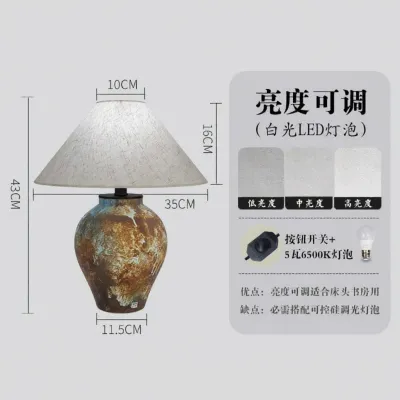

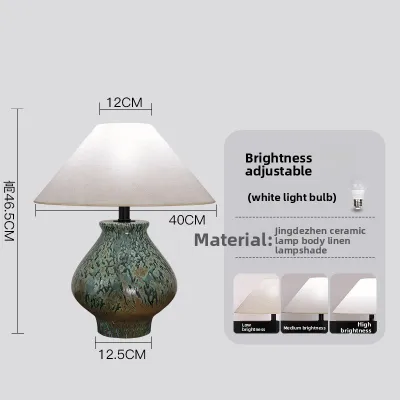
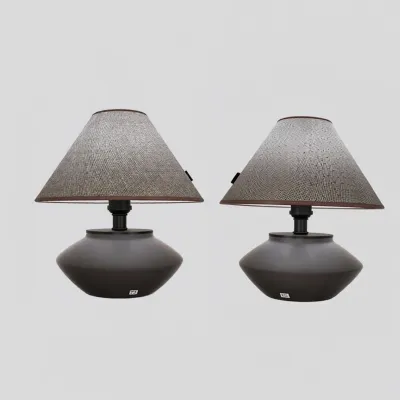
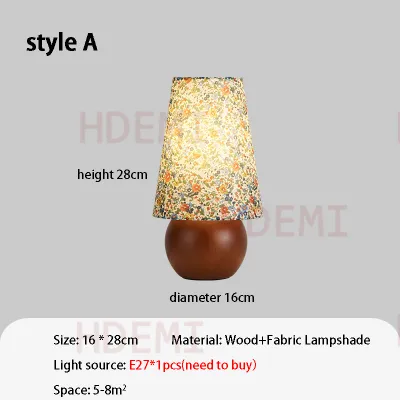
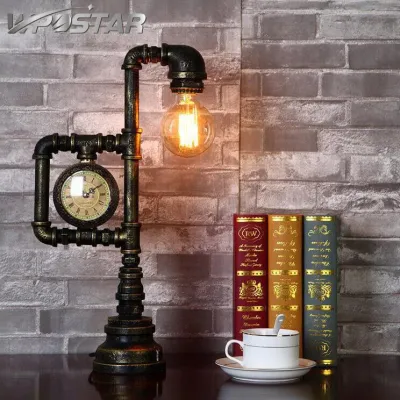
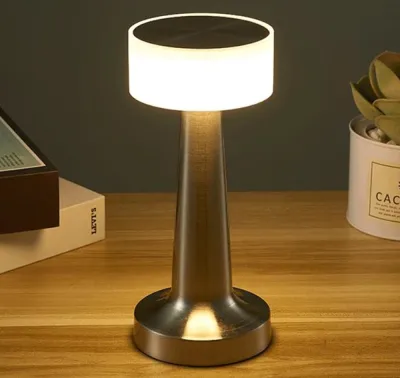
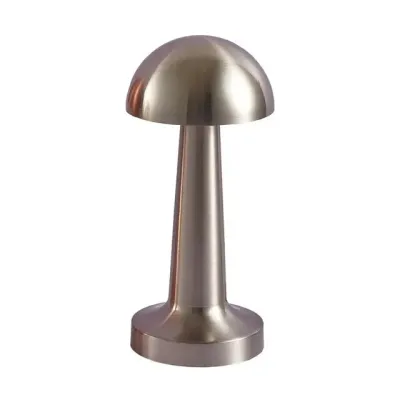
Prices are valid at publication and may change. Please refer to the product page for the latest price.
Material integrity is another critical differentiator between authentic vintage craftsmanship and modern mass-market imitations. Original vintage lamps were constructed from durable, high-quality materials like heavy-gauge brass, spun aluminum, mouth-blown glass, and cast iron. These materials give the lamp a distinct tactile quality and a reassuring physical weight. In contrast, superficial retro brands frequently substitute these premium materials with lightweight plastics painted to look like metal, thin stamped sheet metal that dents easily, or low-grade glass that lacks clarity. These material compromises not only diminish the lamp’s aesthetic appeal but also significantly reduce its lifespan.
The way a lamp ages also reveals its true quality and authenticity. Genuine metals like solid brass or copper develop a natural patina over time as they react with oxygen and touch, creating a unique, rich character that cannot be replicated in a factory. Authentic retro brands often use untreated or lightly lacquered metals that allow this natural aging process to occur. On the other hand, superficial retro lamps often feature artificial distressing, such as sprayed-on faux patinas, chemically forced rust, or uneven paint splatters. These artificial finishes tend to look flat, repetitive, and obviously manufactured under close inspection, failing to capture the organic warmth of a true vintage piece.
Key Hardware and Electrical Details to Verify
The mechanical hardware of a table lamp provides immediate tactile feedback regarding its authenticity. Switch mechanisms are highly era-specific and serve as a primary touchpoint for the user. An authentic Art Deco or early industrial lamp might feature a heavy rotary switch located on the base, or a mechanical push-button that operates with a solid, satisfying click. Mid-century designs often utilized toggle switches or pull-chains finished with solid brass fobs. Superficial retro lamps, however, frequently bypass these historical details by using cheap, modern inline plastic rocker switches on the power cord. This shortcut breaks the historical illusion every time you turn the lamp on or off.

Examining the socket and visible wiring is equally revealing when assessing design authenticity. Period-accurate retro lamps typically feature ceramic, porcelain, or heavy brass sockets rather than the cheap black plastic sleeves found in standard modern fixtures. Furthermore, the power cord itself is a major visual element; authentic reproductions and high-quality retro lamps use braided fabric-covered cords that match the color palette of the lamp. Modern PVC cables, particularly in bright, glossy finishes, instantly detract from a vintage aesthetic. When evaluating a lamp, also check the bulb compatibility indicators to ensure the socket can accommodate historically appropriate bulb shapes, such as Edison-style filament bulbs or frosted globes, while remaining within safe wattage limits.
The structural engineering of the lamp’s base and joints speaks volumes about its build quality. A genuine vintage lamp or a premium reproduction is engineered with a heavily weighted base, often utilizing a hidden cast iron plate, to ensure stability and prevent the lamp from tipping over when adjusted. The bottom of the base should be finished with thick, neatly stitched felt or wool padding to protect delicate wooden or glass tabletops. Superficial models often skimp on this weight, resulting in a top-heavy lamp that wobbles easily, and they frequently use cheap adhesive foam stickers on the bottom that peel off over time. Additionally, inspect the adjustment joints; authentic designs use solid brass wing nuts, heavy-duty swivels, or counterweight systems, whereas cheap imitations rely on painted plastic joints or loose rivets that quickly lose their grip.
Evaluating Brand Heritage and Design Sourcing
To find a truly authentic retro table lamp, it is essential to understand the background of the brand producing it. Heritage manufacturers are companies that have been in operation for decades, sometimes over a century, and continue to manufacture their iconic designs using the same factories, materials, and tooling as they did originally. Buying from a heritage brand guarantees an unmatched level of authenticity, as the product is a direct continuation of design history. Licensed archival reissues represent another tier of authenticity; these are produced by contemporary brands that have officially partnered with a designer’s estate or archive to recreate historical models using original blueprints and exact specifications.
When researching brands, look for verifiable design credits and historical references within their collections. Authentic brands are proud of their design lineage and will openly credit the original designers, such as Christian Dell, Wilhelm Wagenfeld, or Greta Grossman, and specify the exact year the lamp was first introduced. They often provide detailed historical context, design blueprints, or certificates of authenticity with each purchase. This transparency proves that the brand has invested in preserving the integrity of the design rather than simply copying a trend.
Conversely, vague marketing language is a major red flag when evaluating retro lamp brands. Be highly skeptical of manufacturers that rely on generic terms like “vintage-inspired,” “antique style,” or “classic retro” without providing any substantive details about the design’s origin, materials, or historical reference points. If a brand’s product description lists the material simply as “metal” or “glass” without specifying the type (such as solid brass, spun aluminum, or mouth-blown opal glass), it is highly likely a mass-produced, superficial imitation. Authentic brands are precise about their materials and manufacturing techniques because those details are what define the product’s value.
Building Your Shortlist: Matching Lamps to Interior Visions
When building your shortlist of retro table lamps, your choice should align with your primary design goals, practical needs, and budget. If your priority is absolute historical accuracy, period-correct materials, and long-term investment value, licensed archival reissues or heritage manufacturers are the ideal choice. These lamps are built to heirloom standards, meaning they not only elevate your interior design but also retain their value or even appreciate over time. They serve as functional art pieces that tell a story of design history.
If you love the vintage aesthetic but require modern functionality, look for brands that specialize in modern authentic interpretations. These manufacturers preserve the essential design language, proportions, and material quality of the past while integrating contemporary electrical standards. This category is perfect if you want features like built-in touch dimming, integrated USB charging ports, or compatibility with smart-home LED bulbs and automated lighting systems. These lamps offer the best of both worlds: classic style with modern convenience.
However, you should avoid brands that rely solely on artificial distressing or superficial styling without structural era-accuracy. A lamp that looks old due to a sprayed-on finish but feels light, flimsy, and poorly engineered will ultimately disappoint. These pieces lack the tactile satisfaction of genuine vintage items and are prone to mechanical failure, making them a poor long-term investment for your home.
Before making a final decision, always verify that the lamp’s scale, switch type, and price in S$ match your specific living environment. In Singapore’s compact urban apartments, such as HDB flats or condominiums, scale is incredibly important. A massive, industrial-style desk lamp with a wide counterweight arm may completely overwhelm a sleek study desk or a small bedside table. Ensure you measure the available surface area and height clearance. Additionally, confirm that the switch mechanism is easily accessible from your bed or seating position, and that the investment in S$ fits comfortably within your overall interior decoration budget.
Frequently Asked Questions (FAQ)
Are reproductions considered authentic retro designs?
An authorized reproduction is considered an authentic retro design because it is produced in strict accordance with the original designer’s specifications and blueprints. These reproductions are officially licensed by the designer’s estate or the original manufacturing brand, ensuring that every dimension, material choice, and mechanical detail matches the historical original. This direct connection to the design’s archive preserves the artistic and historical integrity of the piece.
In contrast, unlicensed imitations are generic copies created by reverse-engineering an existing product or working from photographs. These manufacturers do not have access to the original archives or technical drawings, which often leads to compromises in proportions, material quality, and structural engineering. To verify if a brand’s reproduction is authentic, look for official licensing marks, designer signatures engraved on the lamp’s base, or certificates of authenticity included in the packaging.
How do I check if a retro table lamp is safe for modern use?
Safety is a paramount consideration when introducing retro-style lighting into your home, especially if you are dealing with genuine vintage pieces or imported reproductions. In Singapore, all electrical appliances must be compatible with the local mains voltage of 230V at a frequency of 50Hz. When purchasing a retro table lamp, verify that it carries recognized electrical safety certifications, such as the Enterprise Singapore SAFETY Mark, which indicates the product has been tested and approved for safe local operation.
If you are evaluating a genuine vintage lamp sourced from an antique market, you must thoroughly inspect the physical condition of the wiring and socket before plugging it in. Look for signs of wear such as frayed fabric insulation, cracked PVC cords, brittle plastic sockets, or loose electrical contacts. Old wiring can pose serious fire and shock hazards. If you detect any damage or if the lamp uses outdated, ungrounded wiring, do not attempt to use it. Instead, consult a qualified, licensed electrician to completely rewire the fixture with modern, insulated cables and a safe, grounded plug while preserving the lamp’s external vintage aesthetic.

Community discussion
Share your experience or ask a question. Comments are reviewed before publication.