
Selecting the right round cushion fill is the most important decision you will make when upgrading your seating comfort. The ideal material depends entirely on how you plan to use the cushion, as each option offers a distinct balance of support, softness, and structural integrity. Memory foam provides dense, contouring support that is excellent for long sitting sessions; polyester fiberfill offers a lightweight, bouncy, and budget-friendly solution for casual chairs; and down alternative delivers a plush, sink-in feel perfect for relaxed lounging and decorative accents.
Because round cushions lack the structured corners of square designs, the way a fill behaves under pressure is critical. Choosing the wrong material can lead to shifting, flattening, or a lack of edge support. By understanding the physical properties of each fill type, you can select a cushion that maintains its shape and keeps you comfortable day after day.
Understanding the Core Differences in Round Cushion Fills
To make an informed choice, it helps to understand what goes inside these cushions. Memory foam is a dense, polyurethane-based material known for its viscoelastic properties. It is available either as a solid, molded foam insert or as shredded foam packed into an inner lining. Solid foam holds a precise, uniform shape, while shredded foam offers a more adjustable and breathable feel.
Products mentioned in this guide
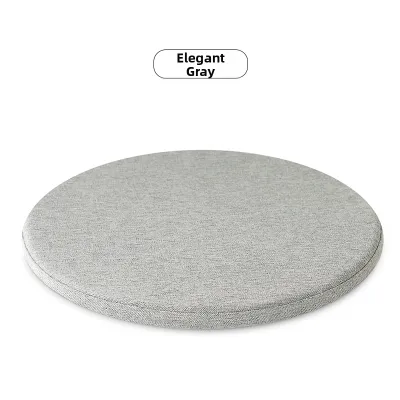
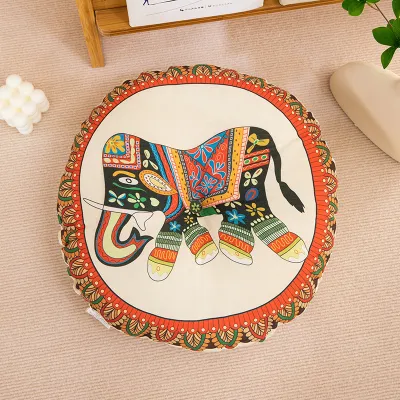
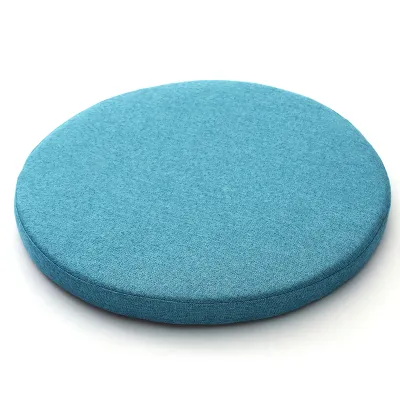
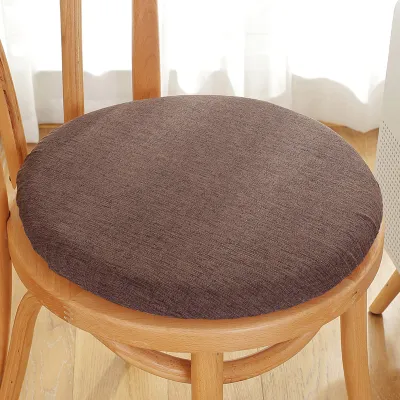
Prices are valid at publication and may change. Please refer to the product page for the latest price.
Polyester fiberfill, commonly referred to as poly-fill, consists of fine synthetic fibers blown or stuffed into the cushion casing. It is highly accessible, lightweight, and naturally springy, making it a staple for everyday home decor. Because it is easy to produce, it is often the most cost-effective option on the market.
Down alternative uses ultra-fine synthetic microfibers designed to mimic the loft and cluster structure of natural goose or duck down. This design creates a luxurious, airy feel without the allergy risks or maintenance challenges associated with real feathers. It is highly moldable, allowing you to shape the cushion to your liking.
The geometry of a round cushion alters how these fills behave under pressure. Unlike square cushions with defined corners that help anchor the fill, round cushions distribute weight outwardly across a continuous curved edge. This lack of corners means loose fills like polyester and down alternative can easily migrate toward the perimeter, potentially leaving the center flat if the cushion is not properly tufted or baffled. Solid memory foam avoids this issue entirely by maintaining a uniform, molded edge.
While these general material characteristics hold true, the specific performance of any round cushion depends heavily on manufacturing quality. A generic material label does not guarantee a specific density, lifespan, or comfort level. Always verify the manufacturer’s detailed specifications and construction methods before purchasing.
Comfort and Support: How Each Material Feels
Evaluating cushion comfort requires looking at how a material responds to pressure over time. Firmness, pressure relief, and sink-in depth vary dramatically between dense foam structures and loose fiber fills. The right feel is highly subjective and depends on your personal preferences.

Your body weight and how long you plan to sit play a decisive role in how comfortable a cushion feels. A lightweight decorative cushion might feel perfectly soft for a few minutes, but a long working session requires a material that prevents you from bottoming out against the hard chair surface. Finding the right balance between initial softness and long-term support is key.
Because comfort is highly personal, reading descriptions is rarely a substitute for physical testing. When shopping online, verifying the retailer’s return policy or testing similar materials in person is the most reliable way to ensure the cushion meets your standards.
Memory Foam for Contouring and Firm Support
Memory foam excels at pressure relief by reacting to body heat and weight, contouring precisely to your shape. This custom molding distributes your weight evenly across the round surface, reducing pressure points on the tailbone and hips during extended sitting sessions. It provides a stable, anchored feeling that supports proper posture.
However, this heat-responsive nature means memory foam can retain warmth, which may feel uncomfortably warm in humid climates like Singapore. If you plan to use the cushion in a non-air-conditioned room, this heat retention is an important factor to consider. Look for ventilated foam or breathable covers to help mitigate this effect.
Choosing between solid and shredded memory foam allows you to balance support and breathability. Solid foam inserts offer maximum structural integrity and consistent height, making them excellent for office chairs. Shredded foam allows for greater airflow and a more adjustable, moldable feel that behaves somewhat like a traditional pillow.
Polyester Fill for Softness and Bounce
Polyester fiberfill provides an immediate, springy softness that makes a chair feel instantly welcoming. It offers a high level of initial loft, giving the round cushion a plump, attractive appearance on dining chairs or stools. It is lightweight and easy to move around the home as needed.
Despite this initial bounce, polyester fibers tend to compress and flatten under continuous, heavy use. Over time, the individual fibers slide past one another and compact, which can lead to a noticeable loss of support and a deflated appearance. This makes it less suitable for primary work chairs or high-traffic seating.
To combat this flattening and maintain the cushion’s circular silhouette, regular maintenance is required. You will need to manually fluff and shake the cushion to redistribute the fibers and restore its original loft. This simple step can significantly extend the visual appeal of the cushion.
Down Alternative for Plushness and Sink-In Feel
Down alternative offers a luxurious, cloud-like sink-in feel that closely replicates natural down. Because it uses synthetic microfibers, it provides this plush experience without triggering allergies or releasing fine dust, making it an excellent choice for sensitive households. It creates a soft, inviting aesthetic wherever it is placed.
The extremely fine fibers in down alternative move freely inside the cushion casing, creating a highly moldable surface. This freedom of movement means the fill will shift away from areas of high pressure, requiring frequent shaking and patting to prevent flat spots in the center of your round cushion. It does not provide structured ergonomic support.
This material is best suited for relaxed lounging where structural support is secondary to immediate, enveloping softness. It is ideal for deep armchairs, reading nooks, or decorative floor arrangements where you want to sink comfortably into the seat. It adds a touch of casual elegance to any space.
Durability, Maintenance, and Longevity
The longevity of a round cushion depends heavily on how its fill handles repeated compression. Memory foam generally offers the highest durability, resisting permanent flattening for years, though low-density foams may degrade faster. Polyester fill is the most prone to clumping and flattening, often requiring replacement sooner if used daily. Down alternative sits in the middle; while it compresses easily, regular fluffing can extend its usable lifespan significantly.
Cleaning methods vary widely across these materials and must be handled carefully to avoid ruining the cushion. Solid memory foam must never be submerged in water or put in a washing machine, as moisture degrades the foam structure and can lead to mold; it should only be spot-cleaned. In contrast, many polyester and down alternative cushions can be machine washed on a gentle cycle, provided they are dried thoroughly to prevent clumping.
Always check the manufacturer’s care label before attempting any cleaning. If the cushion features a removable cover, washing the cover separately is always the safest way to maintain both the exterior fabric and the delicate fill inside. Proper care ensures your cushion remains hygienic and comfortable for its entire lifespan.
Matching the Fill to Your Seating Situation
Selecting the right round cushion requires matching the material’s physical properties to your specific daily activities and seating setups.
- Choose Memory Foam if: You require structured support for long seating sessions, such as working at a desk or sitting on the floor. It is the ideal choice for relieving pressure on hard surfaces and maintaining a consistent, supportive shape over several hours.
- Choose Polyester Fill if: You need a budget-friendly, lightweight option for casual dining chairs, patio seating, or occasional use. It is perfect for quick, low-cost updates to your home decor where high-end ergonomic support is not a primary concern.
- Choose Down Alternative if: You want a luxurious, plush, sink-in feel for decorative accent chairs, cozy reading corners, or low-use lounge spaces. It provides an elegant, high-loft aesthetic that enhances the visual warmth of a room.
- Verify first if: You have specific physical needs, such as mobility limitations that make rising from a soft, sinking cushion difficult. In such cases, a firmer, more stable memory foam cushion is generally safer and more practical than a soft down alternative.
What to Verify Before You Buy
Before making a final purchase, examining the physical construction of the round cushion can save you from future frustration. Look for high-quality cover materials like heavy-duty cotton, linen, or durable synthetic blends that can withstand daily wear. A robust, hidden zipper is a crucial feature, as it allows you to easily remove the cover for washing or access the fill for adjustments.
Pay close attention to the specifications of the fill itself. For memory foam, check the density rating if available, as higher density generally correlates with better support and longevity. Additionally, look for recognized safety certifications regarding chemical emissions and materials to ensure the cushion is safe for indoor use.
Finally, measure your seating area precisely before ordering. Because round cushions lack corners, a mismatch in diameter can make the cushion slide around or overhang the edges of your chair. Measure the diameter of your chair seat or stool and compare it directly to the cushion’s listed dimensions to ensure a secure, centered fit.
Frequently Asked Questions (FAQ)
Can I mix different fill materials in one round cushion?
Yes, mixing materials is a common way to balance support and softness, often found in pre-blended commercial cushions. For example, some cushions feature a solid memory foam core wrapped in a layer of polyester fiberfill or down alternative. If you are attempting a DIY mix, be aware that different materials wear at different rates. Without proper internal baffling or compartments to keep the fills separated, the materials can shift unevenly, leading to lumpy spots and an asymmetrical shape over time.
How do I stop my round cushion from losing its shape?
Preventing a round cushion from flattening requires consistent, proactive care. For fiber-based fills like polyester and down alternative, shake, pat, and fluff the cushion weekly to redistribute the fibers and restore loft. Rotating the cushion regularly ensures that pressure is not constantly applied to the exact same spot. If you are using a memory foam cushion that has begun to sag permanently, it likely means the foam has reached the end of its usable lifespan and the insert needs to be replaced.

Community discussion
Share your experience or ask a question. Comments are reviewed before publication.