
Choosing between scented oil and essential oil for your home diffuser depends on whether you prioritize natural botanical purity or long-lasting, complex home fragrance. While both options fill a room with pleasant aromas, they are formulated differently and interact uniquely with various diffuser technologies. Essential oils are pure, volatile plant extracts that offer traditional botanical profiles, whereas scented oils—often labeled as fragrance oils—are synthetic or blended formulations designed specifically for intense, diverse, and stable scent profiles.
Understanding these differences is essential for protecting your diffuser from mechanical damage, maintaining indoor air quality, and ensuring the safety of everyone in your household. In tropical climates like Singapore, where closed, air-conditioned spaces are common, the way these oils disperse and linger in the air can significantly impact your living environment.
Ingredient Breakdown: What Are Scented and Essential Oils?
To make an informed choice, you must first look at what goes into each bottle. Essential oils are highly concentrated, volatile compounds extracted directly from plants. Manufacturers typically obtain these oils through steam distillation or cold pressing of leaves, flowers, bark, peels, and roots. Because they are pure botanical extracts, their chemical composition is entirely natural and varies slightly from batch to batch depending on soil conditions, weather, and harvest times.
Products mentioned in this guide
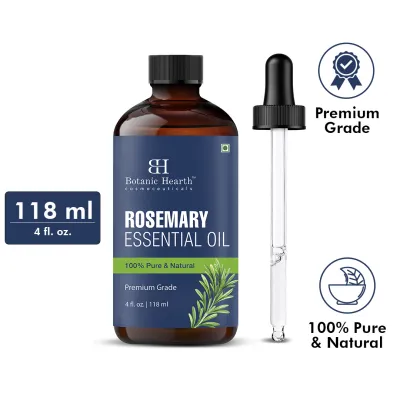
![[KIRONA SCENT] 30ML Diffuser Essential Oil (Min Purchase 2 Qty) | Water Soluble Essential Oil | Luxurious Perfume Mall & Hotel Scents | for Humidifiers Water Air Purifiers](https://img.lazcdn.com/g/p/ea7834555674909d1a349650e4eaffbf.jpg_400x400q80.jpg_.webp)

![[KIRONA SCENT] Jewel Changi Inspired Pure Essential Oil (10ml) | Hotel Scents & Mall Fragrances | Use with Nebulizer Candle Burner Electric Diffuser](https://img.lazcdn.com/g/p/af55b57ea48a968a35a369b72aedfc67.jpg_400x400q80.jpg_.webp)
![[KIRONA SCENT] 30ML Diffuser Essential Oil | Water Soluble Essential Oil | Luxurious Perfume Mall & Hotel Scents | For Humidifiers Water Air Purifiers](https://img.lazcdn.com/g/p/6223eb4ccf887fbd3bd76bb8997aba70.jpg_400x400q80.jpg_.webp)
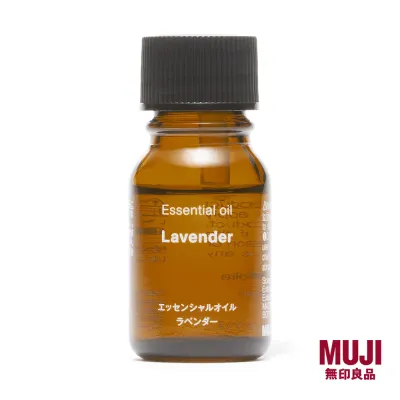
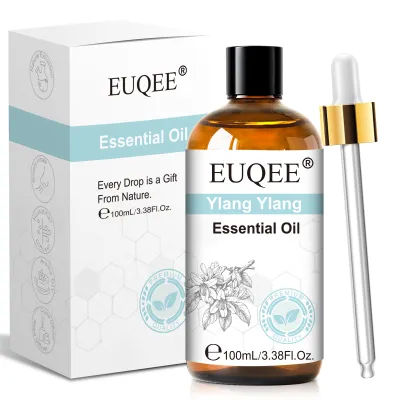
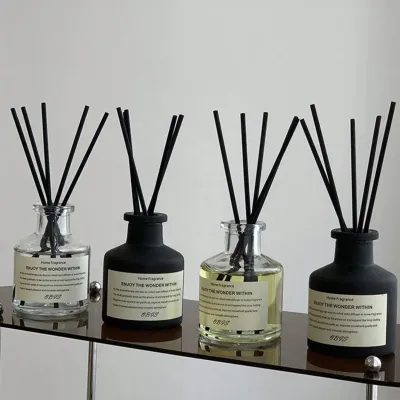
Prices are valid at publication and may change. Please refer to the product page for the latest price.
Scented oils, conversely, are manufactured aroma products. Also known as fragrance oils, they are created in laboratories using synthetic aroma chemicals, naturally derived isolates, or a combination of both. These aromatic compounds are blended with carrier oils or solvents to make them suitable for diffusion. This synthetic formulation allows perfumers to design complex, creative scents that do not exist in nature, such as fresh linen, warm vanilla, or sea breeze.
Verifying what you are buying requires careful label reading. Pure essential oils should list the specific botanical name (such as Lavandula angustifolia for lavender) alongside the common name, and they will typically state “100% pure essential oil.” If a label contains vague terms like “perfume oil,” “fragrance,” “scented oil,” or “aromatherapy oil” without a botanical name, it is almost certainly a synthetic blend.
How They Perform in Ultrasonic and Nebulizing Diffusers
The physical properties of these oils dictate how they behave inside different types of diffusers. Ultrasonic diffusers, which are highly popular in Singapore homes, use water and high-frequency vibrations to create a fine, cool mist. Because essential oils are highly volatile, they disperse quickly in water, providing a clean, immediate scent throw. However, because they evaporate rapidly, the aroma may fade more quickly than that of synthetic alternatives.

Scented oils often contain heavier carrier oils that do not evaporate as readily. In an ultrasonic diffuser, this can result in a longer-lasting scent throw, as the synthetic fragrance compounds are engineered to linger in the air for hours. However, these heavier carrier bases present a significant risk to nebulizing diffusers. Nebulizers do not use water; instead, they use pressurized air to atomize oil directly from the bottle. Thick scented oils can easily clog the delicate glass or metal nozzles of a nebulizer, leading to permanent device damage.
Before adding any oil to your device, always consult the manufacturer’s instruction manual. Many high-end diffuser brands explicitly state which types of oils are compatible with their warranty terms. Using heavy, synthetic scented oils in a device designed strictly for pure, thin essential oils can void your warranty and shorten the lifespan of the internal motor or ultrasonic plate.
Safety, Air Quality, and Pet Considerations
Diffusing any substance alters the indoor air quality of your home, making safety a primary consideration. In tightly sealed, air-conditioned rooms, airborne compounds can accumulate quickly. Some individuals may experience respiratory sensitivities, headaches, or allergic reactions when exposed to synthetic fragrance ingredients. Ensuring proper room ventilation by occasionally opening windows or running an air purifier can help maintain a comfortable and healthy indoor environment.
Pet owners must exercise extra caution when selecting oils. Many common essential oils, such as tea tree, eucalyptus, and citrus oils, contain natural compounds that are highly toxic to dogs and cats, who lack the liver enzymes necessary to metabolize them. Synthetic scented oils are not necessarily safer; they can contain phthalates, solvents, and artificial binders that can irritate an animal’s sensitive respiratory system. Always look for products explicitly verified as pet-safe, and keep diffusers out of reach of animals.
If you or anyone in your household experiences coughing, watery eyes, dizziness, or skin irritation while diffusing, stop using the device immediately. Unplug the unit, open the windows to thoroughly ventilate the space, and consult a medical professional if symptoms persist.
How to Choose the Right Oil for Your Home
Selecting the right oil comes down to your specific goals, lifestyle, and household setup. If your primary objective is traditional aromatherapy, natural ingredient sourcing, or experiencing the authentic scent of specific botanicals, pure essential oils are the appropriate choice. They offer a direct connection to nature and are ideal for mindful evening routines or creating a calming atmosphere.
If your goal is consistent, budget-friendly home odor control or complex, perfume-like fragrances, scented oils are highly effective. They allow you to enjoy seasonal scents, sweet gourmand aromas, or fresh laundry notes that pure plant extracts cannot replicate. Scented oils are also generally more cost-effective for daily, long-term scenting of larger living spaces.
When purchasing either type of oil, use a systematic checklist to verify quality. Look for brands that explicitly state their products are phthalate-free and paraben-free. Check for reputable manufacturing standards, such as compliance with international fragrance safety guidelines. Avoid buying exceptionally cheap oils from unverified online marketplaces, as these are more likely to contain low-grade solvents that can degrade your diffuser or irritate your lungs.
Cleaning Your Diffuser and Managing Oil Residue
Regular maintenance is essential to prevent cross-contamination of scents and protect your diffuser’s internal components. Synthetic scented oils and their carrier bases tend to leave behind a heavier, greasy residue compared to highly volatile essential oils. Over time, this oily buildup can coat the ultrasonic transducer plate or clog the mist outlet, reducing the device’s efficiency and causing the motor to work harder.
To clean your diffuser safely, always unplug the device from the electrical outlet first. Empty any remaining water and oil mixture from the tank, pouring it away from the air outlet to prevent water from entering the internal electronics. Wipe the inside of the tank gently with a soft, damp microfiber cloth. For stubborn residue, use a few drops of mild dish soap or a specialized diffuser cleaning solution, strictly following the manufacturer’s instructions. Avoid using harsh abrasive pads or strong chemical solvents that could crack the plastic housing.
Pay close attention to how your device operates over time. If you notice that the mist output has dropped significantly, or if the motor begins to make a strained, buzzing sound, stop using the device immediately. Unplug it and seek professional servicing or consult the manufacturer’s troubleshooting guide, as continuing to run a clogged diffuser can cause permanent electrical failure.
Frequently Asked Questions (FAQ)
Can you mix scented oil and essential oil in the same diffuser?
Yes, you can physically mix scented oils and essential oils in the water tank of an ultrasonic diffuser, but doing so may yield unpredictable results. Because synthetic fragrance oils and pure botanical oils have different evaporation rates and chemical structures, the resulting scent profile may change rapidly as the lighter, more volatile essential oil compounds evaporate first, leaving the heavier synthetic notes behind. If you decide to blend them, test a very small batch first. Ensure that the combined mixture does not become overly thick or viscous, which could exceed your diffuser’s operational limits and clog the ultrasonic plate.
Do scented oils provide the same aromatherapy benefits as essential oils?
No, scented oils do not offer the same traditional aromatherapy benefits as pure essential oils. Scented oils are formulated primarily for olfactory enjoyment, room fragrancing, and aesthetic appeal. While a pleasant synthetic scent can certainly improve your mood or make a room feel more inviting, it lacks the complex, naturally occurring botanical compounds that define traditional essential oils. For applications where specific plant properties are desired, pure, unadulterated essential oils are required.
How many drops of oil should you add to an ultrasonic diffuser?
The ideal amount of oil depends entirely on the water capacity of your diffuser and the guidelines provided in your user manual. As a general practice, most standard ultrasonic diffusers require only a few drops—typically starting with three to five drops for a small tank—to achieve a noticeable aroma. Because synthetic scented oils are often highly concentrated and engineered for intense scent throw, you may need fewer drops compared to milder essential oils. Always start with a minimal amount and adjust gradually based on your personal preference and room size, ensuring you never exceed the maximum limit specified by the manufacturer.

Community discussion
Share your experience or ask a question. Comments are reviewed before publication.